Vapor Chamber storage temperature guidelines?
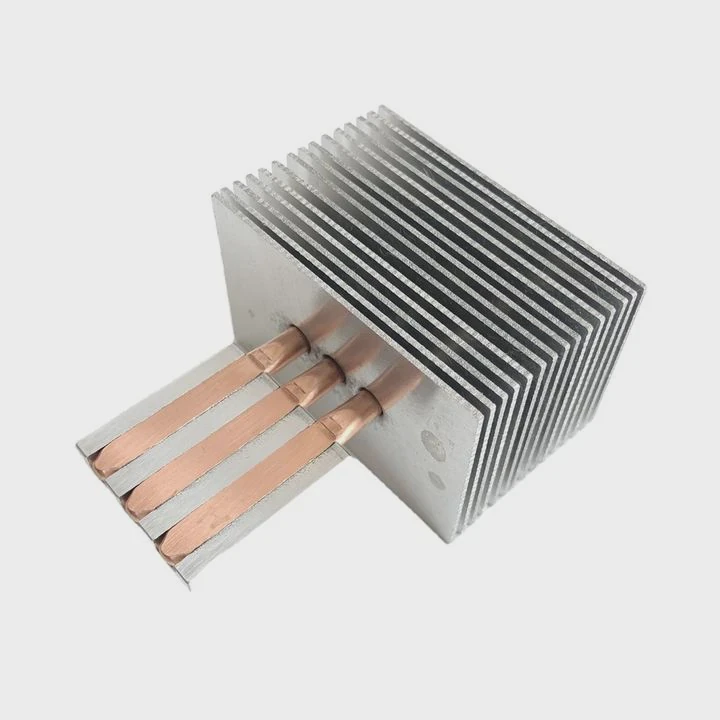
When storing vapor chambers it’s easy to overlook how environmental conditions affect their long‑term integrity.
Proper storage temperature, humidity, electrostatic control and handling are key to preserving performance and reliability of vapor chambers prior to installation.
Below I walk through the best practices for your situation and highlight practical steps to protect your inventory.
What is the ideal storage temperature for Vapor Chambers?
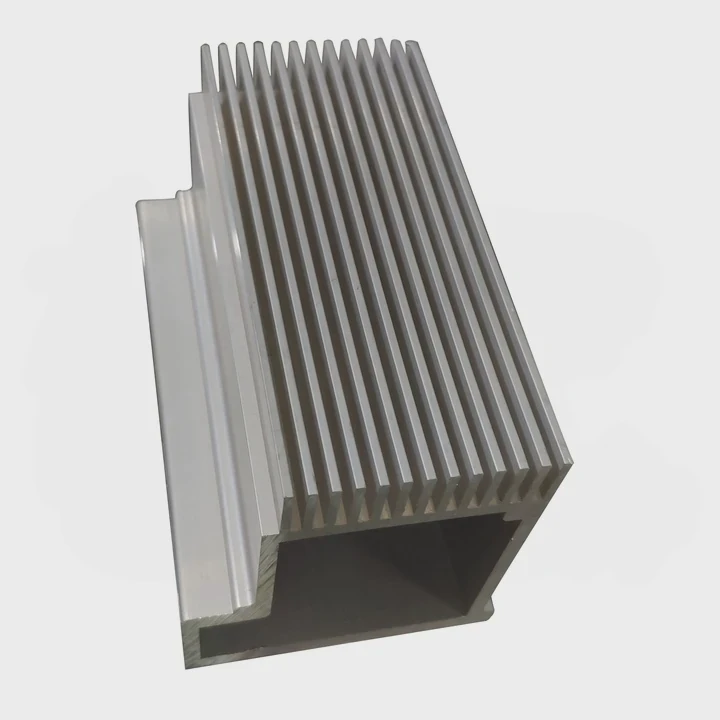
For a device like a vapor chamber, which contains a working fluid, wick structures and a sealed vacuum envelope, the storage temperature range matters because extreme temperature might affect the internal fluid, the vacuum, or the structure.
Recommended storage temperature is 15–30 °C, avoiding extremes below 0 °C or above 50 °C.
Why temperature matters
- High temperatures increase internal pressure, stressing seams and welds.
- Low temperatures risk condensation or material contraction.
- Repeated temperature swings reduce structural integrity.
Storage guidelines
| Condition | Recommended Range | Risk if exceeded |
|---|---|---|
| Temperature (Ambient) | 15–30 °C | Pressure stress or contraction |
| Max short-term limit | 50 °C | Vacuum stress, flatness distortion |
| Minimum limit | 0 °C | Fluid freeze, condensation |
Do Vapor Chambers require humidity control during storage?
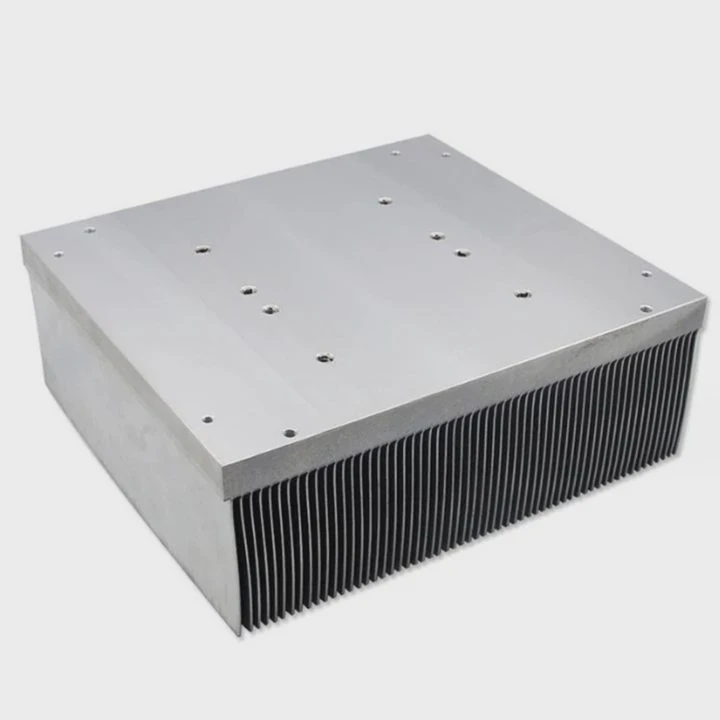
Yes, while vapor chambers are sealed, ambient humidity still affects surface condition, corrosion, and cleanliness.
Recommended humidity range is 30–60% RH, non-condensing.
Risks of high humidity
- Surface corrosion (especially on copper or aluminium).
- Moisture ingress if seals are compromised.
- Condensation during rapid temp swings.
Protective measures
- Use desiccant or sealed moisture-barrier bags.
- Store in dry, ventilated warehouse.
- Avoid condensation by maintaining stable temperature.
Can extreme cold damage stored Vapor Chambers?
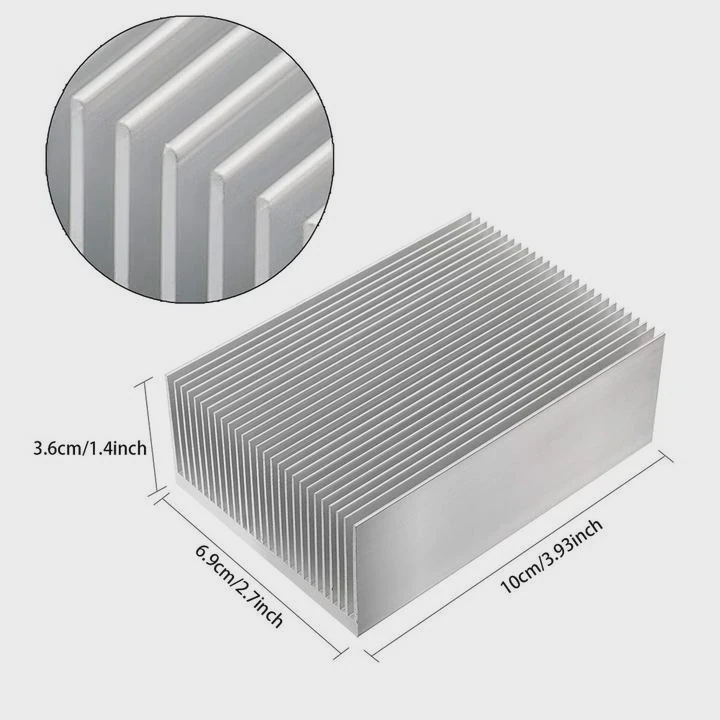
Yes, freezing conditions can damage internal fluid or cause external condensation when warmed.
Avoid storing vapor chambers below 0 °C unless approved by supplier.
Common cold-related risks
- Working fluid freezing and expanding.
- Metal contraction causing leaks or warping.
- Condensation forming during rapid temperature recovery.
Best practices
- Maintain temperature above freezing.
- Allow slow warm-up if previously cold.
- Inspect chambers after cold storage for any distortion or surface issues.
Should Vapor Chambers be stored in anti‑static environments?
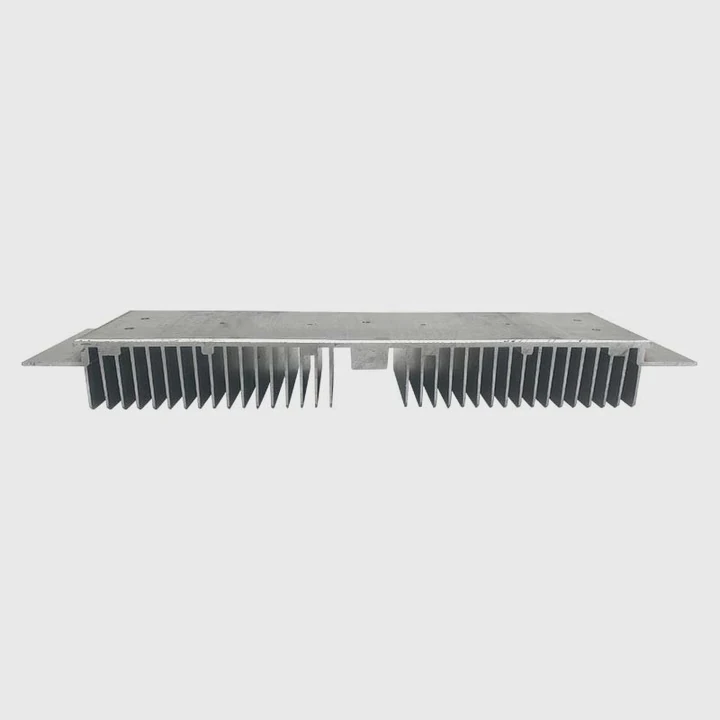
Yes, especially when vapor chambers are used with sensitive electronics or in clean-room conditions.
Use anti-static packaging and grounded storage for high-reliability modules.
ESD considerations
- While vapor chambers don’t contain electronics, static can damage coatings or attract particles.
- In dry climates, ESD risk is higher without humidity control or grounding.
- Integration with PCBs increases the importance of static protection.
Storage checklist
| Protection Method | Purpose |
|---|---|
| ESD bag or foam | Prevent charge buildup during handling |
| Grounded shelves | Discharge static safely |
| 30–50% RH humidity | Reduce static generation |
| ESD wrist straps/mats | Protect during assembly |
Conclusion
In summary:
- Storage temperature: 15–30 °C is ideal; avoid below 0 °C and above 50 °C.
- Humidity control: Keep RH at 30–60% to prevent corrosion and condensation.
- Cold damage: Avoid sub-zero storage or allow slow warm-up before use.
- Anti-static storage: Use ESD-safe packaging and environments when storing chambers with electronics.
By following these guidelines, you protect the vapor chamber’s internal vacuum, surface integrity, and functional reliability before installation.
TAGS
Latest Articles

Volume discount levels for heat sink orders?
Buyers often ask when heat sink prices start to drop with volume. Many worry they’re overpaying for small orders. This guide explains how B2B volume pricing works for thermal components. Heat sink
21 Dec,2025
Heat sink long-term supply contract options?
Many buyers want stable pricing and reliable delivery for heat sinks. But without a clear contract, risks grow over time. This article explores how to secure better long-term supply deals. Long-term
21 Dec,2025
Tooling cost for new heat sink profiles?
Many engineers struggle to understand why tooling for custom heat sinks costs so much. They worry about budgeting and production timelines. This article breaks down the cost drivers behind tooling.
21 Dec,2025
Heat sink custom sample process steps?
Sometimes, starting a custom heat sink project feels overwhelming—too many steps, too many unknowns, and too many risks. You want a sample, but not endless delays. The process for requesting and
20 Dec,2025
Standard B2B terms for heat sink payments?
When buyers and sellers in B2B heat sink markets talk about payment, many don’t fully understand what’s standard. This can lead to delayed orders, miscommunication, and even lost business
20 Dec,2025
Heat sink pricing factors for large orders?
Heat sinks are vital for many systems. When prices rise, projects stall and budgets break. This problem can hit teams hard without warning. Large order heat sink pricing depends on many factors. You
20 Dec,2025Related Articles
- Typical warranty period for Vapor Chamber?
- Vapor Chamber bulk order logistics solution?
- How to reduce Vapor Chamber shipping cost?
- Vapor Chamber HS code for customs?
- Vapor Chamber Global Shipping Lead Time?
- Best shipping method for Vapor Chamber?
- How to install Vapor Chamber correctly?
- Vapor Chamber cleaning recommendations?
- How to repair damaged Vapor Chamber?
- Vapor Chamber servicing instructions?
- OEM or ODM options for Vapor Chamber?
- Vapor Chamber technology upgrade trends?
Author
Dr. Emily Chen
Chief AI Researcher
Leading expert in thermal dynamics and AI optimization with over 15 years of experience in data center efficiency research.
Categories
Latest Products






Recommend Categories
- Liquid cooling plate Manufacturer
- Industrial Heat Sink Manufacturer
- Standard Heat Sink Manufacturer
- Aluminum Heat Sink Manufacturer
- Copper Heat Sink Manufacturer
- Anodized Heatsink Manufacturer
- Stamping heat sink Manufacturer
- Die Casting Heatsink Manufacturer
- Soldering heat sink Manufacturer
- CNC Parts Manufacturer
Latest Products
- Wholesale Aluminum Radiator
- Water Cooling Plate Kit
- Water Cooling Heat Sink
- Water Cooling Heat Sink Kit
- Stainless Steel Water Distributor
- Server Water Cooling Plate Kit
- Server Liquid Cooling System
- Server Aluminum Cooling Kit
- S19 Full Cover Cooling Plate
- S19 Cooling Plate Kit
- S19 Aluminum Cooling Plate
Contact Expert
Have questions about this article? Reach out to our experts directly.