Vapor Chamber HS code for customs?
Having trouble finding the right HS code for your vapor chamber export? It’s a common pain for manufacturers and exporters.
For many heat‑dissipation components like vapor chambers, a commonly used HS code is 8473.30.99 (or national equivalents), but correct classification depends on function, material and end‑use.
Let’s dive deeper into what this means, how different countries treat it, how you can confirm it and how it affects duties.
What is the HS code for Vapor Chambers in export documents?
You might feel uncertain because “vapor chamber” isn’t always explicitly listed in HS‑tariff headings.
Most exporters classify vapor chambers under “Parts and accessories suitable for use solely or principally with machines of headings 8469‑8472” (HS 8473.30 or 8473.30.99) when they act as cooling modules for computers or similar devices.
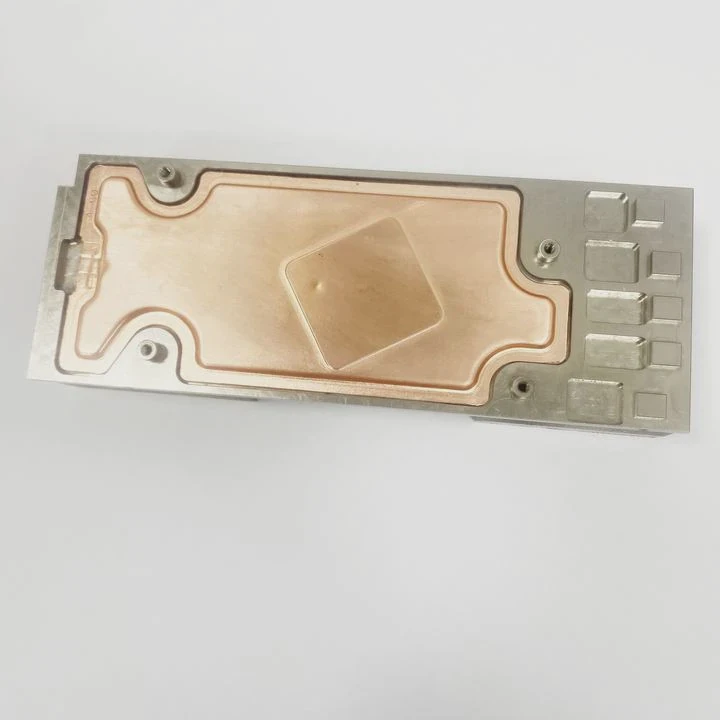
To explain practically: a vapor chamber is a thermal spreader or cooler that often sits in electronics, servers, GPUs or modules. Because it’s a component rather than a full machine, customs authorities often treat it as a “part” of a machine. For example, a US Customs ruling classified heat‐sink assemblies (which incorporated heatpipes/vapor chambers) under HTSUS subheading 8473.30.5000, i.e., parts suitable for machines of heading 8471.
Also, trade data in India shows vapor‑chamber‐style heat sinks listed under HS code 84733099.
However, classification could differ if the vapor chamber is sold as a stand‑alone gadget or part of a cooling system, or if it serves a different purpose (e.g., not solely for machines in headings 8469‑8472). So you must check not just the code number but the description in the tariff schedule of the importing country.
Common HS Code Options
| Tentative HS Code | Description Summary | When It Might Apply |
|---|---|---|
| 8473.30.xx | Parts & accessories for machines of headings 8469‑8472 | When the vapor chamber is part of e.g., a computer/server cooling unit |
| 8504.90.xx | Electrical transformers/static converters/inductors | Sometimes used in India for passive cooling devices |
| 7616.99.xx | Other aluminium articles | When the vapor chamber is essentially an aluminium extrusion/spread plate being sold on its own |
In short: you should default to the “parts for machines” heading (8473) if the vapor chamber is clearly a part of a machine covered by headings 8469‑8472 (e.g., computers, processing units). If not, check whether a more generic metal article heading or electrical device heading might fit.
Do different countries use different HS codes for Vapor Chambers?
Yes — the global HS system is harmonised in the first six digits, but many countries add further digits (8‑10 digits) or interpret descriptions differently.
While the six‑digit HS number like 8473.30 is common worldwide, national extensions (e.g., 84733099 in India) and differing interpretations mean you may see different codes for vapor chambers in different countries.
The underlying system is the World Customs Organization (WCO) Harmonized System (HS) which gives six‑digit codes globally. But every country can then extend these by adding more digits for national tariff, statistical, or regulatory purposes. For example:
- In India, “84733099” is used for “Other” parts suitable for machines of headings 8469‑8472.
- In the US, the HTSUS subheading “8473.30.5000” was used for certain heat sink assemblies.
- For some passive cooling parts in India, “85049090” or “76169990” have also been referenced.
What this means: even though two countries might both refer to HS 8473.30, they might add different last digits, or interpret what qualifies under that heading differently. This leads to different duty rates or clearance requirements. Also, sometimes a vapor chamber might be classified under a heading for aluminium articles (e.g., 7616) instead of machine parts, depending on how the product is described and how customs view its use.
Because of this variability, when exporting from China (or any country) you must check:
- The HS heading used in the exporting country’s schedule
- The HS heading used in the importing country’s schedule
- Whether your product functions as a “part for machines of headings 8469‑8472” or not
- The national extensions in each country (eight‑digit, ten‑digit codes)
So yes, different countries might use different HS codes or treatment for vapor chambers. You can’t assume a code works globally without checking.
How to confirm the correct HS code for a Vapor Chamber?
It can feel risky to pick a code without proper verification because mis‑classification leads to delays or penalties.
Confirming the correct HS code involves reviewing your product specifications (function, end‑use, principal material), checking the national tariff schedule of the importing country, and where possible obtaining a binding ruling or prior classification from customs.
Here’s a practical step‑by‑step approach:
1. Define the product clearly
- What is your vapor chamber? Is it purely a passive plate/spreader, or is it mounted with heat‑pipe/fan assembly?
- What is its end‑use? Is it sold as a part of a computer, GPU, server or is it a generic thermal module?
- What are the main materials? Aluminium, copper, alloy, etc.
2. Identify the machine class if it is a part
If the vapor chamber is solely or principally for machines of headings 8469‑8472 (for example, automatic data processing machines, or servers/computers) then heading 8473.30 is likely relevant.
If it is not tied to such machines, you might need to consider alternative headings such as 7616 or 8504 depending on local tariff rules.
3. Consult national tariff schedules
Look up the tariff schedule and find the HS heading and subheading that best describes your product.
Stick to the description wording (“parts and accessories suitable for use solely or principally with machines…”).
Check if the country has “other” categories (e.g., “other parts” or “other aluminium articles”).
4. Check customs rulings and prior classification
Use databases (for example US CBP rulings) to see how similar items have been classified.
If uncertain, apply for a binding ruling.
5. Document your reasoning
Keep records of how you arrived at the code: product spec sheet, function, comparisons with similar items, ruling references.
This is important for audits, compliance, and future shipments.
6. Review duty & clearance implications
Check the duty rate (if any) in the importing country for that code.
Also check whether any preferential trade agreements apply.
Make sure the product description on the invoice, packing list and export licence (if needed) matches the HS code description.
Classification Decision Comparison
| Code option | Description | Why it might fit | Why it might not fit |
|---|---|---|---|
| 8473.30.xx | Parts & accessories for machines of headings 8469‑8472 | Fits if product is a part of computer/server cooling module | Doesn’t fit if product is generic aluminium plate or used in non‑machine context |
| 7616.99.xx | Other aluminium articles | Fits if product is purely aluminium structure/spreader sold independently | If the product’s function is as part of machine, less appropriate |
| 8504.90.xx | Electrical transformers/static converters/inductors | Might apply in some countries for passive cooling modules | Rarely used for cooling modules in electronics; risk of mis‑classification |
By going through this disciplined process you can feel confident that you’ve selected the right HS code, or at least you’ve documented why you chose it. This reduces risk of customs issues, delays or extra duties.
Does HS code impact import duties for Vapor Chambers?
Yes — HS code is the basis for duty calculation, regulatory checks and customs clearance. Using the wrong code can cost money or cause shipment holds.
HS code determines the duty rate, eligibility for free trade agreements (FTAs), customs inspection protocols and statistical classification; mis‑classifying a vapor chamber can lead to higher duties, delays, penalties or denial of preferential treatment.
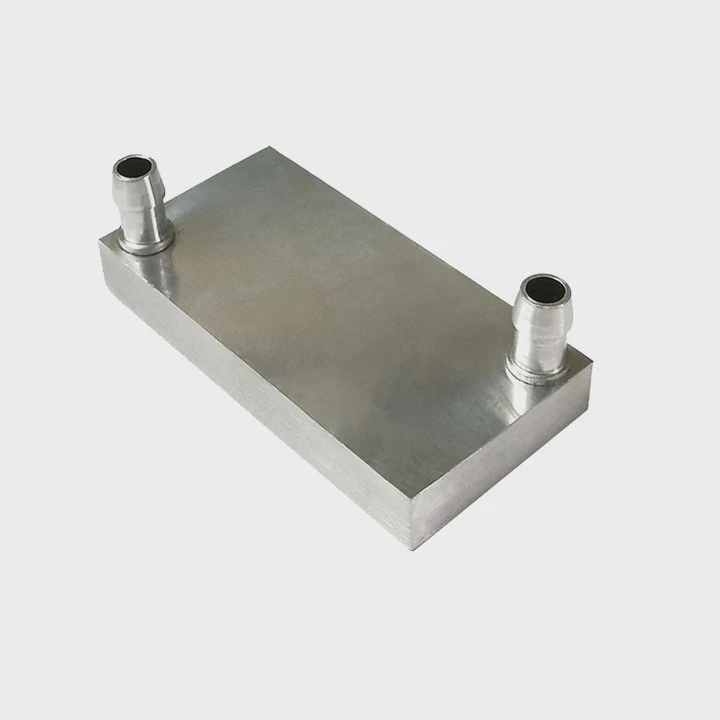
Let’s unpack how the HS code impacts duties and why accurate classification matters:
Duty rate and preferential treatment
The HS code identifies the tariff heading under which the good is imported. The importing country assigns a duty rate (which can be 0%, low, or high) for that heading.
If your vapor chamber is classified under one heading vs another, you may pay a different duty rate.
For example, some parts under 8473.30 might be duty‑free or low duty, especially if they are parts of machines covered by FTAs.
If you classify it under a more generic heading (e.g., “other aluminium articles”) then the duty might be higher.
Trade agreement eligibility
If your vapor chamber qualifies as a part for a machine under an FTA but you classify it under a generic aluminium heading, you may not meet the requirements of the FTA.
Correct classification ensures you get the benefits.
Compliance risk and customs inspection
Customs authorities use HS codes to check shipments. If they believe you mis‑classified, they may hold the goods, audit the shipment or impose penalties.
This matters especially for high value or high volume shipments.
Statistical and regulatory implications
HS codes are used for trade statistics, export controls and regulatory filings.
Picking the wrong code may lead to misreporting or failure to meet declarations.
Internal cost & procurement implications
The duty cost affects landed cost, pricing, margin, and competitiveness.
Proper classification ensures accurate costing and quoting.
Also, you may miss out on duty drawback or refund schemes if you don’t use the correct code.
In summary: yes, the HS code very much impacts import duties (and many other operational aspects). Accurate classification protects you from hidden costs, delays and compliance headaches.
Conclusion
Accurately classifying a vapor chamber under the right HS code (most likely under heading 8473.30 for parts of machines) is vital. Because countries interpret the codes differently and extend them, you must confirm via product function, national tariff schedules and possibly binding rulings. The HS code you choose directly affects duty rates, compliance costs and export/import benefits.
TAGS
Latest Articles

Volume discount levels for heat sink orders?
Buyers often ask when heat sink prices start to drop with volume. Many worry they’re overpaying for small orders. This guide explains how B2B volume pricing works for thermal components. Heat sink
21 Dec,2025
Heat sink long-term supply contract options?
Many buyers want stable pricing and reliable delivery for heat sinks. But without a clear contract, risks grow over time. This article explores how to secure better long-term supply deals. Long-term
21 Dec,2025
Tooling cost for new heat sink profiles?
Many engineers struggle to understand why tooling for custom heat sinks costs so much. They worry about budgeting and production timelines. This article breaks down the cost drivers behind tooling.
21 Dec,2025
Heat sink custom sample process steps?
Sometimes, starting a custom heat sink project feels overwhelming—too many steps, too many unknowns, and too many risks. You want a sample, but not endless delays. The process for requesting and
20 Dec,2025
Standard B2B terms for heat sink payments?
When buyers and sellers in B2B heat sink markets talk about payment, many don’t fully understand what’s standard. This can lead to delayed orders, miscommunication, and even lost business
20 Dec,2025
Heat sink pricing factors for large orders?
Heat sinks are vital for many systems. When prices rise, projects stall and budgets break. This problem can hit teams hard without warning. Large order heat sink pricing depends on many factors. You
20 Dec,2025Related Articles
- Vapor Chamber Global Shipping Lead Time?
- Best shipping method for Vapor Chamber?
- Customs documents needed for Vapor Chamber import?
- Vapor Chamber packaging for export to USA?
- How long to prototype Vapor Chamber?
- Vapor Chamber standard Incoterms for export?
- How to reduce Vapor Chamber shipping cost?
- Vapor Chamber bulk order logistics solution?
- Typical warranty period for Vapor Chamber?
- Vapor Chamber storage temperature guidelines?
- How to install Vapor Chamber correctly?
- Vapor Chamber cleaning recommendations?
Author
Dr. Emily Chen
Chief AI Researcher
Leading expert in thermal dynamics and AI optimization with over 15 years of experience in data center efficiency research.
Categories
Latest Products






Recommend Categories
- Liquid cooling plate Manufacturer
- Industrial Heat Sink Manufacturer
- Standard Heat Sink Manufacturer
- Aluminum Heat Sink Manufacturer
- Copper Heat Sink Manufacturer
- Anodized Heatsink Manufacturer
- Stamping heat sink Manufacturer
- Die Casting Heatsink Manufacturer
- Soldering heat sink Manufacturer
- CNC Parts Manufacturer
Latest Products
- Wholesale Aluminum Radiator
- Water Cooling Plate Kit
- Water Cooling Heat Sink
- Water Cooling Heat Sink Kit
- Stainless Steel Water Distributor
- Server Water Cooling Plate Kit
- Server Liquid Cooling System
- Server Aluminum Cooling Kit
- S19 Full Cover Cooling Plate
- S19 Cooling Plate Kit
- S19 Aluminum Cooling Plate
Contact Expert
Have questions about this article? Reach out to our experts directly.