How to reduce Vapor Chamber shipping cost?
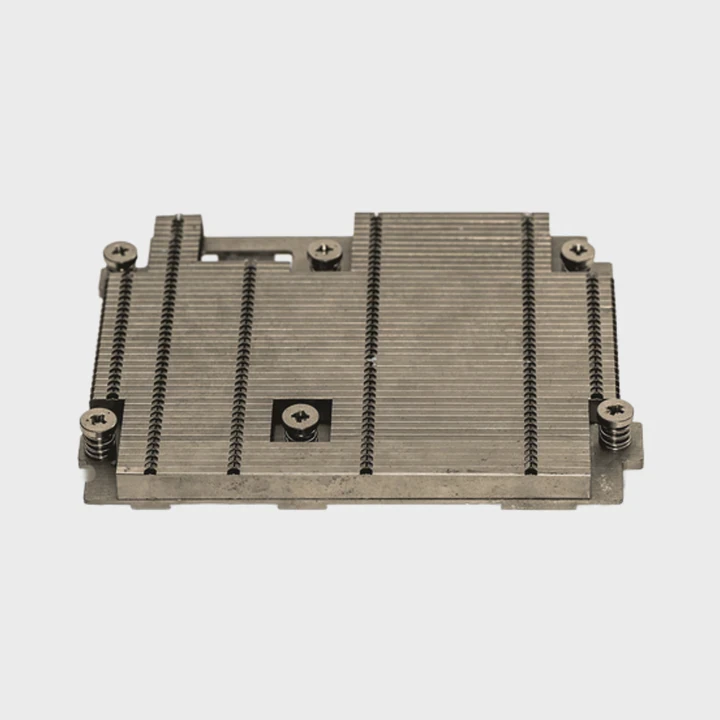
When shipping vapor chambers, costs can quietly spiral out of control. Poor planning, oversized packaging, and missed negotiation opportunities all add up.
Yes, you can reduce vapor chamber shipping costs by optimizing packaging, consolidating orders, choosing the right freight mode, and negotiating better terms with freight partners.
Let’s walk through each of these cost-saving strategies.
What are cost-saving tips for Vapor Chamber shipping?
When vapor chambers are packed inefficiently or shipped without planning, they cost more than they should. You don’t have to overspend.
To reduce cost, improve packaging, minimize wasted space, plan shipments in advance, and choose appropriate shipping terms and modes.

Shipping cost isn’t only about distance. Carriers charge based on weight and volume. For vapor chambers, which are light but bulky, you often pay for the space they occupy—not their actual weight.
To reduce cost:
Optimize packaging
Design packaging that fits tightly around the vapor chamber. Use inserts that protect without adding bulk. Avoid over-boxing, which increases the dimensional weight.
Plan shipments
Shipping small lots frequently increases your cost. Plan ahead to avoid urgent shipping. Shipping in bulk, when possible, brings per-unit cost down.
Choose the right freight mode
If delivery isn’t urgent, avoid air freight. Use sea freight or multimodal logistics to lower cost. Choose your shipping mode based on urgency and shipment size.
Compare Incoterms
Choose the right Incoterms. For example, FOB might be cheaper than CIF depending on the buyer’s location. Knowing where responsibility transfers helps avoid hidden costs.
Audit and monitor
Always check freight invoices. Freight errors happen. Watch for duplicate fees or mischarged fuel surcharges. Regular review of shipping costs and methods helps spot savings.
Here’s a quick summary:
| Strategy | Action | Benefit |
|---|---|---|
| Compact packaging | Use precise packaging, remove excess void | Reduces dimensional weight charges |
| Ship in bulk | Combine orders where possible | Lower fixed cost per unit |
| Plan ahead | Avoid last-minute air freight | Cheaper transport modes available |
| Review shipping terms | Choose cost-effective Incoterms | Avoid unexpected transfer costs |
| Audit your invoices | Check for errors or overcharges | Reclaim lost expenses |
Good shipping habits lower cost over time. Vapor chambers don’t have to be expensive to move—if you ship them smart.
Can batch consolidation lower Vapor Chamber logistics cost?
If you’re sending frequent small shipments, you’re likely overpaying. Consolidating into bigger batches changes the game.
Yes, combining multiple shipments into a single batch reduces cost by improving container utilization and spreading fixed fees across more units.
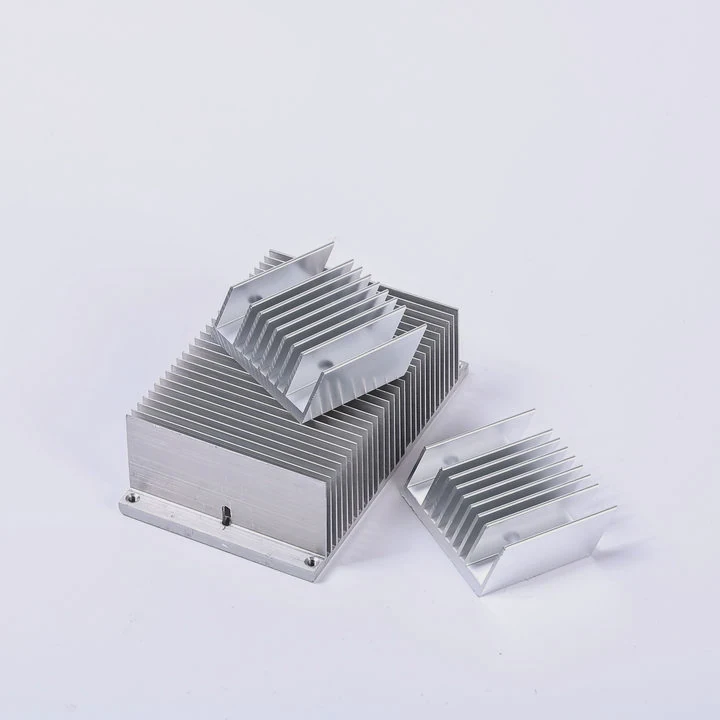
Consolidation means grouping vapor chamber orders to ship in fewer, larger shipments. This saves in multiple ways:
Why consolidation saves money
Shipping costs include fixed fees: customs clearance, documentation, handling. These are the same whether you ship one box or a hundred. Consolidating means these fees apply once instead of many times.
Larger loads mean better rates
Carriers offer better per-kilogram or per-cubic-meter rates for larger shipments. Less-than-container load (LCL) is always more expensive per unit than a full container load (FCL). Bigger shipments unlock discounts.
Less handling, less damage
More shipments mean more chances for handling errors. Consolidated shipments are handled fewer times, reducing risk of loss or damage to sensitive vapor chambers.
Here’s a comparison:
| Shipment Type | Cost Profile | Handling Risk |
|---|---|---|
| Multiple small shipments | High fixed cost per shipment | Higher |
| Consolidated shipment | Shared fixed costs, better per-unit rates | Lower |
| Full container load | Lowest per-unit freight rate | Lowest |
Considerations for your operations
- Inventory planning: Waiting to build up volume might increase inventory holding costs. Balance savings against storage expenses.
- Customer lead time: If customers need fast delivery, consolidate only non-urgent orders.
- Packaging compatibility: Ensure different vapor chamber models can be shipped together safely.
- Insurance: A larger shipment carries more value—protect it properly.
Consolidation works best when your vapor chamber production is steady and forecastable. If that’s the case, shifting to batch shipping could yield big savings.
Is sea freight cheaper than air for Vapor Chamber bulk orders?
If you’re shipping large orders, freight mode is a big factor. And for bulk vapor chambers, air is rarely the smart choice.
Yes, sea freight is significantly cheaper than air freight for bulk vapor chamber orders—as long as delivery time is flexible.
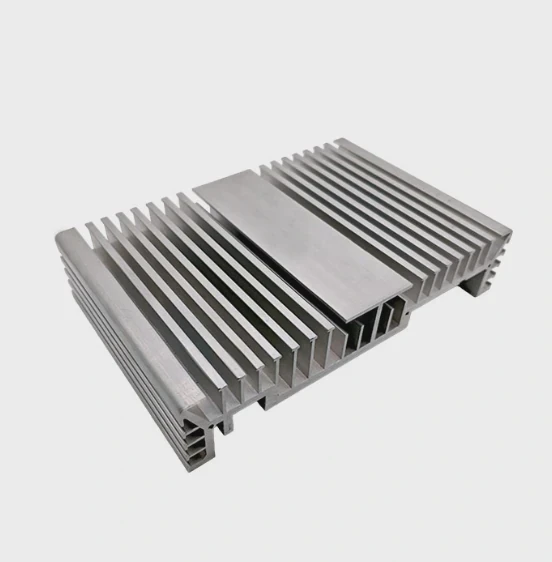
Shipping vapor chambers by sea costs a fraction of air freight. That’s because air freight charges based on weight and volume, and the rates are much higher.
Cost difference example
If shipping by sea costs \(100, the same shipment by air could easily cost \)800 to $1,600. For large orders, this becomes unsustainable.
When sea freight works best
- Large volume orders
- Non-urgent deliveries
- High shipping weight
- Predictable production cycles
When air might be necessary
- Small prototype shipments
- Critical repair parts
- New product launches
- High-value, low-weight shipments
Freight mode comparison
| Mode | Cost | Transit Time | Best For |
|---|---|---|---|
| Sea Freight | Lowest | 3–6 weeks | Large volumes, predictable timelines |
| Air Freight | Highest | 3–7 days | Urgent, lightweight, high-value items |
Other factors
- Sea freight needs more lead time planning.
- You’ll need good documentation and tracking systems for sea cargo.
- Ocean shipments may face port delays, so factor in buffer time.
If you’re shipping vapor chambers in bulk, sea freight is the default winner. Use air only when time justifies the extra cost.
Should you negotiate with forwarders for better Vapor Chamber rates?
Forwarders often offer standard rates—but those aren’t set in stone. You can—and should—negotiate.
Yes, negotiating with freight forwarders can get you lower rates, better terms, and more responsive service for vapor chamber logistics.
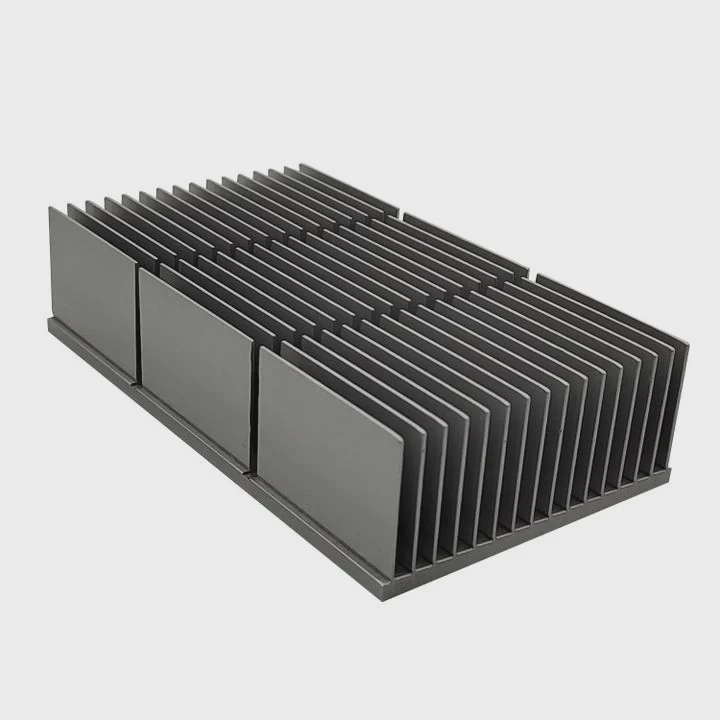
Your forwarder wants long-term business. Use that to your advantage. Negotiating shows you’re serious, and can lead to cost savings and better service.
What to negotiate
- Volume-based discounts: Promise regular shipping volume to unlock lower rates.
- Flexible timelines: Give your forwarder scheduling flexibility—they often offer better rates for non-urgent cargo.
- Multiple quote strategy: Always get at least 2–3 quotes. Use them as leverage.
- Total landed cost: Ask for a breakdown—know what’s included: fuel, handling, clearance, local delivery.
- Service level agreements: Lock in expectations for response time, updates, and claims handling.
How to prepare
- Share accurate shipment forecasts.
- Know your shipping lanes and seasonal volumes.
- Understand typical market rates.
- Track previous issues with damage or delays—use data to demand improvements or discounts.
Points to include in your contract
| Term | Why It Matters |
|---|---|
| Fixed rate window | Locks in rate for set period |
| Volume-based incentives | More shipments = better rates |
| Clear accessorial charges | Avoid surprises in fuel or handling surcharges |
| Penalties for delays | Holds forwarders accountable |
| Escalation process | Ensures urgent issues are resolved quickly |
Negotiation isn’t just about price—it’s about control and predictability. Treat your freight partners like strategic vendors, not just service providers. They’ll return the respect with better rates and service.
Conclusion
Reducing shipping costs for vapor chambers requires more than just picking a cheaper courier. By tightening packaging, consolidating shipments, choosing sea over air when possible, and actively negotiating with your freight partners, you can make a real dent in your logistics expenses—without sacrificing reliability.
TAGS
Latest Articles

Volume discount levels for heat sink orders?
Buyers often ask when heat sink prices start to drop with volume. Many worry they’re overpaying for small orders. This guide explains how B2B volume pricing works for thermal components. Heat sink
21 Dec,2025
Heat sink long-term supply contract options?
Many buyers want stable pricing and reliable delivery for heat sinks. But without a clear contract, risks grow over time. This article explores how to secure better long-term supply deals. Long-term
21 Dec,2025
Tooling cost for new heat sink profiles?
Many engineers struggle to understand why tooling for custom heat sinks costs so much. They worry about budgeting and production timelines. This article breaks down the cost drivers behind tooling.
21 Dec,2025
Heat sink custom sample process steps?
Sometimes, starting a custom heat sink project feels overwhelming—too many steps, too many unknowns, and too many risks. You want a sample, but not endless delays. The process for requesting and
20 Dec,2025
Standard B2B terms for heat sink payments?
When buyers and sellers in B2B heat sink markets talk about payment, many don’t fully understand what’s standard. This can lead to delayed orders, miscommunication, and even lost business
20 Dec,2025
Heat sink pricing factors for large orders?
Heat sinks are vital for many systems. When prices rise, projects stall and budgets break. This problem can hit teams hard without warning. Large order heat sink pricing depends on many factors. You
20 Dec,2025Related Articles
- Vapor Chamber HS code for customs?
- Vapor Chamber Global Shipping Lead Time?
- Best shipping method for Vapor Chamber?
- Customs documents needed for Vapor Chamber import?
- Vapor Chamber packaging for export to USA?
- How long to prototype Vapor Chamber?
- Vapor Chamber bulk order logistics solution?
- Typical warranty period for Vapor Chamber?
- Vapor Chamber storage temperature guidelines?
- How to install Vapor Chamber correctly?
- Vapor Chamber cleaning recommendations?
- How to repair damaged Vapor Chamber?
Author
Dr. Emily Chen
Chief AI Researcher
Leading expert in thermal dynamics and AI optimization with over 15 years of experience in data center efficiency research.
Categories
Latest Products






Recommend Categories
- Liquid cooling plate Manufacturer
- Industrial Heat Sink Manufacturer
- Standard Heat Sink Manufacturer
- Aluminum Heat Sink Manufacturer
- Copper Heat Sink Manufacturer
- Anodized Heatsink Manufacturer
- Stamping heat sink Manufacturer
- Die Casting Heatsink Manufacturer
- Soldering heat sink Manufacturer
- CNC Parts Manufacturer
Latest Products
- Wholesale Aluminum Radiator
- Water Cooling Plate Kit
- Water Cooling Heat Sink
- Water Cooling Heat Sink Kit
- Stainless Steel Water Distributor
- Server Water Cooling Plate Kit
- Server Liquid Cooling System
- Server Aluminum Cooling Kit
- S19 Full Cover Cooling Plate
- S19 Cooling Plate Kit
- S19 Aluminum Cooling Plate
Contact Expert
Have questions about this article? Reach out to our experts directly.