how to install mosfet heatsinks?
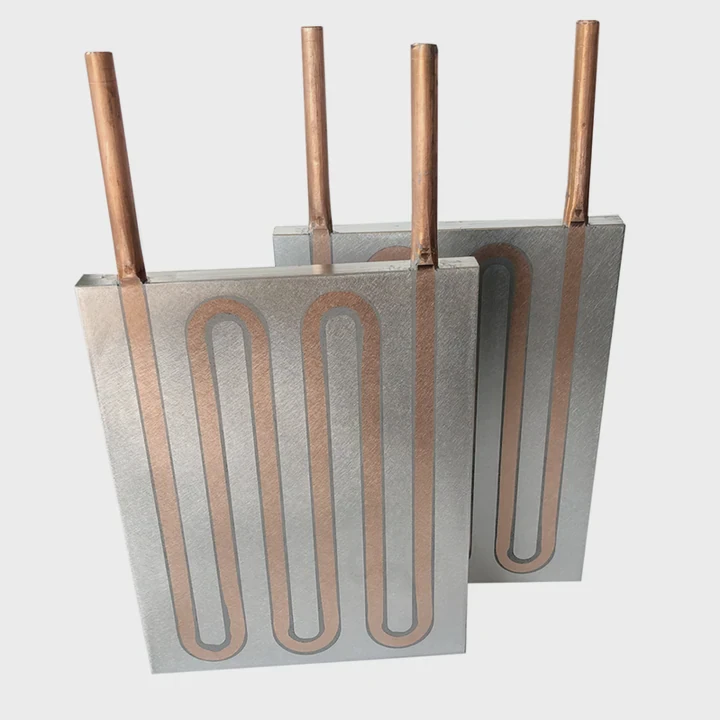
Many people ask me how to install MOSFET heatsinks correctly, because these small chips can run hot and fail when cooling is poor.
You install MOSFET heatsinks by finding the hotspots, choosing the right adhesive, checking sink weight, and giving the VRM area enough airflow. A stable mount needs flat contact and good thermal control.
I want to show you the full method so you can install MOSFET sinks with confidence.
Why identify hotspots before mounting?
I see many builders place heatsinks anywhere on the VRM area, but this can miss the real hotspots.
You must identify hotspots before mounting because MOSFETs do not heat evenly, and cooling the wrong area gives poor results. Mapping hotspots ensures the sink sits on the parts that need it most.
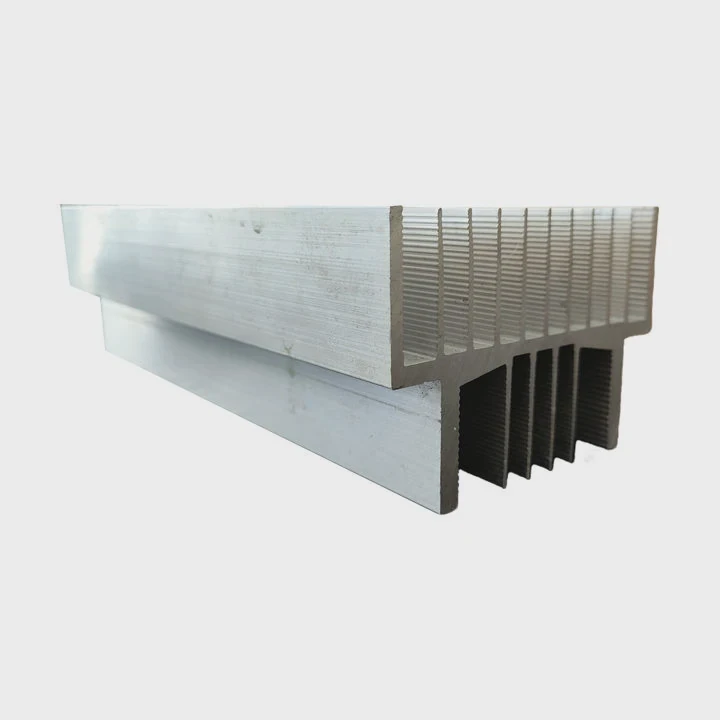
When I first started working on power stages, I learned that MOSFETs within the same phase can heat differently. I want to show you how I find these hot zones.
How MOSFETs heat in real use
MOSFETs switch current fast. When load increases, switching losses rise. Some chips handle more current because of layout or voltage routing. These chips often sit near the choke or near dense traces. They run hotter. If I place a heatsink on a cool chip, nothing improves.
Common hotspot causes table
| Cause | Why It Happens | Effect |
|---|---|---|
| Uneven phase load | Poor balance | One MOSFET heats first |
| Tight layout | Limited copper area | Heat builds fast |
| Weak airflow | Blocked zone | Heat stays near chip |
| High switching rate | Heavy load | Continuous rise |
How I find hotspots
I use simple steps. I load the system with a stress test. Then I measure temperatures using a small thermal probe or an IR camera. If you do not have tools, you can touch nearby areas carefully after shutdown, but I prefer tools for safety. Hot zones stand out fast.
Why mapping matters
A heatsink must sit on the chips that heat first. Even small contact shifts reduce cooling. When I place sinks after hotspot mapping, the drop in temperature is clear.
My early lesson
Once, I placed small sinks across all phases evenly without checking hotspots. But only two phases were heating. The system still throttled at high load. After I moved the sinks to the real hotspots, the VRM temperature dropped by more than 10°C. That moment taught me to map heat before installing anything.
Which adhesives suit MOSFET sinks?
Many people believe any sticky pad works, but adhesives vary a lot.
The best adhesives for MOSFET heatsinks are thermal tapes, thin interface pads, and thermal epoxies. The right choice depends on sink weight, surface area, and long-term stability.
I want to show you how I choose adhesives so you avoid weak bonds.
Adhesive types explained
Thermal tape is easy to use. It works well for light sinks. But its bond weakens at high heat. Thermal pads offer better contact for uneven surfaces. They stay soft and help fill gaps. Thermal epoxy gives the strongest bond. It becomes permanent and holds heavy sinks well.
Adhesive comparison table
| Adhesive Type | Strength | Best For | Notes |
|---|---|---|---|
| Thermal tape | Medium | Small sinks | Easy to apply |
| Thermal pad | Medium-high | Uneven MOSFET tops | Good gap fill |
| Thermal epoxy | Very high | Heavy sinks | Permanent bond |
Why surface prep matters
I always clean the MOSFET tops before mounting. A bit of isopropyl alcohol removes oil and dust. A clean top helps the adhesive bond. Even a tiny bit of dust reduces contact area and weakens the mount.
How thickness affects cooling
A thick pad spreads heat slowly. A thin pad carries heat faster. If the MOSFETs have height differences, I use a pad to even them out. If the surface is flat, I use thin tape for better thermal flow.
My own results
One time, I used thermal tape on a heavy sink. It worked fine until summer, when case temperatures rose. The tape softened, and the sink slid sideways. After that, I switched to thermal epoxy for heavy sinks. The mount stayed solid even under high VRM load.
Can heavy sinks detach?
Some people assume a large heatsink is always better. But weight brings real risks.
A heavy heatsink can detach when adhesive strength is low, surfaces are uneven, or the case experiences vibration. Heavy sinks need strong epoxy, flat contact, and stable mounting angles.
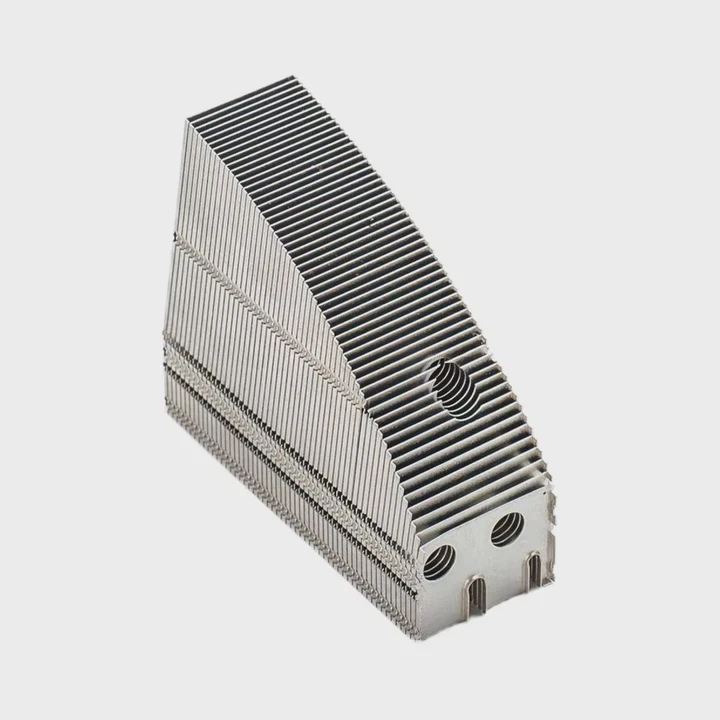
I want to explain what causes detachment so you avoid serious damage.
Why heavy sinks fall off
Heavy sinks stress the adhesive. If the system runs warm, tape softens. If the case stands upright, gravity pulls on the sink. Vibration from fans and movement adds more pressure. These forces can break weak bonds.
Detachment risk table
| Sink Weight | Adhesive Type | Detachment Risk |
|---|---|---|
| Light | Tape | Low |
| Medium | Thick pad | Medium |
| Heavy | Tape | High |
| Heavy | Epoxy | Very low |
How angle affects stability
A case that stands vertically puts weight sideways. A case that lies flat supports the sink better. When I mount heavy sinks, I always test the angle. If the PC stands upright, I choose epoxy.
Why flatness matters
A heavy sink must sit flat. If the MOSFETs form a small slope, the sink leans. This lean weakens the bond. I sometimes sand the sink base lightly to improve flatness. A flat base spreads pressure well and keeps the sink stable.
My story of a failed mount
I once used a medium-sized sink with thick tape. It stayed for weeks. But one day, I heard a small click. The sink had fallen onto the GPU. It caused no damage, but I learned a lesson. After that, I used epoxy for sinks heavier than a few grams. They never fell again.
Do VRMs benefit from airflow?
I see many people focus only on sinks and forget about airflow.
VRMs benefit greatly from airflow because moving air clears heat from the heatsink and MOSFETs. Even a small fan can drop VRM temperatures by a large amount.
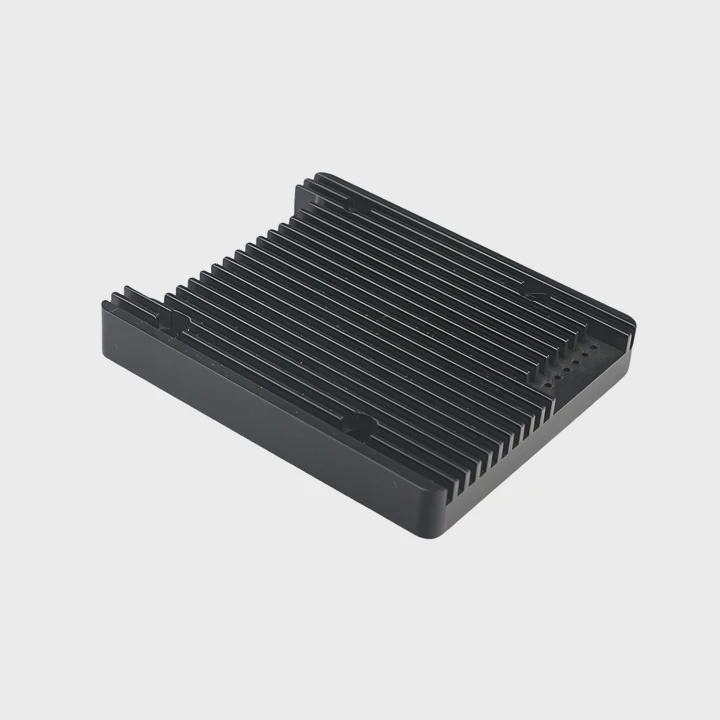
I want to show why airflow matters, even with good heatsinks.
Why airflow helps
A heatsink absorbs heat from the MOSFET. But without airflow, the sink builds heat until it reaches a steady high temperature. Air removes this heat. More airflow means lower sink temperature. Lower sink temperature means cooler MOSFETs.
Airflow performance table
| Airflow Level | VRM Temp Drop | Notes |
|---|---|---|
| Very low | Small | Sink saturates |
| Moderate | Medium | Good balance |
| Strong | Large | Best cooling |
| Targeted fan | Very large | Direct VRM cool |
Why VRMs heat so fast
VRMs switch power for the CPU or GPU. They push high current during heavy load. This switching makes heat. Without airflow, this heat stays in the VRM zone. The area near the chokes and MOSFETs becomes a warm pocket.
How simple fans help
A small 40mm fan can improve VRM cooling a lot. Even lowering RPM helps. Air does not need to move fast; it just needs to move steadily. I often mount a small fan near the VRM zone when testing. I see temperature drops between 8°C and 20°C depending on load.
My real-world test
I once used a board with weak VRM sinks. At high CPU load, the VRM hit 95°C. I added a small fan angled at the VRM zone. The temperature dropped to the mid-70s. This simple change gave the VRM more stability.
Conclusion
You install MOSFET heatsinks by mapping hotspots, choosing the right adhesive, watching sink weight, and adding airflow. A careful mount keeps MOSFETs cool, stable, and ready for heavy load.
TAGS
Latest Articles

Volume discount levels for heat sink orders?
Buyers often ask when heat sink prices start to drop with volume. Many worry they’re overpaying for small orders. This guide explains how B2B volume pricing works for thermal components. Heat sink
21 Dec,2025
Heat sink long-term supply contract options?
Many buyers want stable pricing and reliable delivery for heat sinks. But without a clear contract, risks grow over time. This article explores how to secure better long-term supply deals. Long-term
21 Dec,2025
Tooling cost for new heat sink profiles?
Many engineers struggle to understand why tooling for custom heat sinks costs so much. They worry about budgeting and production timelines. This article breaks down the cost drivers behind tooling.
21 Dec,2025
Heat sink custom sample process steps?
Sometimes, starting a custom heat sink project feels overwhelming—too many steps, too many unknowns, and too many risks. You want a sample, but not endless delays. The process for requesting and
20 Dec,2025
Standard B2B terms for heat sink payments?
When buyers and sellers in B2B heat sink markets talk about payment, many don’t fully understand what’s standard. This can lead to delayed orders, miscommunication, and even lost business
20 Dec,2025
Heat sink pricing factors for large orders?
Heat sinks are vital for many systems. When prices rise, projects stall and budgets break. This problem can hit teams hard without warning. Large order heat sink pricing depends on many factors. You
20 Dec,2025Related Articles
- how to take heatsink of 3070 ti strix?
- how much does intel stock heatsink cost?
- Do you need a heatsink for M.2 SSD?
- can extruded aluminum be a heatsink?
- what is a heatsink chipset?
- how to mount a 212 evo heatsink?
- how to add heatsink to raspberry pi 3?
- How to clean a processor CPU heatsink?
- how to clean ps4 fan and heatsink?
- how to remove ram heatsink without heat gun?
- how to remove thermal compound from heatsink?
- Does Ryzen come with heatsink and compound?
Author
Dr. Emily Chen
Chief AI Researcher
Leading expert in thermal dynamics and AI optimization with over 15 years of experience in data center efficiency research.
Categories
Latest Products
M.2 Heatpipe Heatsink With Dual Fans For Pc Case
19 Mar,2026
Heavy-Duty Aluminum Heat Sink Custom
19 Mar,2026
Oem Skived Fin Heatsink Aluminum Radiator For Plants
19 Mar,2026
Water Cooled Cnc Aluminum Heat Sink For Medical
19 Mar,2026
High Density 6000 Series Aluminum Heat Sink Profile
19 Mar,2026
High-Density Extruded Aluminum & Bonded-Fin Heat Sink Profile
19 Mar,2026
Recommend Categories
- Liquid cooling plate Manufacturer
- Industrial Heat Sink Manufacturer
- Standard Heat Sink Manufacturer
- Aluminum Heat Sink Manufacturer
- Copper Heat Sink Manufacturer
- Anodized Heatsink Manufacturer
- Stamping heat sink Manufacturer
- Die Casting Heatsink Manufacturer
- Soldering heat sink Manufacturer
- CNC Parts Manufacturer
Latest Products
- M.2 Heatpipe Heatsink With Dual Fans For Pc Case
- Heavy-Duty Aluminum Heat Sink Custom
- Oem Skived Fin Heatsink Aluminum Radiator For Plants
- Water Cooled Cnc Aluminum Heat Sink For Medical
- High Density 6000 Series Aluminum Heat Sink Profile
- High-Density Extruded Aluminum & Bonded-Fin Heat Sink Profile
- Dongguan Cnc Aluminum Heat Sink For Led & Brass Parts
- Wholesale Cnc Aluminum Heat Sink - Custom Extruded
- Led Cnc Round Heat Sink With Screw Holes
- Copper Pin-Fin Heat-Sink Large-Area For Photoled Cooling
- Telecom Heatsink Zipper Fin Wcopper Tubes Oem
Contact Expert
Have questions about this article? Reach out to our experts directly.