How to polish heatsink?
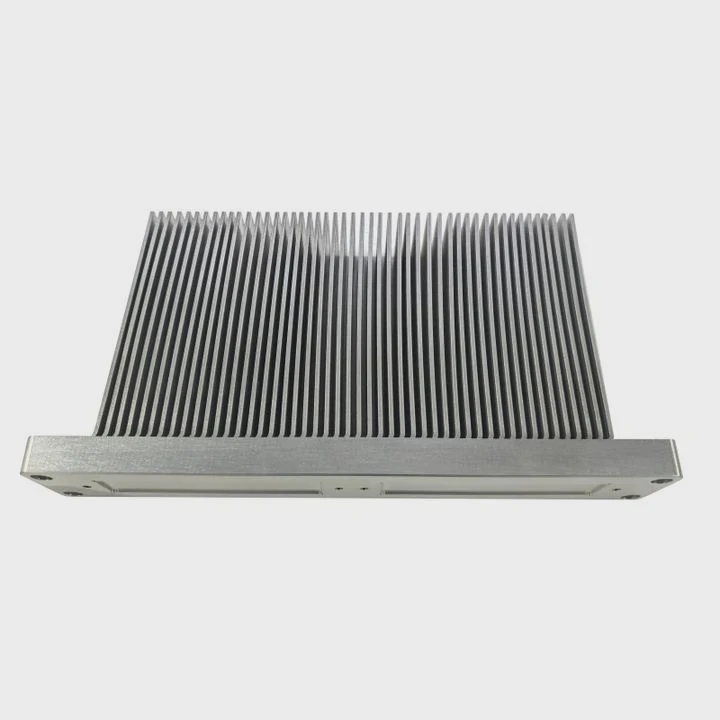
Many people clean their heatsinks, but few go further to polish them. Polishing can lower CPU temps — but only when done right.
To polish a heatsink, gradually sand its base with fine grits on a flat surface, improving contact with the CPU. But it must stay level to avoid thermal problems.
The goal isn’t to make it shiny — it’s to make it flat and smooth. Let’s look at how and why it matters.
Why smooth bases improve contact?
You might not see them, but both your CPU and heatsink have microscopic gaps. Those gaps hurt performance.
A smoother heatsink base improves thermal contact by reducing the gaps between the CPU and the cooler, leading to better heat transfer.
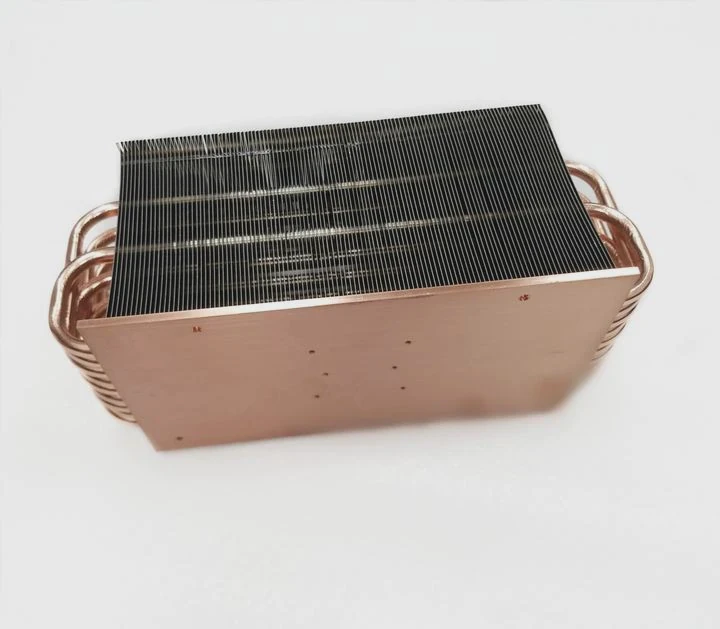
The physics of better contact
When two metal surfaces meet, only the high points actually touch. The rest relies on thermal paste to fill in. The smoother the base, the more metal-to-metal contact there is. That means faster heat flow from CPU to cooler.
Why polishing helps
Polishing a heatsink removes surface imperfections. A mirror-like base may not always be necessary, but minimizing surface scratches and machining grooves helps more heat escape.
Before vs After Contact Efficiency
| Surface Type | Contact Quality | Thermal Efficiency |
|---|---|---|
| Rough Machined Base | Low | Poor |
| Lightly Polished | Medium | Decent |
| Fully Lapped & Flat | High | Excellent |
Does thermal paste solve this?
Thermal paste helps, but it’s not perfect. It conducts heat worse than metal. The less paste needed, the better. Smoother bases require thinner paste layers, which improves cooling.
Which grits suit lapping?
If polishing goes wrong, it won’t help at all. Choosing the right sandpaper grits is key to safe and effective polishing.
Use a grit sequence that starts coarse (e.g. 400 grit) and gradually steps to fine (e.g. 2000 or 3000 grit), always keeping the base flat on a hard surface.
Common grit stages for heatsink polishing
| Grit Level | Purpose |
|---|---|
| 400 | Removes major machining marks |
| 600 | Smooths deeper scratches |
| 800 | Starts polishing surface |
| 1000 | Improves reflectivity |
| 1500 | Nearly mirror finish |
| 2000+ | Ultra-fine finishing |
Lapping setup tips
- Tape sandpaper to a thick glass or marble slab (ensures flatness)
- Use figure-8 motion to keep even sanding
- Clean surface between each grit stage
- Apply minimal pressure to avoid tilting
Material matters
Copper bases polish differently from aluminum. Copper is softer and easier to shine, but more prone to uneven wear. Use lighter pressure and extra care to maintain a flat finish.
Can over-polish warp surfaces?
Shiny isn’t always better. If you go too far or apply too much force, you can cause permanent damage.
Yes, over-polishing can warp or unevenly round the heatsink base, which reduces contact quality and makes cooling worse.
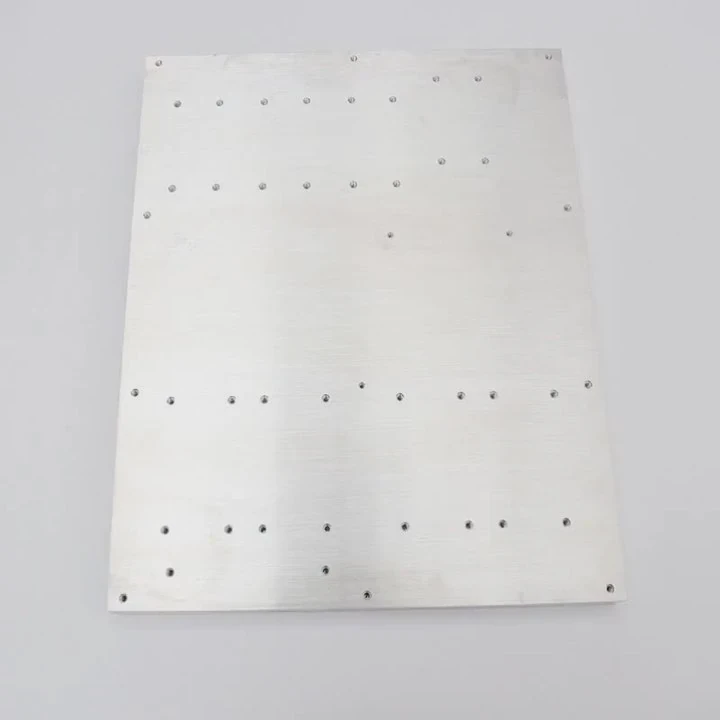
How warping happens
Polishing by hand with too much pressure or on a soft surface can tilt the base slightly. Even a small curve (convex or concave) ruins the contact with the CPU’s flat lid.
Warning signs of over-polishing
- Base looks shiny but has uneven edges
- Polished one side more than the other
- Cooling performance gets worse, not better
- CPU temps are higher after lapping
How to avoid damage
| Tip | Why it Helps |
|---|---|
| Use a solid flat surface | Maintains level polishing |
| Keep motion symmetrical | Prevents uneven wear |
| Rotate heatsink often | Spreads sanding evenly |
| Stop at fine grit, not metal buffing | Prevents over-thinning |
Polishing should remove imperfections, not layers of metal. You’re refining the surface, not reshaping it.
Should finish stay flat?
Shine often steals attention. But for performance, flatness beats reflectivity every time.
Yes, keeping the heatsink base flat is more important than making it shiny, because flat surfaces ensure full contact with the CPU.
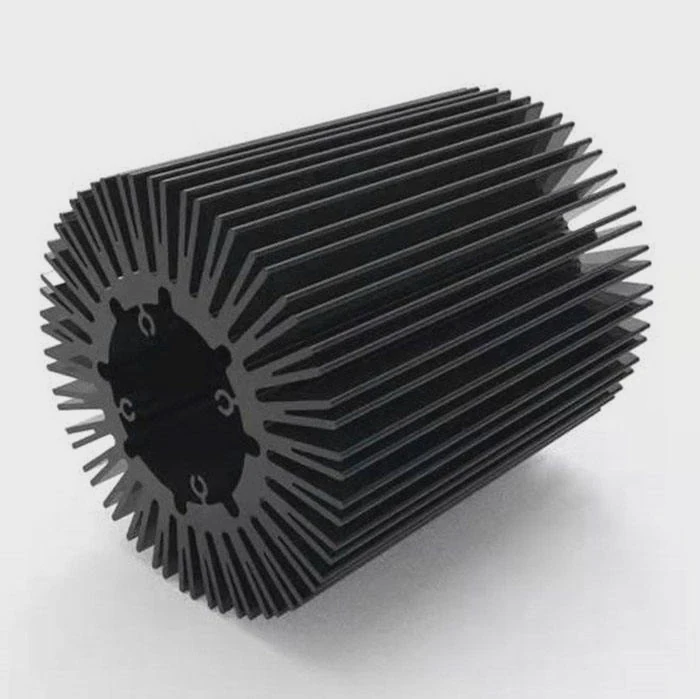
Flat vs Shiny: What’s better?
Let’s compare:
| Feature | Impact on Cooling |
|---|---|
| Flat but matte | High |
| Shiny but curved | Low |
| Flat and polished | Best |
How to test flatness
Use a razor blade or straight edge:
- Hold it against the base from multiple angles
- Look for gaps under the blade
- Even tiny curves reduce efficiency
Final polish or not?
You can stop at 1500 or 2000 grit. A visible shine helps, but don’t chase a mirror finish if it means curving the surface. In fact, too much shine sometimes comes from buffing pads that round the base — which defeats the purpose.
Polishing should be about thermal performance, not vanity. A flat, lightly polished surface usually performs better than a mirror-polished, warped one.
Conclusion
Polishing a heatsink improves cooling only if done with the right grits and careful technique. The goal is flat, smooth contact — not just a shiny finish.
TAGS
Latest Articles

Volume discount levels for heat sink orders?
Buyers often ask when heat sink prices start to drop with volume. Many worry they’re overpaying for small orders. This guide explains how B2B volume pricing works for thermal components. Heat sink
21 Dec,2025
Heat sink long-term supply contract options?
Many buyers want stable pricing and reliable delivery for heat sinks. But without a clear contract, risks grow over time. This article explores how to secure better long-term supply deals. Long-term
21 Dec,2025
Tooling cost for new heat sink profiles?
Many engineers struggle to understand why tooling for custom heat sinks costs so much. They worry about budgeting and production timelines. This article breaks down the cost drivers behind tooling.
21 Dec,2025
Heat sink custom sample process steps?
Sometimes, starting a custom heat sink project feels overwhelming—too many steps, too many unknowns, and too many risks. You want a sample, but not endless delays. The process for requesting and
20 Dec,2025
Standard B2B terms for heat sink payments?
When buyers and sellers in B2B heat sink markets talk about payment, many don’t fully understand what’s standard. This can lead to delayed orders, miscommunication, and even lost business
20 Dec,2025
Heat sink pricing factors for large orders?
Heat sinks are vital for many systems. When prices rise, projects stall and budgets break. This problem can hit teams hard without warning. Large order heat sink pricing depends on many factors. You
20 Dec,2025Related Articles
- Are all GTX 1080 heatsinks the same?
- What is heatsink pad?
- What is a CPU fan and heatsink?
- What is the best heatsink compound available?
- Is the stock i7 heatsink good?
- how to install heatsink on xbox 360 hana ana chips?
- How to mount LED to heatsink?
- What is a computer fan and heatsink?
- Can heatsinks support multiple socket types?
- How to remove an Intel i3 heatsink?
- What metal is used in GPU heatsinks?
- Is Vapor Chamber suitable for high altitude use?
Author
Dr. Emily Chen
Chief AI Researcher
Leading expert in thermal dynamics and AI optimization with over 15 years of experience in data center efficiency research.
Categories
Latest Products
M.2 Heatpipe Heatsink With Dual Fans For Pc Case
19 Mar,2026
Heavy-Duty Aluminum Heat Sink Custom
19 Mar,2026
Oem Skived Fin Heatsink Aluminum Radiator For Plants
19 Mar,2026
Water Cooled Cnc Aluminum Heat Sink For Medical
19 Mar,2026
High Density 6000 Series Aluminum Heat Sink Profile
19 Mar,2026
High-Density Extruded Aluminum & Bonded-Fin Heat Sink Profile
19 Mar,2026
Recommend Categories
- Liquid cooling plate Manufacturer
- Industrial Heat Sink Manufacturer
- Standard Heat Sink Manufacturer
- Aluminum Heat Sink Manufacturer
- Copper Heat Sink Manufacturer
- Anodized Heatsink Manufacturer
- Stamping heat sink Manufacturer
- Die Casting Heatsink Manufacturer
- Soldering heat sink Manufacturer
- CNC Parts Manufacturer
Latest Products
- M.2 Heatpipe Heatsink With Dual Fans For Pc Case
- Heavy-Duty Aluminum Heat Sink Custom
- Oem Skived Fin Heatsink Aluminum Radiator For Plants
- Water Cooled Cnc Aluminum Heat Sink For Medical
- High Density 6000 Series Aluminum Heat Sink Profile
- High-Density Extruded Aluminum & Bonded-Fin Heat Sink Profile
- Dongguan Cnc Aluminum Heat Sink For Led & Brass Parts
- Wholesale Cnc Aluminum Heat Sink - Custom Extruded
- Led Cnc Round Heat Sink With Screw Holes
- Copper Pin-Fin Heat-Sink Large-Area For Photoled Cooling
- Telecom Heatsink Zipper Fin Wcopper Tubes Oem
Contact Expert
Have questions about this article? Reach out to our experts directly.