What is heatsink pad?
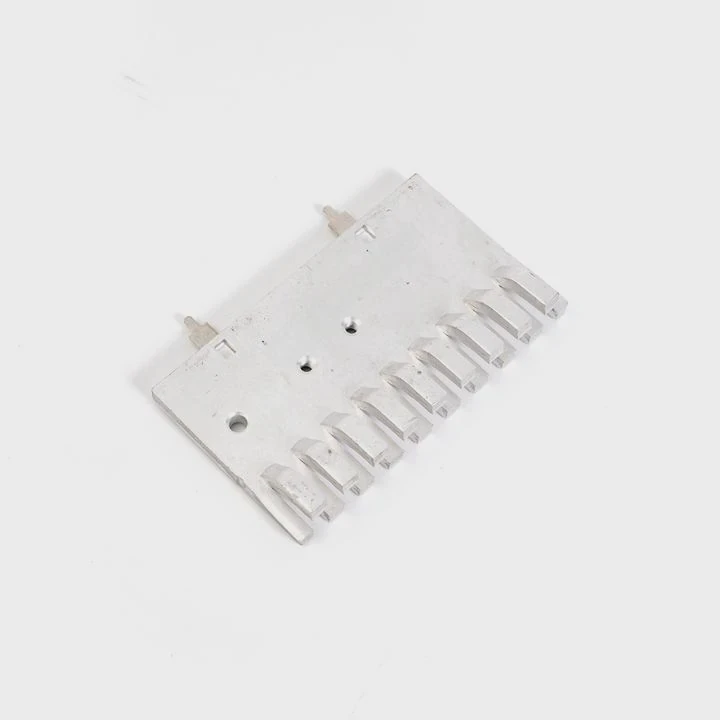
When building or repairing a computer, you might spot a blue, gray, or pink strip between the chip and the heatsink. That’s a thermal pad—often overlooked but critical.
A heatsink pad is a soft, thermally conductive material that sits between a heat source and a heatsink to improve thermal transfer by filling microscopic gaps.
It might look like just a piece of rubber, but it solves a major problem—how to move heat efficiently from one surface to another. Let’s explore why thermal pads matter, how they work, and when to use them.
Why pads aid heat transfer?
Every solid surface has microscopic gaps, even if it feels smooth. These gaps trap air—and air is a terrible conductor of heat.
Thermal pads help transfer heat by replacing the insulating air gaps between a heatsink and a component with a material that conducts heat much better.
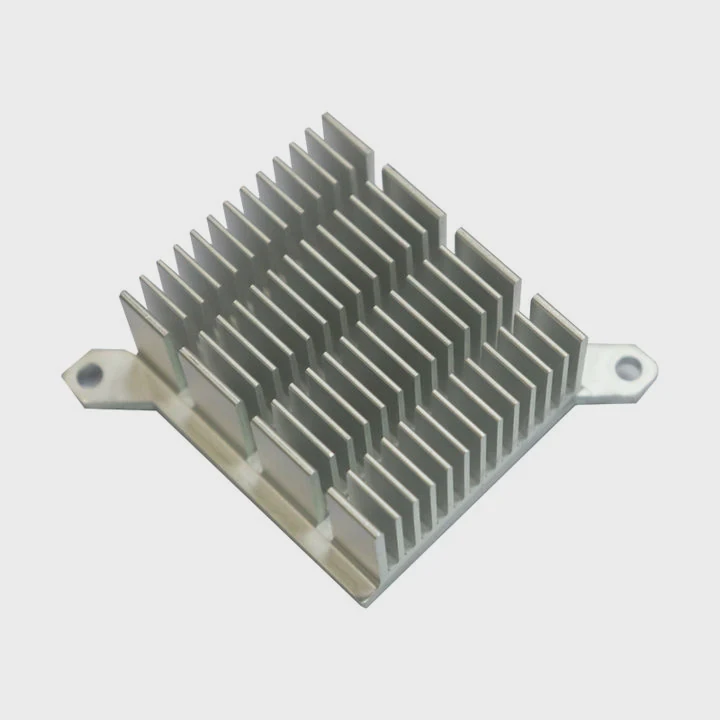
Why air is the enemy of cooling
Air’s thermal conductivity is just 0.025 W/m·K. Compare that to a thermal pad that can go up to 12 W/m·K. Without a pad or paste, heat would have to move through tiny air pockets before reaching the heatsink.
This drastically slows down heat transfer.
Here’s a comparison:
| Material | Thermal Conductivity (W/m·K) |
|---|---|
| Air | 0.025 |
| Standard pad | 3–6 |
| Premium pad | 8–12 |
| Thermal paste | 4–12 |
| Copper | 385 |
Pads vs. mechanical contact
You might think that tight pressure solves this problem. But metal-to-metal contact still leaves invisible gaps. Pads compress slightly, filling all those tiny voids and ensuring full surface contact.
They’re especially helpful when dealing with uneven surfaces—like VRMs, RAM chips, or GPU modules—where exact flatness isn’t guaranteed.
Which thicknesses work best?
Thermal pads come in many thicknesses—from ultra-thin 0.2mm to thick 3mm slabs. Choosing the right one isn’t random.
The best thermal pad thickness depends on the gap between components—too thin won’t fill the space, too thick increases thermal resistance.
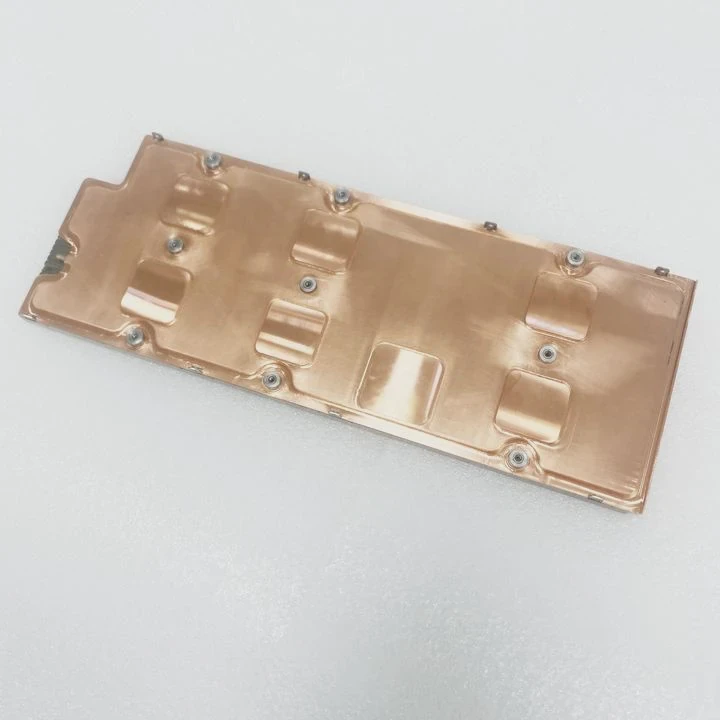
Fit the gap—not too loose, not too tight
Pad thickness should match the space between the chip and heatsink. If the pad is too thin, there will be air gaps. If it’s too thick, it won’t compress properly and may prevent contact.
Here’s a quick guide:
| Gap Size | Pad Thickness Suggestion |
|---|---|
| ≤ 0.2mm | 0.2mm–0.3mm pad |
| ~0.5mm | 0.5mm–1mm pad |
| ~1mm | 1mm–1.5mm pad |
| 1.5–2mm | 2mm pad |
Some modules, like VRAM or power delivery chips, often have varied heights. Using pads of different thicknesses ensures full contact without bending the heatsink.
Test compression if unsure
A good trick: place the pad, close the heatsink gently, then reopen it. If the pad has even pressure marks, it’s the right thickness. If untouched in places, it’s too thin. If squished out the sides, it’s too thick.
Can pads replace paste?
Pads and paste seem similar—they both go between hot parts and heatsinks. But they aren’t interchangeable in every case.
Yes, thermal pads can replace paste in many applications, especially where gaps are large or pressure is uneven—but for CPUs and GPUs, paste is still better.
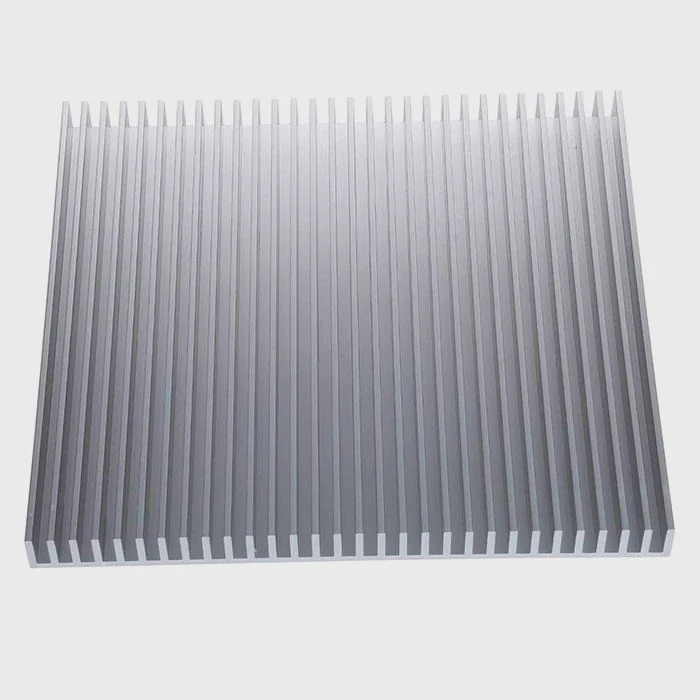
Use cases for pads
Pads are ideal for:
- VRMs
- RAM modules
- SSD controllers
- Chipsets
- Power transistors
In these areas, paste is impractical because it can’t span large gaps or apply evenly on small or odd-shaped chips.
Pads also don’t dry out as fast and are easier to apply in assembly lines. That’s why OEMs use them heavily.
Where paste is still better
CPUs and GPUs have large, flat IHS (integrated heat spreaders). These are ideal for paste, which can create an ultra-thin thermal interface. This reduces resistance and improves performance.
So while pads can replace paste in some areas, they’re not ideal for high-performance processors where thermal performance is critical.
Do soft pads reduce pressure?
Thermal pads vary not just in thickness and conductivity, but also in softness. Some feel rubbery, others feel stiff. This softness plays a role in contact and pressure.
Yes, soft thermal pads reduce mounting pressure by compressing more easily, allowing full contact without stressing components or bending PCBs.
Why softness matters
In tight spaces—like between VRAM and a GPU cooler—a hard pad might prevent full contact or even damage the chip. A soft pad fills gaps with less force, helping to balance thermal transfer and mechanical stress.
Let’s look at the types:
| Pad Type | Compression (%) | Softness Level | Use Case |
|---|---|---|---|
| Soft silicone pad | 30–50% | High | Uneven surfaces, sensitive chips |
| Standard pad | 10–25% | Medium | General VRMs, SSDs |
| Graphite pad | <10% | Low | Flat CPUs, long-term durability |
Pressure vs. performance
Some high-performance pads are stiffer and conduct heat better, but need more pressure. Soft pads are easier to install and protect fragile parts, but might not reach peak thermal efficiency.
It’s a trade-off. In systems where component safety matters more than absolute thermal performance—like in laptops or compact industrial systems—soft pads are preferred.
Conclusion
A heatsink pad fills the air gaps that slow down heat transfer. Choosing the right type, thickness, and softness ensures components stay cool and safe. Pads don’t just help—they often make cooling possible.
TAGS
Latest Articles

Volume discount levels for heat sink orders?
Buyers often ask when heat sink prices start to drop with volume. Many worry they’re overpaying for small orders. This guide explains how B2B volume pricing works for thermal components. Heat sink
21 Dec,2025
Heat sink long-term supply contract options?
Many buyers want stable pricing and reliable delivery for heat sinks. But without a clear contract, risks grow over time. This article explores how to secure better long-term supply deals. Long-term
21 Dec,2025
Tooling cost for new heat sink profiles?
Many engineers struggle to understand why tooling for custom heat sinks costs so much. They worry about budgeting and production timelines. This article breaks down the cost drivers behind tooling.
21 Dec,2025
Heat sink custom sample process steps?
Sometimes, starting a custom heat sink project feels overwhelming—too many steps, too many unknowns, and too many risks. You want a sample, but not endless delays. The process for requesting and
20 Dec,2025
Standard B2B terms for heat sink payments?
When buyers and sellers in B2B heat sink markets talk about payment, many don’t fully understand what’s standard. This can lead to delayed orders, miscommunication, and even lost business
20 Dec,2025
Heat sink pricing factors for large orders?
Heat sinks are vital for many systems. When prices rise, projects stall and budgets break. This problem can hit teams hard without warning. Large order heat sink pricing depends on many factors. You
20 Dec,2025Related Articles
- What is a CPU fan and heatsink?
- What is the best heatsink compound available?
- Is the stock i7 heatsink good?
- how to install heatsink on xbox 360 hana ana chips?
- Are stock GPU heatsinks suitable?
- Does air blow through heatsink?
- Are all GTX 1080 heatsinks the same?
- How to polish heatsink?
- How to mount LED to heatsink?
- What is a computer fan and heatsink?
- Can heatsinks support multiple socket types?
- How to remove an Intel i3 heatsink?
Author
Dr. Emily Chen
Chief AI Researcher
Leading expert in thermal dynamics and AI optimization with over 15 years of experience in data center efficiency research.
Categories
Latest Products
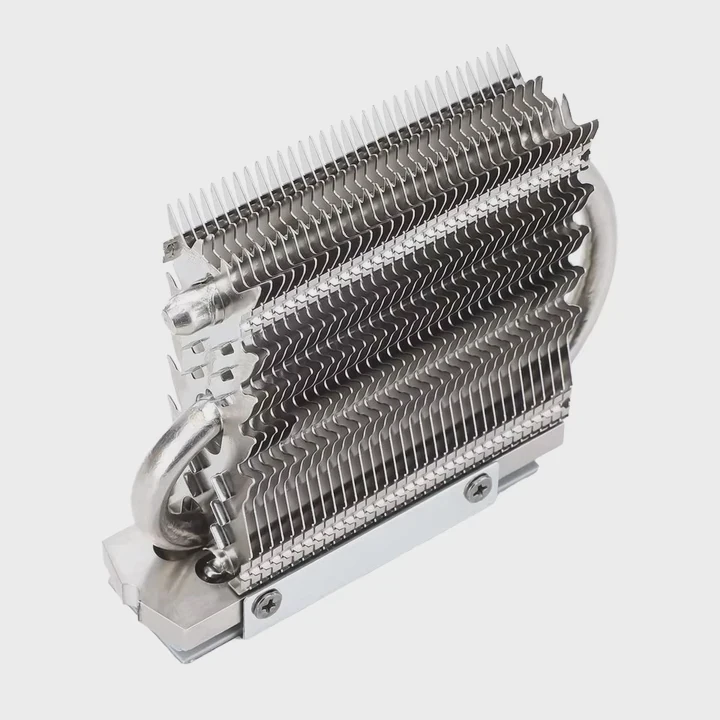
M.2 Heatpipe Heatsink With Dual Fans For Pc Case
19 Mar,2026
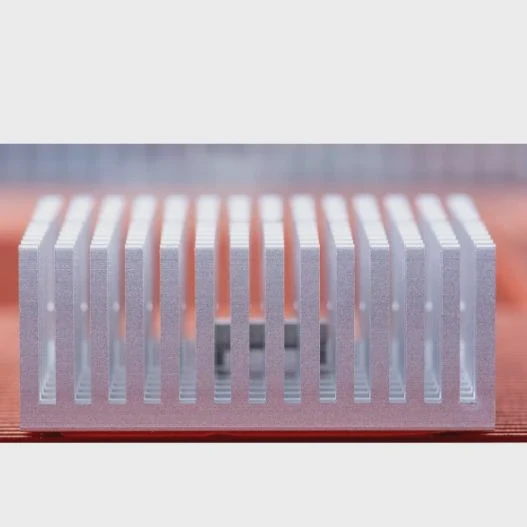
Heavy-Duty Aluminum Heat Sink Custom
19 Mar,2026
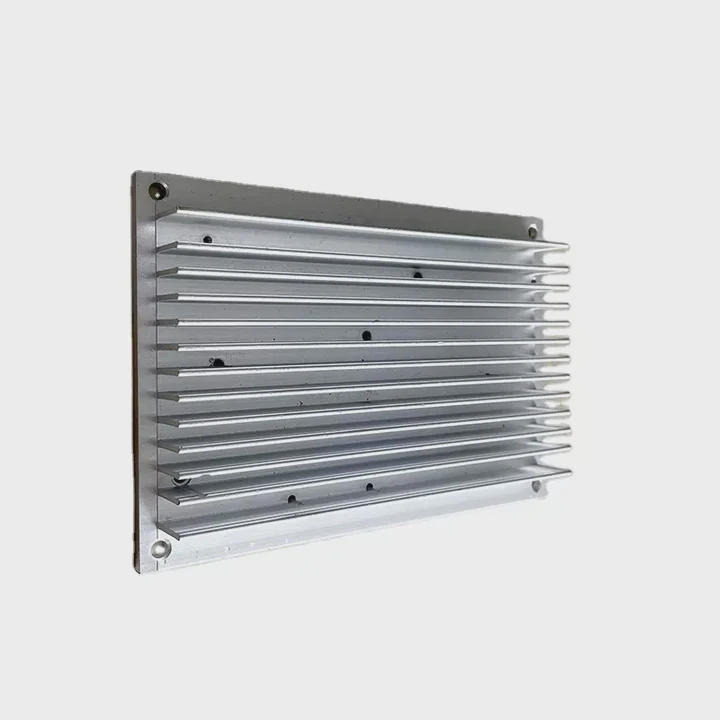
Oem Skived Fin Heatsink Aluminum Radiator For Plants
19 Mar,2026
Water Cooled Cnc Aluminum Heat Sink For Medical
19 Mar,2026
High Density 6000 Series Aluminum Heat Sink Profile
19 Mar,2026
High-Density Extruded Aluminum & Bonded-Fin Heat Sink Profile
19 Mar,2026
Recommend Categories
- Liquid cooling plate Manufacturer
- Industrial Heat Sink Manufacturer
- Standard Heat Sink Manufacturer
- Aluminum Heat Sink Manufacturer
- Copper Heat Sink Manufacturer
- Anodized Heatsink Manufacturer
- Stamping heat sink Manufacturer
- Die Casting Heatsink Manufacturer
- Soldering heat sink Manufacturer
- CNC Parts Manufacturer
Latest Products
- M.2 Heatpipe Heatsink With Dual Fans For Pc Case
- Heavy-Duty Aluminum Heat Sink Custom
- Oem Skived Fin Heatsink Aluminum Radiator For Plants
- Water Cooled Cnc Aluminum Heat Sink For Medical
- High Density 6000 Series Aluminum Heat Sink Profile
- High-Density Extruded Aluminum & Bonded-Fin Heat Sink Profile
- Dongguan Cnc Aluminum Heat Sink For Led & Brass Parts
- Wholesale Cnc Aluminum Heat Sink - Custom Extruded
- Led Cnc Round Heat Sink With Screw Holes
- Copper Pin-Fin Heat-Sink Large-Area For Photoled Cooling
- Telecom Heatsink Zipper Fin Wcopper Tubes Oem
Contact Expert
Have questions about this article? Reach out to our experts directly.