Is Vapor Chamber suitable for high altitude use?
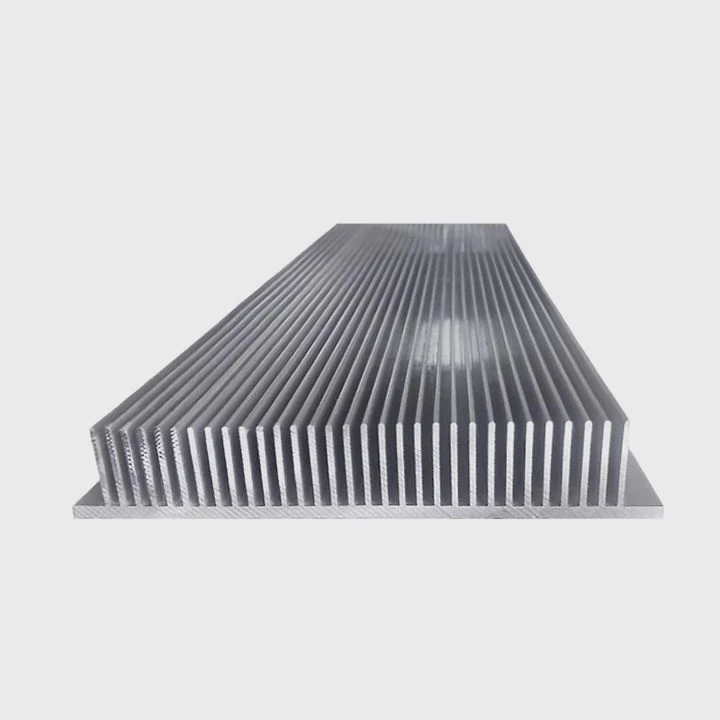
When electronics go high altitude, thermal systems often struggle — and that’s where questions about vapor chambers pop up.
Yes — a vapor chamber can be suitable for high‑altitude use — but the lower ambient pressure, reduced convection and altered boiling/condensation behaviour mean its design must account for those changes to maintain performance.
In what follows I’ll walk through how high altitude affects vapour‑chamber performance, what internal fluid behaviours change, how reduced atmospheric pressure plays a role, and why altitude testing is especially vital for aerospace applications. If you design heat‑management subsystems for aerospace, these are the things you need to know.
What performance changes occur in Vapor Chambers at high altitudes?
Picture a vapor chamber working on the ground — now move it onto a high‑altitude platform and suddenly things differ: heat‑transfer, fluid phase change, convection all shift.
At high altitudes the ambient pressure is lower, airflow may be thinner, and convective cooling is less effective — these factors can increase thermal resistance of the vapour chamber and reduce its effective heat transport capacity.
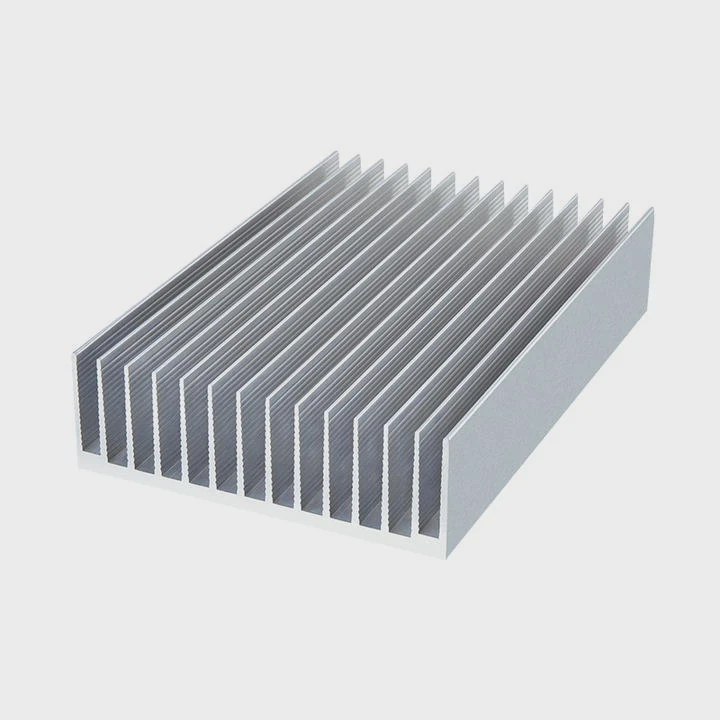
Key Performance Changes at High Altitude
Reduced Convective Cooling
Low air density reduces convective heat transfer, making external heat dissipation less efficient.
Changed Boiling/Condensation
Condensation surfaces operate at different temperatures, shifting fluid behavior.
Capillary Limit Adjustment
Wick structures may face higher resistance in returning liquid.
Higher Thermal Resistance
Combination of effects means reduced thermal capacity unless compensated.
Orientation Still Favourable
VCs are gravity-independent, which is ideal for aircraft or satellites.
Summary Table
| Parameter | Ground-Level | High Altitude |
|---|---|---|
| Convection | Efficient | Degraded |
| Boiling Point | Stable | May shift |
| Wick Return | Normal | Reduced margin |
| Heat Flux | Rated | May decrease |
| Gravity Effect | Minimal | Minimal |
Can reduced atmospheric pressure affect Vapor Chamber operation?
At altitude the ambient pressure drops — does that matter for a sealed vapour chamber? Yes — it can influence boiling point, vapour transport, external convection and even the sealed internal equilibrium.
Although the vapour chamber is sealed and carries an internal vacuum, reduced atmospheric pressure at high altitude reduces external convective cooling, shifts boiling pressure thresholds, and may alter the condensation temperature, which all affect VC performance.
How Atmospheric Pressure Influences Performance
Internal vs External Pressure
Sealed systems are not immune to environmental effects on heat rejection.
Condensation Challenges
With poor cooling outside, internal temperature balance shifts unfavorably.
Flashing Risk
If internal pressure is too low or condenser too hot, fluid behavior may destabilize.
Capillary Return Sensitivity
With higher condenser temperatures, capillary action may not meet demand.
Quick Reference Chart
| Effect | Mechanism | Result |
|---|---|---|
| Lower Ambient Pressure | Less dense air | Reduced convection |
| Higher Condenser Temp | Inefficient cooling | Elevated internal pressure |
| Capillary Challenges | Higher resistance | Risk of dry-out |
| Flashing | Low boiling point | Fluid instability |
How does altitude impact internal fluid behavior in Vapor Chambers?
Let’s dive into what happens inside the vapour chamber when altitude changes system boundaries — the working fluid boils, vapour moves, condenses, returns — altitude affects all these steps.
At high altitude the lower ambient pressure means the condenser is less effective, so the working fluid may operate at higher saturation temperature/pressure, liquid return margins may shrink, and the phase‑change cycle may degrade if not optimised.
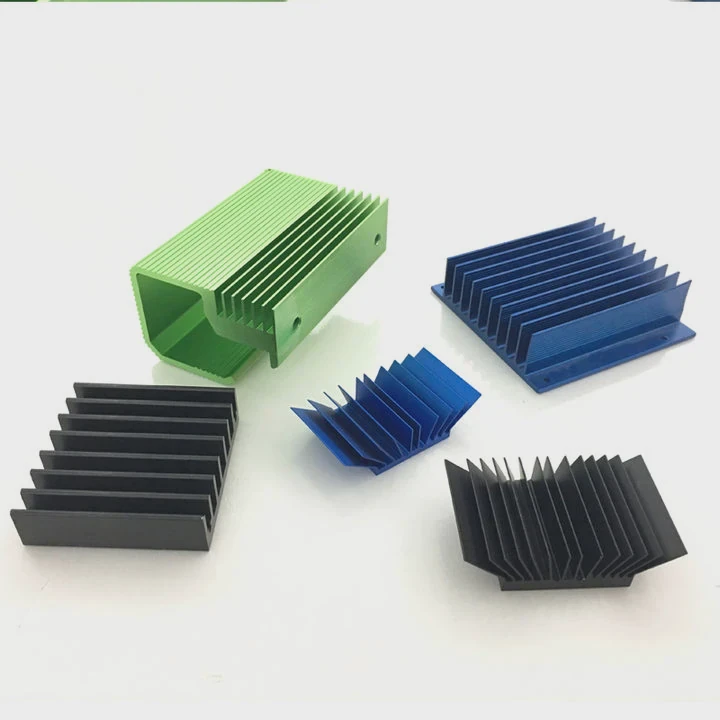
Internal Fluid Behavior Under Altitude Influence
Evaporation
Reduced condenser efficiency means evaporator must run hotter.
Vapour Transport
Smaller pressure differentials slow vapour movement.
Condensation
Inefficient condensation raises internal vapour pressure.
Liquid Return
Capillary return may be too weak, causing dry patches.
Table of Fluid Behavior
| Stage | Normal | At Altitude |
|---|---|---|
| Evaporation | Balanced | Requires more heat |
| Vapour Flow | Steady | Slower transport |
| Condensation | Controlled | Less efficient |
| Return Flow | Reliable | Less margin |
Why is altitude testing important for aerospace applications?
You might design a vapour chamber for sea‑level conditions and it works well in the lab — but that doesn’t guarantee success at 30,000 ft or in a near‑vacuum aerospace environment. That’s why altitude testing is critical.
Altitude testing ensures that components like vapour chambers perform reliably under the reduced pressure, lower‑density air, temperature extremes and other environmental stresses found at high altitude or in aerospace systems — and helps identify issues before deployment.
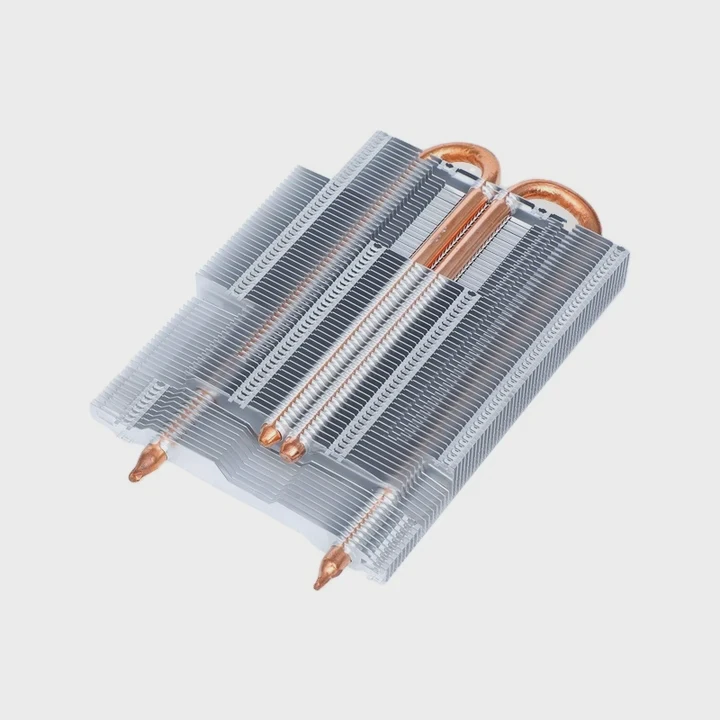
Critical Functions of Altitude Testing
Validate Environmental Compatibility
Ensure designs handle low pressure and temperature.
Reveal Weak Points
Find issues in convection, wick return, or sealing early.
Meet Aerospace Standards
Altitude simulations are required for certification.
Simulate Transient Loads
Altitude changes test VC robustness to environmental shifts.
Importance Table
| Purpose | Impact |
|---|---|
| Performance Check | Real data under real conditions |
| Certification | Compliance with industry standards |
| Design Validation | Uncover flaws before production |
| Customer Confidence | Demonstrates reliability |
Conclusion
In summary, a vapour chamber can be very suitable for high‑altitude applications — thanks to its efficient phase‑change heat spreading and less sensitivity to orientation — but you cannot treat it the same as at sea‑level. You must account for weaker external convection, shifted evaporation/condensation behaviour internally, and reduced margin for liquid return. Altitude testing is essential to validate system performance, reliability and certification for aerospace usage. When done properly, a vapour‑chamber‑based solution remains a strong option in the aerospace thermal‑management toolbox.
TAGS
Latest Articles

Volume discount levels for heat sink orders?
Buyers often ask when heat sink prices start to drop with volume. Many worry they’re overpaying for small orders. This guide explains how B2B volume pricing works for thermal components. Heat sink
21 Dec,2025
Heat sink long-term supply contract options?
Many buyers want stable pricing and reliable delivery for heat sinks. But without a clear contract, risks grow over time. This article explores how to secure better long-term supply deals. Long-term
21 Dec,2025
Tooling cost for new heat sink profiles?
Many engineers struggle to understand why tooling for custom heat sinks costs so much. They worry about budgeting and production timelines. This article breaks down the cost drivers behind tooling.
21 Dec,2025
Heat sink custom sample process steps?
Sometimes, starting a custom heat sink project feels overwhelming—too many steps, too many unknowns, and too many risks. You want a sample, but not endless delays. The process for requesting and
20 Dec,2025
Standard B2B terms for heat sink payments?
When buyers and sellers in B2B heat sink markets talk about payment, many don’t fully understand what’s standard. This can lead to delayed orders, miscommunication, and even lost business
20 Dec,2025
Heat sink pricing factors for large orders?
Heat sinks are vital for many systems. When prices rise, projects stall and budgets break. This problem can hit teams hard without warning. Large order heat sink pricing depends on many factors. You
20 Dec,2025Related Articles
- What metal is used in GPU heatsinks?
- How to remove an Intel i3 heatsink?
- Can heatsinks support multiple socket types?
- What is a computer fan and heatsink?
- How to mount LED to heatsink?
- How to polish heatsink?
- Vapor Chamber application in hazardous areas?
- Can Vapor Chamber reduce carbon footprint?
- Can Vapor Chamber lower manufacturing costs?
- Standard rejection rate for Vapor Chamber?
- Vapor Chamber manufacturing time estimation?
- Does Vapor Chamber need patent license?
Author
Dr. Emily Chen
Chief AI Researcher
Leading expert in thermal dynamics and AI optimization with over 15 years of experience in data center efficiency research.
Categories
Latest Products
M.2 Heatpipe Heatsink With Dual Fans For Pc Case
19 Mar,2026
Heavy-Duty Aluminum Heat Sink Custom
19 Mar,2026
Oem Skived Fin Heatsink Aluminum Radiator For Plants
19 Mar,2026
Water Cooled Cnc Aluminum Heat Sink For Medical
19 Mar,2026
High Density 6000 Series Aluminum Heat Sink Profile
19 Mar,2026
High-Density Extruded Aluminum & Bonded-Fin Heat Sink Profile
19 Mar,2026
Recommend Categories
- Liquid cooling plate Manufacturer
- Industrial Heat Sink Manufacturer
- Standard Heat Sink Manufacturer
- Aluminum Heat Sink Manufacturer
- Copper Heat Sink Manufacturer
- Anodized Heatsink Manufacturer
- Stamping heat sink Manufacturer
- Die Casting Heatsink Manufacturer
- Soldering heat sink Manufacturer
- CNC Parts Manufacturer
Latest Products
- M.2 Heatpipe Heatsink With Dual Fans For Pc Case
- Heavy-Duty Aluminum Heat Sink Custom
- Oem Skived Fin Heatsink Aluminum Radiator For Plants
- Water Cooled Cnc Aluminum Heat Sink For Medical
- High Density 6000 Series Aluminum Heat Sink Profile
- High-Density Extruded Aluminum & Bonded-Fin Heat Sink Profile
- Dongguan Cnc Aluminum Heat Sink For Led & Brass Parts
- Wholesale Cnc Aluminum Heat Sink - Custom Extruded
- Led Cnc Round Heat Sink With Screw Holes
- Copper Pin-Fin Heat-Sink Large-Area For Photoled Cooling
- Telecom Heatsink Zipper Fin Wcopper Tubes Oem
Contact Expert
Have questions about this article? Reach out to our experts directly.