How to remove an Intel i3 heatsink?
Removing an Intel i3 heatsink may seem simple, but many users struggle with stuck pins or old thermal paste. Done wrong, it can damage your CPU or motherboard.
To safely remove an Intel i3 heatsink, unlock all four push pins, gently twist the cooler to loosen thermal paste, and lift evenly to avoid stressing the socket.
Even if you’ve built PCs before, Intel’s stock cooler has a unique mounting method. Let’s break down each step and why it matters.
Why rotate pins to unlock?
Intel’s push-pin system is different from screw-in mounts. It’s designed for quick installation, but removal requires a specific motion.
You must rotate each pin 90 degrees counter-clockwise to unlock it. This retracts the locking legs and allows safe removal.
The Intel cooler uses a plastic pin system with a spring mechanism. Each pin has an arrow indicating the unlock direction. Turning it loosens the internal split legs that hold the heatsink in place.
How the mechanism works
Each pin has two parts:
- Center pin – pushes down the plastic legs to expand inside the motherboard hole.
- Outer ring – rotates to retract the legs and release grip.
If you skip this step or pull directly, you risk bending the motherboard PCB or damaging the socket area.
Unlock sequence
- Turn the system off and unplug power.
- Find the arrow on each pin.
- Rotate pin in arrow direction (usually counter-clockwise).
- Pull gently up to see if it loosens.
- Repeat for all 4 pins.
| Step | Action | Result |
|---|---|---|
| 1 | Rotate pin 90° left | Unlocks spring legs |
| 2 | Pull pin upward | Releases from motherboard |
| 3 | Check for movement | Confirms it’s detached |
Always rotate before pulling.
Which direction releases clips?
Direction matters when unlocking pins. Getting this wrong can make the heatsink seem stuck.
Rotate each pin counter-clockwise to release the clip, then pull upward gently. Following the printed arrow ensures correct rotation.
The top of each push pin has an arrow. That arrow shows which way to turn. Turning in the opposite direction resets the lock, not unlocks it.
Clockwise vs Counter-clockwise
| Pin Direction | Action | Effect |
|---|---|---|
| Clockwise | Lock | Expands legs in socket |
| Counter-clockwise | Unlock | Retracts legs |
Some users mistakenly turn the pins in the wrong direction or force them. That doesn’t help. It can strip the plastic or stress the board.
Visual clues
- The white center of the pin pops up when unlocked.
- If the center pin stays flush, the pin is still locked.
- Pull gently on the cooler after each unlock to check progress.
Can dried paste resist removal?
Even after unlocking pins, some heatsinks stay stuck. This is usually due to old thermal paste.
Yes, dried thermal paste can act like glue, holding the heatsink tightly to the CPU. Trying to lift it straight up can pull the CPU out of the socket.
Thermal paste fills micro gaps between the heatsink and the CPU lid. Over time, it can dry out and harden. When this happens, the heatsink won’t come off easily.
What to do instead
Don’t pull. Instead, gently twist the heatsink left and right while applying light upward pressure. This breaks the dried paste seal gradually.
Helpful techniques
- Warm the system first by running it for 2–3 minutes before shutdown. This softens the paste.
- Use a plastic spudger to apply slight lift from the sides.
- Never force upward pressure on one side only.
When it goes wrong
Pulling hard without twisting can yank the CPU from the socket. This might bend pins (for older sockets) or damage LGA contact points.
| Issue | Risk |
|---|---|
| Dried paste | Strong bond |
| Direct lifting | CPU pulled out with cooler |
| Bent motherboard | Socket or PCB damage |
Twisting evenly is safer than lifting blindly.
Should lifting be even?
Once all pins are free and paste is loosened, the final removal step still matters.
Yes, always lift the heatsink evenly to avoid bending the CPU or socket area. Uneven lifting can cause mechanical stress and damage.
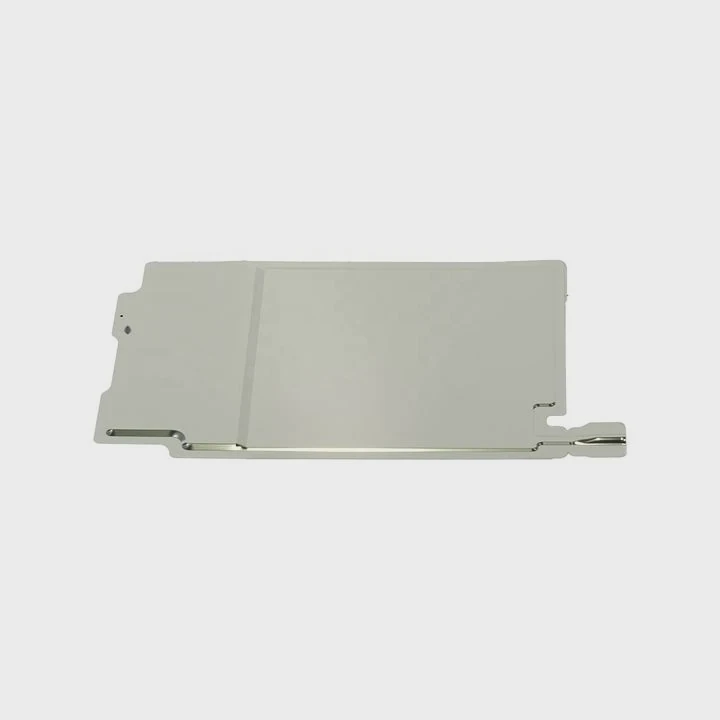
Even pressure ensures that all four corners of the heatsink come off without tilting. Tilting or forcing one edge can strain the CPU.
Proper lift technique
- Place one hand on each side of the cooler.
- Apply slight upward force while keeping it level.
- If one side is stuck, twist again slightly before retrying.
Why this matters
- Intel LGA sockets have no pins on the CPU; pins are on the board.
- Tilting can bend those board-side pins, ruining the socket.
- Replacing a damaged LGA socket usually means replacing the motherboard.
Post-removal cleanup
After removal:
- Wipe off the old paste from the CPU and heatsink using isopropyl alcohol.
- Inspect the CPU to ensure it remained in the socket.
- Check that all four pins came out cleanly and aren’t bent or damaged.
| Action | Purpose |
|---|---|
| Even lift | Prevents socket stress |
| Clean surface | Prepares for new paste |
| Check CPU status | Confirms safe removal |
Careful lifting is as important as unlocking.
Conclusion
To safely remove an Intel i3 heatsink, unlock the pins by rotating them counter-clockwise, twist the cooler to break paste bonds, and lift it evenly. Avoid force and double-check everything to prevent damage.
TAGS
Latest Articles

Volume discount levels for heat sink orders?
Buyers often ask when heat sink prices start to drop with volume. Many worry they’re overpaying for small orders. This guide explains how B2B volume pricing works for thermal components. Heat sink
21 Dec,2025
Heat sink long-term supply contract options?
Many buyers want stable pricing and reliable delivery for heat sinks. But without a clear contract, risks grow over time. This article explores how to secure better long-term supply deals. Long-term
21 Dec,2025
Tooling cost for new heat sink profiles?
Many engineers struggle to understand why tooling for custom heat sinks costs so much. They worry about budgeting and production timelines. This article breaks down the cost drivers behind tooling.
21 Dec,2025
Heat sink custom sample process steps?
Sometimes, starting a custom heat sink project feels overwhelming—too many steps, too many unknowns, and too many risks. You want a sample, but not endless delays. The process for requesting and
20 Dec,2025
Standard B2B terms for heat sink payments?
When buyers and sellers in B2B heat sink markets talk about payment, many don’t fully understand what’s standard. This can lead to delayed orders, miscommunication, and even lost business
20 Dec,2025
Heat sink pricing factors for large orders?
Heat sinks are vital for many systems. When prices rise, projects stall and budgets break. This problem can hit teams hard without warning. Large order heat sink pricing depends on many factors. You
20 Dec,2025Related Articles
- Can heatsinks support multiple socket types?
- What is a computer fan and heatsink?
- How to mount LED to heatsink?
- How to polish heatsink?
- Are all GTX 1080 heatsinks the same?
- What is heatsink pad?
- What metal is used in GPU heatsinks?
- Is Vapor Chamber suitable for high altitude use?
- Vapor Chamber application in hazardous areas?
- Can Vapor Chamber reduce carbon footprint?
- Can Vapor Chamber lower manufacturing costs?
- Standard rejection rate for Vapor Chamber?
Author
Dr. Emily Chen
Chief AI Researcher
Leading expert in thermal dynamics and AI optimization with over 15 years of experience in data center efficiency research.
Categories
Latest Products
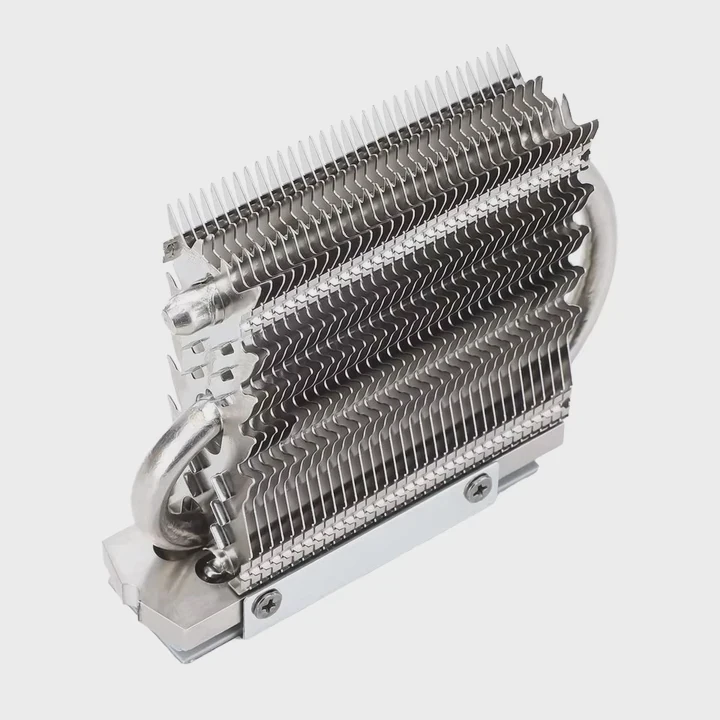
M.2 Heatpipe Heatsink With Dual Fans For Pc Case
19 Mar,2026
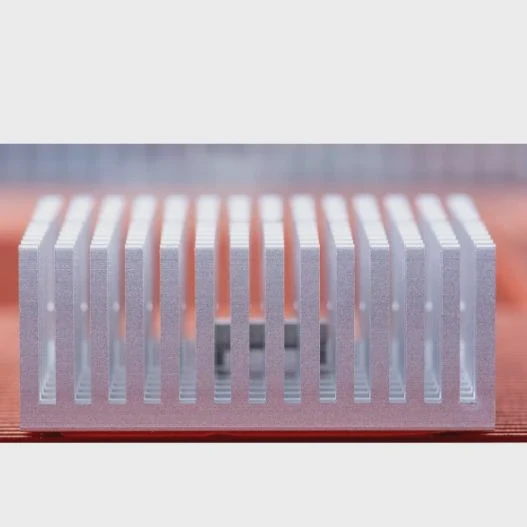
Heavy-Duty Aluminum Heat Sink Custom
19 Mar,2026
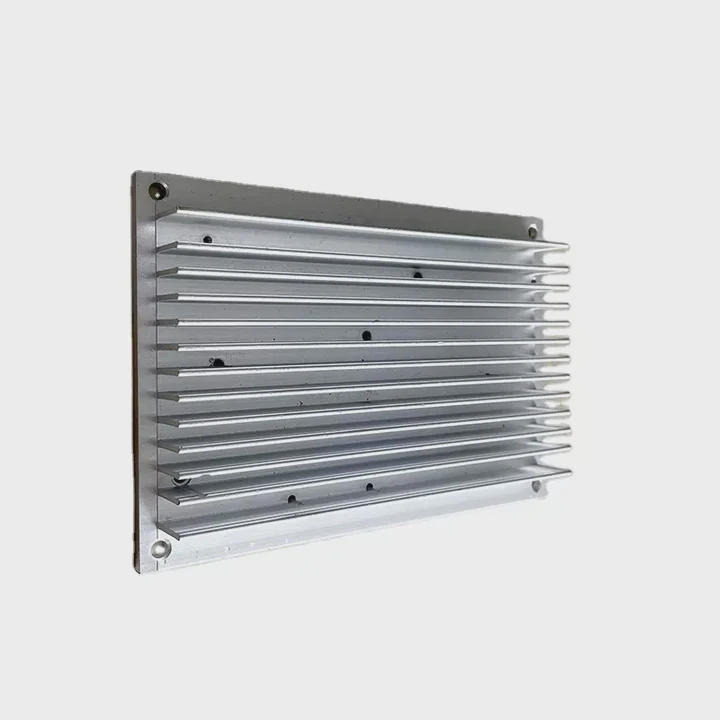
Oem Skived Fin Heatsink Aluminum Radiator For Plants
19 Mar,2026
Water Cooled Cnc Aluminum Heat Sink For Medical
19 Mar,2026
High Density 6000 Series Aluminum Heat Sink Profile
19 Mar,2026
High-Density Extruded Aluminum & Bonded-Fin Heat Sink Profile
19 Mar,2026
Recommend Categories
- Liquid cooling plate Manufacturer
- Industrial Heat Sink Manufacturer
- Standard Heat Sink Manufacturer
- Aluminum Heat Sink Manufacturer
- Copper Heat Sink Manufacturer
- Anodized Heatsink Manufacturer
- Stamping heat sink Manufacturer
- Die Casting Heatsink Manufacturer
- Soldering heat sink Manufacturer
- CNC Parts Manufacturer
Latest Products
- M.2 Heatpipe Heatsink With Dual Fans For Pc Case
- Heavy-Duty Aluminum Heat Sink Custom
- Oem Skived Fin Heatsink Aluminum Radiator For Plants
- Water Cooled Cnc Aluminum Heat Sink For Medical
- High Density 6000 Series Aluminum Heat Sink Profile
- High-Density Extruded Aluminum & Bonded-Fin Heat Sink Profile
- Dongguan Cnc Aluminum Heat Sink For Led & Brass Parts
- Wholesale Cnc Aluminum Heat Sink - Custom Extruded
- Led Cnc Round Heat Sink With Screw Holes
- Copper Pin-Fin Heat-Sink Large-Area For Photoled Cooling
- Telecom Heatsink Zipper Fin Wcopper Tubes Oem
Contact Expert
Have questions about this article? Reach out to our experts directly.