How to mount LED to heatsink?
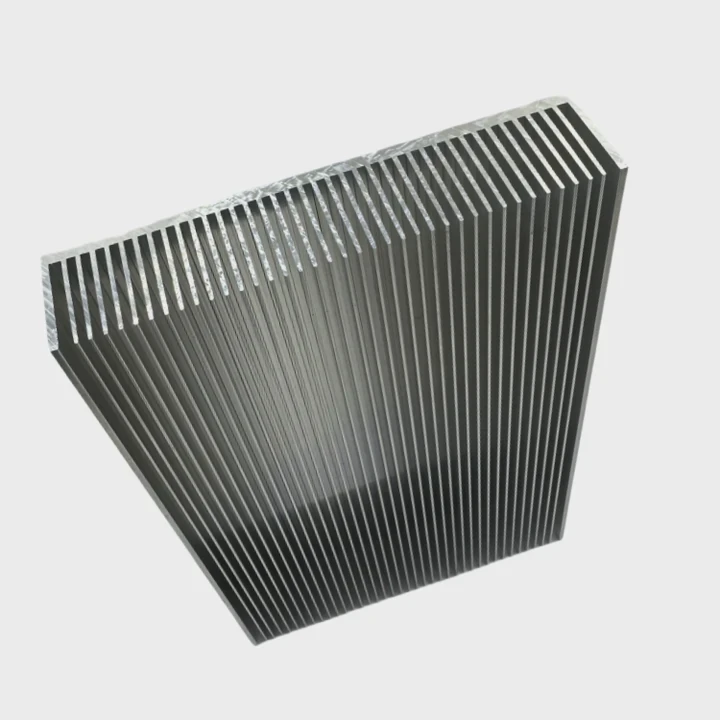
If the LED overheats, brightness drops, color shifts, and lifespan shortens. A bad thermal bond between LED and heatsink can ruin your entire lighting design.
To mount an LED to a heatsink, use thermally conductive adhesives or mechanical fasteners, ensuring full contact and no air gaps for optimal heat transfer.
Good mounting ensures long life and consistent output. Without it, even the best LED chips fail under thermal stress.
Why LEDs need proper contact?
Some assume LEDs run cool. In reality, high-power LEDs get hot fast. Heat that isn’t managed damages the chip permanently.
LEDs need proper contact with a heatsink to transfer heat away quickly. Without it, the junction temperature rises, reducing lifespan and performance.
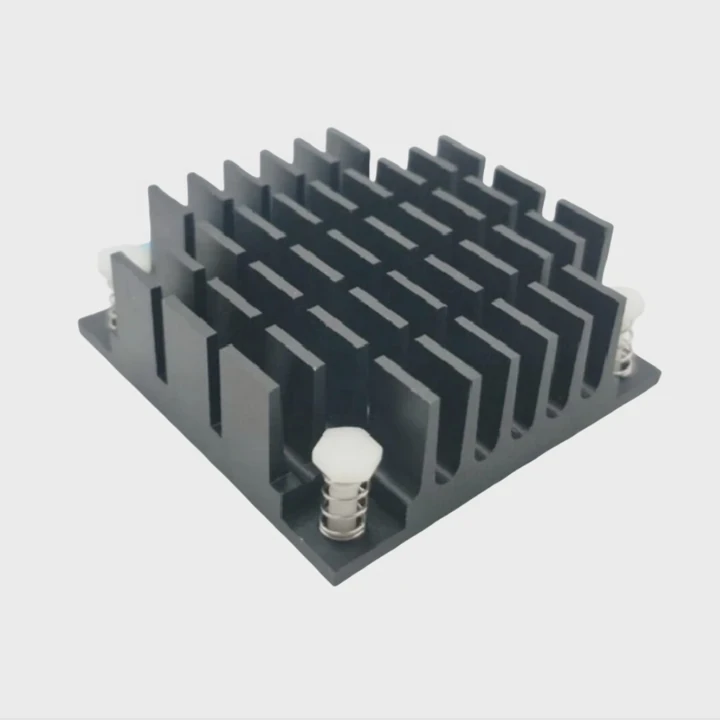
Unlike traditional bulbs, LEDs emit light from a semiconductor junction. That junction is sensitive to heat. Every degree above its limit reduces life and output.
What happens without good contact?
| Problem | Cause | Result |
|---|---|---|
| Overheating | Air gaps between LED and heatsink | Burnout or failure |
| Lumen depreciation | Inadequate heat transfer | Reduced brightness |
| Color shift | Heat changes LED spectrum | Unwanted color tones |
| Solder failure | High heat stresses joints | Flickering or open circuit |
Recommended thermal resistance
To keep the junction cool, the path from the chip to the heatsink must be short and efficient. This is often measured in °C/W (Celsius per watt). Lower is better.
- < 5°C/W = Excellent
- 5–10°C/W = Acceptable for general use
- >10°C/W = Risk of overheating in high-power LEDs
Proper mounting is the foundation of LED thermal management.
Which adhesives conduct heat?
Some try regular glue or tape, but these trap heat instead of transferring it. Choosing the right adhesive is critical for safety and performance.
Thermally conductive adhesives like epoxy or double-sided pads are designed to bond LED bases to heatsinks while allowing heat to flow through.
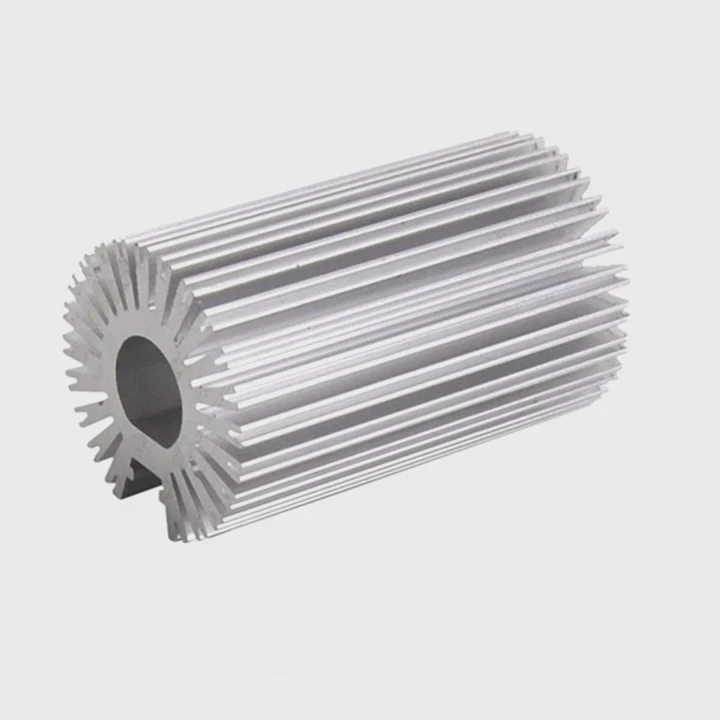
These adhesives are filled with ceramic or metallic particles that conduct heat. They must cure correctly to ensure a stable bond.
Common types of thermal adhesives
| Type | Thermal Conductivity | Cure Time | Electrical Conductivity | Use Case |
|---|---|---|---|---|
| Thermal epoxy | 1–5 W/m·K | 5–24 hours | Varies (usually non) | Permanent LED mounting |
| Thermal adhesive tape | 0.5–1.5 W/m·K | Instant | Non-conductive | Quick or temporary setups |
| Liquid metal adhesive | >10 W/m·K | Not recommended | Conductive | Dangerous for LEDs, use with care |
| Silicone-based adhesive | 0.5–2 W/m·K | 2–6 hours | Non-conductive | Flexible bond, moderate strength |
Application tips
- Clean both surfaces before applying adhesive
- Apply even, thin layer — no bubbles
- Clamp or apply pressure while curing
- Avoid using electrical conductive types near solder joints
Adhesives make sense when mounting space is tight or when vibration might loosen screws.
Can screws secure COB LEDs?
COB (chip-on-board) LEDs are popular in lighting due to high lumen density. Mounting these securely is critical due to higher thermal loads.
Yes, screws can secure COB LEDs to heatsinks, especially when paired with thermal paste or pads to ensure good contact.
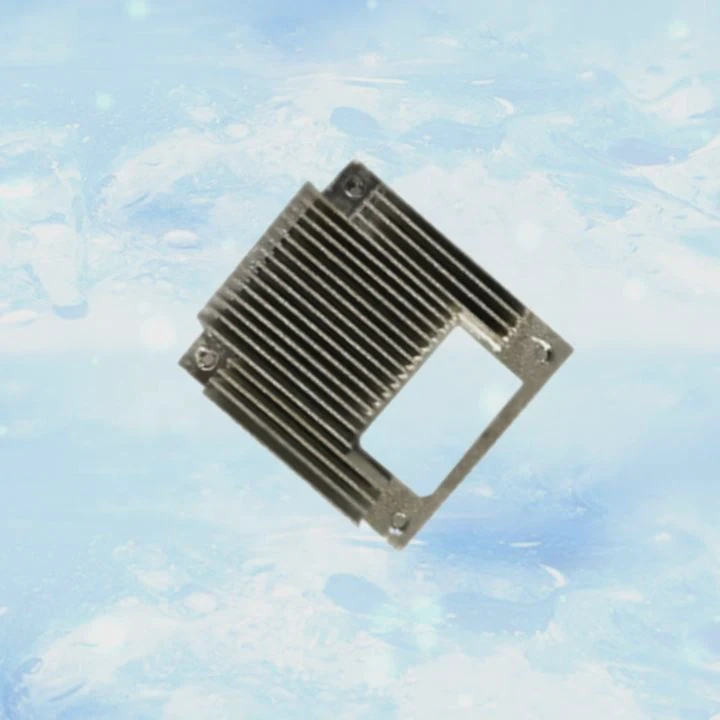
Most COB modules come with mounting holes. These allow for mechanical fastening without damaging the chip. However, screws alone aren’t enough — you still need thermal interface material between the LED and heatsink.
Advantages of screw mounting
- Reusable and adjustable
- Strong mechanical hold
- Good for high-power applications
- Compatible with pre-tapped aluminum heatsinks
Installation best practices
Step-by-step:
- Apply a thin layer of thermal paste on the LED base.
- Align LED module over heatsink holes.
- Insert screws gently, using non-conductive washers if needed.
- Tighten diagonally to apply even pressure.
Common mistakes
| Mistake | Consequence |
|---|---|
| Overtightening screws | Cracked PCB or LED failure |
| No thermal compound | Poor heat transfer |
| Uneven pressure | Air pockets, thermal spikes |
Proper mounting pressure and alignment ensure long-lasting performance and protection.
Do pads affect efficiency?
Thermal pads are often used for ease of application. But not all pads perform equally. Some can reduce heat transfer dramatically if used incorrectly.
Yes, thermal pads affect efficiency — thicker, low-quality pads increase thermal resistance and lower cooling performance.
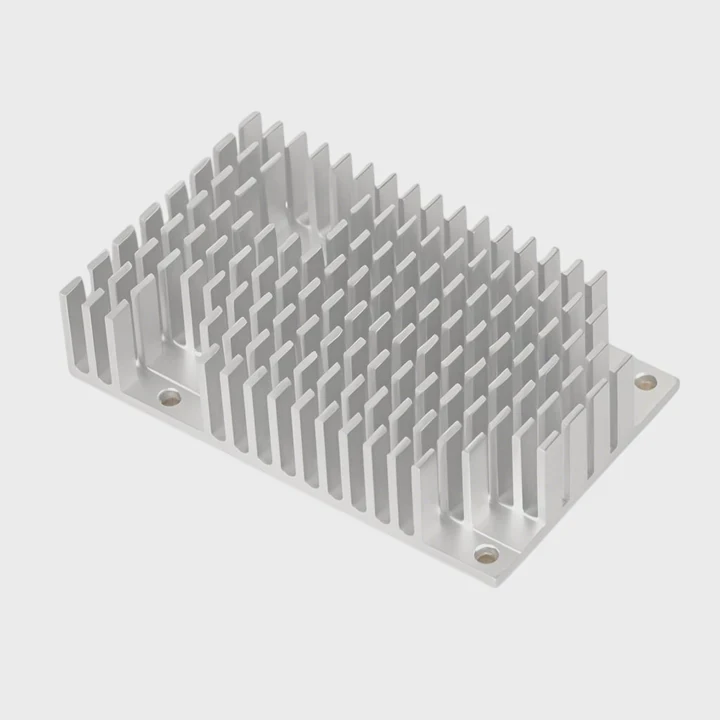
Pads work by filling surface gaps between the LED and heatsink. They are convenient but must be chosen carefully based on thermal needs.
Key pad properties to consider
| Property | Effect on Performance |
|---|---|
| Thickness (mm) | Thinner = better heat transfer |
| Hardness (shore) | Softer = better gap filling |
| Thermal conductivity | Higher = better efficiency |
| Compressibility | Helps match uneven surfaces |
Example pad comparison
| Product | Thickness | Thermal Conductivity | Suitable for COB? |
|---|---|---|---|
| Bergquist Gap Pad TGP | 1.0mm | 3.0 W/m·K | Yes |
| Arctic Thermal Pad | 1.5mm | 6.0 W/m·K | Yes |
| Generic silicone pad | 2.0mm | 1.0 W/m·K | No |
Installation tips
- Always cut pad to exact LED size
- Avoid stacking pads — it increases resistance
- Use pads only if compound or epoxy not practical
Pads are ideal for quick assembly or serviceable designs, but they should be chosen with thermal specs in mind.
Conclusion
To mount an LED to a heatsink properly, ensure full thermal contact using suitable adhesives or mechanical fasteners. Pair this with quality thermal compounds or pads to manage heat effectively. Proper mounting protects LED performance and extends life.
TAGS
Latest Articles

Volume discount levels for heat sink orders?
Buyers often ask when heat sink prices start to drop with volume. Many worry they’re overpaying for small orders. This guide explains how B2B volume pricing works for thermal components. Heat sink
21 Dec,2025
Heat sink long-term supply contract options?
Many buyers want stable pricing and reliable delivery for heat sinks. But without a clear contract, risks grow over time. This article explores how to secure better long-term supply deals. Long-term
21 Dec,2025
Tooling cost for new heat sink profiles?
Many engineers struggle to understand why tooling for custom heat sinks costs so much. They worry about budgeting and production timelines. This article breaks down the cost drivers behind tooling.
21 Dec,2025
Heat sink custom sample process steps?
Sometimes, starting a custom heat sink project feels overwhelming—too many steps, too many unknowns, and too many risks. You want a sample, but not endless delays. The process for requesting and
20 Dec,2025
Standard B2B terms for heat sink payments?
When buyers and sellers in B2B heat sink markets talk about payment, many don’t fully understand what’s standard. This can lead to delayed orders, miscommunication, and even lost business
20 Dec,2025
Heat sink pricing factors for large orders?
Heat sinks are vital for many systems. When prices rise, projects stall and budgets break. This problem can hit teams hard without warning. Large order heat sink pricing depends on many factors. You
20 Dec,2025Related Articles
- How to polish heatsink?
- Are all GTX 1080 heatsinks the same?
- What is heatsink pad?
- What is a CPU fan and heatsink?
- What is the best heatsink compound available?
- Is the stock i7 heatsink good?
- What is a computer fan and heatsink?
- Can heatsinks support multiple socket types?
- How to remove an Intel i3 heatsink?
- What metal is used in GPU heatsinks?
- Is Vapor Chamber suitable for high altitude use?
- Vapor Chamber application in hazardous areas?
Author
Dr. Emily Chen
Chief AI Researcher
Leading expert in thermal dynamics and AI optimization with over 15 years of experience in data center efficiency research.
Categories
Latest Products
M.2 Heatpipe Heatsink With Dual Fans For Pc Case
19 Mar,2026
Heavy-Duty Aluminum Heat Sink Custom
19 Mar,2026
Oem Skived Fin Heatsink Aluminum Radiator For Plants
19 Mar,2026
Water Cooled Cnc Aluminum Heat Sink For Medical
19 Mar,2026
High Density 6000 Series Aluminum Heat Sink Profile
19 Mar,2026
High-Density Extruded Aluminum & Bonded-Fin Heat Sink Profile
19 Mar,2026
Recommend Categories
- Liquid cooling plate Manufacturer
- Industrial Heat Sink Manufacturer
- Standard Heat Sink Manufacturer
- Aluminum Heat Sink Manufacturer
- Copper Heat Sink Manufacturer
- Anodized Heatsink Manufacturer
- Stamping heat sink Manufacturer
- Die Casting Heatsink Manufacturer
- Soldering heat sink Manufacturer
- CNC Parts Manufacturer
Latest Products
- M.2 Heatpipe Heatsink With Dual Fans For Pc Case
- Heavy-Duty Aluminum Heat Sink Custom
- Oem Skived Fin Heatsink Aluminum Radiator For Plants
- Water Cooled Cnc Aluminum Heat Sink For Medical
- High Density 6000 Series Aluminum Heat Sink Profile
- High-Density Extruded Aluminum & Bonded-Fin Heat Sink Profile
- Dongguan Cnc Aluminum Heat Sink For Led & Brass Parts
- Wholesale Cnc Aluminum Heat Sink - Custom Extruded
- Led Cnc Round Heat Sink With Screw Holes
- Copper Pin-Fin Heat-Sink Large-Area For Photoled Cooling
- Telecom Heatsink Zipper Fin Wcopper Tubes Oem
Contact Expert
Have questions about this article? Reach out to our experts directly.