What metal is used in GPU heatsinks?
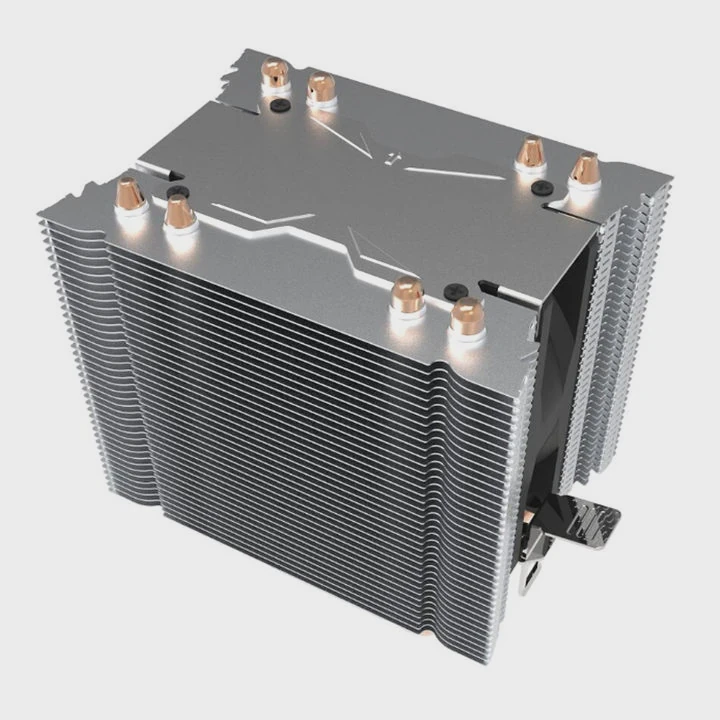
Many wonder what makes GPU heatsinks efficient at cooling powerful chips. It’s not just shape or size—it’s the metal inside that matters most.
GPU heatsinks are typically made of aluminum, copper, or a mix of both. Each metal affects heat transfer, weight, and cost differently.
Let’s break down the choices and explore how metal selection impacts GPU cooling and performance.
Why aluminum is common?
GPU heatsinks need to be light and affordable. That’s where aluminum comes in.
Aluminum is widely used in GPU heatsinks because it’s lightweight, cost-effective, and easy to manufacture into large fin structures.

Aluminum offers a good balance of thermal performance and mechanical flexibility. While it’s not the most conductive metal, its low cost and machinability make it ideal for mass production.
Key properties of aluminum
- Thermal conductivity: ~205 W/m·K (good)
- Weight: Light (2.7g/cm³)
- Cost: Low
- Formability: Excellent for extrusion or stamping
These features allow manufacturers to produce large fin arrays and detailed structures without high cost.
Benefits in GPU cooling
- Keeps the overall GPU weight low
- Easy to design with for airflow optimization
- Compatible with die-casting and CNC processing
| Property | Aluminum Value | Importance in Heatsinks |
|---|---|---|
| Conductivity | 205 W/m·K | Medium |
| Density | 2.7 g/cm³ | Low weight |
| Cost per kg | Low | Affordable |
| Corrosion | Naturally resistant | Long-term durability |
That’s why most mid-range GPU heatsinks are made entirely from aluminum.
How copper improves transfer?
Copper has one clear advantage: it moves heat faster than aluminum.
Copper is used in GPU heatsinks to boost thermal transfer near hot spots like the GPU die, thanks to its high thermal conductivity.
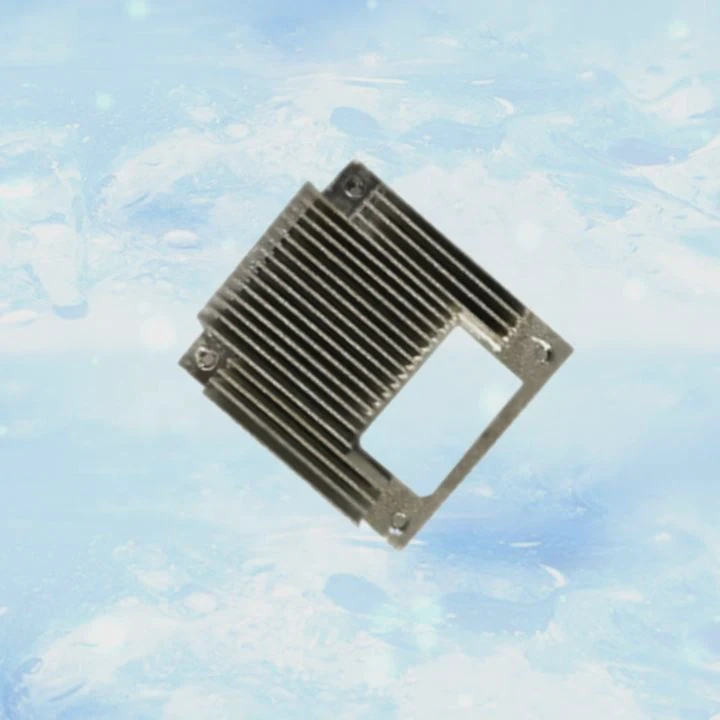
Copper conducts heat much better than aluminum—almost twice as well. This makes it ideal for areas that get extremely hot, such as directly above the GPU core.
Core benefits of copper
- Thermal conductivity: ~385 W/m·K (excellent)
- Heat spread: Fast and uniform
- Durability: High under temperature cycling
But copper is also:
- Heavy: 8.96g/cm³ (more than 3x aluminum)
- Expensive: Higher material and machining costs
- Oxidation-prone: Needs coatings to prevent tarnish
That’s why pure copper heatsinks are rare in full-size GPUs.
Common copper implementations
- Copper base plate – touches the GPU die for fast heat pickup
- Copper heatpipes – transport heat to fin arrays
- Vapor chambers – flat copper chambers used in high-end cards
| Component | Material Used | Role |
|---|---|---|
| Baseplate | Copper | Heat absorption |
| Heatpipes | Copper | Heat transport |
| Fins | Aluminum | Heat dissipation |
This combo allows efficient thermal movement with lower weight than a full copper heatsink.
Can hybrids boost cooling?
Most modern GPUs don’t rely on a single metal. Instead, they use hybrid designs.
Yes, combining copper and aluminum creates an efficient and cost-effective hybrid heatsink. Copper handles heat pickup, while aluminum dissipates it.
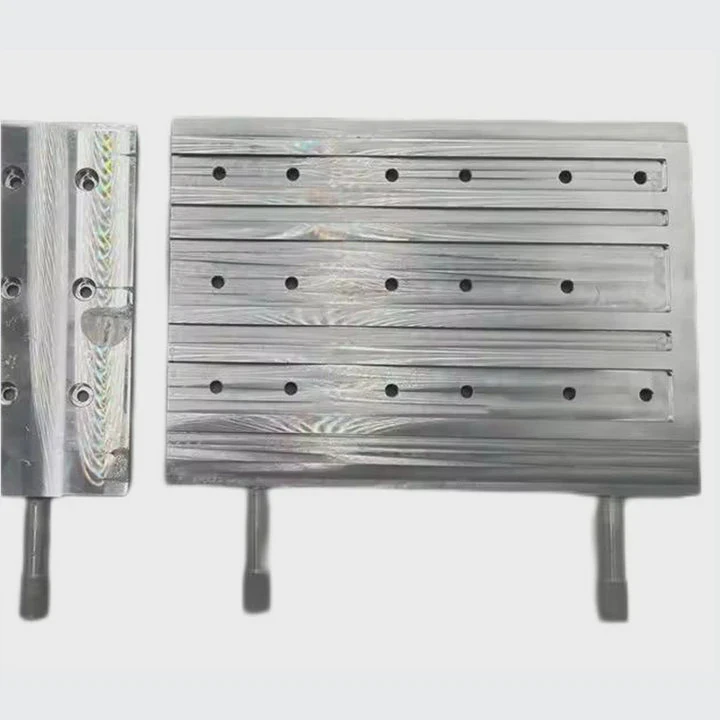
This hybrid design takes the best of both worlds: copper’s thermal transfer speed and aluminum’s lightweight form factor.
How the combo works
- Heat Source: The GPU die generates heat.
- Heat Absorption: Copper baseplate or vapor chamber absorbs it quickly.
- Heat Transfer: Heatpipes (copper) move heat away.
- Heat Dissipation: Aluminum fins release it into the air.
Why it matters
- Reduces hotspot temperatures
- Keeps overall cooler weight manageable
- Helps meet GPU TDP requirements efficiently
| Material Use | Function | Benefit |
|---|---|---|
| Copper base | Heat collection | Fast response |
| Heatpipes | Conduction pathway | Even distribution |
| Aluminum fins | Radiation & convection | Lightweight dissipation |
This is the dominant architecture in most mid-to-high-end GPUs today.
Do coatings affect performance?
Metals can oxidize or tarnish, which may reduce efficiency. That’s where coatings come in.
Yes, coatings on GPU heatsinks affect thermal performance slightly, but mostly serve to protect metals from corrosion and improve aesthetics.
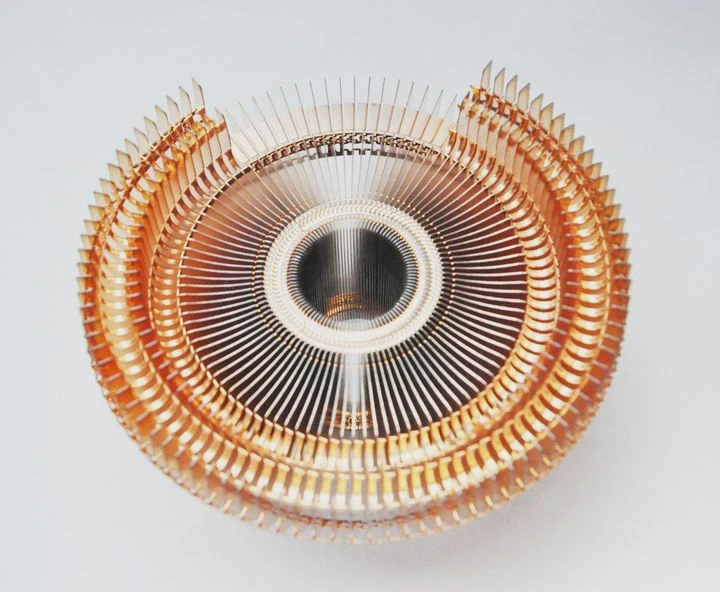
Raw copper tarnishes over time. Aluminum may oxidize. These changes form a thin layer on the surface, slightly increasing thermal resistance. Coatings help manage this.
Common coating types
- Nickel plating – used on copper to prevent oxidation and discoloration
- Anodizing – common on aluminum to improve corrosion resistance
- Black coating – enhances radiation cooling (minor effect), improves look
Do coatings block heat?
Yes, but only minimally. Nickel plating adds a thin thermal layer, but the reduction in performance is tiny compared to the protection benefit.
| Coating Type | Metal Applied To | Main Purpose | Thermal Impact |
|---|---|---|---|
| Nickel | Copper | Anti-oxidation | Minor loss (~1-2%) |
| Anodizing | Aluminum | Corrosion resistance | Negligible |
| Black Paint | Aluminum/Copper | Heat radiation | Visual + slight gain |
In most cases, the coating’s durability and appearance outweigh any performance concern.
Conclusion
GPU heatsinks use a mix of metals: aluminum for cost and weight, copper for thermal efficiency, and hybrid designs for balance. Coatings protect and enhance performance slightly. Metal choice is essential to keeping your GPU cool and efficient.
TAGS
Latest Articles

Volume discount levels for heat sink orders?
Buyers often ask when heat sink prices start to drop with volume. Many worry they’re overpaying for small orders. This guide explains how B2B volume pricing works for thermal components. Heat sink
21 Dec,2025
Heat sink long-term supply contract options?
Many buyers want stable pricing and reliable delivery for heat sinks. But without a clear contract, risks grow over time. This article explores how to secure better long-term supply deals. Long-term
21 Dec,2025
Tooling cost for new heat sink profiles?
Many engineers struggle to understand why tooling for custom heat sinks costs so much. They worry about budgeting and production timelines. This article breaks down the cost drivers behind tooling.
21 Dec,2025
Heat sink custom sample process steps?
Sometimes, starting a custom heat sink project feels overwhelming—too many steps, too many unknowns, and too many risks. You want a sample, but not endless delays. The process for requesting and
20 Dec,2025
Standard B2B terms for heat sink payments?
When buyers and sellers in B2B heat sink markets talk about payment, many don’t fully understand what’s standard. This can lead to delayed orders, miscommunication, and even lost business
20 Dec,2025
Heat sink pricing factors for large orders?
Heat sinks are vital for many systems. When prices rise, projects stall and budgets break. This problem can hit teams hard without warning. Large order heat sink pricing depends on many factors. You
20 Dec,2025Related Articles
- How to remove an Intel i3 heatsink?
- Can heatsinks support multiple socket types?
- What is a computer fan and heatsink?
- How to mount LED to heatsink?
- How to polish heatsink?
- Are all GTX 1080 heatsinks the same?
- Is Vapor Chamber suitable for high altitude use?
- Vapor Chamber application in hazardous areas?
- Can Vapor Chamber reduce carbon footprint?
- Can Vapor Chamber lower manufacturing costs?
- Standard rejection rate for Vapor Chamber?
- Vapor Chamber manufacturing time estimation?
Author
Dr. Emily Chen
Chief AI Researcher
Leading expert in thermal dynamics and AI optimization with over 15 years of experience in data center efficiency research.
Categories
Latest Products
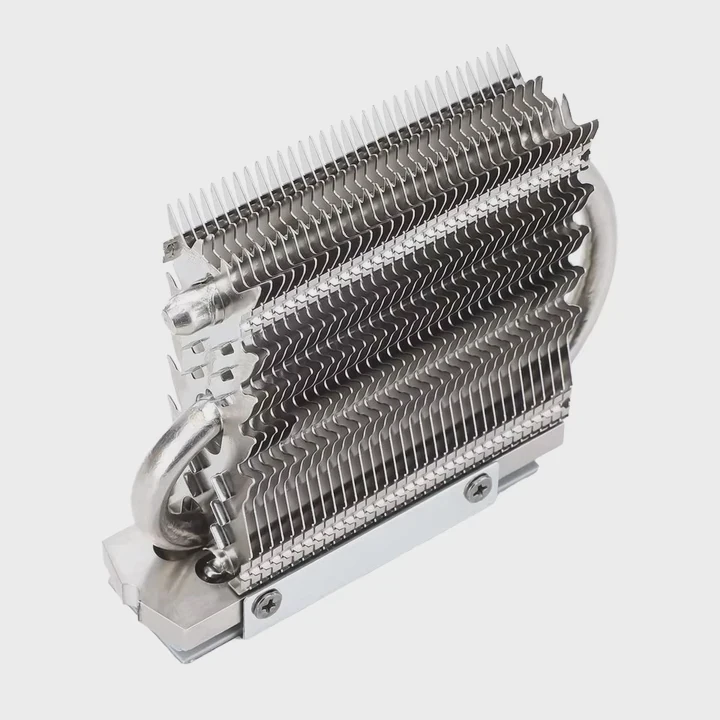
M.2 Heatpipe Heatsink With Dual Fans For Pc Case
19 Mar,2026
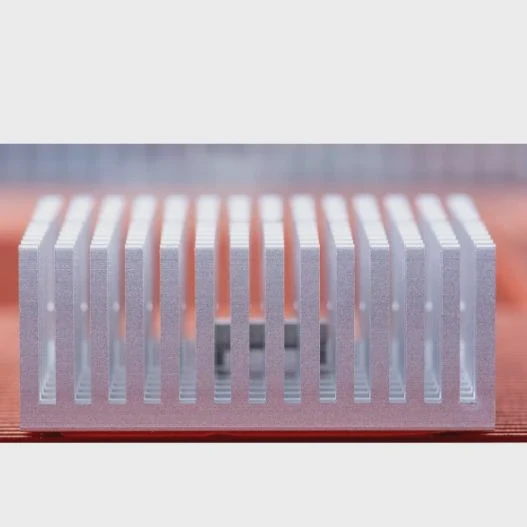
Heavy-Duty Aluminum Heat Sink Custom
19 Mar,2026
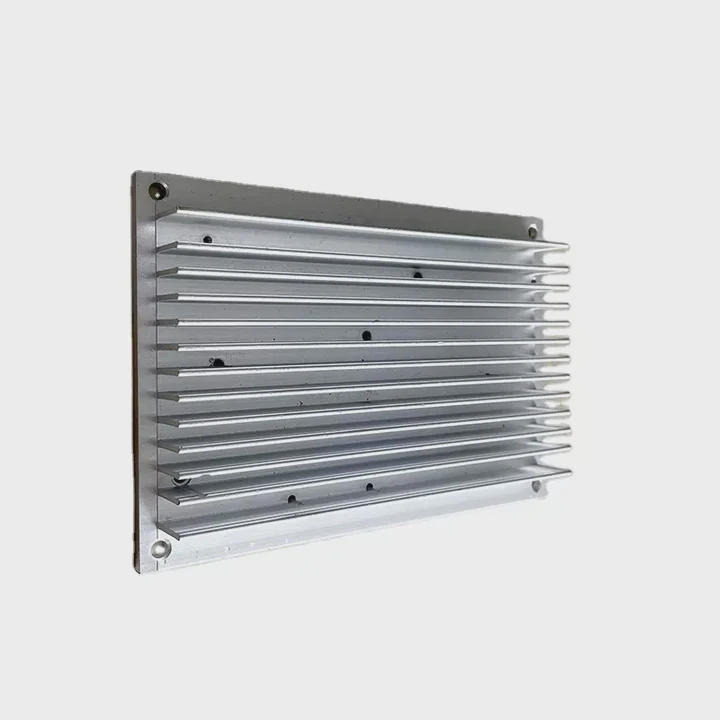
Oem Skived Fin Heatsink Aluminum Radiator For Plants
19 Mar,2026
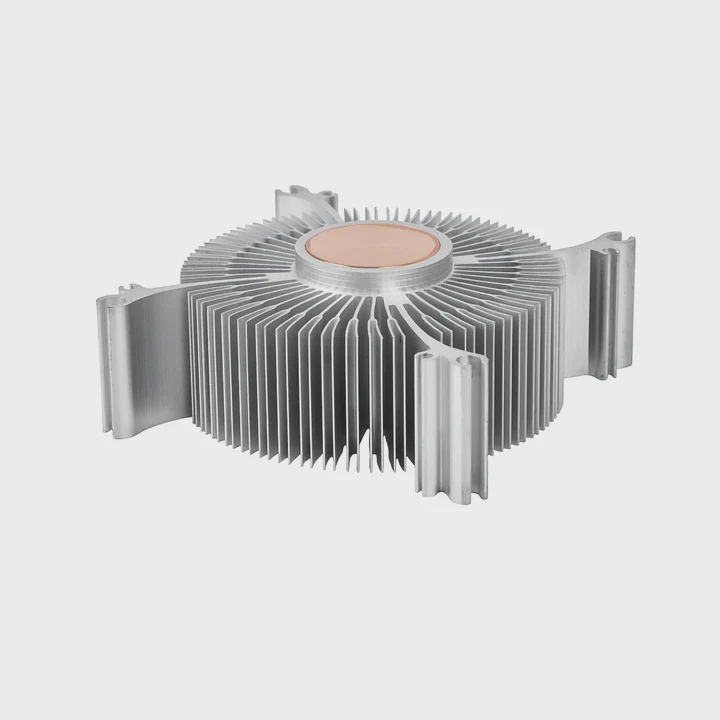
Water Cooled Cnc Aluminum Heat Sink For Medical
19 Mar,2026
High Density 6000 Series Aluminum Heat Sink Profile
19 Mar,2026
High-Density Extruded Aluminum & Bonded-Fin Heat Sink Profile
19 Mar,2026
Recommend Categories
- Liquid cooling plate Manufacturer
- Industrial Heat Sink Manufacturer
- Standard Heat Sink Manufacturer
- Aluminum Heat Sink Manufacturer
- Copper Heat Sink Manufacturer
- Anodized Heatsink Manufacturer
- Stamping heat sink Manufacturer
- Die Casting Heatsink Manufacturer
- Soldering heat sink Manufacturer
- CNC Parts Manufacturer
Latest Products
- M.2 Heatpipe Heatsink With Dual Fans For Pc Case
- Heavy-Duty Aluminum Heat Sink Custom
- Oem Skived Fin Heatsink Aluminum Radiator For Plants
- Water Cooled Cnc Aluminum Heat Sink For Medical
- High Density 6000 Series Aluminum Heat Sink Profile
- High-Density Extruded Aluminum & Bonded-Fin Heat Sink Profile
- Dongguan Cnc Aluminum Heat Sink For Led & Brass Parts
- Wholesale Cnc Aluminum Heat Sink - Custom Extruded
- Led Cnc Round Heat Sink With Screw Holes
- Copper Pin-Fin Heat-Sink Large-Area For Photoled Cooling
- Telecom Heatsink Zipper Fin Wcopper Tubes Oem
Contact Expert
Have questions about this article? Reach out to our experts directly.