What is the best heatsink compound available?
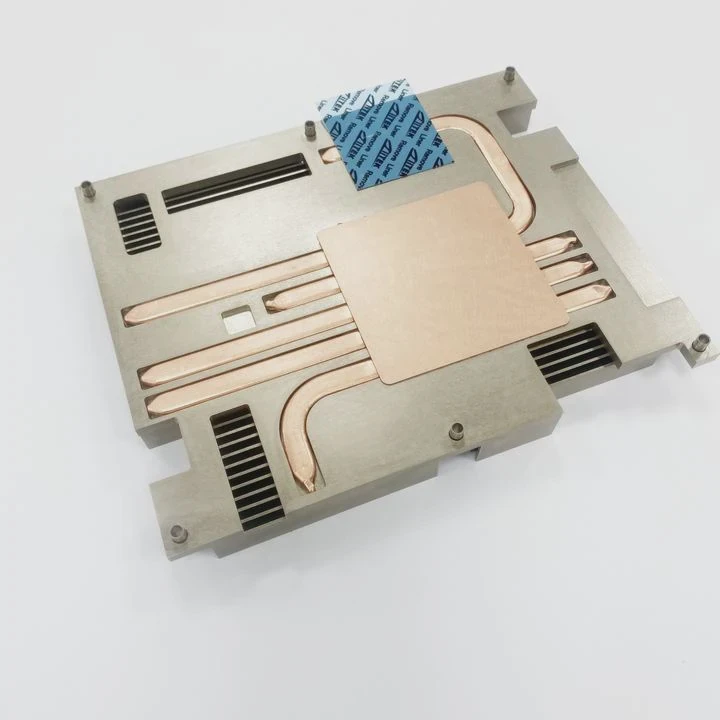
Choosing the wrong heatsink compound can ruin an otherwise perfect thermal design. Poor heat transfer wastes performance and risks overheating.
The best heatsink compounds offer high thermal conductivity, long-term stability, and easy application. Popular high-end options include Thermal Grizzly Kryonaut, Arctic MX-6, and Noctua NT-H2.
When performance and durability matter, thermal paste quality becomes just as important as the cooler or heatsink itself. Understanding key differences helps prevent costly mistakes.
Why thermal conductivity matters?
Many users just pick any paste and hope for the best. But not all compounds perform equally under pressure.
Thermal conductivity determines how efficiently heat moves from your CPU to the heatsink. Higher values mean better cooling and more stable performance.
Every CPU generates heat. Heatsink compound fills the microscopic gaps between the chip and cooler. Without it, even small air pockets can raise temperatures significantly.
Understanding thermal conductivity (W/m·K)
Thermal conductivity is measured in watts per meter-Kelvin (W/m·K). It shows how well a material transfers heat. More watts = better transfer.
| Compound | Thermal Conductivity (W/m·K) |
|---|---|
| Thermal Grizzly Kryonaut | 12.5 |
| Arctic MX-6 | 7.5 |
| Noctua NT-H2 | 8.5 |
| Cooler Master MasterGel | 5.0 |
| Generic White Paste | ~1.0 |
Why it matters for real-world usage
- High-end CPUs like AMD Ryzen 9 or Intel i9 run hot.
- GPU dies in gaming rigs or workstations often reach 80°C+.
- Poor compound can add 5–10°C, reducing boost performance.
Even for passive systems or fanless designs, thermal paste quality directly affects long-term reliability.
Which compounds last longer?
Most people assume once they apply the paste, it’s good forever. That’s not true. Over time, compounds dry out or degrade.
Silicone-based and metal oxide compounds usually last longer. High-end pastes like Noctua NT-H2 or Arctic MX-6 are engineered for 5+ years of durability.
Longevity depends on how the paste reacts to heat, pressure, and oxidation. Some low-cost formulas may begin to dry and crack after just 12 months of use.
Comparing lifespan of common compounds
| Compound | Estimated Lifespan | Notes |
|---|---|---|
| Noctua NT-H2 | 5+ years | Non-conductive, stable formula |
| Arctic MX-6 | 8 years | Designed for long-term use |
| Thermal Grizzly Kryonaut | ~3 years | High-performance, shorter life |
| Silicone Grease | 2–3 years | Common in OEM pre-builds |
| Metal-based pastes | 4–6 years | Risk of drying in air exposure |
When to reapply?
- After 2–3 years of regular use
- If CPU temps rise suddenly
- After cleaning or moving the heatsink
- In systems exposed to high humidity or vibration
Reapplying quality thermal compound every few years can maintain optimal thermal performance.
Can viscosity affect spread?
Some pastes are thick and sticky. Others spread like lotion. This often causes confusion, especially for beginners.
Yes, viscosity affects how easily the compound spreads across the CPU surface. Low-viscosity compounds spread better, while thicker ones need more pressure.
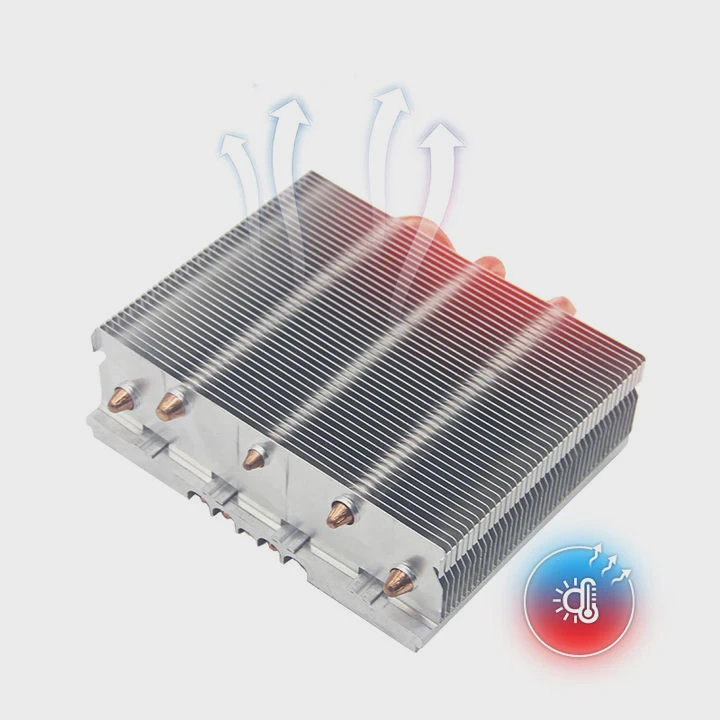
Viscosity refers to a material’s resistance to flow. Thermal paste needs to fill gaps without being pushed out entirely. Too thick, and it won’t spread. Too thin, and it may leak or evaporate.
Ideal application characteristics
| Viscosity Type | Pros | Cons |
|---|---|---|
| Low viscosity | Easy spread, fast application | May bleed or dry fast |
| Medium viscosity | Balanced flow and hold | Suitable for most applications |
| High viscosity | Stays in place, resists pump-out | Hard to spread evenly |
Application tips by viscosity
Low-viscosity pastes:
- Use small amount (pea-size).
- Let heatsink pressure do the work.
High-viscosity pastes:
- Pre-spread with card or spatula.
- Apply moderate pressure during mounting.
Some pastes include additives to change flow behavior at high temperatures. These compounds become less viscous under load, improving spread when it matters most.
Do metals improve results?
Some enthusiasts believe metal-based pastes are superior by default. This isn’t always the case.
Yes, metal-infused compounds like liquid metal have the highest thermal conductivities, but they come with major risks like electrical conductivity and corrosion.
Liquid metal compounds such as Thermal Grizzly Conductonaut offer thermal conductivities over 70 W/m·K. That’s over 5x more than regular pastes. However, they are electrically conductive and can cause shorts if applied improperly.
Comparing metal-based vs non-metal pastes
| Type | Conductivity | Electrical Risk | Application Difficulty | Durability |
|---|---|---|---|---|
| Liquid Metal | 73–80 W/m·K | High | Hard | Moderate |
| Metal Oxide (Ceramic) | 5–10 W/m·K | Low | Easy | High |
| Carbon-based | 6–12 W/m·K | None | Medium | High |
| Silicone Grease | ~1 W/m·K | None | Easy | Low |
Liquid metal warnings
- Can corrode aluminum heatsinks
- Must only be used on nickel-plated or copper surfaces
- Requires careful, clean application
- Not suitable for laptops or uneven mounting systems
While metal compounds provide excellent thermal performance, the margin of error is small. For most users, a high-end non-conductive paste offers safer and more reliable results.
Conclusion
The best heatsink compound balances thermal conductivity, longevity, and ease of use. For most builds, pastes like Noctua NT-H2 or Arctic MX-6 deliver excellent performance without the risks of liquid metal. Always match the paste to your system’s cooling needs and maintenance schedule.
TAGS
Latest Articles

Volume discount levels for heat sink orders?
Buyers often ask when heat sink prices start to drop with volume. Many worry they’re overpaying for small orders. This guide explains how B2B volume pricing works for thermal components. Heat sink
21 Dec,2025
Heat sink long-term supply contract options?
Many buyers want stable pricing and reliable delivery for heat sinks. But without a clear contract, risks grow over time. This article explores how to secure better long-term supply deals. Long-term
21 Dec,2025
Tooling cost for new heat sink profiles?
Many engineers struggle to understand why tooling for custom heat sinks costs so much. They worry about budgeting and production timelines. This article breaks down the cost drivers behind tooling.
21 Dec,2025
Heat sink custom sample process steps?
Sometimes, starting a custom heat sink project feels overwhelming—too many steps, too many unknowns, and too many risks. You want a sample, but not endless delays. The process for requesting and
20 Dec,2025
Standard B2B terms for heat sink payments?
When buyers and sellers in B2B heat sink markets talk about payment, many don’t fully understand what’s standard. This can lead to delayed orders, miscommunication, and even lost business
20 Dec,2025
Heat sink pricing factors for large orders?
Heat sinks are vital for many systems. When prices rise, projects stall and budgets break. This problem can hit teams hard without warning. Large order heat sink pricing depends on many factors. You
20 Dec,2025Related Articles
- Is the stock i7 heatsink good?
- how to install heatsink on xbox 360 hana ana chips?
- Are stock GPU heatsinks suitable?
- Does air blow through heatsink?
- Can you run a computer without a heatsink CPU fan?
- do you have to reapply thermal paste after removing heatsink?
- What is a CPU fan and heatsink?
- What is heatsink pad?
- Are all GTX 1080 heatsinks the same?
- How to polish heatsink?
- How to mount LED to heatsink?
- What is a computer fan and heatsink?
Author
Dr. Emily Chen
Chief AI Researcher
Leading expert in thermal dynamics and AI optimization with over 15 years of experience in data center efficiency research.
Categories
Latest Products
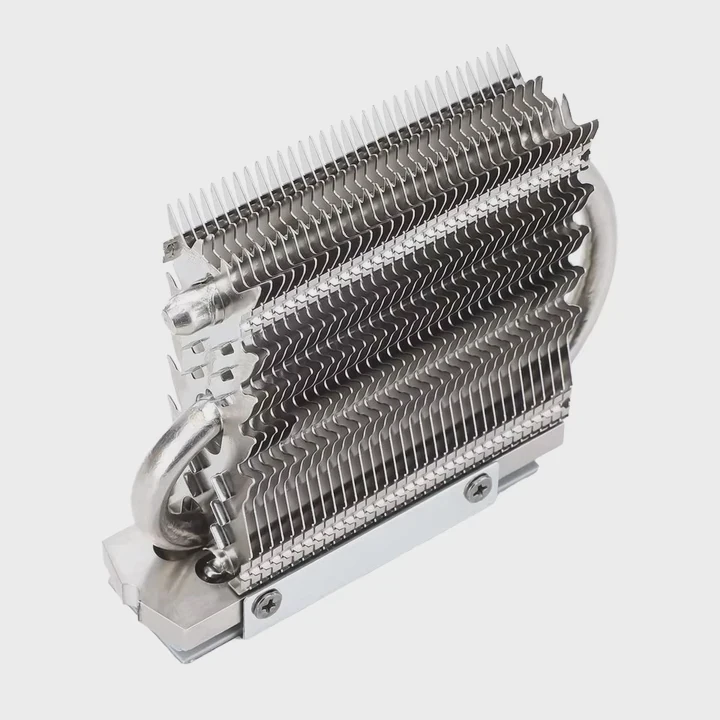
M.2 Heatpipe Heatsink With Dual Fans For Pc Case
19 Mar,2026
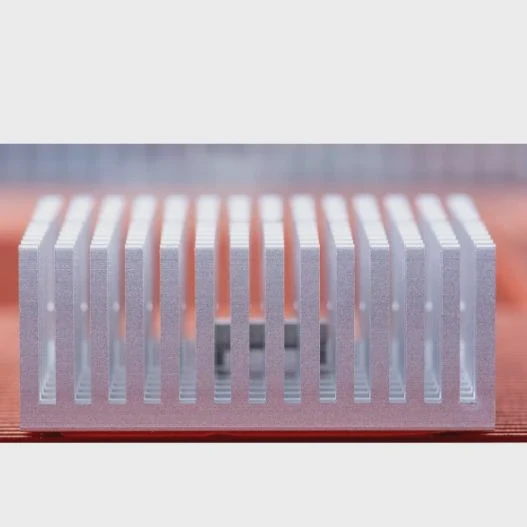
Heavy-Duty Aluminum Heat Sink Custom
19 Mar,2026
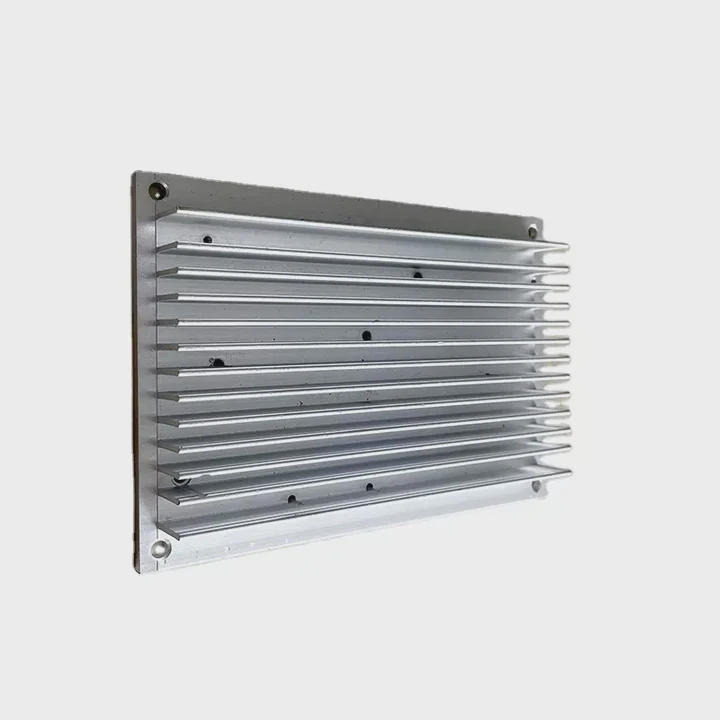
Oem Skived Fin Heatsink Aluminum Radiator For Plants
19 Mar,2026
Water Cooled Cnc Aluminum Heat Sink For Medical
19 Mar,2026
High Density 6000 Series Aluminum Heat Sink Profile
19 Mar,2026
High-Density Extruded Aluminum & Bonded-Fin Heat Sink Profile
19 Mar,2026
Recommend Categories
- Liquid cooling plate Manufacturer
- Industrial Heat Sink Manufacturer
- Standard Heat Sink Manufacturer
- Aluminum Heat Sink Manufacturer
- Copper Heat Sink Manufacturer
- Anodized Heatsink Manufacturer
- Stamping heat sink Manufacturer
- Die Casting Heatsink Manufacturer
- Soldering heat sink Manufacturer
- CNC Parts Manufacturer
Latest Products
- M.2 Heatpipe Heatsink With Dual Fans For Pc Case
- Heavy-Duty Aluminum Heat Sink Custom
- Oem Skived Fin Heatsink Aluminum Radiator For Plants
- Water Cooled Cnc Aluminum Heat Sink For Medical
- High Density 6000 Series Aluminum Heat Sink Profile
- High-Density Extruded Aluminum & Bonded-Fin Heat Sink Profile
- Dongguan Cnc Aluminum Heat Sink For Led & Brass Parts
- Wholesale Cnc Aluminum Heat Sink - Custom Extruded
- Led Cnc Round Heat Sink With Screw Holes
- Copper Pin-Fin Heat-Sink Large-Area For Photoled Cooling
- Telecom Heatsink Zipper Fin Wcopper Tubes Oem
Contact Expert
Have questions about this article? Reach out to our experts directly.