Can Vapor Chamber function under vibration?
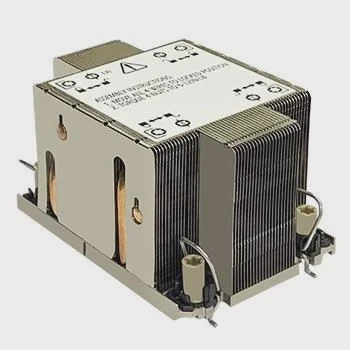
In many industries, vibration is a hidden enemy. A vapor chamber may work well on the bench, but fail once exposed to movement, shock, or daily operational vibration.
Yes, vapor chambers can function under vibration if designed and tested properly, with strong structure, stable wick bonding, and thorough validation across multiple axes of vibration.
Today’s applications push vapor chambers into harsher environments. That means vibration resistance is no longer optional, it is part of real engineering work.
Are Vapor Chambers designed to operate under vibration?
Vibration sounds simple, but continuous micro‑stress can slowly damage thin metal walls, joints, and even internal fluid paths. Without proper protection, a vapor chamber may leak or lose performance very quickly.
Most commercial vapor chambers are designed to tolerate normal operating vibration, but harsh conditions require reinforced structure, precise welding, and verified internal bonding.

Many engineers first assume vapor chambers only work in static environments. That is not true. In fields such as automotive electronics, aerospace modules, industrial control systems, mobile cooling units, vibration is unavoidable. A vapor chamber with weak sealing or poorly bonded wick could separate, deform, or leak under stress.
To prepare these chambers for vibration, the design often includes internal supports, stiffener ribs, or thicker weld zones around flange areas. These structural choices maintain stability and protect the capillary system. Shell thickness must balance heat conduction with mechanical strength. If it is too thin, the chamber may warp during shaking. If it is too thick, weight rises and reaction speed slows.
Design focus areas under vibration
| Design Area | Typical Concern Under Vibration |
|---|---|
| Shell thickness | Too thin may deform |
| Weld joint strength | Risk of cracking or fatigue |
| Wick bonding quality | Loose wick loses capillary return |
| Mounting method | Stress concentration on chamber edges |
In most consumer devices, mild vibration will not damage a chamber. But heavier systems must use enhanced manufacturing control. Even movement during shipping can matter. That is why vibration is now becoming part of active qualification in many thermal module workflows.
What testing verifies vibration resistance of Vapor Chambers?
A qualified vapor chamber does not rely on hope. It must prove itself through stress testing. These tests reveal weak spots before mass production, helping to avoid costly failures after shipment.
Vibration resistance is verified through standardized tests such as sinusoidal sweeps, random vibration, shock tests, and post-test leak inspections including helium detection.
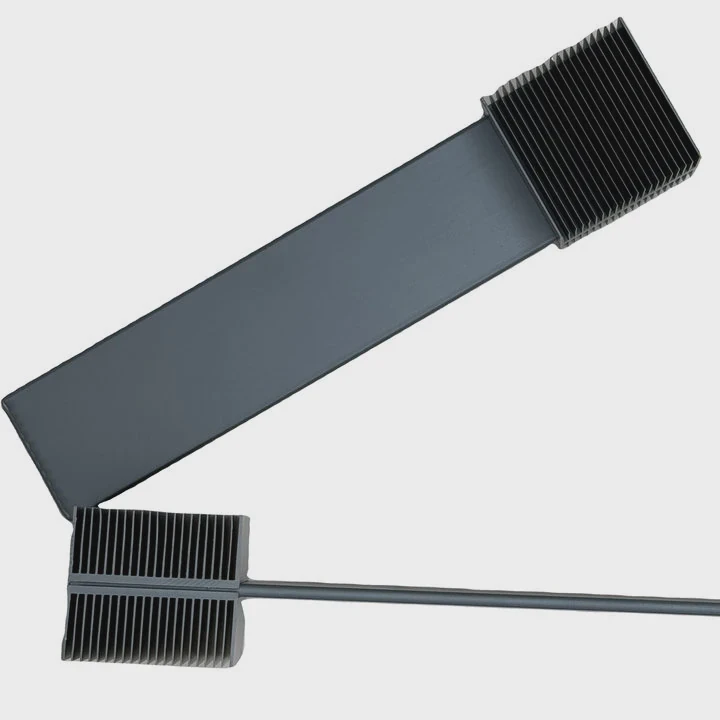
Tests normally begin with visual inspection before shaking starts. Then the chamber is placed on a multi-axis platform to simulate real‑world motion. Frequencies rise from low to high to find resonance points that may damage structure. Shock tests simulate sudden hits, like drops or heavy acceleration. After every test group, the chamber must pass leak testing and flatness checks.
Typical vibration test methods
| Test Type | Purpose |
|---|---|
| Sinusoidal vibration | Checks behavior at set frequencies |
| Random vibration | Simulates real operating conditions |
| Shock / drop testing | Replicates sudden impacts |
| Thermal + vibration loop | Tests fatigue under repeated stress |
During the tests, engineers monitor changes in weight, shape, heat performance, and vacuum integrity. A tiny leak may break the fluid cycle, causing dry-out at high power. Some factories also add non‑destructive testing using X‑ray or dye methods to spot micro cracks in welds.
Testing also includes thermal measurement before and after vibration. If heat spreading slows down or temperature rise increases, it means internal fluid path may have shifted or capillary function has weakened. A stable thermal curve is key proof of reliability.
In short, tests do not just check survival. They confirm consistent performance after stress. That is the real goal: function under real conditions, not just survive on paper.
Does vibration affect internal wick or fluid behaviour?
Inside the chamber, the process looks calm. But under vibration, very different things happen. The wick may loosen, fluid may pool in the wrong area, and pressure inside the chamber may vary.
Yes, vibration can disturb fluid balance and wick structure, leading to capillary failure, dry-out zones, and reduced thermal transport efficiency.
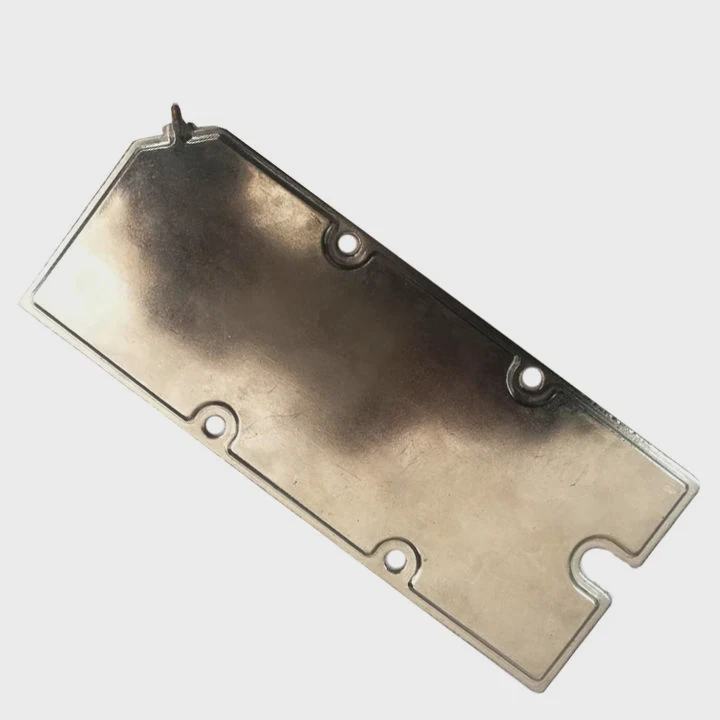
Every vapor chamber depends on a capillary system to move fluid from condensation back to evaporation. When vibration causes micro separation between the wick and chamber wall, capillary return becomes weaker. Over time, this leads to unstable heat transfer. A tiny gap can act like a blocked artery in a living system.
Fluid may also redistribute under shaking. In some designs, liquid could collect in corners and stay trapped. That creates local overheating. To prevent this, wick patterns must offer continuous return paths, even during motion. Some structures use sintered layer fully bonded to metal. That helps stop displacement.
Internal risks when vibration occurs
Possible effects:
- Disconnection between wick and shell surface
- Fluid sloshing or pooling in corners
- Stress cracking in welds
- Progressive flattening or bending of chamber body
- Reduced contact area with heat source
Wick bonding types:
| Wick Type | Vibration Risk Level | Bonding Quality Needed |
|---|---|---|
| Simple mesh | Higher | Strong adhesive or welding required |
| Sintered copper | Moderate | Good uniform bonding |
| Wickless design | Lower | Must rely on geometry |
If internal structure is stable and fluid volume is well calculated, the chamber remains reliable. But if wick movement starts, capillary action may collapse. That is why vigorous vibration testing is used in high‑stakes industries like defense, rail, and aerospace thermals.
How is vibration failure prevented in chamber design?
Prevention is better than expensive failure. Good design reduces risk at the source rather than repairing damage later.
Failure from vibration is avoided through structural reinforcement, proper wick bonding, optimized mounting, and controlled welding sequences during fabrication.
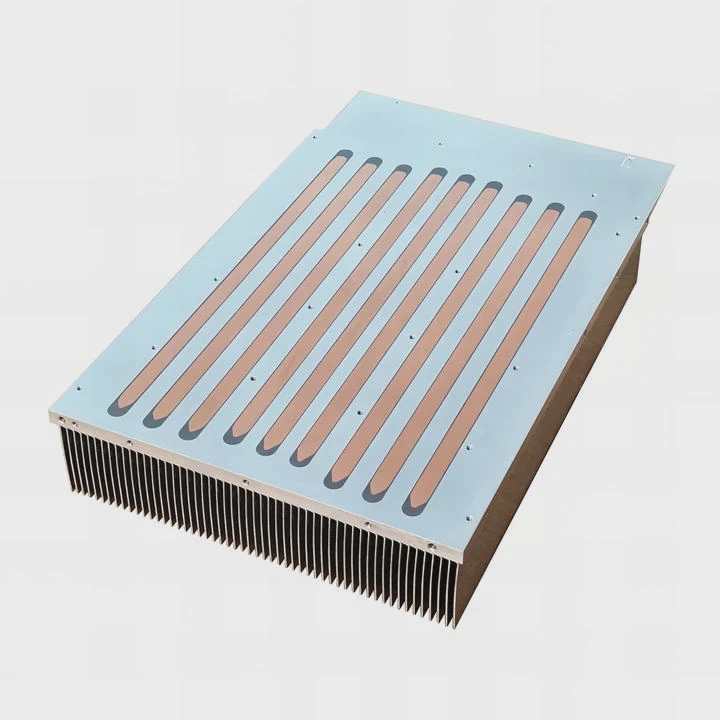
Engineers build resistance through many layers. The shell must be strong enough, yet light enough. Weld patterns should avoid stress concentrations. Mounting must allow controlled contact, not rigid stress points. Wick must attach firmly to the shell to stop internal shifting.
Key protection strategies
Structural improvements
- Use local reinforcement ribs
- Increase shell thickness only at stress points
- Avoid sharp corners that crack easily
Fluid behaviour control
- Design wick paths for multi-directional flow
- Avoid large empty zones where liquid could pool
- Balance working fluid volume with internal area
Process control examples
| Process Control Method | Purpose |
|---|---|
| Pre-heating before welding | Reduce residual stress |
| Controlled cool-down | Avoid deformation after sealing |
| Leak test after each step | Catch damage early |
| Vibration simulation pre-production | Design validation |
Even mounting style matters. If a vapor chamber must connect to a heatsink, fixing screws should spread force evenly. Uneven force can deform the thin shell before vibration even starts. Ideally, the chamber sits on a compliant thermal interface that absorbs some motion rather than directly transferring it.
Many developers now include vibration requirements from the start of the design. That saves time and cost, and helps avoid redesign halfway through development.
Conclusion
Vapor chambers can operate under vibration, but only when structure, bonding, sealing, and testing are carefully managed. Internal wick motion, fluid shifting, and weld damage are real risks. Proper reinforcement, process control, and vibration testing make chambers reliable for moving environments such as vehicles, aerospace devices, and rugged electronics.
TAGS
Latest Articles

Volume discount levels for heat sink orders?
Buyers often ask when heat sink prices start to drop with volume. Many worry they’re overpaying for small orders. This guide explains how B2B volume pricing works for thermal components. Heat sink
21 Dec,2025
Heat sink long-term supply contract options?
Many buyers want stable pricing and reliable delivery for heat sinks. But without a clear contract, risks grow over time. This article explores how to secure better long-term supply deals. Long-term
21 Dec,2025
Tooling cost for new heat sink profiles?
Many engineers struggle to understand why tooling for custom heat sinks costs so much. They worry about budgeting and production timelines. This article breaks down the cost drivers behind tooling.
21 Dec,2025
Heat sink custom sample process steps?
Sometimes, starting a custom heat sink project feels overwhelming—too many steps, too many unknowns, and too many risks. You want a sample, but not endless delays. The process for requesting and
20 Dec,2025
Standard B2B terms for heat sink payments?
When buyers and sellers in B2B heat sink markets talk about payment, many don’t fully understand what’s standard. This can lead to delayed orders, miscommunication, and even lost business
20 Dec,2025
Heat sink pricing factors for large orders?
Heat sinks are vital for many systems. When prices rise, projects stall and budgets break. This problem can hit teams hard without warning. Large order heat sink pricing depends on many factors. You
20 Dec,2025Related Articles
- How to avoid Vapor Chamber leakage?
- Does Vapor Chamber need corrosion protection?
- Vapor Chamber return policy examples?
- Why choose Vapor Chamber over heatsink?
- What is Vapor Chamber scrap rate?
- Heat transfer coefficient of Vapor Chamber?
- Vapor Chamber for telecom cooling racks
- Which industries demand Vapor Chamber most?
- Vapor Chamber material selection guidelines
- Recommended inspection tools for Vapor Chamber?
- Vapor Chamber machining lubrication options?
- How to source high precision Vapor Chamber?
Author
Dr. Emily Chen
Chief AI Researcher
Leading expert in thermal dynamics and AI optimization with over 15 years of experience in data center efficiency research.
Categories
Latest Products






Recommend Categories
- Liquid cooling plate Manufacturer
- Industrial Heat Sink Manufacturer
- Standard Heat Sink Manufacturer
- Aluminum Heat Sink Manufacturer
- Copper Heat Sink Manufacturer
- Anodized Heatsink Manufacturer
- Stamping heat sink Manufacturer
- Die Casting Heatsink Manufacturer
- Soldering heat sink Manufacturer
- CNC Parts Manufacturer
Latest Products
- Wholesale Aluminum Radiator
- Water Cooling Plate Kit
- Water Cooling Heat Sink
- Water Cooling Heat Sink Kit
- Stainless Steel Water Distributor
- Server Water Cooling Plate Kit
- Server Liquid Cooling System
- Server Aluminum Cooling Kit
- S19 Full Cover Cooling Plate
- S19 Cooling Plate Kit
- S19 Aluminum Cooling Plate
Contact Expert
Have questions about this article? Reach out to our experts directly.