How does liquid nitrogen cooling work?
When I first saw liquid nitrogen being used for cooling, I felt both fascinated and cautious. The sight of mist pouring from the tank looked dramatic, but behind it lies powerful thermodynamic science. Many people see it as something used only in labs, yet it’s now becoming more common in electronics, aerospace, and energy systems.
Liquid nitrogen cooling works by using nitrogen in its liquid state at -196°C to absorb heat rapidly through phase change, transferring energy away from hot surfaces efficiently.
This ultra-low-temperature process delivers extreme heat removal rates, far beyond what air or water cooling can achieve, making it ideal for advanced technologies and thermal experiments.
What is liquid nitrogen cooling?
I often get asked what makes liquid nitrogen different from other coolants. The answer lies in its physical state and how it interacts with heat.
Liquid nitrogen cooling is a cryogenic process that uses nitrogen cooled below its boiling point (-196°C) to remove heat from components by evaporation and convection.
1. The science behind liquid nitrogen cooling
When liquid nitrogen (LN₂) comes into contact with a hot surface, it instantly absorbs heat and evaporates, turning into nitrogen gas. This phase change removes large amounts of energy in a short time. The process is similar to how sweating cools your skin, but at a far colder temperature scale.
| Cooling Type | Temperature Range | Medium | Heat Transfer Method |
|---|---|---|---|
| Air Cooling | -10°C to 80°C | Air | Convection |
| Water Cooling | 10°C to 60°C | Water | Conduction + Convection |
| Liquid Nitrogen Cooling | -196°C to -100°C | LN₂ | Evaporation + Convection |
Because liquid nitrogen is inert and non-conductive, it can safely cool electronic components, superconductors, or high-performance processors without risk of short circuits.
2. How it is delivered
In practical setups, liquid nitrogen is stored in insulated Dewar tanks and directed to cooling chambers through stainless steel tubes. Flow control valves manage the amount of LN₂ that reaches the heat source. Once the nitrogen absorbs heat, it turns into gas and is vented safely into the atmosphere.
3. Applications
I have seen LN₂ cooling used in fields such as semiconductor manufacturing, scientific research, superconductivity testing, and cryogenic machining. It’s also applied in overclocking computer CPUs for short-term performance demonstrations.
What benefits does it provide?
Whenever I compare different cooling systems, I find that liquid nitrogen always stands out for one reason—its unmatched temperature potential. However, its benefits go beyond just extreme cold.
Liquid nitrogen cooling provides superior heat removal capacity, enables precise temperature control, improves performance in critical systems, and supports research requiring cryogenic conditions.
1. Exceptional cooling performance
Liquid nitrogen removes heat almost instantly, allowing devices to operate at much lower temperatures. This is especially useful for superconductors or quantum chips, which require stable cryogenic environments to function properly.
| Benefit | Description | Example Application |
|---|---|---|
| Extreme cooling capacity | Rapid heat absorption through phase change | Superconductors, CPUs |
| Non-conductive and inert | Safe for electronics | High-voltage systems |
| Consistent temperature control | Stable under heavy load | Aerospace sensors |
| Clean and residue-free | Leaves no chemical deposits | Laboratory environments |
2. Better performance for high-end electronics
In my experience, when processors or semiconductor wafers are cooled with LN₂, their electrical resistance decreases, allowing them to run faster and more efficiently. This is why competitive overclockers and semiconductor researchers rely on it.
3. No mechanical wear
Unlike traditional cooling systems with pumps or fans, liquid nitrogen systems have no moving parts in the cooling path. This reduces mechanical failure and noise, improving reliability.
4. Environmental safety
Nitrogen makes up about 78% of the atmosphere. When liquid nitrogen evaporates, it simply returns to the air, leaving no pollution or harmful residue.
5. Precision control in scientific applications
In fields like material science or cryogenic treatment of metals, liquid nitrogen enables precise temperature gradients. This helps improve hardness, reduce residual stress, and increase the durability of metal components.
How to safely use liquid nitrogen cooling?
Safety is the first thing I talk about when introducing liquid nitrogen systems to a new team. The same cold that makes LN₂ powerful can also make it dangerous if mishandled.
To safely use liquid nitrogen cooling, ensure proper ventilation, wear protective gear, use insulated containers, handle pressure buildup carefully, and prevent direct skin or eye contact.
1. Proper ventilation
When liquid nitrogen evaporates, it turns into gas that can displace oxygen. In closed spaces, this can cause suffocation without warning. Always use LN₂ in well-ventilated rooms and install oxygen sensors in confined environments.
2. Protective equipment
I never handle LN₂ without insulated gloves, face shields, and long sleeves. Even brief contact with liquid nitrogen can cause severe frostbite or tissue damage. Always pour slowly to prevent splashing.
3. Safe storage and transport
Liquid nitrogen should be stored in Dewar flasks—special insulated containers designed to handle extremely cold temperatures. Never seal these containers completely, as pressure buildup from vaporizing nitrogen can cause explosions.
| Safety Rule | Description | Risk if Ignored |
|---|---|---|
| Use open vented containers | Prevent pressure explosion | Explosion risk |
| Wear cryogenic gloves and face protection | Avoid direct contact burns | Frostbite or eye injury |
| Ensure ventilation | Prevent oxygen displacement | Asphyxiation |
| Never pour into glass | Glass may crack violently | Shattering and splashing |
4. Handling spills and leaks
If a leak occurs, evacuate the area immediately. Do not attempt to clean up liquid nitrogen directly. Allow it to evaporate naturally in a ventilated area. Never use water to remove it.
5. Training and awareness
Everyone working around LN₂ must be trained to understand the risks. I often run safety workshops for new engineers, where we demonstrate correct pouring techniques and explain emergency procedures.
6. Monitoring and automation
Modern LN₂ systems now include sensors for pressure, flow, and temperature. Automated safety valves prevent overpressure and keep operators safe. I recommend using smart control systems whenever possible to reduce human error.
What are the trends in extreme cooling systems?
As industries evolve, I’ve noticed a growing interest in “extreme cooling” technologies that go beyond traditional methods. Liquid nitrogen is part of this shift toward cryogenic innovation.
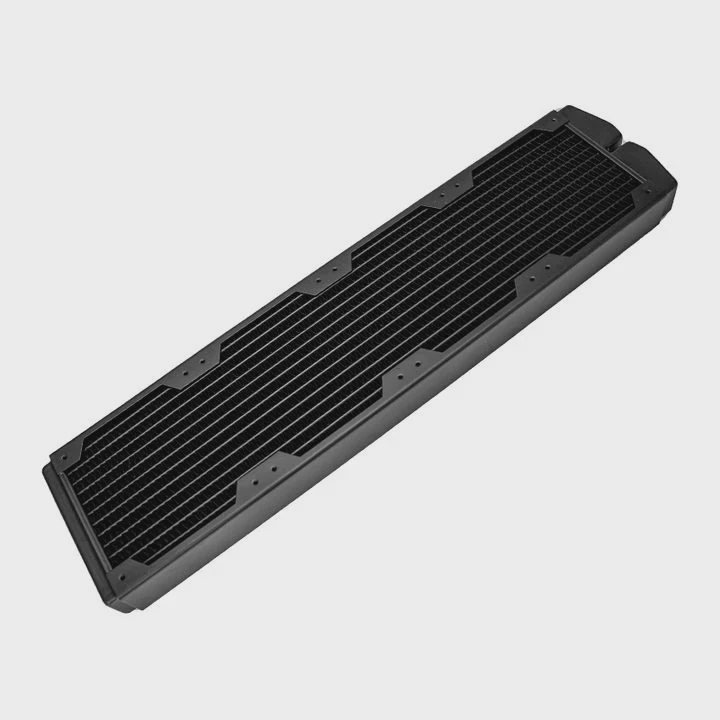
The main trends in extreme cooling include hybrid cryogenic systems, closed-loop LN₂ recovery, AI-based temperature management, and the integration of phase-change and liquid nitrogen cooling for high-performance applications.
1. Closed-loop nitrogen systems
One of the biggest challenges with LN₂ cooling is gas waste. New closed-loop systems now collect and re-liquefy evaporated nitrogen using cryo-compressors. This reduces cost and environmental impact while extending system uptime.
2. Integration with phase-change and liquid cooling
Some advanced cooling architectures combine liquid nitrogen with vapor chambers or liquid cold plates. These hybrid systems handle heat more evenly, reducing thermal shock and improving efficiency.
For instance, in data centers and aerospace applications, phase-change plates pre-cool heat sources before LN₂ injection, maintaining precise temperature balance.
3. AI-assisted temperature control
Artificial intelligence now plays a major role in cooling management. AI algorithms predict heat spikes and adjust LN₂ flow automatically to maintain stable operation. This ensures safety and minimizes nitrogen consumption.
4. Miniaturized cryogenic modules
Cryogenic systems are becoming smaller and more modular. Portable LN₂ units are now being developed for localized cooling of sensors, compact lasers, and small quantum processors. I recently worked with a team developing a mini cryo-module for optical equipment, which used less than one liter of LN₂ per hour.
5. Sustainable cryogenic technologies
Sustainability is now a major focus. Engineers are designing systems that recycle cold energy from nitrogen evaporation to pre-cool other parts of the system, improving overall energy efficiency.
6. Industrial adoption beyond research labs
What once belonged only to science labs is now finding its way into industrial applications—like cryogenic machining, where LN₂ cools cutting tools to extend their lifespan and precision. Semiconductor fabrication lines are also adopting LN₂ systems for temperature-sensitive etching and deposition processes.
7. Future outlook
I believe the future of extreme cooling lies in combining intelligence and sustainability. The goal is to create closed, self-regulating systems that use data analytics to optimize LN₂ flow, reduce waste, and deliver consistent performance over long periods.
As manufacturing and electronics continue to push thermal limits, liquid nitrogen will remain one of the most effective tools for keeping technology cool under pressure.
Conclusion
Liquid nitrogen cooling works by using phase-change heat absorption at -196°C to remove energy from hot surfaces quickly. With proper safety, it delivers unmatched performance and reliability for advanced technologies. As AI and closed-loop systems evolve, LN₂ cooling will continue leading the future of extreme thermal management.
TAGS
Latest Articles

Volume discount levels for heat sink orders?
Buyers often ask when heat sink prices start to drop with volume. Many worry they’re overpaying for small orders. This guide explains how B2B volume pricing works for thermal components. Heat sink
21 Dec,2025
Heat sink long-term supply contract options?
Many buyers want stable pricing and reliable delivery for heat sinks. But without a clear contract, risks grow over time. This article explores how to secure better long-term supply deals. Long-term
21 Dec,2025
Tooling cost for new heat sink profiles?
Many engineers struggle to understand why tooling for custom heat sinks costs so much. They worry about budgeting and production timelines. This article breaks down the cost drivers behind tooling.
21 Dec,2025
Heat sink custom sample process steps?
Sometimes, starting a custom heat sink project feels overwhelming—too many steps, too many unknowns, and too many risks. You want a sample, but not endless delays. The process for requesting and
20 Dec,2025
Standard B2B terms for heat sink payments?
When buyers and sellers in B2B heat sink markets talk about payment, many don’t fully understand what’s standard. This can lead to delayed orders, miscommunication, and even lost business
20 Dec,2025
Heat sink pricing factors for large orders?
Heat sinks are vital for many systems. When prices rise, projects stall and budgets break. This problem can hit teams hard without warning. Large order heat sink pricing depends on many factors. You
20 Dec,2025Related Articles
- What is the best CPU liquid cooler?
- How to maintain liquid cooling?
- Does the i9 9900K need liquid cooling?
- What is an AIO liquid cooler?
- Which is better, air cooler or liquid cooler?
- What happens when liquid magma is cooled?
- How to liquid cool your computer?
- How to install a CPU liquid cooler?
- Where to plug in a liquid cooling pump?
- How to refill a liquid cooler?
- Who makes liquid-cooled servers?
- Is liquid cooling CPU worth it?
Author
Dr. Emily Chen
Chief AI Researcher
Leading expert in thermal dynamics and AI optimization with over 15 years of experience in data center efficiency research.
Categories
Latest Products






Recommend Categories
- Liquid cooling plate Manufacturer
- Industrial Heat Sink Manufacturer
- Standard Heat Sink Manufacturer
- Aluminum Heat Sink Manufacturer
- Copper Heat Sink Manufacturer
- Anodized Heatsink Manufacturer
- Stamping heat sink Manufacturer
- Die Casting Heatsink Manufacturer
- Soldering heat sink Manufacturer
- CNC Parts Manufacturer
Latest Products
- Wholesale Aluminum Radiator
- Water Cooling Plate Kit
- Water Cooling Heat Sink
- Water Cooling Heat Sink Kit
- Stainless Steel Water Distributor
- Server Water Cooling Plate Kit
- Server Liquid Cooling System
- Server Aluminum Cooling Kit
- S19 Full Cover Cooling Plate
- S19 Cooling Plate Kit
- S19 Aluminum Cooling Plate
Contact Expert
Have questions about this article? Reach out to our experts directly.