Need CNS standard for Vapor Chamber?
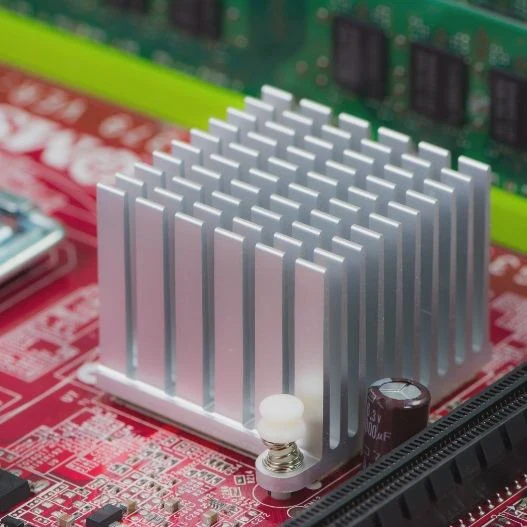
When building cooling systems for export or compliance, many teams wonder if there is a CNS standard that applies to vapor chambers. The answer is not simple.
Currently, there is no specific CNS (Chinese National Standard) that directly governs vapor chambers. These devices are instead treated under broader standards or internal specifications.
If you’re working with Taiwanese manufacturers or exporting to Taiwan, understanding the CNS framework is still important. Let’s explore how it applies to vapor chambers.
Is there a CNS (Chinese National Standard / Taiwan) applicable to Vapor Chambers?
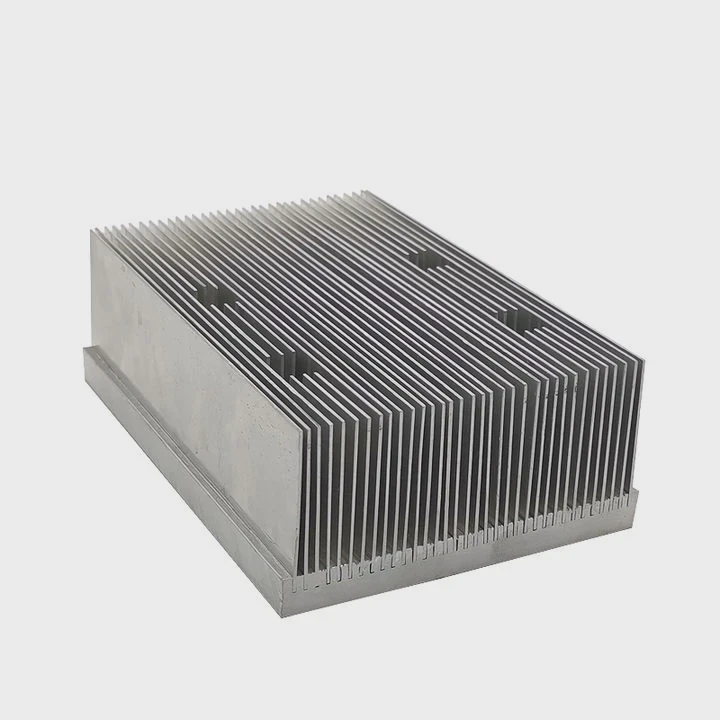
Vapor chambers, like heat pipes, are part of a growing field of two-phase cooling systems. But in the CNS (中華民國國家標準) catalog, there is no specific standard titled for vapor chambers.
This means:
- No CNS document defines test methods, safety rules, or design parameters for vapor chambers alone.
- Manufacturers rely on related standards, such as for electronic devices, passive components, or thermal modules.
- CNS compliance for vapor chamber assemblies depends on the product category (e.g., notebook, telecom base, LED module).
In practice, vapor chambers are treated like custom mechanical parts, and quality assurance is done using internal engineering tests. For now, CNS does not regulate them as a separate category.
How to obtain the CNS number or standard text for Vapor Chambers?
If you want to search for a CNS standard — or verify if one exists — here’s how to do it:
- Use keywords such as “thermal management,” “heat pipe,” “cooling component,” or “電子熱模組” in Chinese.
- Look under BSMI’s official documentation for downloadable PDF versions (often for a fee).
Most searches will return standards like:
- CNS 14336-1: for electrical safety of IT equipment.
- CNS 15663: related to restricted substances in electronics (Taiwan RoHS).
- CNS 60335: safety for household appliances.
None of these mention vapor chambers directly. However, they may affect the overall system that uses one. For example, a telecom server using a vapor chamber heat sink must pass CNS EMC and RoHS tests — even if the chamber itself is unregulated.
So while there’s no “CNS code for vapor chamber,” you still need to comply with relevant system standards.
Does compliance with CNS standard affect export to certain markets?
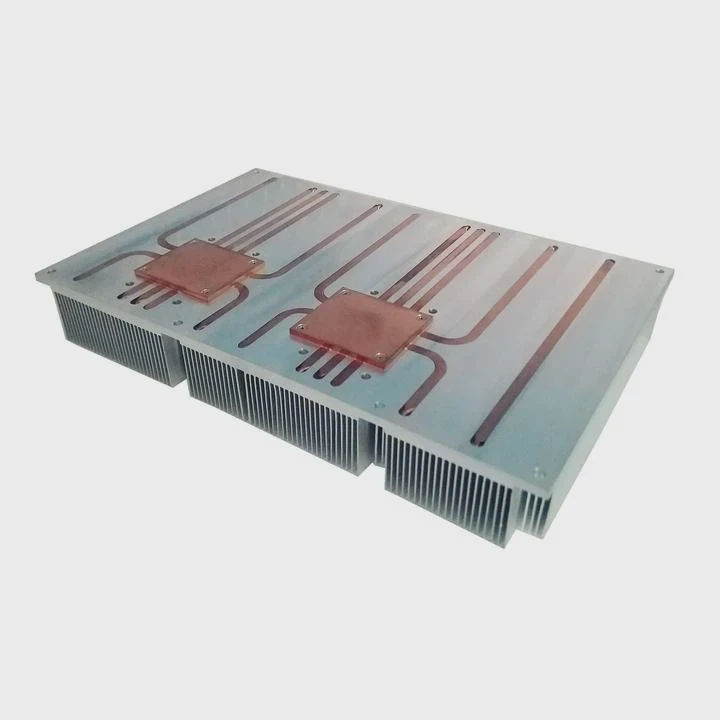
Since there’s no vapor-chamber-specific CNS rule, compliance focuses on:
- The final assembled product
- The materials used (e.g., lead-free solder, RoHS status)
- Electrical and EMC performance if the system is powered
For instance:
| Product Type | Relevant CNS Standards | Vapor Chamber Impact |
|---|---|---|
| Notebook or laptop | CNS 14336, CNS 13438 | Chamber inside must meet safety role |
| LED lighting with chamber | CNS 14115, CNS 15663 (RoHS) | RoHS affects solder and base metals |
| Server or base station | CNS 15230, CNS 15663 | EMC, lead-free, thermal cycle proof |
In all these cases, the vapor chamber doesn’t need its own CNS certificate. But it must not prevent the full system from passing safety or environmental testing.
So if you’re exporting a product with a vapor chamber to Taiwan or using Taiwan-sourced modules, you should check:
- Is the chamber tested for outgassing, corrosion, and long-term reliability?
- Do all materials meet RoHS and chemical limits?
- Are supplier declarations (e.g., MSDS) complete?
Are Taiwanese manufacturers referencing a specific CNS standard for Vapor Chambers?
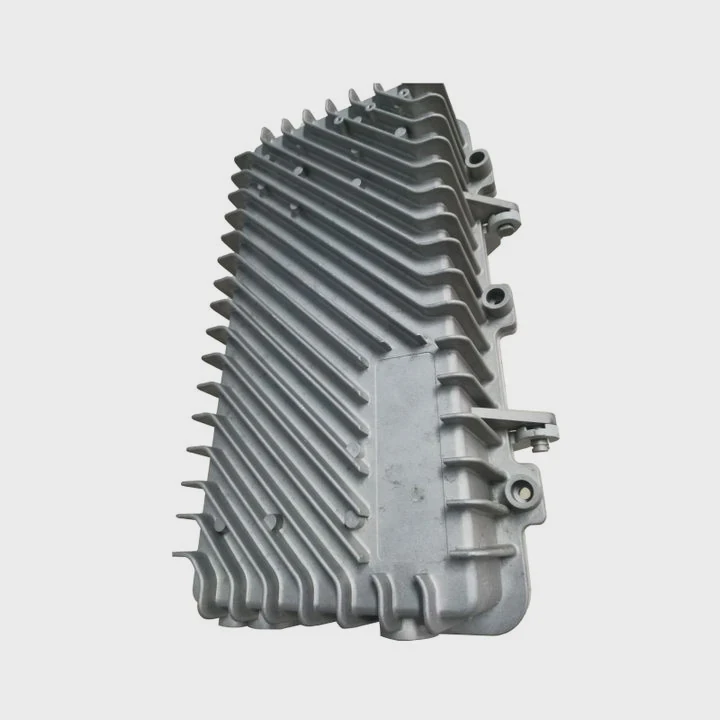
Taiwanese heat sink and vapor chamber manufacturers rarely reference CNS numbers in their product documentation. Instead, they list internal quality protocols like:
- Thermal resistance testing (°C/W)
- Flatness and thickness measurement
- Vacuum leakage tests
- Thermal shock and cycle tests
- Surface oxidation or corrosion protection
Here’s a common test list example used by Taiwanese vapor chamber suppliers:
| Test Type | Purpose | Common Standard Used |
|---|---|---|
| Helium leak test | Ensure vacuum integrity | MIL-STD-883 |
| Thermal shock | Reliability under rapid cycling | JEDEC JESD22-A104 |
| Surface corrosion test | Coating resistance to humidity | CNS 8886 (General metals) |
| Life cycle test | Long-term thermal performance | Internal spec (OEM-defined) |
So while CNS may affect the coating, casing, or outer parts, the vapor chamber inside is typically qualified under customer-specific or international standards — not a CNS.
Some manufacturers may apply general CNS tests to the external aluminum or finish, but they don’t apply a vapor-chamber-specific CNS label.
Conclusion
There is no dedicated CNS standard for vapor chambers in Taiwan. These components are treated as specialized, engineered heat spreaders without direct national standardization. Exporters and buyers should focus on the full system compliance, especially under CNS RoHS, EMC, and product safety standards. Taiwanese suppliers usually follow internal test protocols or adopt international benchmarks for validation — not CNS numbers.
TAGS
Latest Articles

Volume discount levels for heat sink orders?
Buyers often ask when heat sink prices start to drop with volume. Many worry they’re overpaying for small orders. This guide explains how B2B volume pricing works for thermal components. Heat sink
21 Dec,2025
Heat sink long-term supply contract options?
Many buyers want stable pricing and reliable delivery for heat sinks. But without a clear contract, risks grow over time. This article explores how to secure better long-term supply deals. Long-term
21 Dec,2025
Tooling cost for new heat sink profiles?
Many engineers struggle to understand why tooling for custom heat sinks costs so much. They worry about budgeting and production timelines. This article breaks down the cost drivers behind tooling.
21 Dec,2025
Heat sink custom sample process steps?
Sometimes, starting a custom heat sink project feels overwhelming—too many steps, too many unknowns, and too many risks. You want a sample, but not endless delays. The process for requesting and
20 Dec,2025
Standard B2B terms for heat sink payments?
When buyers and sellers in B2B heat sink markets talk about payment, many don’t fully understand what’s standard. This can lead to delayed orders, miscommunication, and even lost business
20 Dec,2025
Heat sink pricing factors for large orders?
Heat sinks are vital for many systems. When prices rise, projects stall and budgets break. This problem can hit teams hard without warning. Large order heat sink pricing depends on many factors. You
20 Dec,2025Related Articles
- Required extrusion process for Vapor Chamber parts?
- Vapor Chamber surface treatment standards?
- Vapor Chamber available ISO certifications?
- Recommended alloy grade for Vapor Chamber
- Vapor Chamber compatibility with aluminum alloy 6061?
- What is the maximum size of Vapor Chamber
- Vapor Chamber CE certificate requirements?
- Standard packaging for Vapor Chamber shipping?
- Does Vapor Chamber comply with REACH?
- Vapor Chamber vacuum testing procedure?
- Vapor Chamber CNC machining capability limits?
- Vapor Chamber RoHS compliance check?
Author
Dr. Emily Chen
Chief AI Researcher
Leading expert in thermal dynamics and AI optimization with over 15 years of experience in data center efficiency research.
Categories
Latest Products






Recommend Categories
- Liquid cooling plate Manufacturer
- Industrial Heat Sink Manufacturer
- Standard Heat Sink Manufacturer
- Aluminum Heat Sink Manufacturer
- Copper Heat Sink Manufacturer
- Anodized Heatsink Manufacturer
- Stamping heat sink Manufacturer
- Die Casting Heatsink Manufacturer
- Soldering heat sink Manufacturer
- CNC Parts Manufacturer
Latest Products
- Wholesale Aluminum Radiator
- Water Cooling Plate Kit
- Water Cooling Heat Sink
- Water Cooling Heat Sink Kit
- Stainless Steel Water Distributor
- Server Water Cooling Plate Kit
- Server Liquid Cooling System
- Server Aluminum Cooling Kit
- S19 Full Cover Cooling Plate
- S19 Cooling Plate Kit
- S19 Aluminum Cooling Plate
Contact Expert
Have questions about this article? Reach out to our experts directly.