Vapor Chamber CNC machining capability limits?
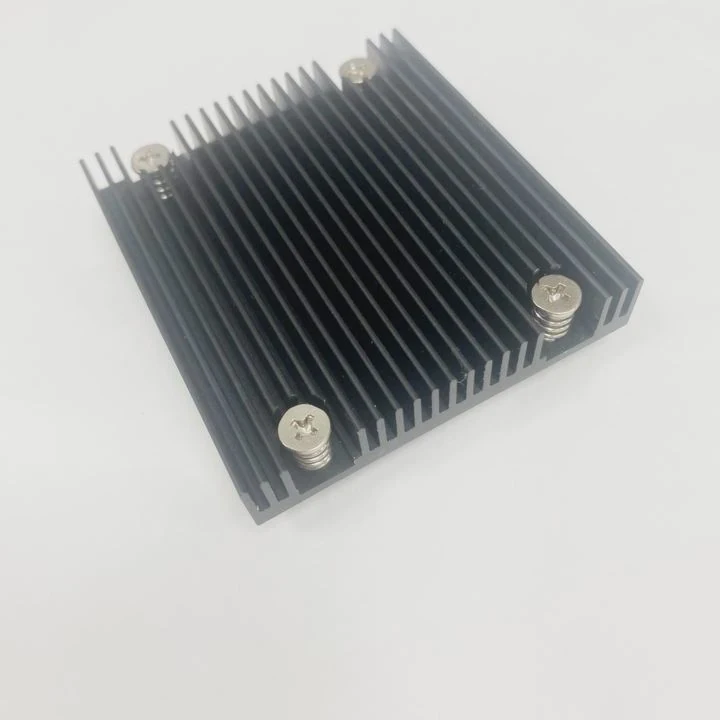
Many engineers assume vapor chambers can be machined as easily as any metal part. But once production begins, limits in tool access, wall thickness, and machine envelope can quickly show up.
CNC machining for vapor chambers has specific limits based on size, wall thickness, feature detail, and equipment capability. Understanding these helps avoid rework, deformation, or rejection.
In this article, we’ll explore real machining constraints and how to manage them across suppliers.
What are the CNC machining capability limits for Vapor Chambers (size, thickness, feature detail)?
Assuming CNC can produce any shape is common. But when working with vapor chambers, especially thin-walled or large-area ones, many designs push beyond what machines can handle safely.
Typical machining limits for vapor chambers include maximum size under 300 mm, wall thickness no less than 0.5 mm, and feature details such as holes and channels above 0.76 mm diameter or radius.
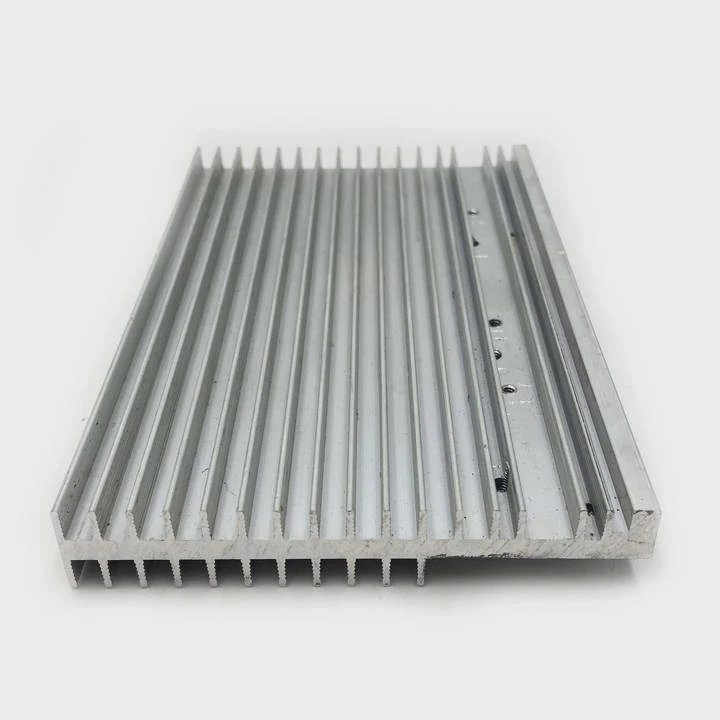
Typical machining limits
| Parameter | Recommended Range |
|---|---|
| Max. part size | ≤ 300 × 300 mm |
| Wall thickness | ≥ 0.5 mm |
| Min. hole diameter | ≥ 0.76 mm |
| Min. pocket radius | ≥ 0.4 mm |
| Surface flatness | ≤ 0.05 mm (depends on area) |
For thin walls, anything under 0.5 mm is risky due to vibration and deformation during milling. Vapor chambers often rely on internal cavities, which can collapse if the shell is too thin or the tool forces too aggressive.
Micro-channels, narrow grooves, and fine patterns are often avoided unless made by secondary processes such as chemical etching, laser machining, or EDM.
Most chamber bodies are flat plates. When those plates are CNC-machined, only one side may be processed unless extra steps are taken to maintain flatness and prevent warping.
Do machine tool size or fixture cause constraints in Vapor Chamber machining?
Many designers don’t consider how the part fits onto the CNC table or how it’s clamped. Poor fixturing leads to chatter, movement, and poor dimensional results.
Yes, machine tool envelope and fixture system directly affect vapor chamber size limits, accuracy, and wall stability during machining.
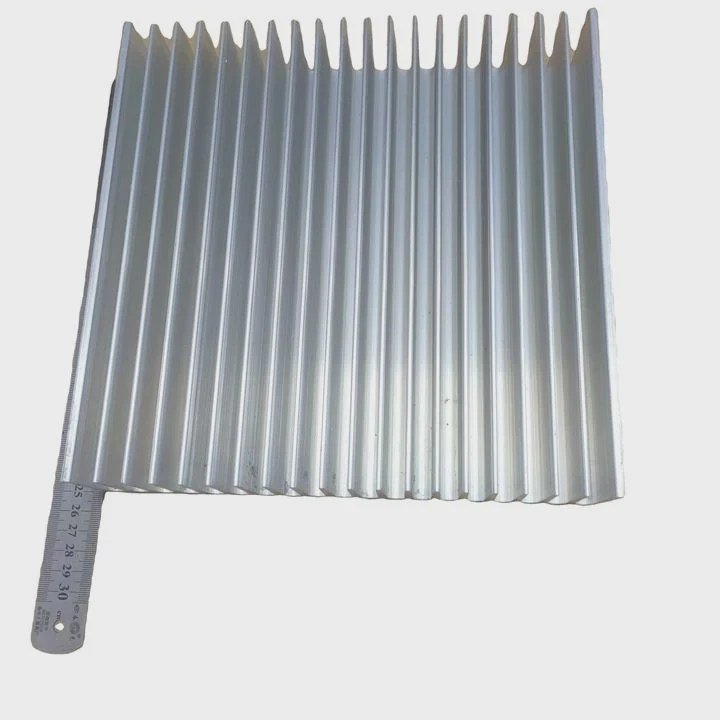
Machine limitations to watch
- Travel range: A typical 3-axis CNC mill might have X/Y travel of 500–1000 mm. A vapor chamber needs space not only for the part but for clamps and tool clearance.
- Spindle reach: Deep pockets or narrow channels may be inaccessible unless long or special tools are used, which increases vibration.
- Fixture points: For flat aluminum sheets, vacuum fixtures or low-profile clamps are preferred. Traditional clamps may deform thin plates.
- Repositioning risk: If multiple faces need machining, flipping the part must be done carefully with precision fixtures to avoid misalignment.
In many shops, the combination of tool size, fixture rigidity, and flatness control means parts over 300 mm may need specialized equipment.
What is the minimum feature size or radius achievable for Vapor Chambers?
Pushing too hard for fine detail leads to high cost or failed parts. CNC tools are round — so sharp corners are impossible.
The smallest reliable feature size for vapor chamber machining is about 0.76 mm for holes, 0.4 mm for corner radius, and 0.5 mm for wall thickness.
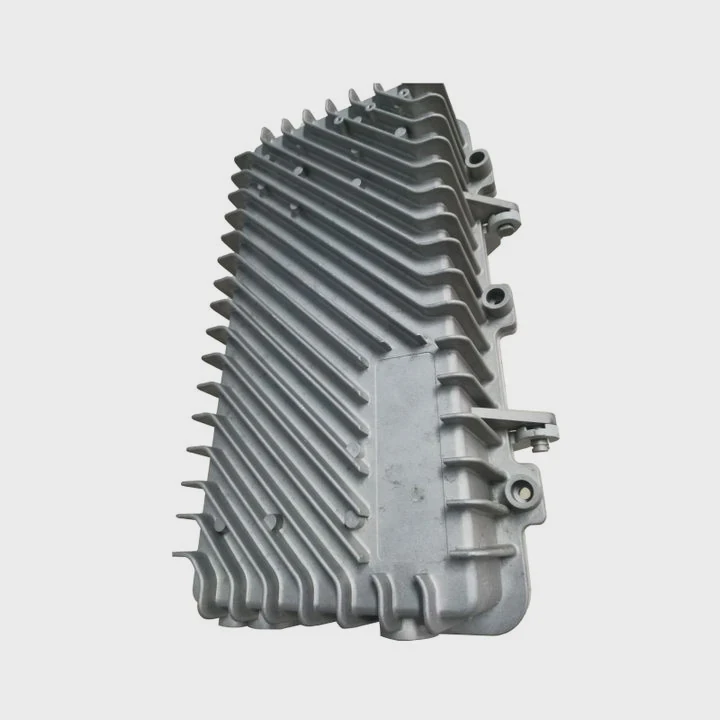
Minimum sizes depend on:
- Tool diameter: Smallest common end mill sizes are around 1 mm. Going below increases risk of breakage.
- Wall vibration: Thin vapor chamber walls deform easily. Trying to cut fine grooves can bend the material.
- Heat and burrs: Micro-features are harder to deburr. Edge quality may not meet spec without post-processing.
Design tips
- Use fillets instead of sharp corners.
- Avoid deep narrow pockets (>3:1 depth-to-width ratio).
- Avoid unsupported thin walls next to large cavities.
- Leave generous radii wherever possible.
If sub-millimeter channels or internal fins are needed, consider combining CNC with EDM or etching for hybrid manufacturing.
How does machining capacity vary between suppliers?
Not every factory uses the same equipment. Some have 5-axis CNC centers and aluminum-specific tooling; others rely on manual setups or older machines.
Machining capacity differs widely between suppliers, depending on their machine size, fixture ability, tool range, and thermal part experience.
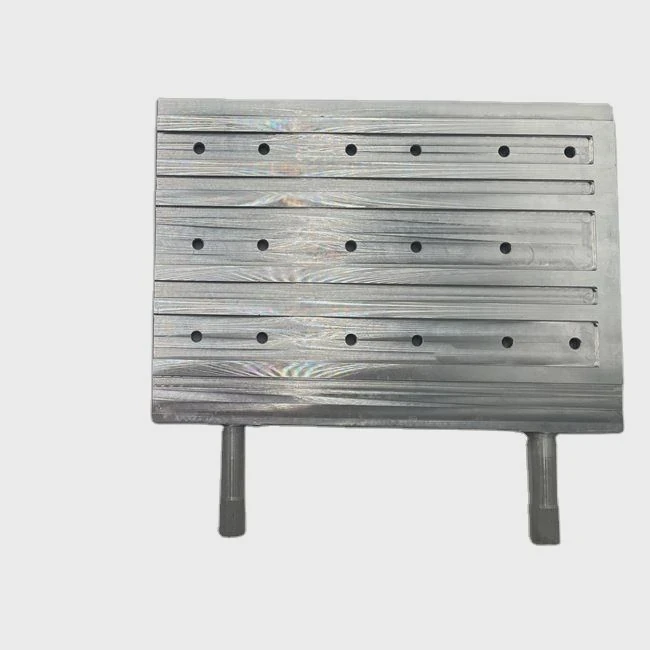
Supplier comparison by machining ability
| Capability | High-end Supplier | Basic Supplier |
|---|---|---|
| Max size | 300+ mm | ≤ 200 mm |
| Thin wall (≤0.5 mm) | Reliable | Risk of deformation |
| 5-axis work | Yes | No |
| Fixture stability | Custom jigs | Standard clamps |
| Material handling | Vacuum + stress relief | Manual setups |
| Inspection | CMM, flatness gauge | Calipers, manual |
High-end suppliers also tend to manage post-welding deformation better. If the vapor chamber is CNC-machined after being welded or bonded, heat stress may warp the part. Experienced suppliers use flatness compensation or stress-relieving steps.
Smaller or less specialized suppliers may reject fine features, increase wall thickness, or skip critical inspection. That creates risk for critical systems in telecom, aerospace, or medical sectors.
When sourcing vapor chamber machining, always ask:
- Max and min part size handled
- Thinnest wall they’ve machined
- Feature detail tolerance
- Sample photos or QC records
Conclusion
Vapor chamber CNC machining works well within defined size, wall thickness, and feature limits. Max part sizes near 300 mm, walls above 0.5 mm, and features above 0.76 mm are considered stable. Machine size and fixturing set hard limits, while supplier capability defines consistency. For reliable results, match design complexity to the real limits of CNC tools and shop experience.
TAGS
Latest Articles

Volume discount levels for heat sink orders?
Buyers often ask when heat sink prices start to drop with volume. Many worry they’re overpaying for small orders. This guide explains how B2B volume pricing works for thermal components. Heat sink
21 Dec,2025
Heat sink long-term supply contract options?
Many buyers want stable pricing and reliable delivery for heat sinks. But without a clear contract, risks grow over time. This article explores how to secure better long-term supply deals. Long-term
21 Dec,2025
Tooling cost for new heat sink profiles?
Many engineers struggle to understand why tooling for custom heat sinks costs so much. They worry about budgeting and production timelines. This article breaks down the cost drivers behind tooling.
21 Dec,2025
Heat sink custom sample process steps?
Sometimes, starting a custom heat sink project feels overwhelming—too many steps, too many unknowns, and too many risks. You want a sample, but not endless delays. The process for requesting and
20 Dec,2025
Standard B2B terms for heat sink payments?
When buyers and sellers in B2B heat sink markets talk about payment, many don’t fully understand what’s standard. This can lead to delayed orders, miscommunication, and even lost business
20 Dec,2025
Heat sink pricing factors for large orders?
Heat sinks are vital for many systems. When prices rise, projects stall and budgets break. This problem can hit teams hard without warning. Large order heat sink pricing depends on many factors. You
20 Dec,2025Related Articles
- Vapor Chamber vacuum testing procedure?
- Does Vapor Chamber comply with REACH?
- Standard packaging for Vapor Chamber shipping?
- Vapor Chamber CE certificate requirements?
- Need CNS standard for Vapor Chamber?
- Required extrusion process for Vapor Chamber parts?
- Vapor Chamber RoHS compliance check?
- Vapor Chamber inspection standards ISO?
- Vapor Chamber efficiency in heat exchanger systems?
- Industrial Vapor Chamber for power electronics?
- Safety regulations for Vapor Chamber materials?
- Vapor Chamber working temperature range?
Author
Dr. Emily Chen
Chief AI Researcher
Leading expert in thermal dynamics and AI optimization with over 15 years of experience in data center efficiency research.
Categories
Latest Products






Recommend Categories
- Liquid cooling plate Manufacturer
- Industrial Heat Sink Manufacturer
- Standard Heat Sink Manufacturer
- Aluminum Heat Sink Manufacturer
- Copper Heat Sink Manufacturer
- Anodized Heatsink Manufacturer
- Stamping heat sink Manufacturer
- Die Casting Heatsink Manufacturer
- Soldering heat sink Manufacturer
- CNC Parts Manufacturer
Latest Products
- Wholesale Aluminum Radiator
- Water Cooling Plate Kit
- Water Cooling Heat Sink
- Water Cooling Heat Sink Kit
- Stainless Steel Water Distributor
- Server Water Cooling Plate Kit
- Server Liquid Cooling System
- Server Aluminum Cooling Kit
- S19 Full Cover Cooling Plate
- S19 Cooling Plate Kit
- S19 Aluminum Cooling Plate
Contact Expert
Have questions about this article? Reach out to our experts directly.