Vapor Chamber RoHS compliance check?
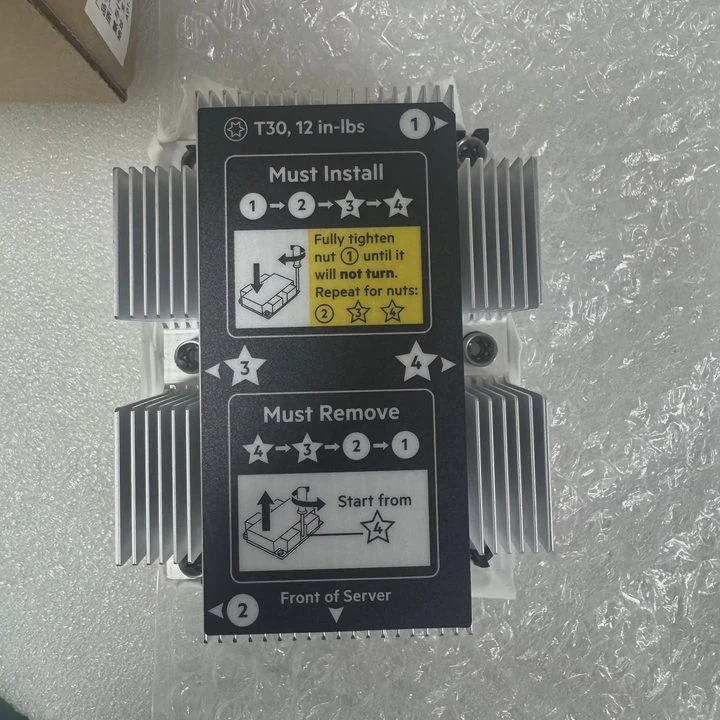
Many assume metal components like vapor chambers are naturally RoHS compliant. That mistake can lead to failed audits or blocked shipments.
Vapor chambers must undergo RoHS checks to ensure restricted substances like lead, cadmium or flame retardants do not exceed allowed limits in any material.
This article walks through how to verify RoHS compliance for vapor chambers, what risks to watch for, and what documents buyers should collect.
How to perform a RoHS compliance check for Vapor Chambers?
Not every supplier tests every batch. Some only assume their materials are clean. This can lead to silent failures in audits.
To check RoHS compliance, evaluate all homogeneous materials in the vapor chamber, perform testing for restricted substances, and collect documentation that proves the part meets the directive.
Start with a Bill of Materials (BOM). Identify each component:
- Base metal plates (usually aluminum or copper)
- Brazing or solder alloys
- Surface coatings
- Wick structures (may include adhesives or binders)
- Flux residues or cleaning agents
- Plastic or polymer parts (if any)
- Labels or packaging materials
RoHS compliance applies to each homogeneous material, not just the overall assembly. Each must meet limits for 10 restricted substances.
Recommended test steps:
- Gather all materials used
- Use XRF or chemical analysis to check for:
- Lead (Pb)
- Cadmium (Cd)
- Mercury (Hg)
- Hexavalent Chromium (Cr6+)
- PBB / PBDE (for plastics)
- DEHP, BBP, DBP, DIBP (phthalates)
- Lead (Pb)
- Compare with legal thresholds
- Document results in a RoHS report
- Issue a formal compliance declaration
Failure to check every material may cause issues later in CE marking or customer acceptance.
Which substances restricted by RoHS may appear in Vapor Chambers?
RoHS targets harmful substances often used in electronics or metal finishing. Some of these may still exist in older materials or coatings.
Substances of concern for vapor chambers include lead in solder, hexavalent chromium in coatings, and phthalates in adhesives or packaging.
Breakdown of possible risks:
| Substance | Potential Source in Vapor Chamber |
|---|---|
| Lead (Pb) | Brazing alloy, solder joints |
| Cadmium (Cd) | Old plating, solders |
| Hexavalent Chromium (Cr⁶⁺) | Chromate conversion coatings |
| PBB / PBDE | Polymer bonding agents or labels |
| Phthalates (DEHP, DBP, BBP, DIBP) | Plastic gaskets, label adhesives, packaging |
| Mercury (Hg) | Unlikely in modern designs |
Even if the chamber is 95% aluminum, a thin coating layer with Cr⁶⁺ or a solder seam with Pb may still cause failure.
Some suppliers mistakenly assume RoHS doesn’t apply because the part is “not electronic.” But vapor chambers become part of electronics, so they must follow the rules.
Do suppliers issue RoHS test certificates for Vapor Chambers?
Many suppliers say “RoHS Compliant” on their datasheets. But without proof, the claim is meaningless.
Yes, responsible suppliers issue RoHS compliance declarations along with test reports — typically using XRF or full chemical analysis.
What a good RoHS certificate includes:
- Reference to Directive 2011/65/EU and amendments
- List of 10 restricted substances
- Statement that none exceed legal thresholds in any homogeneous material
- Part number and batch number
- Signature of responsible person
- Date of declaration
- Optional: supporting test reports (XRF, FTIR, GC-MS)
Many suppliers also provide Material Declarations:
- Detailed breakdown of materials used
- Origin and chemical content
- SVHC (Substance of Very High Concern) declarations if needed
Key reminder:
- RoHS compliance is often self-declared, but must be based on data.
- Buyers should ask for actual test reports — not just a logo on the label.
If the vapor chamber uses leaded solder or chromate coating, it will likely fail unless exemption applies. And for exports to the EU, RoHS non-compliance is not accepted.
What documentation should buyers request to verify RoHS compliance?
Buyers must collect proper documentation to protect themselves in audits or CE assessments. Just asking “Is it RoHS compliant?” is not enough.
Buyers should request declarations, material breakdowns, and testing records that prove the vapor chamber is free of restricted substances above limits.
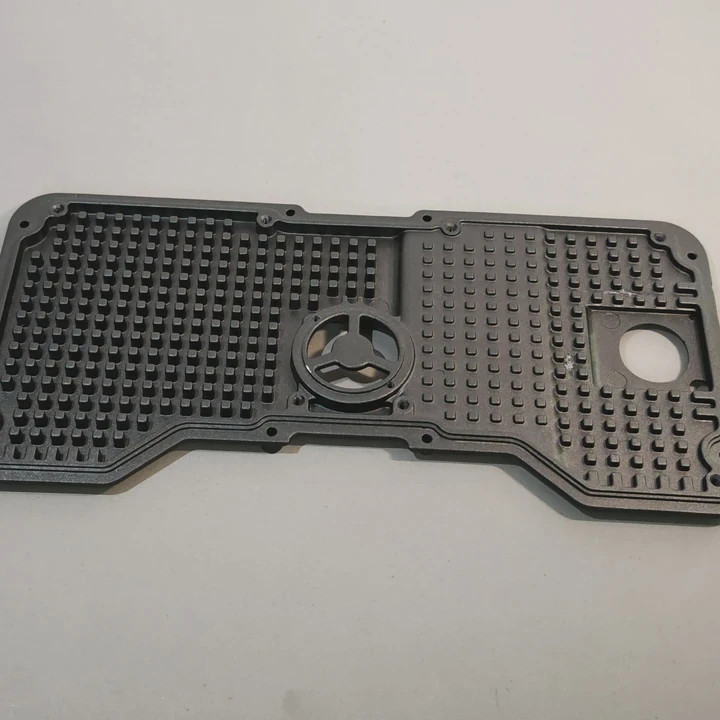
Buyer checklist for RoHS compliance verification:
| Document | Purpose |
|---|---|
| RoHS Declaration of Conformity | Confirms part meets RoHS 10-substance limits |
| Full BOM with materials | Identifies every material used |
| XRF / chemical test reports | Proves materials were checked |
| Traceability info (batch #, part #) | Links test data to shipped items |
| Packaging declaration (if applicable) | Ensures boxes/labels also comply |
| Supplier contact and signature | Accountability for claims |
Also ensure:
- Documents are dated and reference the current RoHS directive version
- Test methods are listed (XRF, ICP-OES, etc.)
- Reports are recent (within 1 year is typical for repeat parts)
Without these documents, buyers risk delays at customs, fines, or project delays during client audits.
Conclusion
RoHS compliance for vapor chambers is not automatic. Buyers and suppliers must evaluate every material — from metals to coatings and adhesives — to ensure no restricted substances exceed limits. Good documentation, including test reports and formal declarations, protects supply chains and ensures legal access to RoHS markets like the EU.
TAGS
Latest Articles

Volume discount levels for heat sink orders?
Buyers often ask when heat sink prices start to drop with volume. Many worry they’re overpaying for small orders. This guide explains how B2B volume pricing works for thermal components. Heat sink
21 Dec,2025
Heat sink long-term supply contract options?
Many buyers want stable pricing and reliable delivery for heat sinks. But without a clear contract, risks grow over time. This article explores how to secure better long-term supply deals. Long-term
21 Dec,2025
Tooling cost for new heat sink profiles?
Many engineers struggle to understand why tooling for custom heat sinks costs so much. They worry about budgeting and production timelines. This article breaks down the cost drivers behind tooling.
21 Dec,2025
Heat sink custom sample process steps?
Sometimes, starting a custom heat sink project feels overwhelming—too many steps, too many unknowns, and too many risks. You want a sample, but not endless delays. The process for requesting and
20 Dec,2025
Standard B2B terms for heat sink payments?
When buyers and sellers in B2B heat sink markets talk about payment, many don’t fully understand what’s standard. This can lead to delayed orders, miscommunication, and even lost business
20 Dec,2025
Heat sink pricing factors for large orders?
Heat sinks are vital for many systems. When prices rise, projects stall and budgets break. This problem can hit teams hard without warning. Large order heat sink pricing depends on many factors. You
20 Dec,2025Related Articles
- Vapor Chamber CNC machining capability limits?
- Vapor Chamber vacuum testing procedure?
- Does Vapor Chamber comply with REACH?
- Standard packaging for Vapor Chamber shipping?
- Vapor Chamber CE certificate requirements?
- Need CNS standard for Vapor Chamber?
- Vapor Chamber inspection standards ISO?
- Vapor Chamber efficiency in heat exchanger systems?
- Industrial Vapor Chamber for power electronics?
- Safety regulations for Vapor Chamber materials?
- Vapor Chamber working temperature range?
- Vapor Chamber pressure resistance rating?
Author
Dr. Emily Chen
Chief AI Researcher
Leading expert in thermal dynamics and AI optimization with over 15 years of experience in data center efficiency research.
Categories
Latest Products






Recommend Categories
- Liquid cooling plate Manufacturer
- Industrial Heat Sink Manufacturer
- Standard Heat Sink Manufacturer
- Aluminum Heat Sink Manufacturer
- Copper Heat Sink Manufacturer
- Anodized Heatsink Manufacturer
- Stamping heat sink Manufacturer
- Die Casting Heatsink Manufacturer
- Soldering heat sink Manufacturer
- CNC Parts Manufacturer
Latest Products
- Wholesale Aluminum Radiator
- Water Cooling Plate Kit
- Water Cooling Heat Sink
- Water Cooling Heat Sink Kit
- Stainless Steel Water Distributor
- Server Water Cooling Plate Kit
- Server Liquid Cooling System
- Server Aluminum Cooling Kit
- S19 Full Cover Cooling Plate
- S19 Cooling Plate Kit
- S19 Aluminum Cooling Plate
Contact Expert
Have questions about this article? Reach out to our experts directly.