Recommended alloy grade for Vapor Chamber
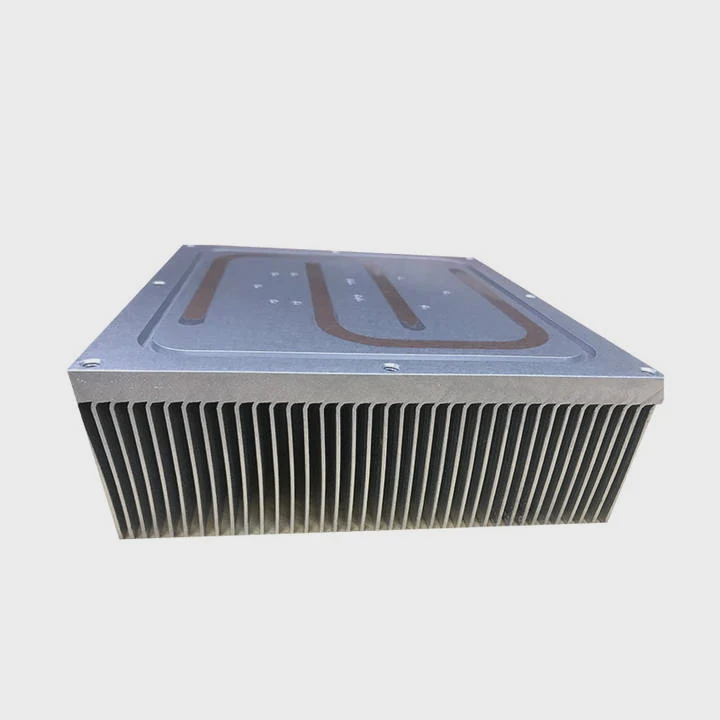
When building a vapor chamber, choosing the right metal alloy matters a lot. The alloy affects thermal conductivity, manufacturability, durability, and cost. What should engineers pick?
Copper—ideally high‑purity or oxygen‑free copper—is usually recommended for vapor chamber construction. It gives best thermal performance. Using lower‑cost copper‑based alloys or even aluminum is possible, but often comes with trade‑offs in heat transfer or longevity.
Let’s break down the key considerations and trade-offs.
Which alloy grades are recommended for Vapor Chamber construction?
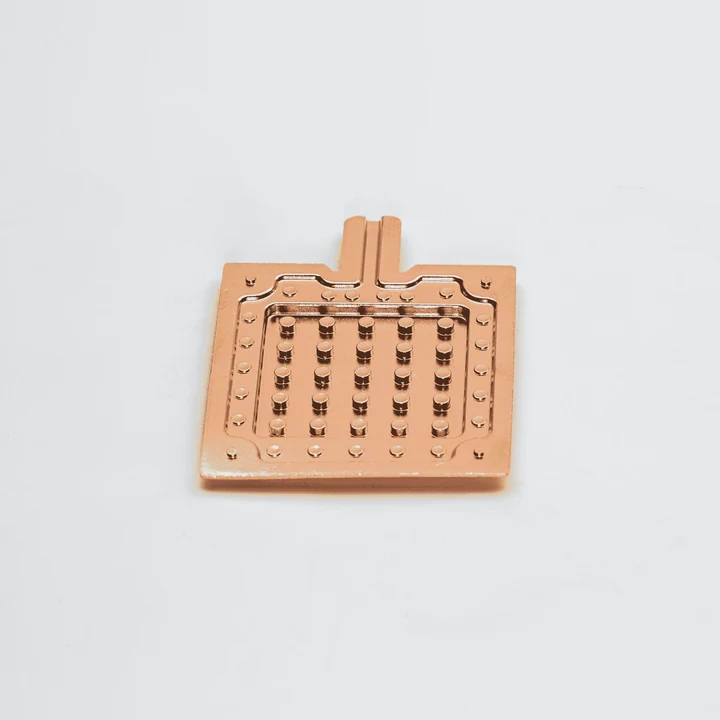
Pure copper or high-purity copper grades are most commonly used — and most recommended — for vapor chamber construction.
This is due to several technical reasons:
- Pure copper has very high thermal conductivity (~400 W/m·K), which allows heat to spread rapidly and uniformly across the surface.
- It is easy to form, bond, and weld into sealed vapor chamber structures.
- It matches well with common wick materials (like sintered copper powder) and standard working fluids such as water.
- It supports long-term durability when sealed properly via diffusion bonding or brazing.
Many engineering documents and commercial designs use copper plates + sintered wick + water as the vapor chamber’s standard combination. It offers a reliable and high-performance solution, especially in electronics cooling.
Are oxygen‑free copper or high‑purity Cu grades preferred?
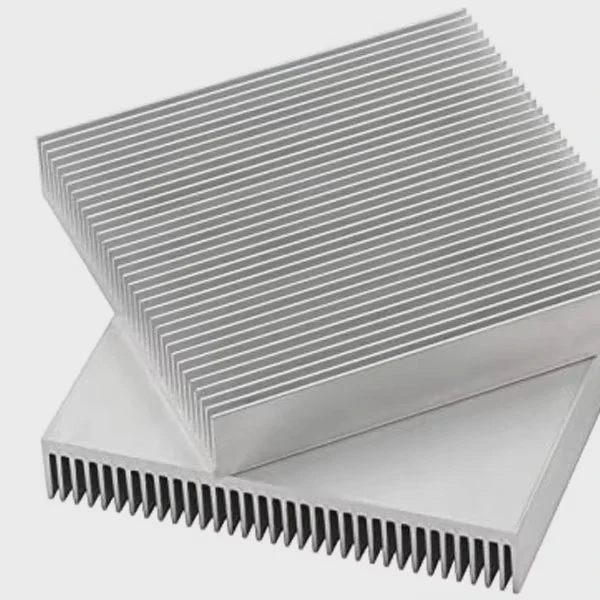
Yes, oxygen-free copper (e.g., C10200 or C11000) or other high-purity copper grades are preferred when maximum reliability, performance, or durability are critical.
Key benefits of using oxygen-free or high-purity copper include:
- More stable and higher thermal conductivity due to fewer impurities.
- Lower risk of corrosion or oxidation, especially in sealed environments or under thermal cycling.
- Better compatibility with internal components like wicks and sealing processes.
- More consistent thermal performance across large surfaces and over time.
The vapor chamber’s lifetime and performance can be compromised if low-grade or impure copper is used. That’s why top-tier suppliers typically use refined or deoxidized copper for heat spreaders, especially in mission-critical electronics or high-reliability environments.
Is it acceptable to use copper‑based alloys for cost reduction?
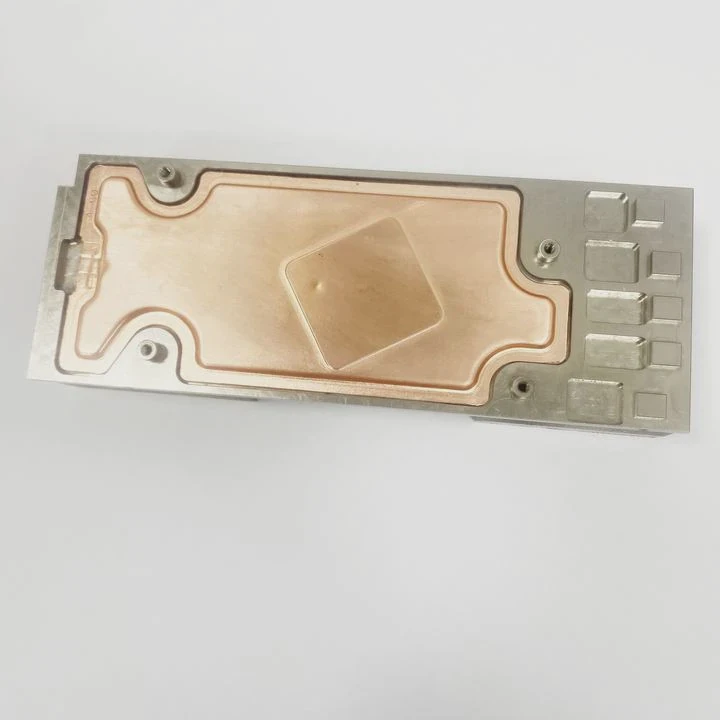
In cost-sensitive or weight-sensitive applications, some manufacturers may explore copper alloys or even aluminum alternatives. This is acceptable in specific situations — but with notable trade-offs.
Why some consider using alloys or alternatives
- Pure copper is relatively heavy and expensive. Using alloys (e.g., brass, phosphor bronze) or aluminum can reduce cost and weight.
- In moderate heat load applications or consumer products, reduced thermal performance may be acceptable.
- Aluminum-based vapor chambers are emerging in certain lightweight designs (e.g., tablets, smartphones).
Key trade-offs and drawbacks
- Copper-based alloys and aluminum have lower thermal conductivity. Aluminum, for example, ranges around 200–235 W/m·K.
- The heat spreading capability is reduced, increasing thermal resistance and hot spots.
- Alloys can complicate manufacturing, especially with wick bonding and long-term seal integrity.
- Corrosion resistance may be lower depending on the alloy composition.
These alternatives can work in light-duty systems but are not recommended for high-performance, high-reliability, or high-power-density devices.
How does alloy grade impact lifetime and thermal performance?
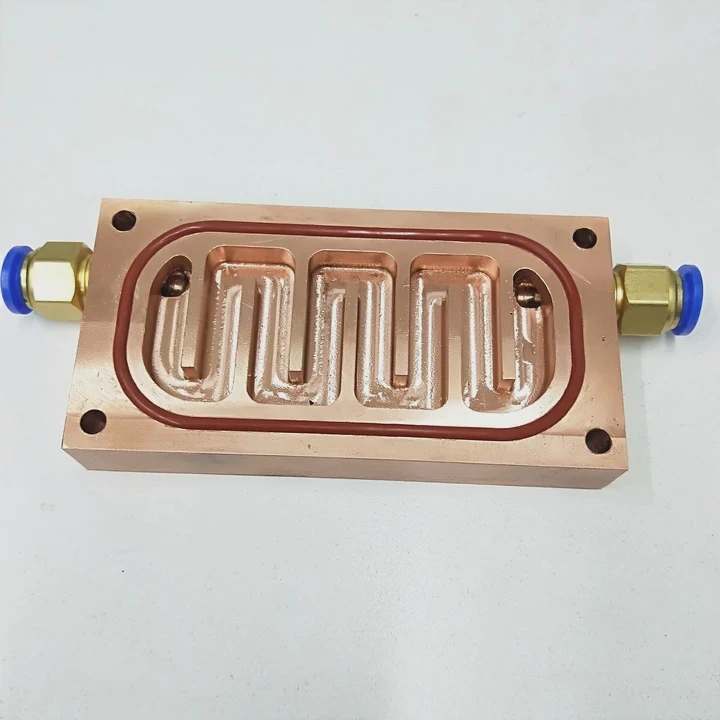
Alloy grade directly affects how well a vapor chamber performs over time and under load. Here’s a breakdown:
Thermal performance comparison
| Material | Thermal Conductivity (W/m·K) | Thermal Impact | Recommended Use |
|---|---|---|---|
| High-purity Copper | ~400 | Excellent heat spreading, low thermal resistance | High-power electronics, servers, telecom |
| Copper Alloy / Aluminum | 200–300 (typical) | Lower spreading efficiency, may have hot spots | Lightweight or low-cost consumer devices |
Using high-purity copper allows a vapor chamber to reach effective thermal conductivities far beyond any metal alone (often >2000 W/m·K in lateral spreading). In contrast, alloys or aluminum reduce this capacity — especially under high heat flux.
Lifetime and durability impact
- Alloys may degrade faster under thermal cycling, vibration, or corrosion stress.
- Poor bonding compatibility with wick structures can lead to internal dry-out or thermal failure.
- Lower strength or seal quality may result in long-term vacuum loss or working fluid degradation.
If your application involves extended runtime, rapid temperature changes, or harsh environments, using anything less than pure copper significantly increases the risk of failure.
Balancing cost, performance, and reliability
If you’re designing for a cost-sensitive consumer product with low power and limited duty cycle, copper-based alloys or aluminum may be viable.
But if you’re cooling power modules, processors, FPGAs, telecom gear, or industrial equipment — pure copper is highly recommended. It offers the best blend of performance, long-term reliability, and industry compatibility.
My recommendation
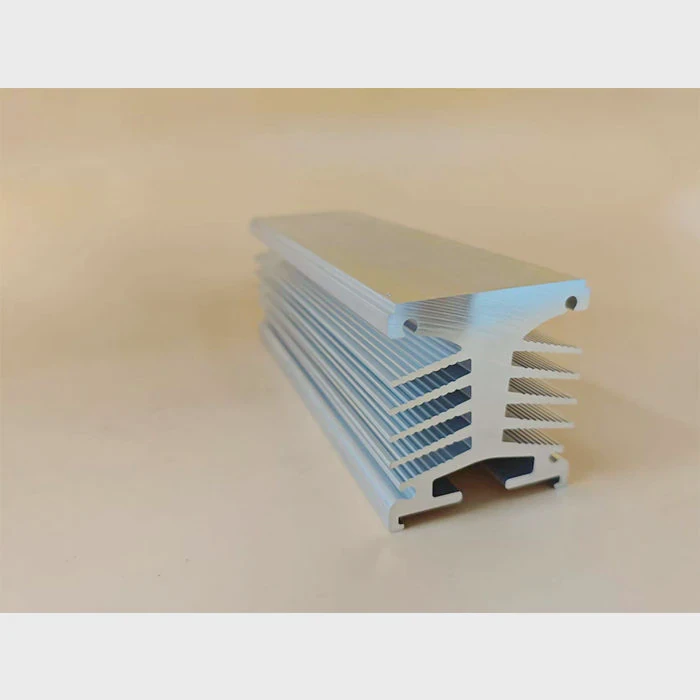
- Use high-purity, low-oxygen copper (e.g., C10200, C11000) whenever heat load or long-term reliability is a concern.
- Only use copper alloys or aluminum if weight or cost reduction is essential — and after validating thermal and mechanical performance.
- Avoid low-grade alloys in high-heat or mission-critical applications where thermal failure could damage the system.
- If you must use an alloy, ensure the internal wick structure and working fluid are compatible, and validate the sealing method through life-cycle testing.
Conclusion
Copper alloy selection plays a critical role in vapor chamber performance and longevity. High-purity copper remains the gold standard due to its thermal conductivity and compatibility with vapor-phase cooling systems. While copper alloys and aluminum can reduce cost or weight, they come with clear trade-offs. For most high-performance and high-reliability needs, sticking with pure copper is the smart move.
TAGS
Latest Articles

Volume discount levels for heat sink orders?
Buyers often ask when heat sink prices start to drop with volume. Many worry they’re overpaying for small orders. This guide explains how B2B volume pricing works for thermal components. Heat sink
21 Dec,2025
Heat sink long-term supply contract options?
Many buyers want stable pricing and reliable delivery for heat sinks. But without a clear contract, risks grow over time. This article explores how to secure better long-term supply deals. Long-term
21 Dec,2025
Tooling cost for new heat sink profiles?
Many engineers struggle to understand why tooling for custom heat sinks costs so much. They worry about budgeting and production timelines. This article breaks down the cost drivers behind tooling.
21 Dec,2025
Heat sink custom sample process steps?
Sometimes, starting a custom heat sink project feels overwhelming—too many steps, too many unknowns, and too many risks. You want a sample, but not endless delays. The process for requesting and
20 Dec,2025
Standard B2B terms for heat sink payments?
When buyers and sellers in B2B heat sink markets talk about payment, many don’t fully understand what’s standard. This can lead to delayed orders, miscommunication, and even lost business
20 Dec,2025
Heat sink pricing factors for large orders?
Heat sinks are vital for many systems. When prices rise, projects stall and budgets break. This problem can hit teams hard without warning. Large order heat sink pricing depends on many factors. You
20 Dec,2025Related Articles
- Vapor Chamber compatibility with aluminum alloy 6061?
- What is the maximum size of Vapor Chamber
- Vapor Chamber CNC machining accuracy requirements?
- Vapor Chamber sustainability certifications?
- Latest innovation in Vapor Chamber materials?
- Vapor Chamber for battery thermal runaway control?
- Vapor Chamber available ISO certifications?
- Vapor Chamber surface treatment standards?
- Required extrusion process for Vapor Chamber parts?
- Need CNS standard for Vapor Chamber?
- Vapor Chamber CE certificate requirements?
- Standard packaging for Vapor Chamber shipping?
Author
Dr. Emily Chen
Chief AI Researcher
Leading expert in thermal dynamics and AI optimization with over 15 years of experience in data center efficiency research.
Categories
Latest Products






Recommend Categories
- Liquid cooling plate Manufacturer
- Industrial Heat Sink Manufacturer
- Standard Heat Sink Manufacturer
- Aluminum Heat Sink Manufacturer
- Copper Heat Sink Manufacturer
- Anodized Heatsink Manufacturer
- Stamping heat sink Manufacturer
- Die Casting Heatsink Manufacturer
- Soldering heat sink Manufacturer
- CNC Parts Manufacturer
Latest Products
- Wholesale Aluminum Radiator
- Water Cooling Plate Kit
- Water Cooling Heat Sink
- Water Cooling Heat Sink Kit
- Stainless Steel Water Distributor
- Server Water Cooling Plate Kit
- Server Liquid Cooling System
- Server Aluminum Cooling Kit
- S19 Full Cover Cooling Plate
- S19 Cooling Plate Kit
- S19 Aluminum Cooling Plate
Contact Expert
Have questions about this article? Reach out to our experts directly.