Standard packaging for Vapor Chamber shipping?
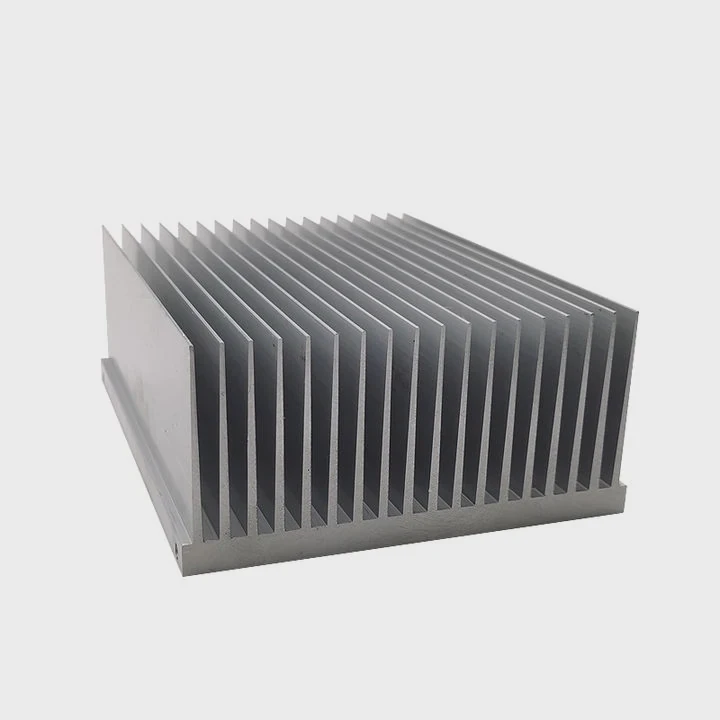
When shipping vapor chambers overseas, bad packaging can cause damage or rejections.
Good packaging ensures vapor chambers arrive intact, dry, and compliant with customer needs and shipping rules.
Let’s explore what standard packaging should look like to avoid headaches.
To understand packaging clearly, we will look at recommended practices, moisture and static controls, mechanical protection, and labeling/palletizing norms. Follow this guide to package vapor chambers like a pro.
What is the recommended standard packaging for Vapor Chambers during shipping?
Before shipping, many underestimate how fragile or sensitive vapor chambers can be. Poor packaging may lead to dents, welding damage, corrosion, or customer complaints.
Recommended standard packaging for vapor chambers uses layered protection: vacuum‑sealed or moisture‑resistant inner bags, protective foam or cardboard inserts, rigid outer boxes, and secure palletization to prevent movement and impact.
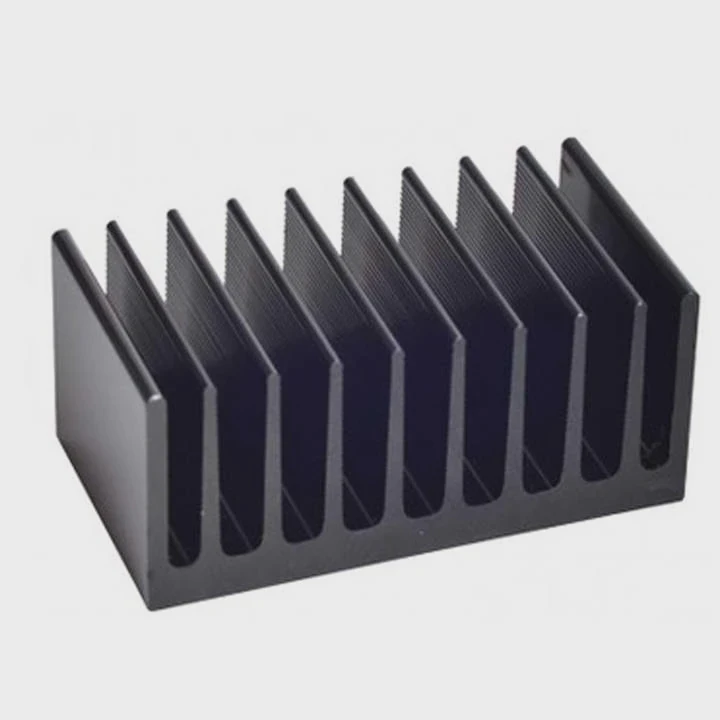
A good packaging system typically uses multiple levels of protection. The first layer is often a moisture‑resistant bag. Inside that bag, the chamber rests on foam or anti‑static foam inserts that conform to its shape. This keeps the chamber from moving inside the bag. Then the bagged chamber sits in a rigid cardboard box. The box may contain cushioning at the corners and edges so external knocks don’t directly hit the chamber.
Around the box, sometimes a second box (double‑boxing) is used. This adds buffer space and helps absorb heavier impacts. For heavy or multiple chambers, wooden crates or strong export‑grade corrugated boxes can be used. These are often required for sea freight or long‑distance overland shipping.
Standard packaging also includes internal supports or separators if multiple units ship together. This ensures units don’t touch each other. The packaging design must avoid metal‑to‑metal contact, especially at welded joints or delicate fins. Adds padding or protective film to edges and welded areas helps prevent scratches and damage during handling.
Finally, secure sealing of the outer package is essential. Straps, tape, or bands help keep the package closed. For wooden crates, screws or metal bands may be used. The packaging must withstand stacking, shifting in transit, and handling by forklifts or cranes. That means rigid construction and good cushioning.
A good packaging protocol also tracks lot or batch number, part number, quantity, and handling instructions. This helps in customs clearance and warehouse stacking.
In short: a layered system — moisture‑resistant bag + foam cushion + rigid box + secure outer packaging — is recommended. This balances protection, cost, and shipping practicality.
Are moisture barrier bags, desiccants and anti-static features required?
Many vapor chambers use metal alloys and may include solder, brazing materials, or surface coatings. These materials risk corrosion or surface degradation if exposed to moisture or contaminants.
Moisture barrier bags and desiccants are strongly recommended to prevent corrosion; anti‑static wrapping is also advised if vapor chambers are destined for electronic environments, though static risk is lower for metal parts.
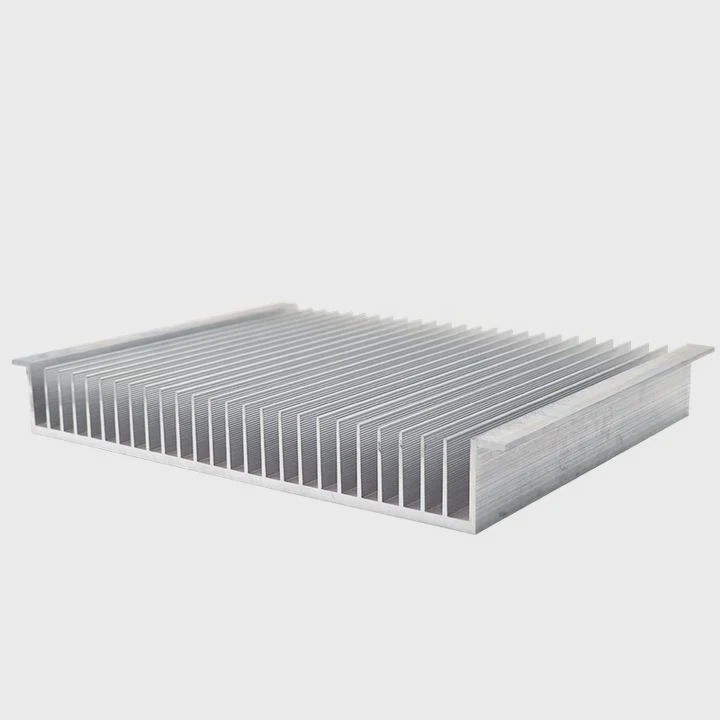
Moisture barrier bags help block water vapor and ambient humidity. When vapor chambers sit long in warehouses or transit, ambient moisture can condense, especially if temperature changes. This can cause oxidation on exposed aluminum or brazed seams. Putting desiccants inside the bag absorbs residual moisture and drops humidity to safe levels. For shipments to humid climates or on sea freight, this becomes more important. Many customers specify dry pack with desiccants to protect aluminum surfaces.
Even though vapor chambers are typically metal and passive, anti‑static packaging can help if they will be handled near sensitive electronics. Static discharge could damage nearby electronic components when the chamber is installed. Using anti‑static foam or bags may add a small cost, but it helps protect both chamber and future electronics. Especially during manufacturing or testing environments, anti‑static features help safe handling.
If the chamber is bare metal without coating, exposure to moisture is the main concern. If coatings or paints are applied, moisture plus coating chemicals might react. So moisture control becomes critical. Desiccants should be fresh and sealed inside properly. Bags should be sealed either by heat‑seal or strong adhesive/tape so no air enters.
In many quality‑conscious companies, a packaging checklist includes: inner moisture bag, desiccant pack, anti‑static foam wrap, soft cloth between metal surfaces if multiple units, then rigid box. This standard reduces risk of corrosion, scratches, or debris inside welded seams.
In summary: moisture barrier bags and desiccants are not always legally required, but they are best practice. Anti‑static packaging is optional but wise if products go into electronic assemblies.
Should packaging protect against mechanical shock and electrostatic discharge?
During transit, packages face rough handling, drops, compression, and vibration. A delicate vapor chamber can suffer dents, fin deformation, or weld stress under such conditions.
Packaging should offer robust protection against mechanical shock and vibration. It should also minimize risk of electrostatic discharge by using anti‑static or conductive layers when needed.
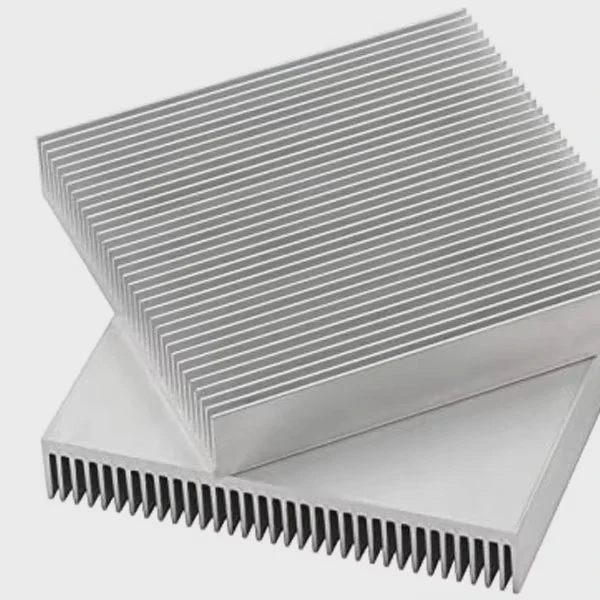
To guard against mechanical damage, packaging must include cushioning and rigid structure. Foam inserts or custom-shaped foam holds the chamber firmly. The foam should cradle the chamber at multiple contact points so it cannot move. Edges, fins, and welded areas get soft buffers. For heavy boxes, using thick corrugated board or wooden crates helps resist compression or stacking pressure.
For additive safety, some packages include corner protectors or corner-block foam. This distributes impact force if the box is dropped. Cushioning should allow some deformation to absorb shocks rather than transmit them to the chamber.
If multiple vapor chambers ship together, packaging must separate them. Use dividers, individual foam slots, or nested trays. Without separation, vibration or impact could cause chambers to bang against each other. That might scratch surfaces or damage delicate welded seams.
For long shipments (sea, rail, overseas), vibration over time can fatigue welding points or joints. In such cases, adding padding and securing chambers inside the box matters more than just a simple box.
On electrostatic discharge (ESD), metal objects are less likely to fail from ESD compared to electronic boards. But ESD can still pose risk if the chamber has surface coatings, protective films, or integrated small electronic sensors (in some advanced systems). When vapor chambers are part of electronic cooling modules, ESD-safe packaging reduces risk during handling.
Using anti‑static foam, conductive bags, or ESD-safe bubble wrap helps. Also label the package as “ESD sensitive” if needed. Grounding measures when unpacking can prevent charge accumulation.
A good packaging plan for vapor chambers should include:
- Foam or padding tailored to chamber shape
- Rigid outer box or crate resistant to stacking
- Internal separators for multiple units
- Anti‑static layers if future assembly involves electronics
- Clear “handle with care” or “fragile” labels to guide handlers
If any of these are missing, the risk of physical or electrostatic damage increases. For high‑value or precision chambers going to clients who value surface finish and weld quality, this protective packaging is essential.
Are labeling and palletizing part of standard packaging specification?
When shipping internationally or in bulk, just wrapping boxes is not enough. Proper labeling and palletizing help in handling, customs processing, and warehouse storage.
Standard packaging for vapor chambers often includes clear labels, handling instructions, batch/part numbers, and palletization — especially for bulk orders — to ensure safe transport and easy logistics.
Labeling is critical. Each package should show part number, batch or serial number, quantity, gross and net weight, handling marks (like “Fragile”, “Keep Dry”, “Do Not Stack”), and origin or exporter info. This helps workers handle the package correctly. It also helps when shipments pass customs or quality inspection at the destination. Without proper labels, packages may be mishandled, lost, or delayed.
For bulk orders or many small boxes, palletizing is common. Palletizing means stacking boxes on a pallet, securing them with shrink wrap, bands, or straps, and adding corner protectors. Pallets make movement easier with forklifts and reduce manual handling. Good palletizing avoids box deformation and protects contents from pressure or shifting during transit.
Here is a simple guideline often used:
| Item | Notes |
|---|---|
| Pallet type | Use export‑grade wooden or plastic pallets |
| Box stacking | Stack so load is even, no overhang |
| Straps or bands | Use polypropylene or steel bands to secure boxes |
| Shrink wrap / cover sheet | Adds dust and moisture protection |
| Corner guards | Protect edges from straps or sides pressing |
When pallets load into containers or trucks, they face shifting and pressure. Proper palletizing reduces risk of boxes tipping or sliding. For heavy or large vapor chamber crates, pallets also help distribute weight evenly.
Some clients or freight forwarders require special labeling like “CE components”, “Metal parts – not fragile,” or “Contains hazardous materials” (if working fluid or coating chemicals are restricted). We must comply with such requirements or provide documentation.
Also if packages are meant for warehousing or long‑term storage, labeling helps tracking inventory, batch control, and traceability. Good labeling supports quality control and after‑sale service.
In sum: labeling and palletizing should be integral parts of packaging specification. They make shipping safer and logistics cleaner.
Conclusion
Standard packaging for vapor chambers should mix moisture control, shock protection, clear labeling, and secure palletizing. This ensures safe arrival and clean delivery. Careful packaging builds customer trust and reduces risk of damage or return.
TAGS
Latest Articles

Volume discount levels for heat sink orders?
Buyers often ask when heat sink prices start to drop with volume. Many worry they’re overpaying for small orders. This guide explains how B2B volume pricing works for thermal components. Heat sink
21 Dec,2025
Heat sink long-term supply contract options?
Many buyers want stable pricing and reliable delivery for heat sinks. But without a clear contract, risks grow over time. This article explores how to secure better long-term supply deals. Long-term
21 Dec,2025
Tooling cost for new heat sink profiles?
Many engineers struggle to understand why tooling for custom heat sinks costs so much. They worry about budgeting and production timelines. This article breaks down the cost drivers behind tooling.
21 Dec,2025
Heat sink custom sample process steps?
Sometimes, starting a custom heat sink project feels overwhelming—too many steps, too many unknowns, and too many risks. You want a sample, but not endless delays. The process for requesting and
20 Dec,2025
Standard B2B terms for heat sink payments?
When buyers and sellers in B2B heat sink markets talk about payment, many don’t fully understand what’s standard. This can lead to delayed orders, miscommunication, and even lost business
20 Dec,2025
Heat sink pricing factors for large orders?
Heat sinks are vital for many systems. When prices rise, projects stall and budgets break. This problem can hit teams hard without warning. Large order heat sink pricing depends on many factors. You
20 Dec,2025Related Articles
- Vapor Chamber CE certificate requirements?
- Need CNS standard for Vapor Chamber?
- Required extrusion process for Vapor Chamber parts?
- Vapor Chamber surface treatment standards?
- Vapor Chamber available ISO certifications?
- Recommended alloy grade for Vapor Chamber
- Does Vapor Chamber comply with REACH?
- Vapor Chamber vacuum testing procedure?
- Vapor Chamber CNC machining capability limits?
- Vapor Chamber RoHS compliance check?
- Vapor Chamber inspection standards ISO?
- Vapor Chamber efficiency in heat exchanger systems?
Author
Dr. Emily Chen
Chief AI Researcher
Leading expert in thermal dynamics and AI optimization with over 15 years of experience in data center efficiency research.
Categories
Latest Products






Recommend Categories
- Liquid cooling plate Manufacturer
- Industrial Heat Sink Manufacturer
- Standard Heat Sink Manufacturer
- Aluminum Heat Sink Manufacturer
- Copper Heat Sink Manufacturer
- Anodized Heatsink Manufacturer
- Stamping heat sink Manufacturer
- Die Casting Heatsink Manufacturer
- Soldering heat sink Manufacturer
- CNC Parts Manufacturer
Latest Products
- Wholesale Aluminum Radiator
- Water Cooling Plate Kit
- Water Cooling Heat Sink
- Water Cooling Heat Sink Kit
- Stainless Steel Water Distributor
- Server Water Cooling Plate Kit
- Server Liquid Cooling System
- Server Aluminum Cooling Kit
- S19 Full Cover Cooling Plate
- S19 Cooling Plate Kit
- S19 Aluminum Cooling Plate
Contact Expert
Have questions about this article? Reach out to our experts directly.