Vapor Chamber CE certificate requirements?
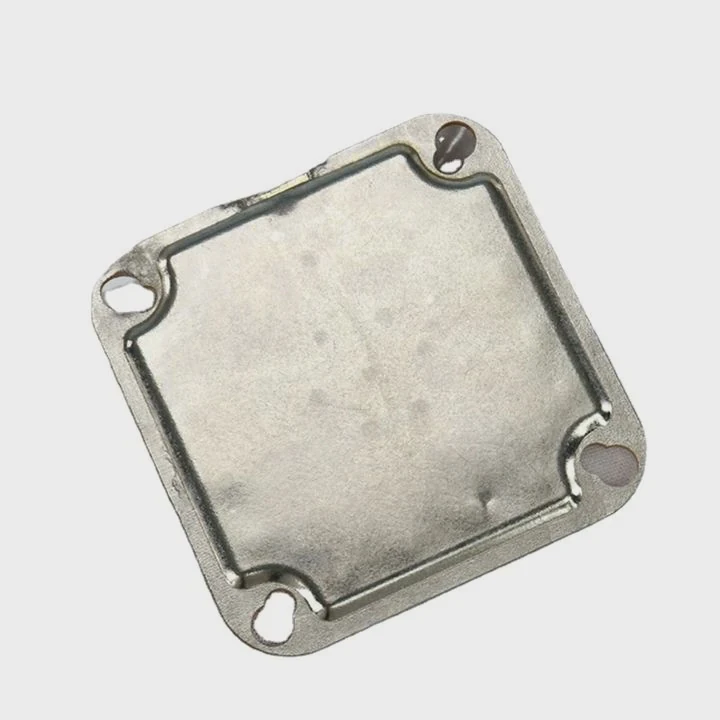
When exporting vapor chambers to the EU, many overlook CE compliance. This can lead to customs delays or product recalls.
To get a CE certificate for vapor chambers, manufacturers must meet EU safety and environmental regulations, complete conformity assessments, and maintain proper technical documentation.
Understanding what’s required helps avoid delays and builds trust with buyers. Below, we break down each part of the CE process for vapor chambers.
What requirements are needed for a CE certificate for Vapor Chambers?
Some assume vapor chambers don’t need documentation. But missing one form can stop the whole shipment.
Vapor chambers require a technical file, conformity declaration, chemical test reports, and proper CE labeling to meet EU standards.
To comply, we prepare a technical file with detailed product information. This includes:
📄 Key contents of a CE technical file
| Section | Description |
|---|---|
| Product description | Dimensions, materials, function |
| Design drawings | Engineering drawings with tolerances |
| Bill of materials | Metals, working fluid, coatings |
| Risk assessment | Any hazards under normal use |
| Test reports | RoHS, REACH, mechanical stress data |
| Instructions | Use, assembly, storage if applicable |
Every vapor chamber must go through a risk evaluation. Though passive, it still may contain substances (e.g. working fluids or brazing metals) that need review under REACH or RoHS.
Once testing is done, we draft a Declaration of Conformity (DoC). This statement confirms that the vapor chamber meets relevant directives and harmonized standards. It must be signed and stored for 10 years.
The last step is marking the product. The CE logo must be applied visibly and legibly, along with traceability info like batch code and manufacturing address. This makes inspections fast and smooth.
Which EU directives apply when Vapor Chambers are sold in Europe?
Not all directives apply to every product. Choosing the wrong one causes confusion and delays.
Vapor chambers must follow chemical and safety directives like RoHS, REACH, and potentially Low Voltage or Machinery Directive if integrated into systems.
Which directive applies depends on how the vapor chamber is used. Here’s a breakdown:
📜 Key EU directives to consider
| Directive | Applies if… | Why it matters |
|---|---|---|
| RoHS 2011/65/EU | Used in electronics | Limits heavy metals like Pb, Cd |
| REACH EC 1907⁄2006 | Contains SVHC chemicals | Requires registration or restriction |
| Low Voltage 2014/35/EU | Installed in powered device | Ensures electrical safety |
| Machinery 2006/42/EC | Built into moving parts | Prevents mechanical risks |
| GPSD 2001/95/EC | Used by consumers | Ensures general product safety |
In most cases, vapor chambers are passive parts. So RoHS and REACH are most common. If they are installed in devices with power or motors, then low voltage or machinery directives apply.
We use harmonized standards when possible. These are pre-approved test methods that make CE easier. Following EN 50581 for RoHS, for instance, helps pass inspections with less paperwork.
So we always define how our product will be used, then map the correct directives and standards to that use case.
Who issues the CE certificate and what tests are needed?
Buyers often ask for the “CE certificate.” But many don’t realize it’s usually self-issued.
For vapor chambers, CE certificates are issued by the manufacturer using a Declaration of Conformity, based on lab test reports and a technical file.
Unlike UL or TÜV marks, CE is often a self-declared system. That means we test the product, prepare the documents, and apply the mark ourselves — unless it falls under strict categories needing Notified Bodies.
🧪 Common CE-related tests for vapor chambers
| Test Type | Purpose | Required Directive |
|---|---|---|
| RoHS 10-substance test | Check heavy metal content | RoHS |
| SVHC scan | Screen for Substances of Very High Concern | REACH |
| Thermal cycling test | Assess performance degradation | Not mandatory but adds credibility |
| Weld strength | Verify structure if laser or FSW is used | Optional but useful |
| Surface finish/mass loss | Confirm corrosion resistance | Optional for high-spec sectors |
Once all tests are passed, we create the DoC. It lists applicable directives, the manufacturer name, harmonized standards followed, and is signed by the responsible person.
We keep this in our file and send it to buyers on request. CE bodies like SGS or TÜV can test, but for vapor chambers it’s usually not legally required unless part of a more complex system.
Can Vapor Chambers carry CE mark alone or as part of assembly?
Some customers ask if the vapor chamber itself should carry CE, or if the final device should.
Vapor chambers can carry a CE mark only if sold as standalone components with complete documentation. Often, CE applies to the final system, not the chamber alone.
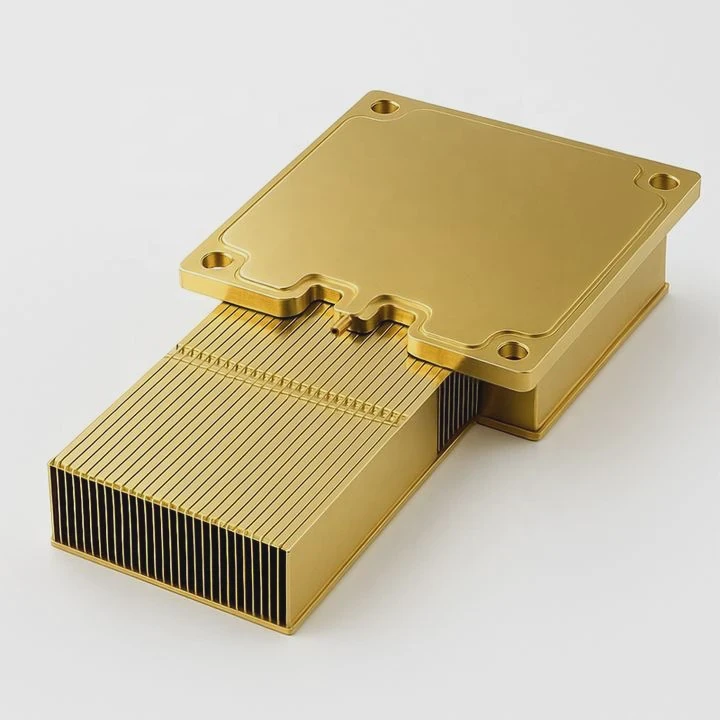
🧩 Standalone vs integrated components
If we sell the vapor chamber as a separate product to end users or OEMs, we can CE-mark it — provided we meet all requirements on our own.
But if the vapor chamber is just one part of a larger cooling module, power system, or computer, then usually only the final assembly gets the CE mark.
In that case, we support system integrators by giving them:
- Our material declarations
- RoHS/REACH test reports
- Declaration of Incorporation, if applicable
📝 When CE marking vapor chambers makes sense
- Sold as finished thermal product (e.g. plug-in cold plate)
- Used in medical or aerospace subassemblies
- Required by end-customer’s procurement
❌ When not to CE-mark the chamber itself
- Embedded in larger system (e.g. power inverter or telecom unit)
- Shipped in bulk to OEMs for integration
- Marking may confuse end users
When unsure, we check the client’s needs. In many cases, placing CE mark on vapor chambers helps the buyer — but we always make sure the documentation is complete before doing so.
Conclusion
Meeting CE requirements for vapor chambers is not optional when entering the EU. Whether marking the chamber itself or providing support for a full system, proper documentation, testing, and labeling help build trust and avoid customs risks.
TAGS
Latest Articles

Volume discount levels for heat sink orders?
Buyers often ask when heat sink prices start to drop with volume. Many worry they’re overpaying for small orders. This guide explains how B2B volume pricing works for thermal components. Heat sink
21 Dec,2025
Heat sink long-term supply contract options?
Many buyers want stable pricing and reliable delivery for heat sinks. But without a clear contract, risks grow over time. This article explores how to secure better long-term supply deals. Long-term
21 Dec,2025
Tooling cost for new heat sink profiles?
Many engineers struggle to understand why tooling for custom heat sinks costs so much. They worry about budgeting and production timelines. This article breaks down the cost drivers behind tooling.
21 Dec,2025
Heat sink custom sample process steps?
Sometimes, starting a custom heat sink project feels overwhelming—too many steps, too many unknowns, and too many risks. You want a sample, but not endless delays. The process for requesting and
20 Dec,2025
Standard B2B terms for heat sink payments?
When buyers and sellers in B2B heat sink markets talk about payment, many don’t fully understand what’s standard. This can lead to delayed orders, miscommunication, and even lost business
20 Dec,2025
Heat sink pricing factors for large orders?
Heat sinks are vital for many systems. When prices rise, projects stall and budgets break. This problem can hit teams hard without warning. Large order heat sink pricing depends on many factors. You
20 Dec,2025Related Articles
- Need CNS standard for Vapor Chamber?
- Required extrusion process for Vapor Chamber parts?
- Vapor Chamber surface treatment standards?
- Vapor Chamber available ISO certifications?
- Recommended alloy grade for Vapor Chamber
- Vapor Chamber compatibility with aluminum alloy 6061?
- Standard packaging for Vapor Chamber shipping?
- Does Vapor Chamber comply with REACH?
- Vapor Chamber vacuum testing procedure?
- Vapor Chamber CNC machining capability limits?
- Vapor Chamber RoHS compliance check?
- Vapor Chamber inspection standards ISO?
Author
Dr. Emily Chen
Chief AI Researcher
Leading expert in thermal dynamics and AI optimization with over 15 years of experience in data center efficiency research.
Categories
Latest Products






Recommend Categories
- Liquid cooling plate Manufacturer
- Industrial Heat Sink Manufacturer
- Standard Heat Sink Manufacturer
- Aluminum Heat Sink Manufacturer
- Copper Heat Sink Manufacturer
- Anodized Heatsink Manufacturer
- Stamping heat sink Manufacturer
- Die Casting Heatsink Manufacturer
- Soldering heat sink Manufacturer
- CNC Parts Manufacturer
Latest Products
- Wholesale Aluminum Radiator
- Water Cooling Plate Kit
- Water Cooling Heat Sink
- Water Cooling Heat Sink Kit
- Stainless Steel Water Distributor
- Server Water Cooling Plate Kit
- Server Liquid Cooling System
- Server Aluminum Cooling Kit
- S19 Full Cover Cooling Plate
- S19 Cooling Plate Kit
- S19 Aluminum Cooling Plate
Contact Expert
Have questions about this article? Reach out to our experts directly.