Vapor Chamber compatibility with aluminum alloy 6061?
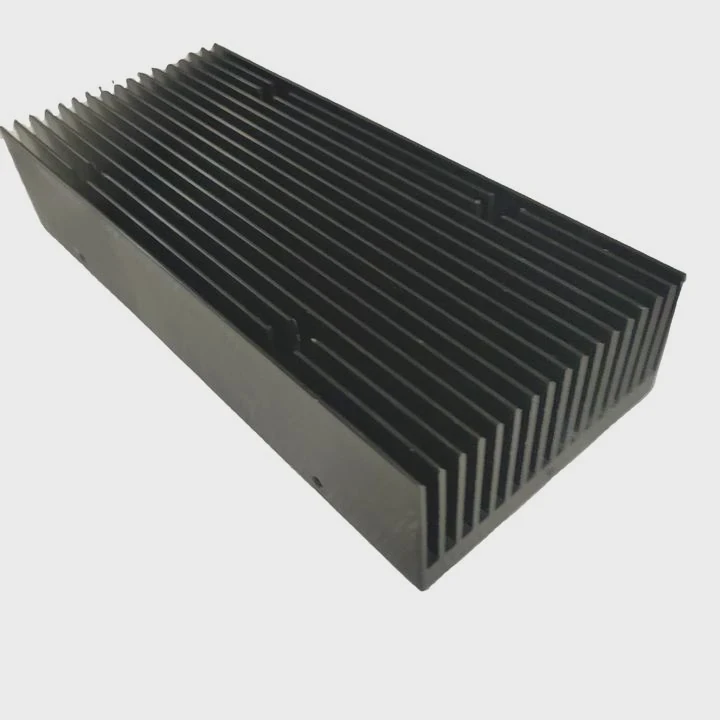
Some systems use aluminium alloy 6061 as a structural base for mounting copper vapor chambers. But does this metal pairing work well in real applications?
Yes. Copper vapor chambers are compatible with aluminium 6061 mounting plates when surface contact is controlled and interface materials are applied properly.
This article walks through compatibility, thermal performance, interface requirements, and industry validation of this common design pairing.
Is Vapor Chamber base compatible with aluminium alloy 6061 mounting plates?
Using aluminium 6061 under a vapor chamber may seem risky due to metal differences. Will it cause stress, warping, or corrosion?
Yes, aluminium 6061 is compatible with copper vapor chambers if both surfaces are flat and interface pressure is even. Proper fastening and surface preparation ensure safe usage.

Why the materials can work together
Copper is often used for vapor chamber construction due to its high thermal conductivity. Aluminium 6061, by contrast, is a structural alloy used for its strength and low weight. Despite differences in conductivity and expansion rates, they can be combined safely.
Their CTE (coefficient of thermal expansion) values differ, but not drastically:
| Material | Thermal Conductivity (W/m·K) | CTE (µm/m·K) |
|---|---|---|
| Copper | ~390–400 | ~16.5 |
| 6061 Aluminum | ~150–170 | ~23.6 |
This mismatch in CTE is manageable with proper mounting force, fastener placement, and surface finish. Also, both materials are stable at typical electronics temperatures (0–100 °C).
Key design checks
- Ensure surface flatness <0.02 mm to maximize contact.
- Use even mounting force to reduce stress points.
- Avoid metal-on-metal contact without treatment to prevent corrosion.
Does aluminium 6061 reduce thermal performance when paired with a Vapor Chamber?
A concern often raised is whether using 6061 aluminium underneath a vapor chamber reduces heat transfer efficiency.
Yes, 6061 has lower conductivity than copper, so it can slightly reduce thermal performance. However, this impact is minimal with thin plates and proper interface management.
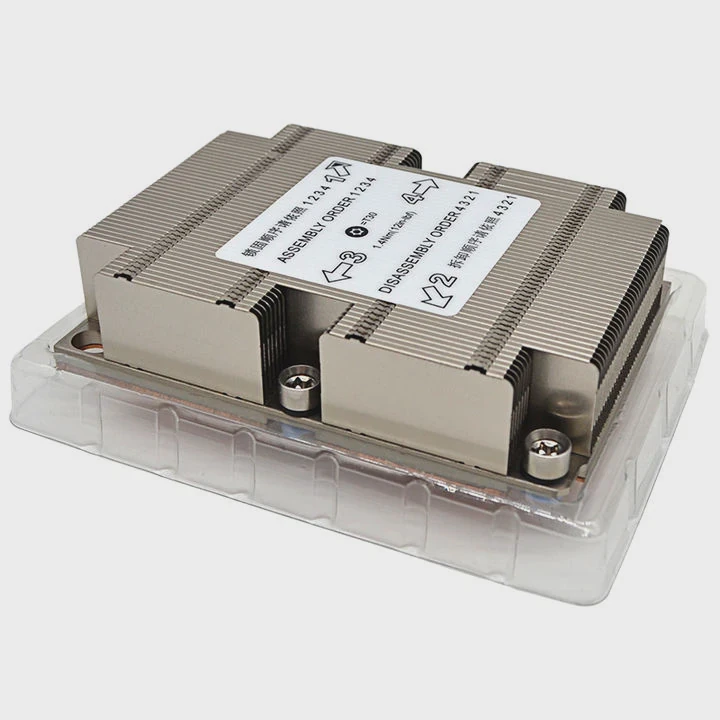
Comparing thermal conductivities
| Material | Conductivity (W/m·K) | Relative Performance |
|---|---|---|
| Copper | ~400 | 100% (reference) |
| Aluminium 6061 | ~160 | ~40% of copper |
Despite being lower in conductivity, 6061 spreads heat effectively across thin sections. If the aluminium is not thick or overly long, and the vapor chamber handles primary heat spreading, performance drop is negligible.
When does it matter?
- For very high-power chips or laser systems, thermal resistance must be minimal.
- In tight enclosures, long paths through 6061 can trap heat.
- When aluminium contact is uneven or not maintained by TIM.
In most commercial electronics, however, thermal impact is small — typically a 2–5°C difference compared to copper structures.
What interface treatments are needed between copper Vapor Chamber and aluminium 6061?
Copper and aluminium are dissimilar metals. They react differently to heat, moisture, and pressure. That’s why surface interface treatment is essential.
A proper interface between copper and 6061 includes TIM application, surface flatness control, and anti-corrosion measures like nickel plating or anodizing.
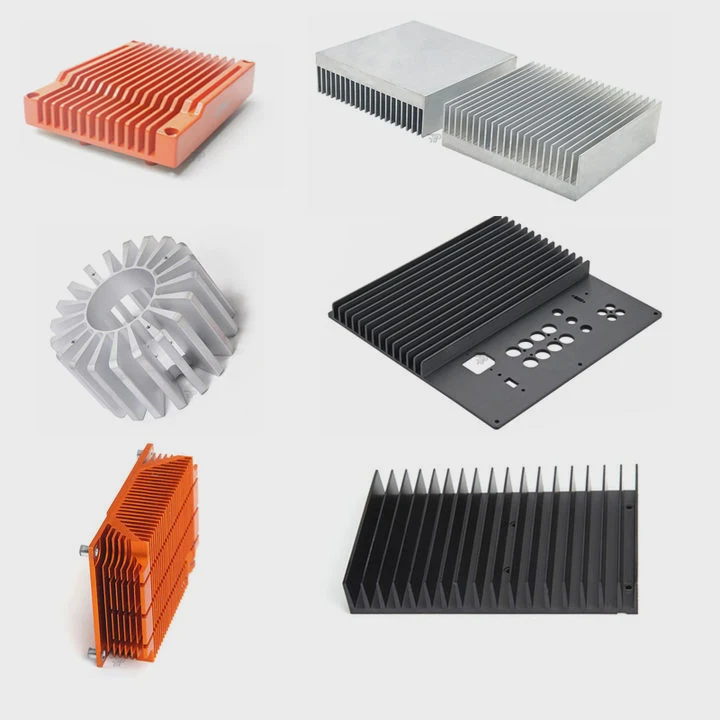
Common interface techniques
| Method | Benefit | Notes |
|---|---|---|
| TIM (Thermal Interface Material) | Fills microscopic air gaps, enhances contact | Choose thin, high-conductivity pastes or pads |
| Nickel plating (on copper or aluminium) | Prevents corrosion and oxide build-up | Thin layer improves surface durability |
| Anodizing aluminium 6061 | Increases corrosion resistance | Apply only on non-contact areas or use thermal anodizing |
| Mechanical lapping | Ensures both surfaces are extremely flat | Improves contact without thick TIM layer |
Galvanic corrosion risk
If untreated copper and aluminium touch, moisture can cause aluminium to corrode (it’s anodic to copper). Prevent this with:
- Plating at least one of the metals.
- Isolating surfaces with TIM or insulating pads.
- Applying sealants to edges where moisture might enter.
Recommended stack-up
TAGS
Latest Articles

Volume discount levels for heat sink orders?
Buyers often ask when heat sink prices start to drop with volume. Many worry they’re overpaying for small orders. This guide explains how B2B volume pricing works for thermal components. Heat sink
21 Dec,2025
Heat sink long-term supply contract options?
Many buyers want stable pricing and reliable delivery for heat sinks. But without a clear contract, risks grow over time. This article explores how to secure better long-term supply deals. Long-term
21 Dec,2025
Tooling cost for new heat sink profiles?
Many engineers struggle to understand why tooling for custom heat sinks costs so much. They worry about budgeting and production timelines. This article breaks down the cost drivers behind tooling.
21 Dec,2025
Heat sink custom sample process steps?
Sometimes, starting a custom heat sink project feels overwhelming—too many steps, too many unknowns, and too many risks. You want a sample, but not endless delays. The process for requesting and
20 Dec,2025
Standard B2B terms for heat sink payments?
When buyers and sellers in B2B heat sink markets talk about payment, many don’t fully understand what’s standard. This can lead to delayed orders, miscommunication, and even lost business
20 Dec,2025
Heat sink pricing factors for large orders?
Heat sinks are vital for many systems. When prices rise, projects stall and budgets break. This problem can hit teams hard without warning. Large order heat sink pricing depends on many factors. You
20 Dec,2025Related Articles
- What is the maximum size of Vapor Chamber
- Vapor Chamber CNC machining accuracy requirements?
- Vapor Chamber sustainability certifications?
- Latest innovation in Vapor Chamber materials?
- Vapor Chamber for battery thermal runaway control?
- Vapor Chamber thermal simulation accuracy?
- Recommended alloy grade for Vapor Chamber
- Vapor Chamber available ISO certifications?
- Vapor Chamber surface treatment standards?
- Required extrusion process for Vapor Chamber parts?
- Need CNS standard for Vapor Chamber?
- Vapor Chamber CE certificate requirements?
Author
Dr. Emily Chen
Chief AI Researcher
Leading expert in thermal dynamics and AI optimization with over 15 years of experience in data center efficiency research.
Categories
Latest Products






Recommend Categories
- Liquid cooling plate Manufacturer
- Industrial Heat Sink Manufacturer
- Standard Heat Sink Manufacturer
- Aluminum Heat Sink Manufacturer
- Copper Heat Sink Manufacturer
- Anodized Heatsink Manufacturer
- Stamping heat sink Manufacturer
- Die Casting Heatsink Manufacturer
- Soldering heat sink Manufacturer
- CNC Parts Manufacturer
Latest Products
- Wholesale Aluminum Radiator
- Water Cooling Plate Kit
- Water Cooling Heat Sink
- Water Cooling Heat Sink Kit
- Stainless Steel Water Distributor
- Server Water Cooling Plate Kit
- Server Liquid Cooling System
- Server Aluminum Cooling Kit
- S19 Full Cover Cooling Plate
- S19 Cooling Plate Kit
- S19 Aluminum Cooling Plate
Contact Expert
Have questions about this article? Reach out to our experts directly.