Vapor Chamber sustainability certifications?
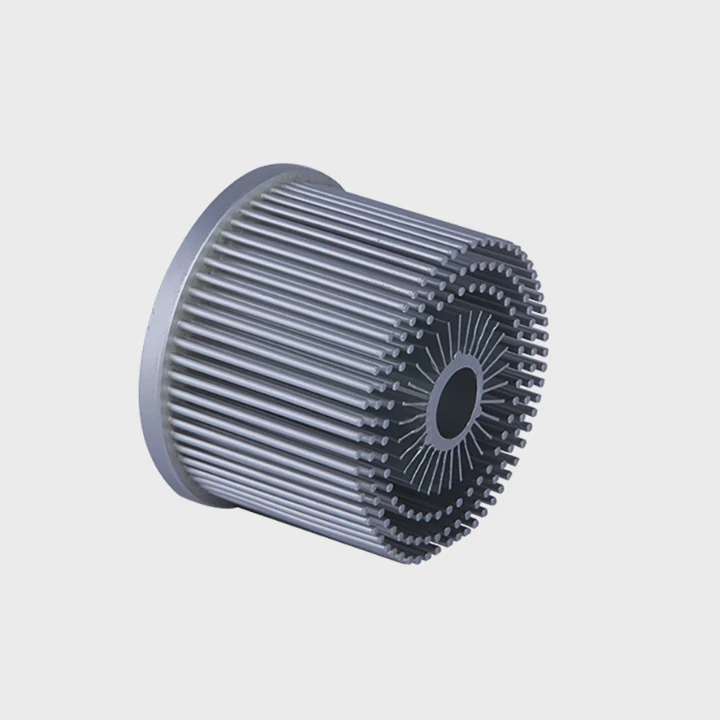
Sustainability pressure is reshaping supply chains, even for products deep inside electronics. Vapor chambers, though not often discussed in this space, may still face scrutiny.
There is no specific green certification for vapor chambers, but general environmental standards like ISO 14001, RoHS, and REACH can apply to their materials and production processes.
As thermal components become more essential in energy-efficient systems, the conversation is shifting toward how they’re made, what they contain, and how they affect the planet.
What sustainability certifications apply to Vapor Chambers?
Sustainability expectations now extend far beyond consumer goods. Even internal components like vapor chambers are facing rising compliance checks. Businesses want to know: are the parts eco-friendly? Are they responsibly made?
Vapor chambers can fall under broader certifications like ISO 14001 for environmental management, RoHS for hazardous materials, and REACH for chemical compliance in Europe.
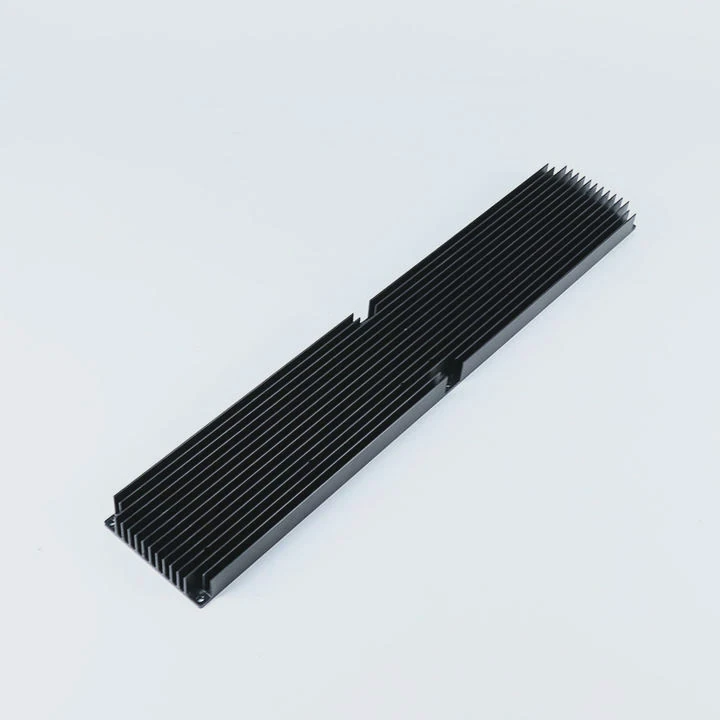
Manufacturers that produce vapor chambers may not apply for specific green labels on the product itself. But many follow general sustainability frameworks to meet regulatory or customer demands. Below are the most common ones:
ISO 14001: Environmental Management
This international standard helps companies build systems to reduce waste, manage energy, and improve environmental practices. Vapor chamber factories certified to ISO 14001 prove they care about eco‑efficiency and impact control.
RoHS: Restriction of Hazardous Substances
RoHS limits substances like lead, mercury, and cadmium in electronics. If vapor chambers are used in products sold in the EU, they often must meet RoHS rules. This applies to internal metals, coatings, or solder used in assemblies.
REACH: Registration, Evaluation, Authorisation and Restriction of Chemicals
REACH is a European Union regulation that ensures substances used in products don’t harm human health or the environment. Aluminum alloys, wicks, and internal fluids used in vapor chambers may fall under this scope.
Certification Summary Table
| Certification | Applies To | Why It Matters |
|---|---|---|
| ISO 14001 | Factory operations | Shows environmental management systems in place |
| RoHS | Electronic material content | Limits toxic elements in materials |
| REACH | Chemical substances used | Ensures safe and traceable chemical use |
While none of these are “vapor chamber only” standards, they are the most likely to be cited by manufacturers aiming to meet green criteria in global markets.
Are there eco-labels for thermal management components like Vapor Chambers?
The world is full of eco-labels, from energy ratings to plastic-free tags. But components buried inside machines—like vapor chambers—rarely wear these badges.
There are no major eco-labels that apply directly to vapor chambers, but they can contribute to certifications of the final product they’re built into.
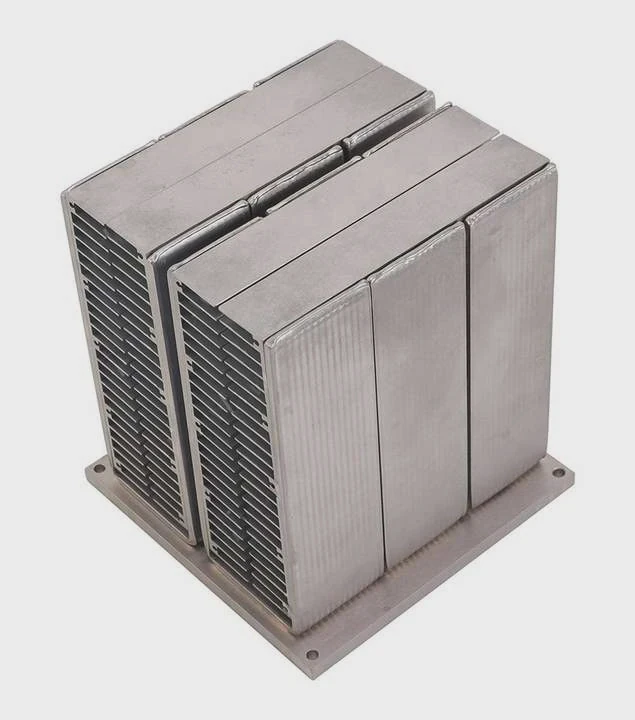
Vapor chambers are typically embedded in laptops, industrial gear, or communication systems. While they themselves don’t carry the sticker, their materials and production can affect whether the final product earns a green label.
Embedded components and final product labels
Many eco-labels focus on end-use devices. For example:
- EPEAT (Electronic Product Environmental Assessment Tool): used for laptops, displays, and other electronics. Vapor chambers inside these products need to meet RoHS or recycled content rules if the product is to earn EPEAT gold or silver.
- Energy Star: Although vapor chambers don’t draw power, they may improve energy efficiency by enabling better cooling, which could help devices run more efficiently.
Why vapor chambers are usually excluded
Thermal management parts are small, internal, and not directly visible to consumers. This makes them less attractive targets for standalone certification. However, suppliers may still document environmental steps to help their OEM clients.
Example of labeling influence:
| Product | Uses Vapor Chamber? | Gets Eco-label? | How Chamber Affects Label |
|---|---|---|---|
| Laptop | Yes | EPEAT Gold | Chamber must meet RoHS and low-energy specs |
| Server | Yes | Energy Star | Helps meet thermal and power-use thresholds |
| Smartphone | Yes | None | No visible label but still subject to RoHS |
For component makers, the key is enabling their customers to earn the eco-labels. That often means providing full material declarations and green compliance certificates.
Do manufacturers promote low-carbon or recycled-material Vapor Chambers?
Eco-design is trending, but not every part follows yet. Most vapor chamber promotions still center around performance—fast heat spread, low weight, and compact profiles.
Only a few manufacturers promote recycled or low-carbon vapor chambers, and most still focus on technical performance over sustainability messaging.
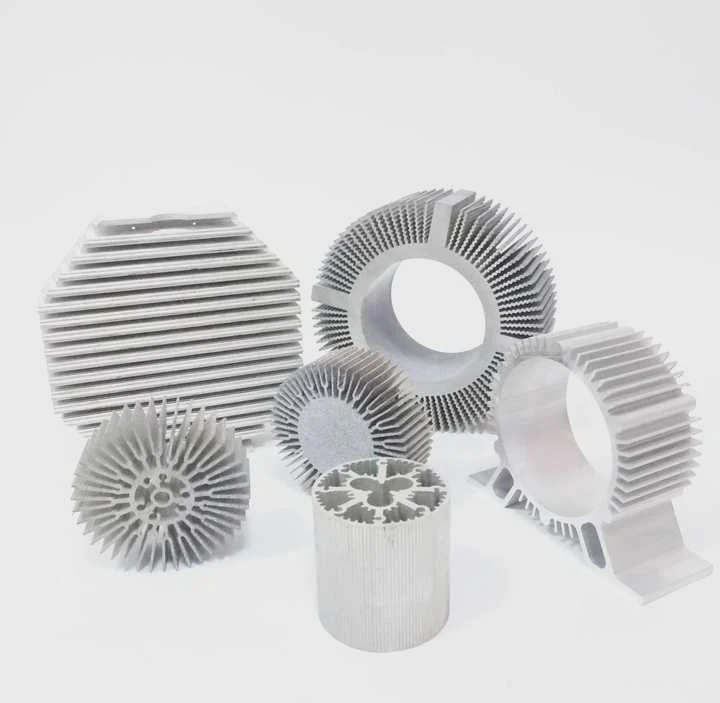
Challenges in green promotion
Recycled materials may not meet the same purity or performance needed in high-end vapor chambers. Many chambers use refined aluminum or copper. Using scrap metal could introduce inconsistencies that affect performance. Manufacturers also worry that recycled content might shorten life or reduce thermal conductivity.
Also, vapor chambers are often just one small part of a larger system. Buyers focus on function, reliability, and certification compatibility more than carbon footprint. That makes eco-marketing less relevant for now.
What some manufacturers are doing:
- ISO 14001 certification: Showing that their facilities reduce waste and energy.
- Material declaration sheets: Listing aluminum source, coating chemicals, or wick type.
- Lifecycle impact studies: Some larger companies assess the carbon footprint of products from raw material to final use—but few publish results.
Is there a market for “green” vapor chambers?
Some OEMs may soon require declarations of carbon footprint or recycled content, especially in Europe. For example, buyers in the EU may start asking for low-emission options or verifying upstream carbon data as part of ESG reporting.
But for now, green promotion is more a niche effort than a market norm. Manufacturers who adopt it early may gain a branding edge.
How do sustainability standards affect Vapor Chamber supply chains?
Even if vapor chambers themselves don’t carry eco-labels, sustainability standards still shape the way they’re made, documented, and delivered.
Environmental rules and ESG trends now affect sourcing, material tracking, and customer requirements across the vapor chamber supply chain.
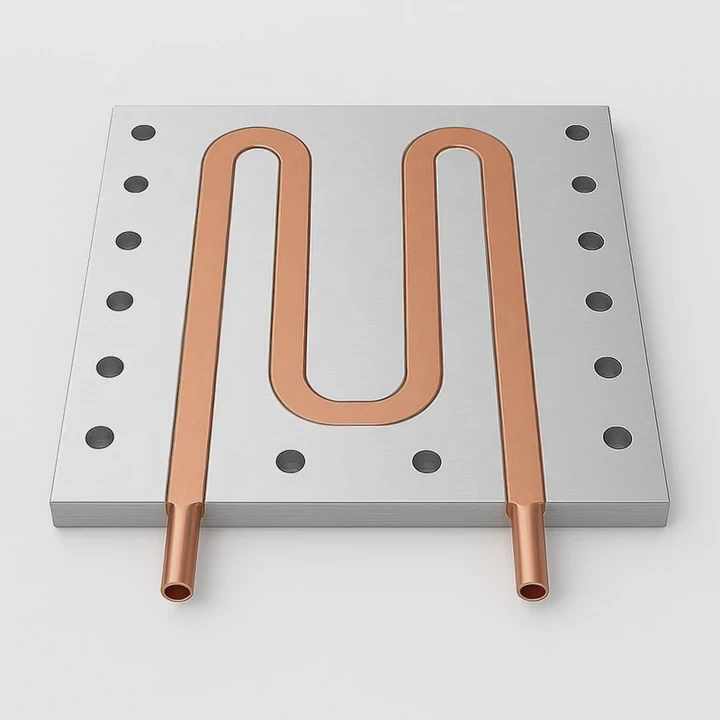
Key supply chain areas under pressure:
1. Material origin and tracking
Suppliers often need to prove that their aluminum, copper, or other inputs are RoHS-compliant or free from conflict minerals. They may need to trace metal back to certified sources.
2. Chemical management
Under REACH or similar laws, each substance in the vapor chamber—including internal liquids or coatings—must be documented and, in some cases, registered with regulators.
3. Energy and emissions during production
Factories building vapor chambers may face new questions from OEM customers about their energy use, emissions, and waste handling. ISO 14001 helps here, but some clients want more: actual data on kilowatt-hours or CO₂ per part.
4. Documentation and declarations
Procurement teams often ask for:
- Material declarations (BOM with chemical breakdown)
- RoHS and REACH certificates
- Environmental policy statements
- Supply chain audit reports
Sample compliance documents table
| Document | Purpose | When Requested |
|---|---|---|
| RoHS Certificate | Proves no restricted substances | For all EU-bound shipments |
| REACH Declaration | Lists chemical content | New product introductions |
| ISO 14001 Cert | Proves factory sustainability | During supplier audits |
| Full Material Declaration (FMD) | Lists every material and weight | For corporate ESG reporting |
Risk of non-compliance
Failing to provide these documents can block shipments, delay customs clearance, or disqualify a vendor from large OEM bids. Even if the vapor chamber is compliant, poor documentation can hurt the business.
Some regions may soon introduce carbon tariffs or reporting requirements tied to carbon intensity. Vapor chamber suppliers who track emissions and use greener inputs may avoid penalties and attract sustainability-conscious clients.
Conclusion
There’s no dedicated eco-label for vapor chambers yet. But manufacturers must still meet environmental rules like RoHS and REACH, and many seek ISO 14001 certification. As sustainability becomes part of electronics design, vapor chamber supply chains are adapting. Suppliers who track materials, manage emissions, and support ESG goals may gain long-term advantage.
TAGS
Latest Articles

Volume discount levels for heat sink orders?
Buyers often ask when heat sink prices start to drop with volume. Many worry they’re overpaying for small orders. This guide explains how B2B volume pricing works for thermal components. Heat sink
21 Dec,2025
Heat sink long-term supply contract options?
Many buyers want stable pricing and reliable delivery for heat sinks. But without a clear contract, risks grow over time. This article explores how to secure better long-term supply deals. Long-term
21 Dec,2025
Tooling cost for new heat sink profiles?
Many engineers struggle to understand why tooling for custom heat sinks costs so much. They worry about budgeting and production timelines. This article breaks down the cost drivers behind tooling.
21 Dec,2025
Heat sink custom sample process steps?
Sometimes, starting a custom heat sink project feels overwhelming—too many steps, too many unknowns, and too many risks. You want a sample, but not endless delays. The process for requesting and
20 Dec,2025
Standard B2B terms for heat sink payments?
When buyers and sellers in B2B heat sink markets talk about payment, many don’t fully understand what’s standard. This can lead to delayed orders, miscommunication, and even lost business
20 Dec,2025
Heat sink pricing factors for large orders?
Heat sinks are vital for many systems. When prices rise, projects stall and budgets break. This problem can hit teams hard without warning. Large order heat sink pricing depends on many factors. You
20 Dec,2025Related Articles
- Latest innovation in Vapor Chamber materials?
- Vapor Chamber for battery thermal runaway control?
- Vapor Chamber thermal simulation accuracy?
- Are Vapor Chamber prices decreasing?
- How to compare Vapor Chamber suppliers?
- Vapor Chamber Ergonomic Installation Guide?
- Vapor Chamber CNC machining accuracy requirements?
- What is the maximum size of Vapor Chamber
- Vapor Chamber compatibility with aluminum alloy 6061?
- Recommended alloy grade for Vapor Chamber
- Vapor Chamber available ISO certifications?
- Vapor Chamber surface treatment standards?
Author
Dr. Emily Chen
Chief AI Researcher
Leading expert in thermal dynamics and AI optimization with over 15 years of experience in data center efficiency research.
Categories
Latest Products






Recommend Categories
- Liquid cooling plate Manufacturer
- Industrial Heat Sink Manufacturer
- Standard Heat Sink Manufacturer
- Aluminum Heat Sink Manufacturer
- Copper Heat Sink Manufacturer
- Anodized Heatsink Manufacturer
- Stamping heat sink Manufacturer
- Die Casting Heatsink Manufacturer
- Soldering heat sink Manufacturer
- CNC Parts Manufacturer
Latest Products
- Wholesale Aluminum Radiator
- Water Cooling Plate Kit
- Water Cooling Heat Sink
- Water Cooling Heat Sink Kit
- Stainless Steel Water Distributor
- Server Water Cooling Plate Kit
- Server Liquid Cooling System
- Server Aluminum Cooling Kit
- S19 Full Cover Cooling Plate
- S19 Cooling Plate Kit
- S19 Aluminum Cooling Plate
Contact Expert
Have questions about this article? Reach out to our experts directly.