Vapor Chamber for battery thermal runaway control?
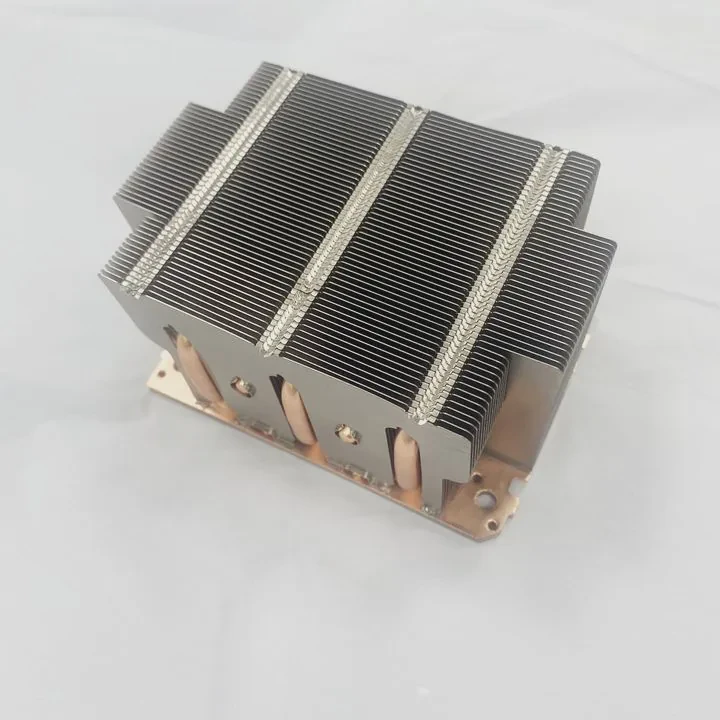
Lithium‑ion battery packs can get dangerously hot under heavy load or charging. Thermal runaway is a real risk — but advanced cooling strategies may help reduce that risk. Vapor chamber (VC) technology increasingly appears as one candidate for battery thermal management.
Vapor chambers can help manage heat in battery packs and reduce peak temperatures — which helps lower thermal‑runaway risk — but they are not a guarantee. Their effectiveness depends on good design, integration with cooling systems, and validation under extreme conditions.
Can Vapor Chambers mitigate battery thermal runaway?
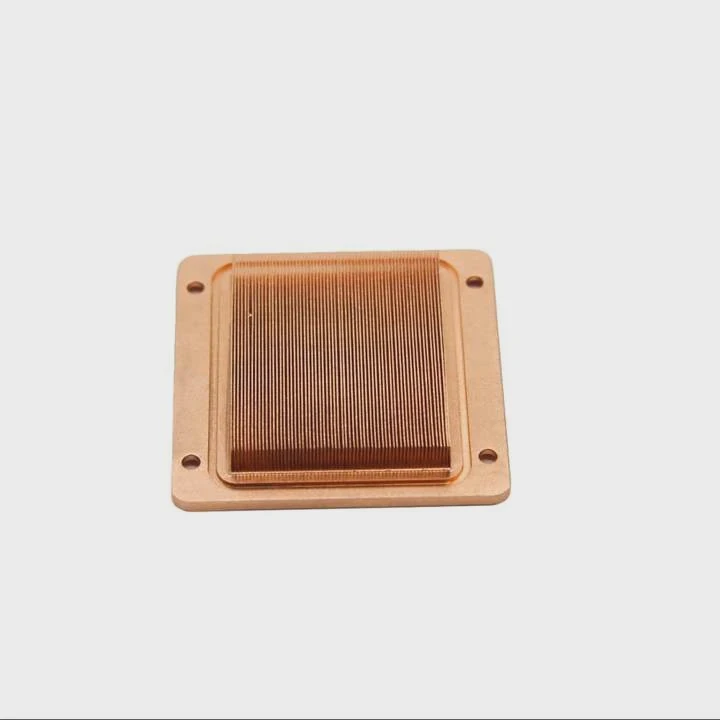
Battery thermal runaway happens when heat generated inside a cell builds up faster than it can be dissipated. Thermal runaway can lead to fire or explosion.
A vapor chamber offers a means to transport and spread heat away from hot spots quickly. Because it uses phase‑change (liquid ↔ vapor) and internal wick structure, a well‑designed VC can absorb heat from battery cells, move it to a heat‑dissipation interface, and lower local temperature peaks.
In research for battery thermal management, VCs have demonstrated improved temperature uniformity and reduced maximum temperature compared with traditional air‑cooling or simple conduction approaches.
By lowering peak cell temperatures and evening out temperature distribution, VCs help reduce stress on cells during high current or fast‑charging events. This in turn lowers likelihood of the uncontrolled heat accumulation that triggers thermal runaway.
That said: VCs alone do not prevent all failure modes. If external cooling (airflow or cold plate) is insufficient, or internal design is poor (bad contact, uneven sealing, poor wick), then heat may still accumulate. So VCs are part of a thermal‑management system — not a single “fix”.
How are Vapor Chambers used in battery pack thermal management?
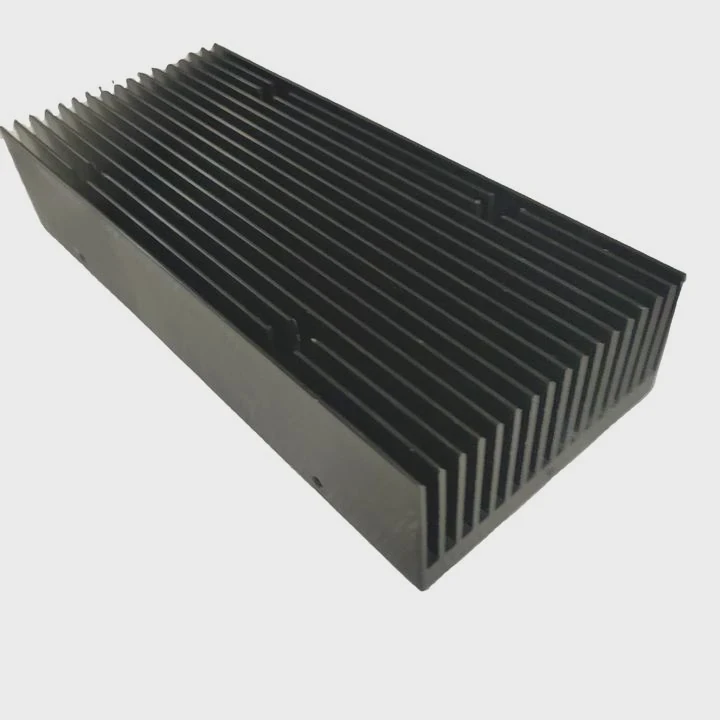
Various implementations show how VCs are applied in battery packs:
- In prismatic-cell battery modules, vapor chambers may enclose the cells with evaporative coolant inside, promoting heat absorption and dissipation.
- In EV battery modules, thin vapor chambers are sandwiched between cell surfaces and module housings, using thermal paste or TIM to ensure contact.
- Some designs pair vapor chambers with fins or cold plates to spread and dissipate heat uniformly across the battery array.
Because VCs provide low thermal resistance and high thermal conductivity, they enable compact, more uniform and efficient thermal designs compared to simple conduction, passive air cooling, or even some heat‑pipe‑based solutions.
Do Vapor Chambers improve safety under extreme battery conditions?
Under extreme conditions — like fast charging, high discharge rate, or high ambient temperature — battery heat generation rises sharply. Studies show vapor chambers can help maintain safer cell temperatures even under these loads.
Reducing surface temperature and avoiding hot spots helps delay or prevent the conditions that lead to thermal runaway. Lower temperature gradients also reduce mechanical stress, uneven aging, and cell imbalance.
However, vapor chambers do not stop chemical runaway once it starts. If a cell enters runaway due to internal fault or damage, VCs can only slow thermal propagation — not stop it. That’s why pack-level safety design (barriers, insulation, venting) is still essential.
VCs help by increasing the thermal buffer — buying time for safety mechanisms to react.
What testing ensures Vapor Chamber effectiveness for battery packs?
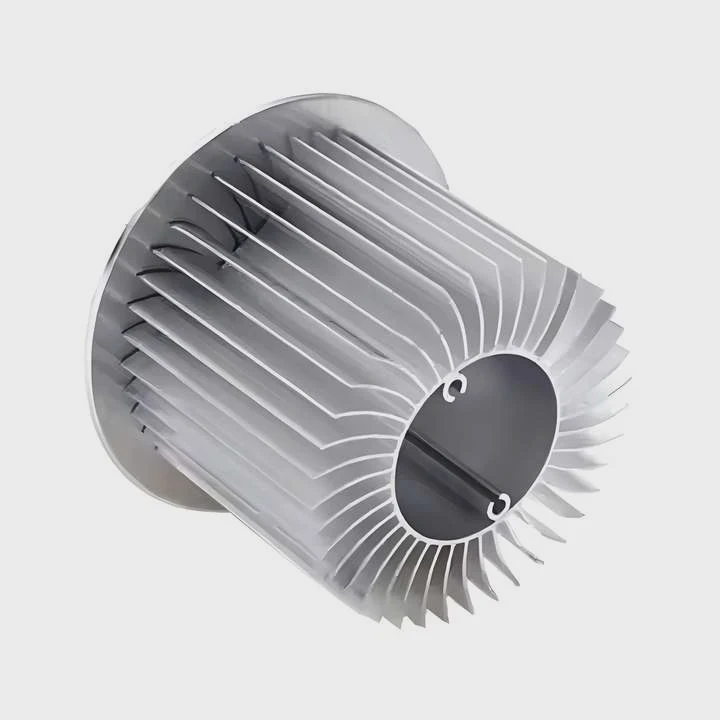
Testing vapor chamber cooling in battery packs requires stress and safety simulations. Key tests include:
- High-C rate charging/discharging: Observe cell temperatures under fast charging or high current discharge.
- Temperature uniformity checks: Use IR thermography or sensors to check evenness of heat spread across cells.
- Thermal safety margin: Simulate extreme conditions to see if the system stays below thermal runaway thresholds.
- Propagation suppression: Deliberately overheat or short one cell to see if others are protected.
- Durability under cycling: Repeated thermal cycles and vibration tests confirm whether the chamber stays sealed and effective.
Through lab testing and simulations, engineers validate that the vapor chamber not only improves performance, but also supports safety under real‑world battery loads.
Conclusion
Vapor chambers offer a promising tool to manage heat in battery packs, reduce hot spots, and lower thermal‑runaway risk — especially under high load or fast charging. When properly integrated with housings, thermal interfaces, and external cooling, they can improve temperature uniformity and safety margins.
Nevertheless, VCs are not a silver bullet. They must be combined with robust battery‑pack design, external heat dissipation (air flow or liquid cooling), and safety measures (venting, insulation, cell monitoring). Rigorous testing under extreme conditions remains essential to validate their effectiveness.
TAGS
Latest Articles

Volume discount levels for heat sink orders?
Buyers often ask when heat sink prices start to drop with volume. Many worry they’re overpaying for small orders. This guide explains how B2B volume pricing works for thermal components. Heat sink
21 Dec,2025
Heat sink long-term supply contract options?
Many buyers want stable pricing and reliable delivery for heat sinks. But without a clear contract, risks grow over time. This article explores how to secure better long-term supply deals. Long-term
21 Dec,2025
Tooling cost for new heat sink profiles?
Many engineers struggle to understand why tooling for custom heat sinks costs so much. They worry about budgeting and production timelines. This article breaks down the cost drivers behind tooling.
21 Dec,2025
Heat sink custom sample process steps?
Sometimes, starting a custom heat sink project feels overwhelming—too many steps, too many unknowns, and too many risks. You want a sample, but not endless delays. The process for requesting and
20 Dec,2025
Standard B2B terms for heat sink payments?
When buyers and sellers in B2B heat sink markets talk about payment, many don’t fully understand what’s standard. This can lead to delayed orders, miscommunication, and even lost business
20 Dec,2025
Heat sink pricing factors for large orders?
Heat sinks are vital for many systems. When prices rise, projects stall and budgets break. This problem can hit teams hard without warning. Large order heat sink pricing depends on many factors. You
20 Dec,2025Related Articles
- Vapor Chamber thermal simulation accuracy?
- Are Vapor Chamber prices decreasing?
- How to compare Vapor Chamber suppliers?
- Vapor Chamber Ergonomic Installation Guide?
- Can Vapor Chamber be exported worldwide?
- Best industry practices for Vapor Chamber testing?
- Latest innovation in Vapor Chamber materials?
- Vapor Chamber sustainability certifications?
- Vapor Chamber CNC machining accuracy requirements?
- What is the maximum size of Vapor Chamber
- Vapor Chamber compatibility with aluminum alloy 6061?
- Recommended alloy grade for Vapor Chamber
Author
Dr. Emily Chen
Chief AI Researcher
Leading expert in thermal dynamics and AI optimization with over 15 years of experience in data center efficiency research.
Categories
Latest Products






Recommend Categories
- Liquid cooling plate Manufacturer
- Industrial Heat Sink Manufacturer
- Standard Heat Sink Manufacturer
- Aluminum Heat Sink Manufacturer
- Copper Heat Sink Manufacturer
- Anodized Heatsink Manufacturer
- Stamping heat sink Manufacturer
- Die Casting Heatsink Manufacturer
- Soldering heat sink Manufacturer
- CNC Parts Manufacturer
Latest Products
- Wholesale Aluminum Radiator
- Water Cooling Plate Kit
- Water Cooling Heat Sink
- Water Cooling Heat Sink Kit
- Stainless Steel Water Distributor
- Server Water Cooling Plate Kit
- Server Liquid Cooling System
- Server Aluminum Cooling Kit
- S19 Full Cover Cooling Plate
- S19 Cooling Plate Kit
- S19 Aluminum Cooling Plate
Contact Expert
Have questions about this article? Reach out to our experts directly.