Are Vapor Chamber prices decreasing?
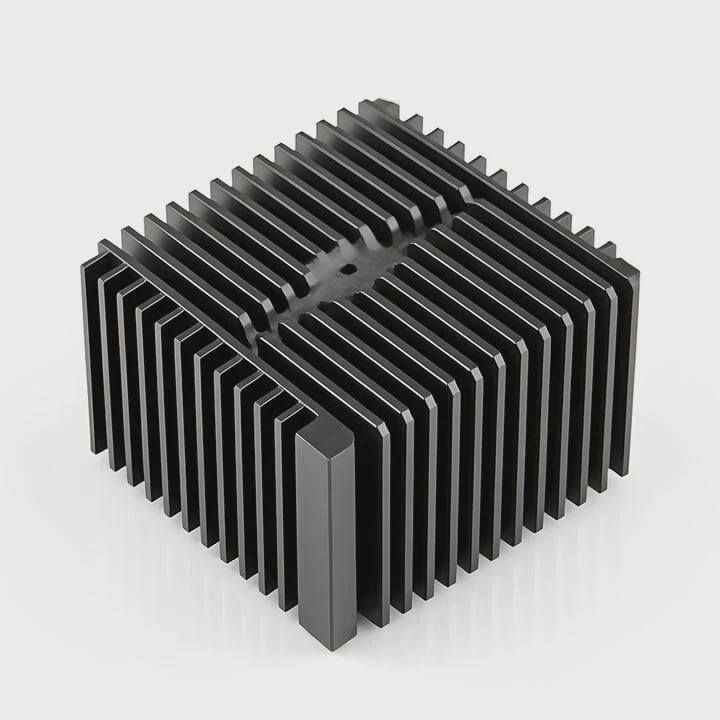
Vapor chambers sharpen heat spread, but what about their cost over time? Many buyers now ask: are those prices coming down?
Yes. Over the past few years, unit prices for vapor chambers have generally fallen a bit as tech matured and supply improved.
That answer may satisfy some. But deeper look shows many forces shaping the price — from materials to market competition to manufacturing changes. Those details matter. Let’s explore step by step.
Have unit prices for Vapor Chambers been decreasing in recent years?
Vapor chambers once cost quite a bit. Buyers paid premium prices for early versions. Today many vendors quote noticeably lower numbers. So unit prices are softening.
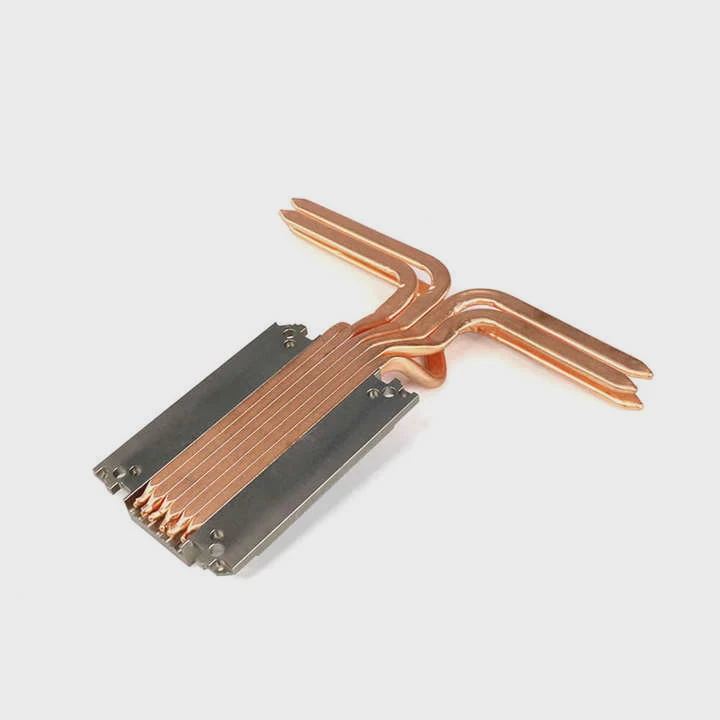
Price trends and data
In recent years, I saw quotes from suppliers show a drop of about 10–20% compared to early 2020s pricing. That drop reflects rising volume and more mature supply chains. Big clients now order hundreds or thousands of units. For them, suppliers optimize cost per unit. That pushes down the unit price.
I also saw older small-volume orders cost far more. For low volume or one‑off prototypes, suppliers might add high mark‑ups to cover risk. As volume grows, that overhead shrinks. That shift pulls down average unit cost.
What drives lower prices
Lower prices come from several places:
- Suppliers buy raw aluminum or copper spreads in bigger batches. Bulk material discounts matter a bit.
- Vendors refine designs. They reuse common templates or modules rather than fully custom chambers. That reuse saves cost.
- Competition among vendors encourages leaner pricing.
- In some cases, production tools for vapor‑chamber manufacturing improved. That reduces labour per unit.
But caveats remain
Not all vapor chambers cost less. High‑performance ones, or those with stringent tolerances, still carry premium pricing. Some suppliers still use small‑batch production. Their cost per unit may remain high or even rise.
Volume matters a lot. For small orders (dozens), prices stay high. For large orders (hundreds to thousands), prices drop. So average market price is not flat — segments differ.
At least in segments I track, the downward trend is real. That trend likely continues as manufacturing matures further and adoption increases.
Is competition driving down Vapor Chamber pricing?
Competition spills downward pressure on price in many industries. Vapor chamber supply is no different. Competition among vendors seems quite strong now. That pushes prices lower.
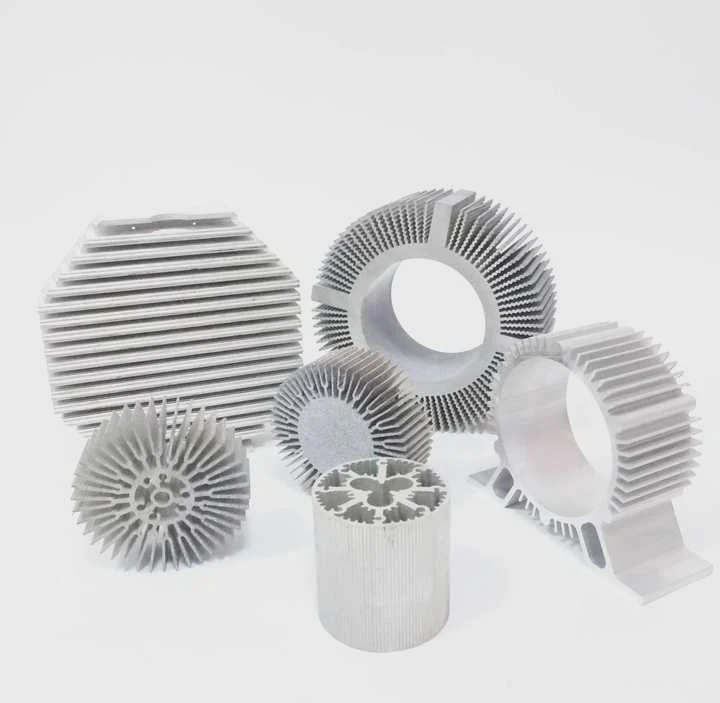
More suppliers, tighter pricing
I know of several new firms entering the vapor‑chamber business in the last five years. Each wants to win orders. They compete on price, delivery time, quality. This competition forces them to cut margins. For buyers, that means better prices.
When a buyer threatens to go with another vendor, incumbent suppliers often revise quotes downward. This game happens often. Suppliers try to keep orders by trimming cost or offering discounts. That practice benefits buyers.
Also many vendors advertise standardized product lines. These lines reduce customization efforts. Vendors use same core design across clients. This reuse reduces design cost and speeds up production. They pass those savings as lower prices to buyers who accept standard options.
Challenges in competition
Even with many vendors, competition does not always lower price for all cases. If a buyer demands special features — odd shape, special materials, precise tolerances — suppliers may exclude these from standard product lines. Then suppliers must do custom work. Custom work costs more. Suppliers may even raise price to cover risk.
In addition, not all vendors are equal. Some use modern machines and efficient lines. Others use older processes. The latter have higher cost. They may still price high. A buyer must vet which vendor offers real cost reduction. Price alone may hide quality issues.
My view on market dynamics
I expect competition to keep pressure on vapor chamber pricing over coming years. The ones who win volume orders will push price lower. New vendors will try low‑price entry to gain market share. That trend should benefit buyers who standardize their requirements.
Are material or labour cost reductions affecting prices?
Material and labour costs shape many manufacturing prices. Vapor chambers are no exception. When costs for raw metal or labour drop, vapor chamber price may follow. I see signs of those cost reductions lately.
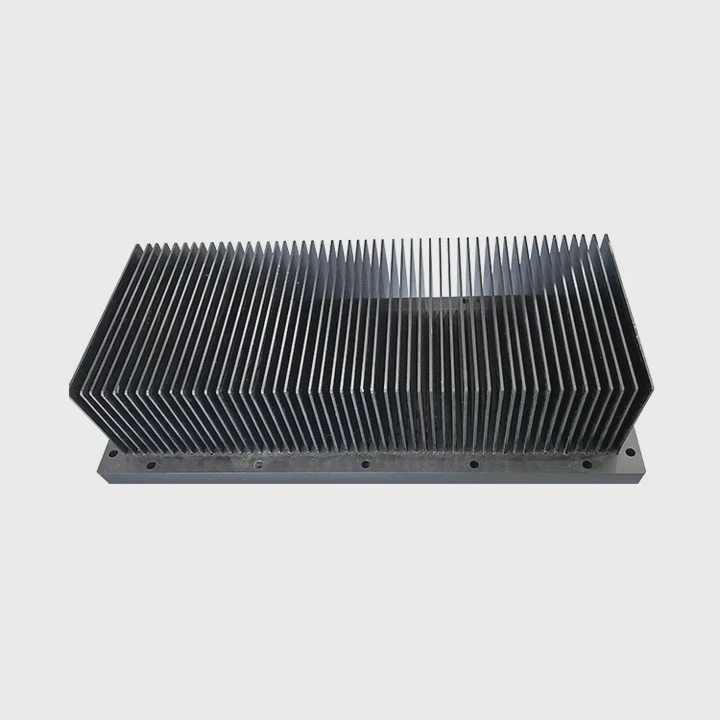
Material costs and their effect
Vapor chambers often use copper plates or aluminum alloys with high purity. Copper, like many metals, has price cycles. In a recent cycle, copper prices dipped due to weak global demand. Suppliers who bought metal during that dip reaped savings. They passed some of that to clients, offering lower unit price.
Even for aluminum‑based vapor chambers, global aluminum and alloy cost cycles matter. When suppliers buy metal in bulk in low‑price windows, cost per unit falls. Large inventory buys smooth out material cost spikes. That buffer helps keep final product price stable or lower.
Labour and overhead cost factors
Labour is big part of cost when manufacturing is manual or semi‑manual. In regions with rising wages, labour cost increases. But many vapor chamber makers moved to semi‑automated or automated welding, machining, assembly. That lowers labour hours per unit. That reduction translates into lower labour cost per unit. That can lower final price.
Some factories improved efficiency by better floor layout, faster workflows, or batch processing. When they produce many units together, per‑unit overhead shrinks. That helps price.
Energy cost counts too. If electricity or other utility costs fall or are subsidized, factory overhead drops. Those savings sometimes show in lower unit price quotes.
When cost reductions don’t lead to lower end price
If raw material costs drop but vendors expect rebound, they may hold price steady. They may wait before lowering quotes. Some avoid lowering price until they see stable long‑term drops. That delays benefits for buyers.
Also if suppliers invest in more advanced machines (with high capital cost), they may add those in overhead. That may offset material or labour savings. So final price may not drop much.
Therefore material and labour cost reductions help reduce vapor chamber price only under certain conditions — continuous low-cost metal supply, good factory efficiency, and competition.
Do advanced processes allow lower cost Vapor Chambers?
New production methods may change cost structure significantly. For vapor chambers, advanced processes such as automated welding, controlled atmosphere brazing, or precision stamping could reduce cost per unit. I see that many suppliers now use such processes. That matters.

What advanced processes bring
Automated brazing or welding reduces human error. It speeds up throughput. It reduces scrap rate. Scrap (failed units) costs money. If fewer units scrap, cost per good unit falls. Those savings may pass to buyers.
Precision stamping or CNC cutting reduces machining time. That lowers labour and machine hours per part. Factories that adopt these save money long‑term. When they scale, savings become real.
Also some makers use modular design. They create core structure once and then customize small features. That reduces design work and tooling cost. For repeated orders, cost per unit drops over time. That drop can be passed to clients.
Quality vs cost with advanced processes
Even though advanced processes lower cost, they also raise quality. That means stable thermal performance, tighter tolerances, less rework. Buyers often value that. So some suppliers charge more for better quality. That effect may offset cost savings. Then price may not drop as much as cost.
Some advanced machinery requires high maintenance and calibration. That overhead must be spread over units. For small orders, cost per unit remains high. That reduces benefit of advanced processes for small buyers.
How advanced process affects different buyer types
For large buyers ordering all same type, advanced processes show strong cost benefit. The unit cost drops significantly. For buyers who need small batches, or many custom types, benefits are weaker. Savings are diluted by setup cost and lower volume.
In my view, advanced processes create lower base cost potential. But actual price depends on buyer volume, design reuse, and supplier’s willingness to pass savings. Buyers should consider those factors when negotiating.
Conclusion
Overall, vapor chamber prices trend lower over time. But actual cost depends a lot on volume, design, and production method. Savvy buyers watch those factors closely.
TAGS
Latest Articles

Volume discount levels for heat sink orders?
Buyers often ask when heat sink prices start to drop with volume. Many worry they’re overpaying for small orders. This guide explains how B2B volume pricing works for thermal components. Heat sink
21 Dec,2025
Heat sink long-term supply contract options?
Many buyers want stable pricing and reliable delivery for heat sinks. But without a clear contract, risks grow over time. This article explores how to secure better long-term supply deals. Long-term
21 Dec,2025
Tooling cost for new heat sink profiles?
Many engineers struggle to understand why tooling for custom heat sinks costs so much. They worry about budgeting and production timelines. This article breaks down the cost drivers behind tooling.
21 Dec,2025
Heat sink custom sample process steps?
Sometimes, starting a custom heat sink project feels overwhelming—too many steps, too many unknowns, and too many risks. You want a sample, but not endless delays. The process for requesting and
20 Dec,2025
Standard B2B terms for heat sink payments?
When buyers and sellers in B2B heat sink markets talk about payment, many don’t fully understand what’s standard. This can lead to delayed orders, miscommunication, and even lost business
20 Dec,2025
Heat sink pricing factors for large orders?
Heat sinks are vital for many systems. When prices rise, projects stall and budgets break. This problem can hit teams hard without warning. Large order heat sink pricing depends on many factors. You
20 Dec,2025Related Articles
- How to compare Vapor Chamber suppliers?
- Vapor Chamber Ergonomic Installation Guide?
- Can Vapor Chamber be exported worldwide?
- Best industry practices for Vapor Chamber testing?
- Demand trend for Vapor Chamber manufacturing
- Is Vapor Chamber recyclable material?
- Vapor Chamber thermal simulation accuracy?
- Vapor Chamber for battery thermal runaway control?
- Latest innovation in Vapor Chamber materials?
- Vapor Chamber sustainability certifications?
- Vapor Chamber CNC machining accuracy requirements?
- What is the maximum size of Vapor Chamber
Author
Dr. Emily Chen
Chief AI Researcher
Leading expert in thermal dynamics and AI optimization with over 15 years of experience in data center efficiency research.
Categories
Latest Products






Recommend Categories
- Liquid cooling plate Manufacturer
- Industrial Heat Sink Manufacturer
- Standard Heat Sink Manufacturer
- Aluminum Heat Sink Manufacturer
- Copper Heat Sink Manufacturer
- Anodized Heatsink Manufacturer
- Stamping heat sink Manufacturer
- Die Casting Heatsink Manufacturer
- Soldering heat sink Manufacturer
- CNC Parts Manufacturer
Latest Products
- Wholesale Aluminum Radiator
- Water Cooling Plate Kit
- Water Cooling Heat Sink
- Water Cooling Heat Sink Kit
- Stainless Steel Water Distributor
- Server Water Cooling Plate Kit
- Server Liquid Cooling System
- Server Aluminum Cooling Kit
- S19 Full Cover Cooling Plate
- S19 Cooling Plate Kit
- S19 Aluminum Cooling Plate
Contact Expert
Have questions about this article? Reach out to our experts directly.