Vapor Chamber Ergonomic Installation Guide?
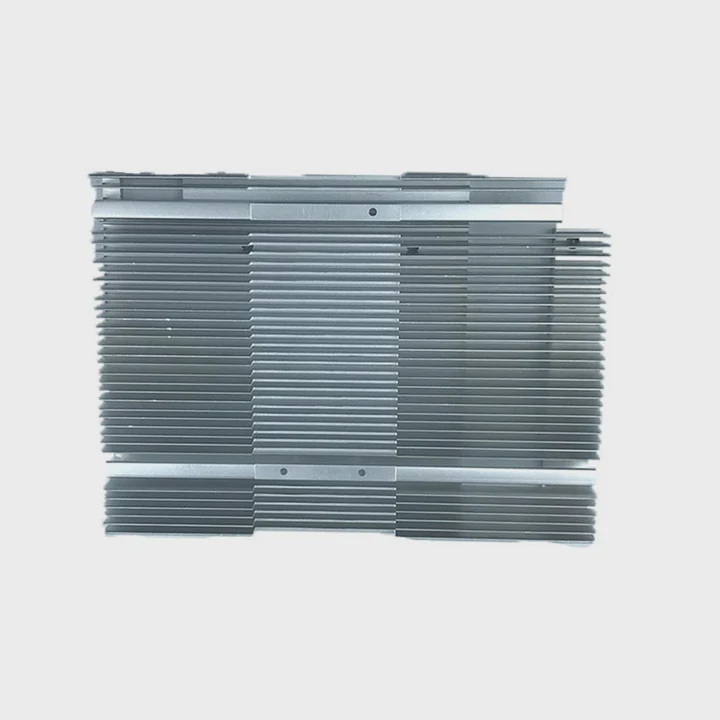
Many technicians struggle with strain while installing vapor chambers. The strain can cause fatigue or mistakes that damage parts. This guide shows ergonomic methods to make installation safer and easier.
This guide outlines key ergonomic points for installation. It covers tool use, weight handling, mounting position, orientation and design layout to lower worker fatigue and reduce part damage.
Below I break down the main ergonomic concerns step by step. Read each section to learn smart steps and avoid common errors.
What ergonomic considerations apply when installing Vapor Chambers?
Many installers feel discomfort when handling delicate components. This can cause both injury and product damage.
Installers should mind posture, grip, stability and working space to avoid strain or slipping. Ergonomics helps avoid fatigue and reduce mistakes.
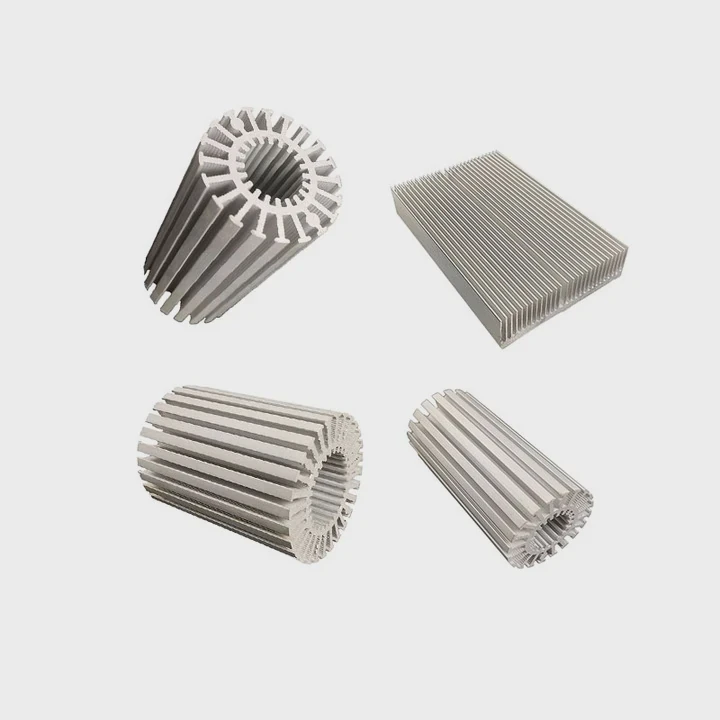
In a real workshop, simple design choices can change a lot. First, workspace height should suit the installer’s comfort. If a table or bench stands at waist height, installers avoid bending or reaching too much. Bending or leaning for a long time leads to back stress or fatigue. Second, the layout of tools and parts should let installers avoid awkward reaches. A cluttered bench demands twisting or stretching. This raises risk of dropping fragile vapor chambers.
Third, installers should use grips or handles that fit hand size. Slipping is more likely if hands strain or twist to hold a part. That is risky when parts are heavy or smooth. A stable grip reduces chance of slip or damage.
Fourth, lighting and cleanliness matter. Bright light helps see delicate edges and alignment. If lighting is poor, installer might force parts incorrectly leading to damage. Clean surfaces also help avoid dust or debris that can scratch or hamper assembly.
Fifth, clear instructions and labels on parts help avoid confusion. Unclear labeling may lead to wrong orientation or misfit. That wastes time and may damage parts.
Here is a simple view of ergonomic factors:
| Ergonomic Factor | Risk if Ignored | Benefit when Addressed |
|---|---|---|
| Workbench Height | Bending strains back, fatigue | Comfortable posture, reduced back strain |
| Tool and Part Layout | Reaching/twisting, dropping parts | Easy reach, stable movement |
| Grip and Handling | Slips, awkward holds | Secure hold, safer movement |
| Lighting & Cleanliness | Poor visibility, part damage | Clear view, clean assembly environment |
| Labeling & Instructions | Mistakes, wrong assembly | Correct fit, less assembly error |
Good ergonomics lowers injury risk. It also reduces the chance of damaging expensive components. It helps keep productivity high. It makes installation predictable and repeatable. It helps both workers and product quality.
Are handling tools and weight minimization important for installation?
Holding heavy or awkward parts by hand often leads to fatigue. Even small strain repeated many times increases injury risk.
Yes. Proper tools and reducing part weight make installation easier and safer. They protect workers and parts from harm.
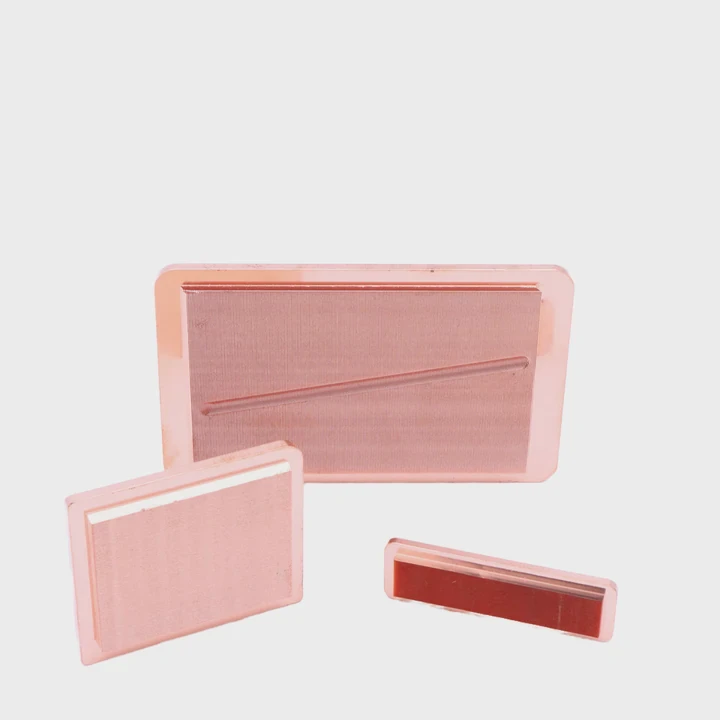
A direct manual lift works only if vapor chambers are light. Many chambers are not light when large or when clamped in heavy housings. In those cases, using assist tools can help. For example, suction grippers or soft-jaw pliers help hold flat surfaces without scratching. Small vacuum suction cups can lift aluminum plates carefully. These tools reduce grip strain and help short installers reach parts more easily. They also reduce risk of dropping or misplacing components.
Another useful tool is a light‑duty lift or stand. If a vapor chamber assembly weighs several kilograms, the stand can hold weight during alignment. The installer only needs to guide the part rather than support full weight. This helps avoid arm fatigue or lower‑back strain when positioning parts.
Torque wrenches or torque-limiting screwdrivers also help. They avoid over-tightening screws or bolts. Over-tightening can warp thin vapor chambers or cause stress fractures. Controlled torque ensures proper clamp force without damage.
If parts are heavy, batch installation can use a small cart or platform. The cart helps move parts between work stations. This avoids carrying heavy components over distance. It also reduces trips and potential collisions.
Here are some simple comparisons:
| Method | Worker Strain | Risk to Part | Best Use Case |
|---|---|---|---|
| Manual lift | High for heavy parts | High chance of drop | Small light parts |
| Suction grip / soft‑jaw tool | Low hand strain | Low scratch risk | Flat metal parts |
| Lift stand / support frame | Low arm / back strain | Very low drop risk | Heavy or bulky assemblies |
| Cart for transport | Minimal lifting load | Medium risk if bumped | Moving parts across workspace |
Choosing proper tools and reducing weight load improves safety and repeatability. It also reduces time wasted by fatigue or mistakes. Over time, small injuries or minor drops can cost time and money. Good tool planning helps prevent that.
Does orientation and mounting height affect ease of installation?
Awkward orientation or wrong height can make alignment hard. Installers may need to twist or bend. This makes steady assembly tough.
Yes. How parts are oriented and how high they sit affects strain, alignment and installation speed significantly.
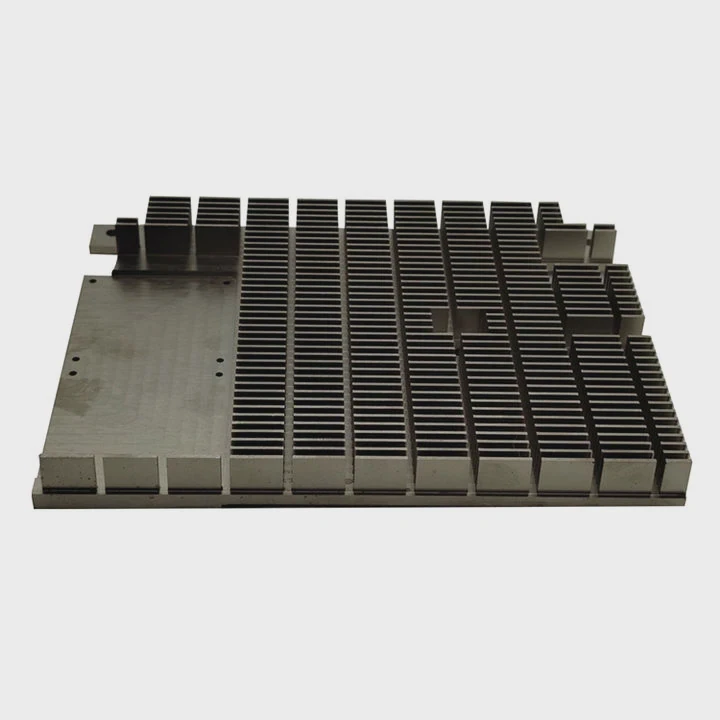
Orientation matters for access and alignment. If the vapor chamber sits flat horizontal on a bench, installers see the top easily. They can align bolt holes with less twisting. But access to underside or edges becomes hard. On the other hand, a vertical mount may expose edges for easier side access. Yet vertical orientation needs secure clamping to hold part. Otherwise dropping or shifting hangs risk. Some orientation also helps alignment by gravity—parts may settle against guides if oriented correctly.
Mounting height is another big factor. If installation height is below knees, installer needs to crouch or kneel. That causes strain on knees and back. If height is too high, installer lifts hands above shoulders. That tires arms quickly. The best range is around waist to chest height. That keeps arms near body and posture straight. It helps maintain control while tightening screws or aligning parts.
Here is a guideline for mounting height:
| Mounting Height (Relative to Installer Waist) | Ease of Access | Risk of Strain | Recommendation |
|---|---|---|---|
| Below waist (ground or low bench) | Difficult bending down | High knee / back stress | Raise to bench height |
| Waist to chest height | Easy reach and control | Low strain | Ideal height range |
| Above chest (head level) | Hard to reach and align | Shoulder and arm fatigue | Use platform or adjustable bench |
If installation needs access underneath, a rotating jig helps. A jig allows you to spin part while you work at comfortable height. It avoids awkward bends or over‑extension. This reduces risk of dropping parts or misaligning screws.
Proper orientation combined with correct height helps installers work with steady hands. It improves alignment. It speeds installation. It reduces risk of strain and error.
Can installation design reduce risk of user injury or component damage?
Poor design of workspace or process often causes accidents or repeated damage. Many shops learn from such mistakes.
Yes. A well-planned installation design with correct workbench, jigs, padding and sequence can avoid injuries and protect delicate parts.
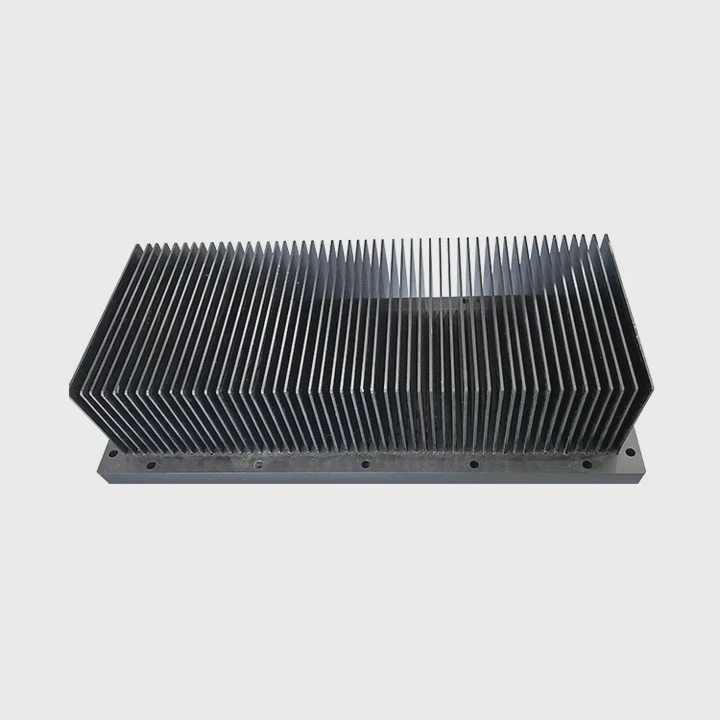
A good installation design starts with a sturdy bench. The bench should have enough space for tools, parts and clearance for arms. It should resist wobbling when force is applied to tighten bolts. Wobble may cause misalignment or slip. Using thick plywood or metal top helps. Rubber pads under the bench legs prevent sliding on concrete floors.
Next, use jigs or fixtures. A jig holds the vapor chamber in correct alignment. It also holds it steady while installer tightens screws or clamps housings. Without jig, installer must hold part by hand. That raises risk of drop or misalignment. Jigs also ensure consistent orientation each time. This improves assembly repeatability and reduces damage to thin fins or surfaces.
Padding or soft mats help protect flat surfaces. Aluminum vapor chambers can scratch if placed on bare steel. A soft pad avoids scratches or dents. It also helps absorb small shocks while parts are moved or aligned.
Another design element is workflow layout. Tools should be within arm’s reach. Parts to assemble should sit close. Wasted movement or twisting wastes time and increases fatigue. A layout that flows from unpack to final fasten helps worker keep focus. It also lowers time each assembly step takes. That improves productivity.
Finally, clear process instructions reduce mistakes. A step by step guide or checklist helps installer follow correct order. For example, tighten screws in cross‑pattern to avoid uneven pressure. That avoids bending of thin base plates. A checklist reduces chance of forgetting a step. That reduces rework or damage.
Here is a simple workflow design checklist:
- Workbench at correct height
- Jig or fixture for alignment
- Soft pad or mat to protect surfaces
- Tools and parts placed within reach
- Clear instruction or checklist for sequence
- Use of torque tools to prevent over tightening
Because of design steps, accidents drop. Workers feel more comfortable. Parts stay intact. Production stays consistent. Cleanup is easier. Everyone works smarter, not harder.
Conclusion
Good ergonomic installation matters. It saves workers from strain and parts from damage. Use right tools, proper layout, correct height and safe process design. That leads to safer, faster and more reliable vapor chamber assembly.
Word count: 1732
TAGS
Latest Articles

Volume discount levels for heat sink orders?
Buyers often ask when heat sink prices start to drop with volume. Many worry they’re overpaying for small orders. This guide explains how B2B volume pricing works for thermal components. Heat sink
21 Dec,2025
Heat sink long-term supply contract options?
Many buyers want stable pricing and reliable delivery for heat sinks. But without a clear contract, risks grow over time. This article explores how to secure better long-term supply deals. Long-term
21 Dec,2025
Tooling cost for new heat sink profiles?
Many engineers struggle to understand why tooling for custom heat sinks costs so much. They worry about budgeting and production timelines. This article breaks down the cost drivers behind tooling.
21 Dec,2025
Heat sink custom sample process steps?
Sometimes, starting a custom heat sink project feels overwhelming—too many steps, too many unknowns, and too many risks. You want a sample, but not endless delays. The process for requesting and
20 Dec,2025
Standard B2B terms for heat sink payments?
When buyers and sellers in B2B heat sink markets talk about payment, many don’t fully understand what’s standard. This can lead to delayed orders, miscommunication, and even lost business
20 Dec,2025
Heat sink pricing factors for large orders?
Heat sinks are vital for many systems. When prices rise, projects stall and budgets break. This problem can hit teams hard without warning. Large order heat sink pricing depends on many factors. You
20 Dec,2025Related Articles
- Can Vapor Chamber be exported worldwide?
- Best industry practices for Vapor Chamber testing?
- Demand trend for Vapor Chamber manufacturing
- Is Vapor Chamber recyclable material?
- Vapor Chamber technical support availability?
- Estimated lifespan of Vapor Chamber in industry?
- How to compare Vapor Chamber suppliers?
- Are Vapor Chamber prices decreasing?
- Vapor Chamber thermal simulation accuracy?
- Vapor Chamber for battery thermal runaway control?
- Latest innovation in Vapor Chamber materials?
- Vapor Chamber sustainability certifications?
Author
Dr. Emily Chen
Chief AI Researcher
Leading expert in thermal dynamics and AI optimization with over 15 years of experience in data center efficiency research.
Categories
Latest Products






Recommend Categories
- Liquid cooling plate Manufacturer
- Industrial Heat Sink Manufacturer
- Standard Heat Sink Manufacturer
- Aluminum Heat Sink Manufacturer
- Copper Heat Sink Manufacturer
- Anodized Heatsink Manufacturer
- Stamping heat sink Manufacturer
- Die Casting Heatsink Manufacturer
- Soldering heat sink Manufacturer
- CNC Parts Manufacturer
Latest Products
- Wholesale Aluminum Radiator
- Water Cooling Plate Kit
- Water Cooling Heat Sink
- Water Cooling Heat Sink Kit
- Stainless Steel Water Distributor
- Server Water Cooling Plate Kit
- Server Liquid Cooling System
- Server Aluminum Cooling Kit
- S19 Full Cover Cooling Plate
- S19 Cooling Plate Kit
- S19 Aluminum Cooling Plate
Contact Expert
Have questions about this article? Reach out to our experts directly.