What CPUs need liquid cooling?
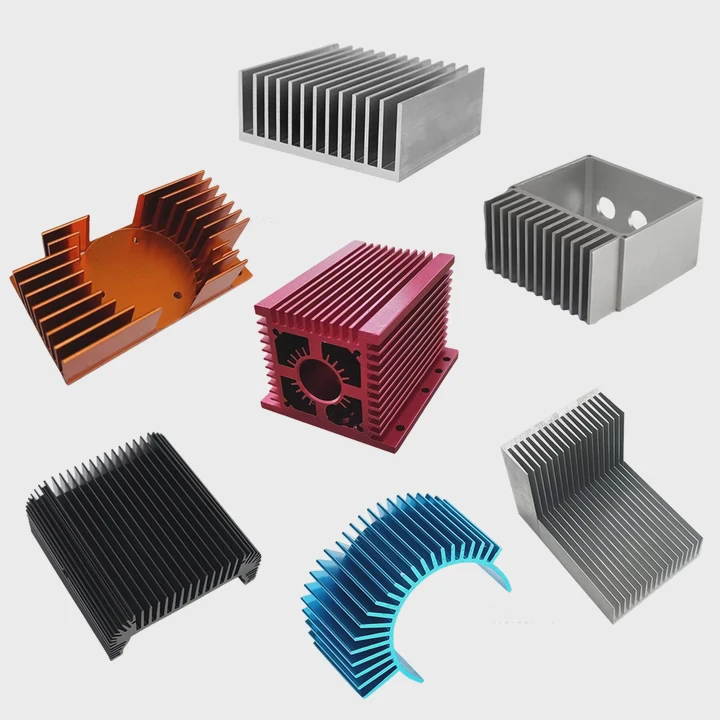
Many users wonder if their CPU actually needs liquid cooling. Some think it’s only for gamers, while others assume it’s required for every build. The truth depends on the CPU’s heat output, usage, and performance goals.
High-power CPUs with large thermal loads, such as Intel i9 or AMD Ryzen 9 series, benefit most from liquid cooling because it handles higher temperatures more efficiently than air cooling.
Modern CPUs generate incredible amounts of heat when overclocked or under heavy load. Liquid cooling provides stable, quiet, and efficient temperature management, ensuring peak performance and longer hardware life.
What factors require liquid cooling?
Different CPUs have different cooling needs. The main deciding factors include thermal design power (TDP), workload, and environmental conditions.
CPUs that produce high heat output, operate in warm environments, or run demanding workloads like rendering, gaming, or simulation typically require liquid cooling to maintain stability.
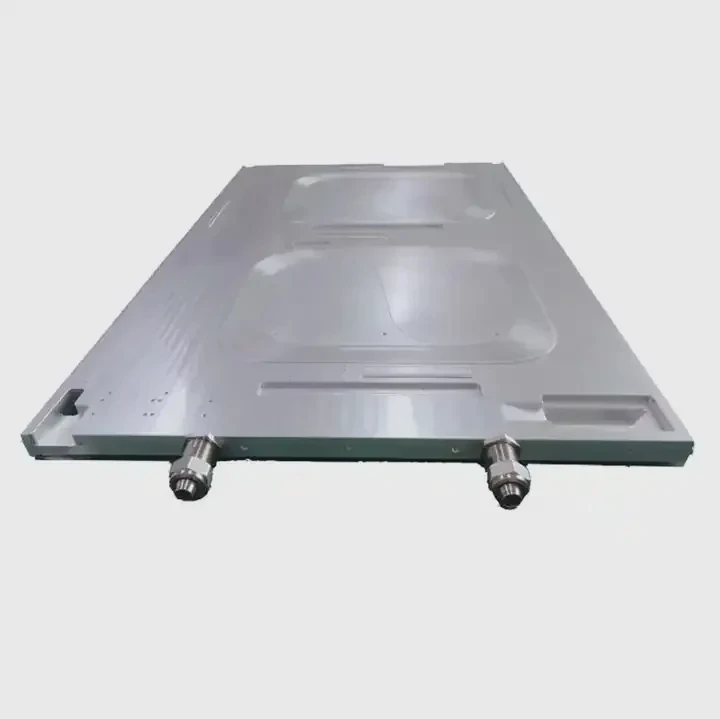
Several technical and practical factors influence whether liquid cooling is a smart choice:
| Factor | Explanation | Why It Matters |
|---|---|---|
| TDP (Thermal Design Power) | Power your CPU consumes under load | Higher TDP = More heat to remove |
| Overclocking | Running the CPU beyond base frequency | Increases voltage and heat significantly |
| Case Airflow | Amount of air moving through the case | Poor airflow traps heat, reducing performance |
| Workload Intensity | Rendering, gaming, or heavy computation | Sustained workloads push CPUs to their limits |
| Ambient Temperature | Room or environment temperature | Warm surroundings reduce cooling efficiency |
For example, a CPU with a 125W or higher TDP can easily reach 90°C under air cooling. A liquid cooler can drop that by 20°C or more. This difference extends CPU life and avoids throttling during demanding tasks.
Simple Rule
If your CPU runs hot or your system throttles under heavy use, liquid cooling is likely necessary.
What are the benefits for high-end CPUs?
High-end CPUs are designed to deliver top-tier performance, but that also means they generate more heat. Standard cooling methods often struggle to keep up.
Liquid cooling helps high-end CPUs sustain higher performance levels by maintaining lower temperatures, reducing noise, and allowing stable overclocking without throttling.
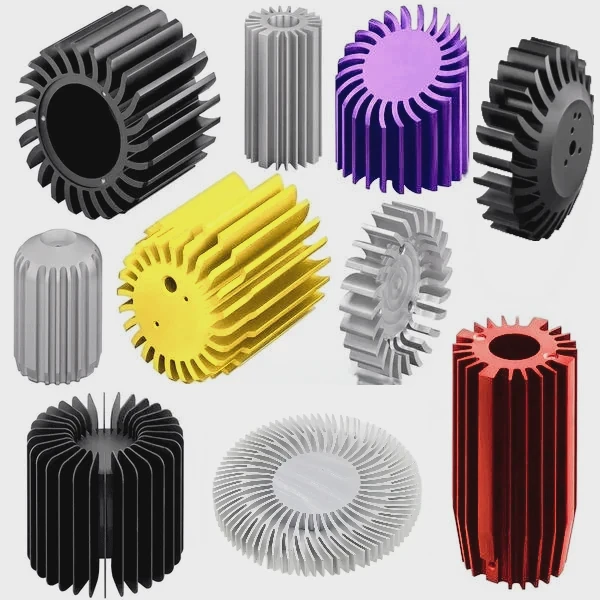
Liquid cooling is more effective because water transfers heat about 25 times faster than air. This efficiency enables better control over temperature spikes during peak performance.
Main Benefits for High-End CPUs
| Benefit | Description |
|---|---|
| Performance Stability | Keeps CPU clocks high under load |
| Lower Noise | Quiet pump operation compared to fast air fans |
| Better Aesthetics | Sleek design improves PC appearance |
| Extended Lifespan | Reduces wear caused by heat stress |
| Supports Overclocking | Prevents overheating during voltage increases |
Practical Example
Consider an Intel Core i9-14900K or AMD Ryzen 9 7950X. Both CPUs can reach over 95°C under air cooling. A high-performance AIO liquid cooler like a 360mm unit can lower temperatures by 20–25°C, ensuring smooth performance during gaming or 3D rendering.
Why Professionals Prefer It
For engineers, video editors, and gamers, constant performance matters more than just peak speed. Liquid cooling ensures consistent operation without thermal throttling, helping CPUs run at full power for long durations.
How to identify if your CPU needs it?
Many users are unsure whether their CPU really needs a liquid cooler. The answer lies in how the CPU behaves during use and how it is configured.
You can identify if your CPU needs liquid cooling by monitoring its temperature under load, checking for thermal throttling, and evaluating your workload intensity.
Step 1: Check CPU Temperature
Use tools like HWMonitor, CoreTemp, or Corsair iCUE to track CPU temperature.
- Idle: 30–40°C
- Light Load: 50–65°C
- Heavy Load: 80°C+ → consider better cooling
Step 2: Observe Throttling Behavior
If your CPU slows down under stress or your performance drops during gaming, it’s a sign of thermal throttling. This means your cooling system cannot handle the heat.
Step 3: Identify CPU Power Draw
Higher wattage means higher heat output. For CPUs above 100W TDP, air cooling often becomes insufficient for sustained workloads.
| CPU Type | Example Models | Cooling Recommendation |
|---|---|---|
| Entry-Level | Intel i3 / Ryzen 3 | Stock air cooler |
| Mid-Range | Intel i5 / Ryzen 5 | Upgraded air cooler or small AIO |
| High-End | Intel i7 / Ryzen 7 | 240mm AIO recommended |
| Extreme | Intel i9 / Ryzen 9 / Threadripper | 280mm–360mm liquid cooler required |
Step 4: Evaluate Environment
If your system is in a warm or confined space, heat builds up quickly. Liquid cooling becomes critical in such environments.
Step 5: Think Long-Term
Even if your CPU works fine now, future workloads or overclocking may push it harder. Installing a liquid cooler early saves cost and effort later.
What are the future CPU cooling trends?
The CPU cooling industry is evolving rapidly. As processors get more powerful, cooling systems must become smarter and more efficient.
Future CPU cooling trends include AI-driven control systems, hybrid cooling technologies, and eco-friendly liquid materials that enhance performance while reducing energy use.
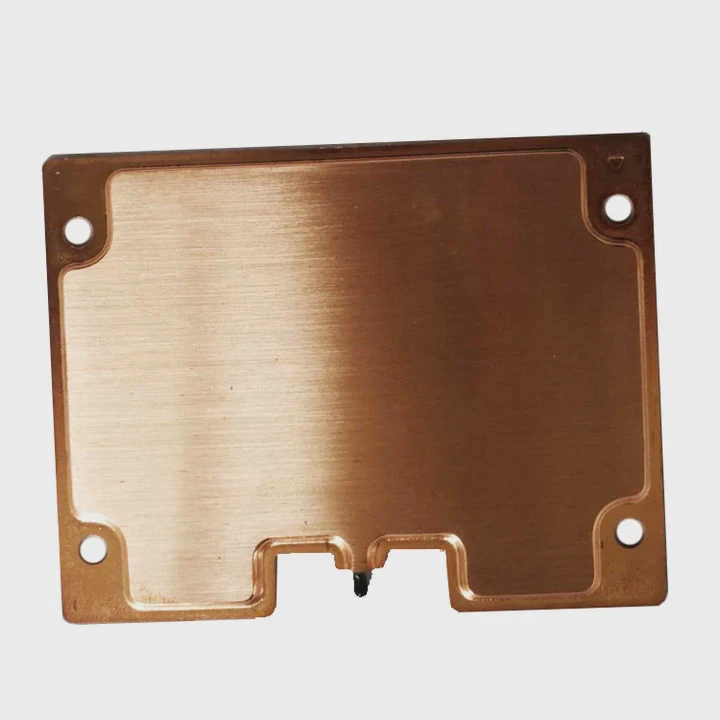
Emerging Trends
| Trend | Description | Impact |
|---|---|---|
| AI-Based Cooling Control | Adjusts pump speed and fan curves automatically | Optimizes efficiency and noise balance |
| Hybrid Air-Liquid Systems | Combines both cooling methods | Better compatibility for compact builds |
| Graphene & Nano-Liquid Coolants | High thermal conductivity materials | Faster heat transfer and durability |
| Modular Cooling Designs | Easy replacement and upgrade parts | Extends cooler lifespan |
| Sustainable Coolants | Non-toxic, biodegradable materials | Environmentally friendly design |
Smart Control Systems
AI-based thermal management will soon analyze temperature and workload data in real time. The system will adjust cooling intensity automatically, improving efficiency and extending component life.
Material Innovation
Manufacturers are experimenting with graphene-infused coolants and ceramic micro-pumps that boost conductivity while reducing wear. These materials make future systems both lighter and more reliable.
Toward Sustainability
Future coolants will likely be non-corrosive, long-lasting, and environmentally safe. As the tech industry emphasizes green manufacturing, cooling systems will follow the same direction.
Long-Term Outlook
In the next few years, CPU cooling may become completely automated, with zero-maintenance systems that adapt dynamically to workload, ambient temperature, and even energy cost.
Conclusion
Not every CPU needs liquid cooling, but for high-end or overclocked models, it’s essential. With smarter designs, efficient materials, and AI-driven control, the future of CPU cooling promises both power and simplicity.
TAGS
Latest Articles

Volume discount levels for heat sink orders?
Buyers often ask when heat sink prices start to drop with volume. Many worry they’re overpaying for small orders. This guide explains how B2B volume pricing works for thermal components. Heat sink
21 Dec,2025
Heat sink long-term supply contract options?
Many buyers want stable pricing and reliable delivery for heat sinks. But without a clear contract, risks grow over time. This article explores how to secure better long-term supply deals. Long-term
21 Dec,2025
Tooling cost for new heat sink profiles?
Many engineers struggle to understand why tooling for custom heat sinks costs so much. They worry about budgeting and production timelines. This article breaks down the cost drivers behind tooling.
21 Dec,2025
Heat sink custom sample process steps?
Sometimes, starting a custom heat sink project feels overwhelming—too many steps, too many unknowns, and too many risks. You want a sample, but not endless delays. The process for requesting and
20 Dec,2025
Standard B2B terms for heat sink payments?
When buyers and sellers in B2B heat sink markets talk about payment, many don’t fully understand what’s standard. This can lead to delayed orders, miscommunication, and even lost business
20 Dec,2025
Heat sink pricing factors for large orders?
Heat sinks are vital for many systems. When prices rise, projects stall and budgets break. This problem can hit teams hard without warning. Large order heat sink pricing depends on many factors. You
20 Dec,2025Related Articles
- What is better, liquid cooling or air cooling?
- How to mount a liquid cooler?
- What liquid is used for CPU cooling?
- Why is glass considered a super-cooled liquid?
- How to install NZXT liquid cooler?
- Does i7 need liquid cooling?
- What does liquid cooling do?
- Is the Milwaukee 8 liquid cooled?
- What should my CPU temp be with liquid cooling?
- What happens when you cool a liquid?
- What is liquid immersion cooling?
- How does the liquid cooling system work?
Author
Dr. Emily Chen
Chief AI Researcher
Leading expert in thermal dynamics and AI optimization with over 15 years of experience in data center efficiency research.
Categories
Latest Products






Recommend Categories
- Liquid cooling plate Manufacturer
- Industrial Heat Sink Manufacturer
- Standard Heat Sink Manufacturer
- Aluminum Heat Sink Manufacturer
- Copper Heat Sink Manufacturer
- Anodized Heatsink Manufacturer
- Stamping heat sink Manufacturer
- Die Casting Heatsink Manufacturer
- Soldering heat sink Manufacturer
- CNC Parts Manufacturer
Latest Products
- Wholesale Aluminum Radiator
- Water Cooling Plate Kit
- Water Cooling Heat Sink
- Water Cooling Heat Sink Kit
- Stainless Steel Water Distributor
- Server Water Cooling Plate Kit
- Server Liquid Cooling System
- Server Aluminum Cooling Kit
- S19 Full Cover Cooling Plate
- S19 Cooling Plate Kit
- S19 Aluminum Cooling Plate
Contact Expert
Have questions about this article? Reach out to our experts directly.