Is the Milwaukee 8 liquid cooled?
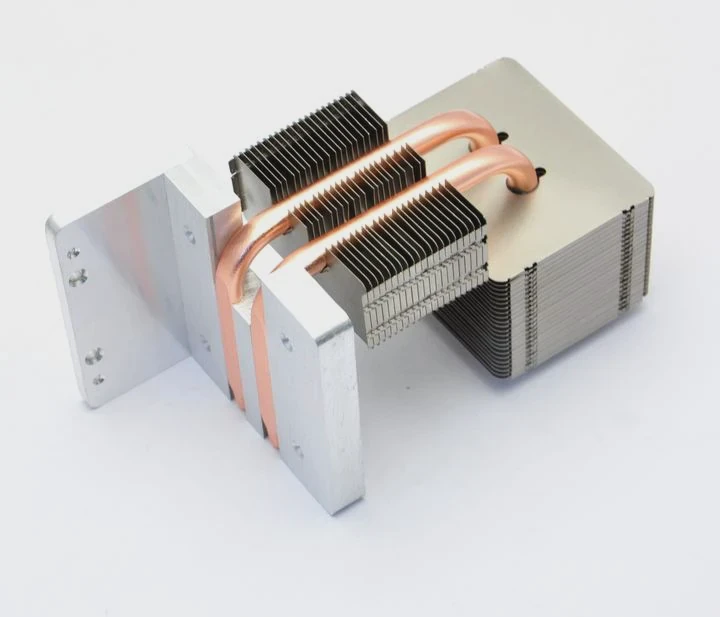
Motorcycle riders often debate whether Harley-Davidson’s Milwaukee 8 engine is air-cooled or liquid-cooled. The truth lies in a balance of both worlds.
The Milwaukee 8 engine uses a dual-cooling system — primarily air-cooled, with select versions featuring liquid-cooled cylinder heads for improved temperature control and performance stability.
This hybrid cooling approach helps Harley-Davidson maintain the traditional look and sound of its V-Twin engines while meeting modern emission and performance standards.
What is the Milwaukee 8 engine?
Riders who grew up with Harley’s classic engines remember the feel and rumble. But the demands of power, efficiency, and emission control have changed.
The Milwaukee 8 is Harley-Davidson’s latest generation V-Twin engine, designed for stronger power delivery, smoother performance, and better cooling efficiency.
Key specifications
| Feature | Specification |
|---|---|
| Configuration | 45° V-Twin |
| Displacement | 107, 114, or 117 cubic inches |
| Valvetrain | 8 valves (4 per cylinder) |
| Cooling Type | Air-cooled or Twin-Cooled (liquid-assisted) |
| Fuel System | Electronic Sequential Port Fuel Injection (ESPFI) |
Why it matters
The Milwaukee 8 was introduced in 2016 as a major evolution in Harley’s engine lineup. It brought more torque, better combustion efficiency, and smoother throttle response while preserving the signature Harley sound and feel.
This new design addressed long-standing issues like heat buildup, vibration, and fuel efficiency — making long-distance rides more comfortable.
What are the benefits of liquid cooling for it?
Many riders love the old air-cooled style, but heat has always been its enemy.
Liquid cooling in the Milwaukee 8 offers improved temperature management, performance stability, emission control, and rider comfort.
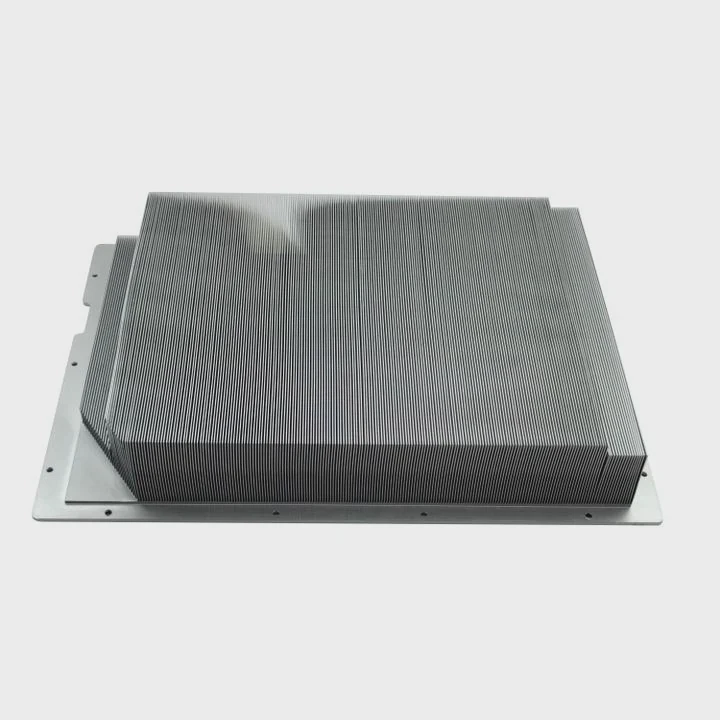
Main advantages
1. Better temperature control
Liquid cooling stabilizes temperatures around the exhaust valves and combustion chambers, where heat is most intense. This prevents detonation and improves long-term reliability.
2. Consistent performance
Engines perform best within a specific temperature range. Liquid cooling keeps that range steady, maintaining power delivery and fuel efficiency even in hot weather or heavy traffic.
3. Reduced emissions
By controlling heat more effectively, combustion becomes more complete, reducing unburned fuel and harmful exhaust gases.
4. Improved rider comfort
In older air-cooled engines, excess heat often radiates toward the rider’s legs. The Twin-Cooled system channels heat away through coolant lines and radiators, keeping rides more comfortable.
Performance summary
| Benefit | Impact |
|---|---|
| Stable combustion | Reduces engine knock |
| Lower exhaust heat | Improves rider comfort |
| Enhanced efficiency | Increases fuel economy |
| Emission control | Meets modern standards |
The result is a more balanced ride — classic in feel, modern in function.
How does its cooling system work?
Cooling a large V-Twin efficiently without losing its traditional character was a challenge. Harley’s engineers had to blend old-school design with modern thermal technology.
The Twin-Cooled Milwaukee 8 uses liquid coolant to manage heat in the cylinder heads, while air still cools the engine fins and outer surfaces.
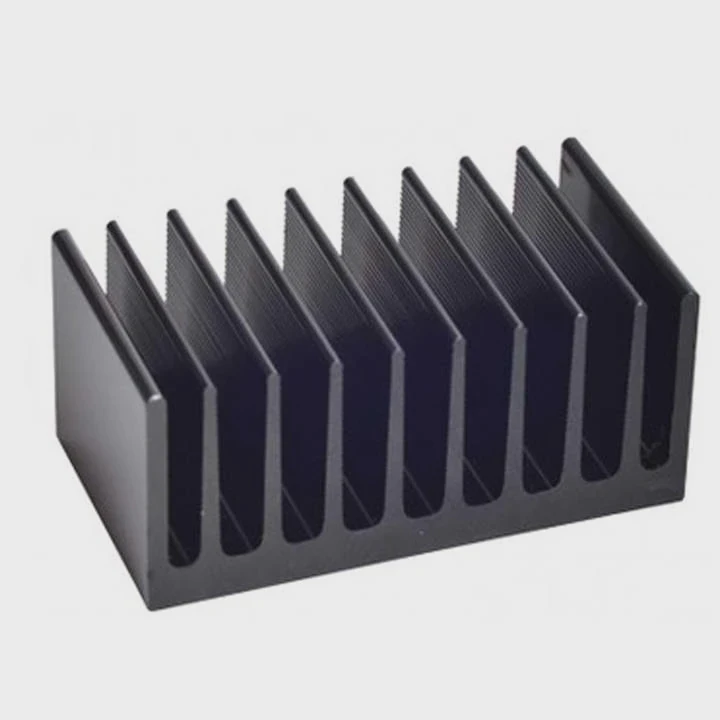
How the Twin-Cooled system works
- Heat absorption: Coolant flows through small passages in the cylinder heads, absorbing heat from the hottest areas near the exhaust valves.
- Heat transfer: The heated coolant moves through hoses to a compact radiator located near the motorcycle’s lower frame.
- Heat dissipation: Airflow from motion and fans cools the radiator, reducing coolant temperature.
- Recirculation: The cooled liquid returns to the engine, repeating the cycle continuously.
System components
| Component | Function |
|---|---|
| Radiator | Releases absorbed heat into the air |
| Coolant pump | Circulates liquid through the system |
| Coolant lines | Transfer fluid between engine and radiator |
| Temperature sensors | Monitor and control flow rate |
Key design insights
The system is subtle — the radiators are small and well-integrated into the bike’s design. Unlike visible car radiators, they don’t alter the bike’s classic appearance. Riders get modern cooling without losing heritage styling.
Harley also kept part of the engine air-cooled. The fins still help remove surface heat, maintaining that traditional V-Twin look and the signature Harley “heartbeat” vibration.
What are the trends in motorcycle cooling?
Motorcycle engines are getting more powerful every year, and emission standards continue to tighten.
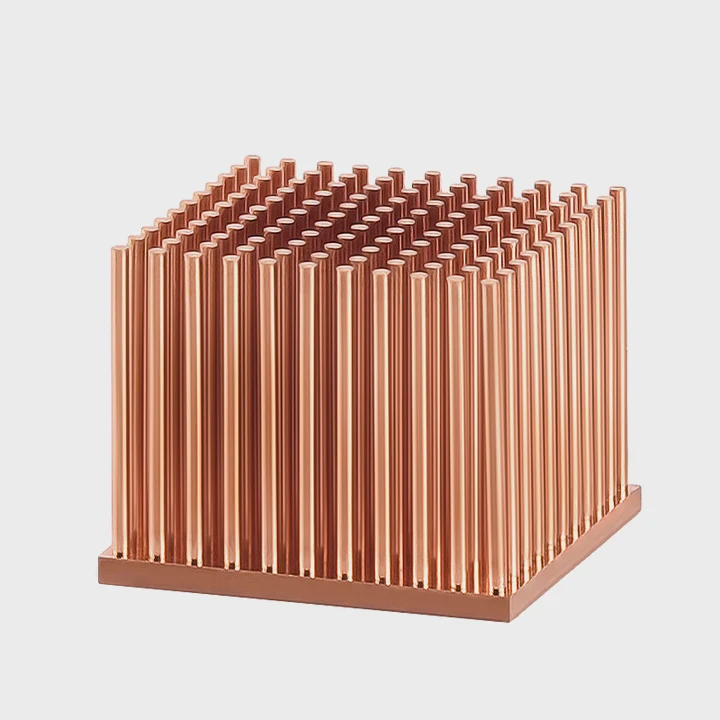
The latest trends in motorcycle cooling focus on hybrid systems, advanced materials, and smart thermal management to achieve both performance and environmental goals.
Modern trends
1. Hybrid cooling systems
Manufacturers are combining air and liquid cooling, similar to Harley’s Twin-Cooled system, to balance design simplicity with performance and emission needs.
2. Smart temperature control
Electronic control units (ECUs) now manage cooling systems dynamically — adjusting fan speed, coolant flow, and engine maps based on temperature sensors.
3. Improved materials
New alloys and coatings enhance thermal conductivity and resist corrosion, allowing for smaller radiators and lighter cooling components.
4. Electric motorcycle cooling
As electric bikes gain popularity, liquid cooling is being adapted to manage battery and motor temperatures, ensuring safety and performance.
Future outlook
In the near future, expect to see:
- AI-assisted cooling that predicts thermal loads based on riding behavior.
- Integrated thermal modules that combine cooling for both engine and electronics.
- Lightweight nano-coolants for faster heat transfer.
These innovations point toward a future where motorcycles are cleaner, faster, and more efficient — without sacrificing the riding experience that enthusiasts love.
Conclusion
The Milwaukee 8 represents Harley-Davidson’s bridge between tradition and technology. Its liquid-assisted cooling system keeps performance strong, emissions low, and riders comfortable, all while preserving the unmistakable feel of a Harley V-Twin. As cooling technologies evolve, we’ll continue to see motorcycles that blend heritage with modern engineering in perfect balance.
TAGS
Latest Articles

Volume discount levels for heat sink orders?
Buyers often ask when heat sink prices start to drop with volume. Many worry they’re overpaying for small orders. This guide explains how B2B volume pricing works for thermal components. Heat sink
21 Dec,2025
Heat sink long-term supply contract options?
Many buyers want stable pricing and reliable delivery for heat sinks. But without a clear contract, risks grow over time. This article explores how to secure better long-term supply deals. Long-term
21 Dec,2025
Tooling cost for new heat sink profiles?
Many engineers struggle to understand why tooling for custom heat sinks costs so much. They worry about budgeting and production timelines. This article breaks down the cost drivers behind tooling.
21 Dec,2025
Heat sink custom sample process steps?
Sometimes, starting a custom heat sink project feels overwhelming—too many steps, too many unknowns, and too many risks. You want a sample, but not endless delays. The process for requesting and
20 Dec,2025
Standard B2B terms for heat sink payments?
When buyers and sellers in B2B heat sink markets talk about payment, many don’t fully understand what’s standard. This can lead to delayed orders, miscommunication, and even lost business
20 Dec,2025
Heat sink pricing factors for large orders?
Heat sinks are vital for many systems. When prices rise, projects stall and budgets break. This problem can hit teams hard without warning. Large order heat sink pricing depends on many factors. You
20 Dec,2025Related Articles
- What does liquid cooling do?
- What CPUs need liquid cooling?
- What is better, liquid cooling or air cooling?
- How to mount a liquid cooler?
- What liquid is used for CPU cooling?
- Why is glass considered a super-cooled liquid?
- What should my CPU temp be with liquid cooling?
- What happens when you cool a liquid?
- What is liquid immersion cooling?
- How does the liquid cooling system work?
- What does liquid cooled mean?
- How to install GPU liquid cooling?
Author
Dr. Emily Chen
Chief AI Researcher
Leading expert in thermal dynamics and AI optimization with over 15 years of experience in data center efficiency research.
Categories
Latest Products






Recommend Categories
- Liquid cooling plate Manufacturer
- Industrial Heat Sink Manufacturer
- Standard Heat Sink Manufacturer
- Aluminum Heat Sink Manufacturer
- Copper Heat Sink Manufacturer
- Anodized Heatsink Manufacturer
- Stamping heat sink Manufacturer
- Die Casting Heatsink Manufacturer
- Soldering heat sink Manufacturer
- CNC Parts Manufacturer
Latest Products
- Wholesale Aluminum Radiator
- Water Cooling Plate Kit
- Water Cooling Heat Sink
- Water Cooling Heat Sink Kit
- Stainless Steel Water Distributor
- Server Water Cooling Plate Kit
- Server Liquid Cooling System
- Server Aluminum Cooling Kit
- S19 Full Cover Cooling Plate
- S19 Cooling Plate Kit
- S19 Aluminum Cooling Plate
Contact Expert
Have questions about this article? Reach out to our experts directly.