What is liquid immersion cooling?
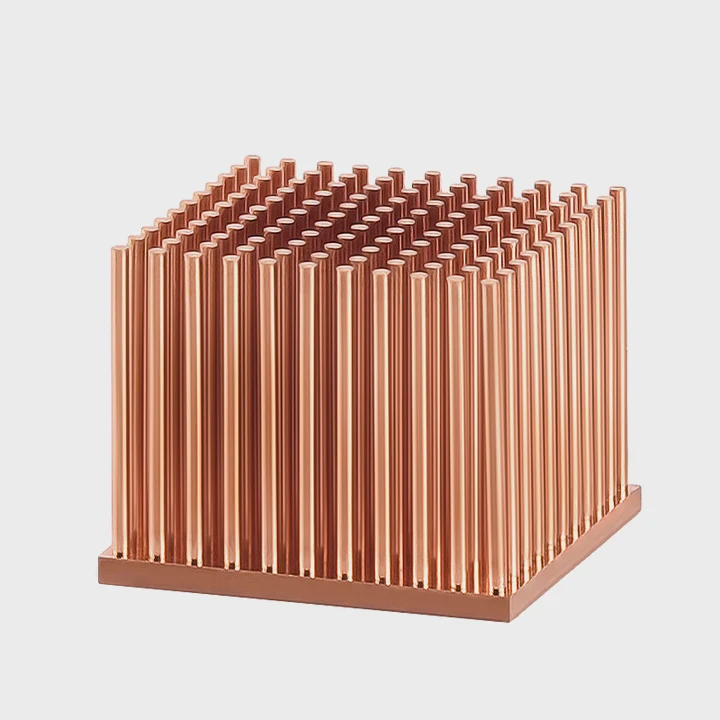
The idea of putting electronic equipment directly into a liquid might sound risky, but in reality, it’s one of the most effective cooling methods for high-performance computing. I first saw immersion cooling in a data center years ago, and it completely changed how I thought about heat management.
Liquid immersion cooling is a method where servers or components are submerged in a thermally conductive but electrically non-conductive liquid to dissipate heat efficiently.
This approach allows heat to be removed directly from the source, instead of relying on air or indirect water loops. The result is a quieter, more efficient system that can handle the most demanding workloads.
How does immersion cooling work?
At first glance, immersion cooling looks like science fiction — servers sitting quietly in a clear tank of liquid, no fans, no noise. But the process is simple and elegant.
Immersion cooling works by submerging hardware in dielectric fluid that absorbs heat, then transfers it to a heat exchanger where it is removed from the system.
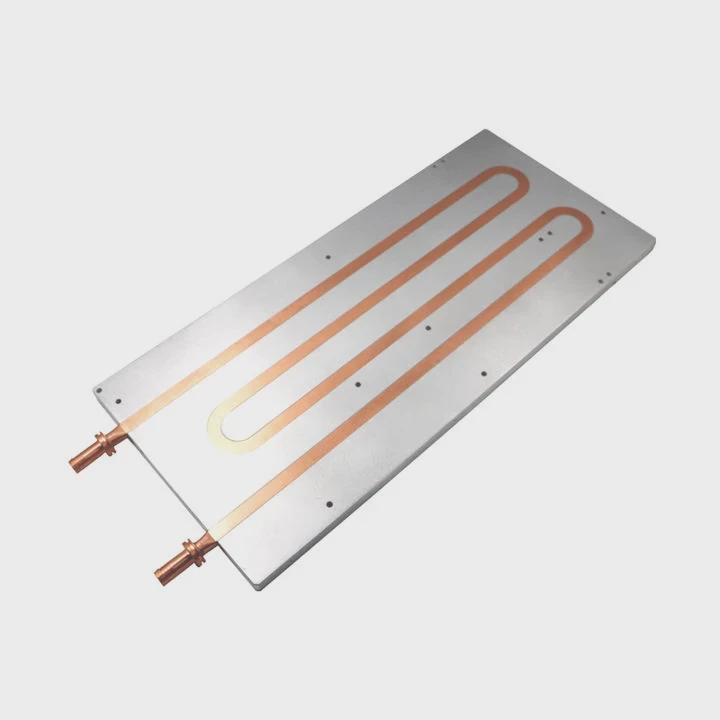
The key here is dielectric liquid, which doesn’t conduct electricity, making it safe for electronic components. The process can be single-phase or two-phase depending on the system design.
Basic process steps
| Step | Description |
|---|---|
| 1 | Hardware is placed inside a sealed tank filled with dielectric fluid |
| 2 | Heat from components warms the surrounding liquid |
| 3 | Heated liquid circulates naturally or through pumps |
| 4 | Heat is transferred to a secondary loop or heat exchanger |
| 5 | Cooled liquid returns to the tank to repeat the process |
Two types of immersion cooling
- Single-phase immersion: The liquid remains in liquid form, transferring heat through convection and external cooling loops.
- Two-phase immersion: The liquid boils upon contact with hot components, and the vapor condenses back into liquid, providing even more efficient heat removal.
Example from my experience
During a project for a high-density computing client, we tested both methods. The two-phase system kept processors nearly 15°C cooler than traditional air cooling, even under full load, and cut total energy use by over 40%.
What are its benefits for servers?
When servers run 24⁄7, heat is the enemy. Fans and air conditioning can only do so much before power bills and noise levels skyrocket. That’s where immersion cooling steps in.
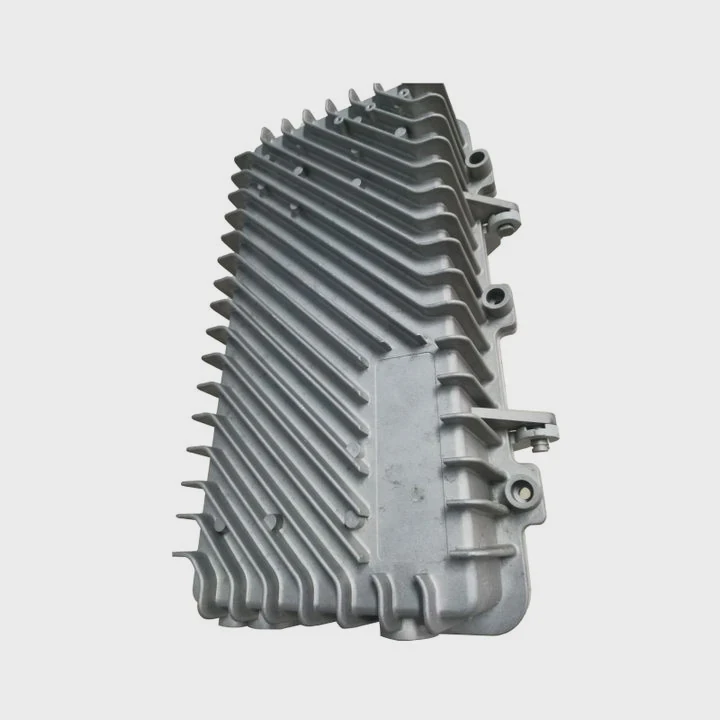
Immersion cooling offers better efficiency, lower noise, higher hardware density, and longer equipment life for server environments.
Main benefits
| Benefit | Description |
|---|---|
| High cooling efficiency | Liquids transfer heat up to 1,000× faster than air |
| Energy savings | Reduces need for traditional air conditioning |
| Lower noise | No fans or blowers required |
| Compact design | Enables higher server density in less space |
| Extended hardware life | Stable temperature reduces thermal stress |
Energy and performance impact
In data centers, cooling accounts for up to 40% of total energy consumption. Immersion systems can reduce this by half or more. This translates into lower PUE (Power Usage Effectiveness) values and significant cost savings.
Reliability advantage
Because all components operate in a controlled liquid environment, dust and humidity are no longer a threat. Fans and filters become unnecessary, reducing moving parts that can fail. In my experience, immersion-cooled servers tend to run quieter, cleaner, and longer.
Example results
| Cooling Method | Average CPU Temp | Power Used for Cooling | Noise Level |
|---|---|---|---|
| Air Cooling | 75°C | 35% of total power | High |
| Liquid Immersion | 45°C | 10% of total power | Near silent |
These numbers highlight how immersion cooling transforms both performance and energy efficiency.
How to implement immersion cooling safely?
Safety and design are essential when adopting immersion cooling. Although the technology looks straightforward, setup mistakes can cause leaks, overheating, or maintenance challenges.
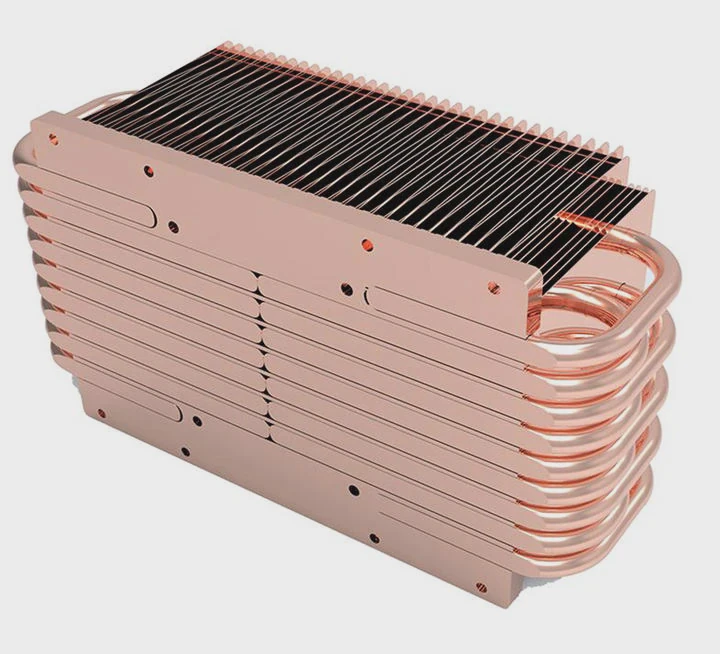
To implement immersion cooling safely, use certified dielectric fluids, ensure proper containment, control temperature cycles, and monitor equipment continuously.
Key safety steps
| Step | Action | Reason |
|---|---|---|
| 1 | Choose correct fluid type | Must be non-conductive and stable |
| 2 | Use sealed tanks | Prevents evaporation and contamination |
| 3 | Manage heat exchangers | Controls system temperature accurately |
| 4 | Regularly test fluid quality | Detects degradation or contamination early |
| 5 | Implement leak detection sensors | Provides real-time safety alerts |
Fluid selection
Most systems use synthetic hydrocarbons, fluorocarbons, or engineered oils. The right fluid depends on operating temperature and performance goals. Always verify material compatibility with seals, gaskets, and PCBs.
Maintenance practices
- Check fluid clarity — cloudy liquid may indicate contamination.
- Monitor fluid level — ensure adequate submersion of components.
- Inspect seals — prevent small leaks that could reduce efficiency.
- Calibrate temperature sensors — accurate readings prevent overheating.
In one installation I worked on, we discovered small leaks from thermal expansion after long runtime. Adding flexible seals and pressure vents solved the issue permanently, keeping the system stable for years.
What are the innovations in immersion technology?
Immersion cooling is evolving fast. When I look at the latest systems from 2024 and 2025, the focus has shifted toward smarter monitoring, eco-friendly fluids, and modular scalability.
New immersion technologies emphasize biodegradable fluids, modular tank design, AI-based thermal control, and seamless integration for large-scale data centers.
Current innovations
| Innovation | Description |
|---|---|
| Biodegradable fluids | New fluids with lower environmental impact |
| Modular tanks | Easy to scale and transport |
| AI-based monitoring | Predictive thermal management for optimal cooling |
| Hybrid cooling loops | Combine immersion with liquid-to-air systems |
| Integrated maintenance systems | Automated filtration and fluid health checks |
Smart monitoring systems
AI and IoT sensors now allow real-time tracking of temperature, pressure, and fluid health. Predictive models can anticipate thermal spikes and adjust pump speeds or flow direction before issues occur.
Sustainable focus
Many fluid manufacturers are creating eco-friendly alternatives to traditional fluorocarbon-based coolants. These newer materials have low global warming potential (GWP) and can be safely recycled.
Market and application growth
Immersion cooling is no longer limited to experimental setups. It’s now used in:
- Hyperscale data centers
- Cryptocurrency mining farms
- Edge computing systems
- AI and HPC clusters
I believe the next stage will bring plug-and-play immersion modules that allow small businesses to adopt this technology easily. As the hardware and software ecosystem matures, immersion cooling could soon become the standard for thermal management in high-density computing.
Conclusion
Liquid immersion cooling is one of the most powerful and efficient ways to manage heat in modern computing. By safely submerging hardware in dielectric fluid, we achieve better performance, lower noise, and reduced energy use. With new innovations in smart control and sustainability, immersion cooling is rapidly shaping the future of thermal management.
TAGS
Latest Articles

Volume discount levels for heat sink orders?
Buyers often ask when heat sink prices start to drop with volume. Many worry they’re overpaying for small orders. This guide explains how B2B volume pricing works for thermal components. Heat sink
21 Dec,2025
Heat sink long-term supply contract options?
Many buyers want stable pricing and reliable delivery for heat sinks. But without a clear contract, risks grow over time. This article explores how to secure better long-term supply deals. Long-term
21 Dec,2025
Tooling cost for new heat sink profiles?
Many engineers struggle to understand why tooling for custom heat sinks costs so much. They worry about budgeting and production timelines. This article breaks down the cost drivers behind tooling.
21 Dec,2025
Heat sink custom sample process steps?
Sometimes, starting a custom heat sink project feels overwhelming—too many steps, too many unknowns, and too many risks. You want a sample, but not endless delays. The process for requesting and
20 Dec,2025
Standard B2B terms for heat sink payments?
When buyers and sellers in B2B heat sink markets talk about payment, many don’t fully understand what’s standard. This can lead to delayed orders, miscommunication, and even lost business
20 Dec,2025
Heat sink pricing factors for large orders?
Heat sinks are vital for many systems. When prices rise, projects stall and budgets break. This problem can hit teams hard without warning. Large order heat sink pricing depends on many factors. You
20 Dec,2025Related Articles
- What happens when you cool a liquid?
- What should my CPU temp be with liquid cooling?
- Is the Milwaukee 8 liquid cooled?
- What does liquid cooling do?
- What CPUs need liquid cooling?
- What is better, liquid cooling or air cooling?
- How does the liquid cooling system work?
- What does liquid cooled mean?
- How to install GPU liquid cooling?
- How does CPU liquid cooling work?
- Which PowerEdge server supports direct liquid cooling?
- Does Ryzen 9 5950X need liquid cooling?
Author
Dr. Emily Chen
Chief AI Researcher
Leading expert in thermal dynamics and AI optimization with over 15 years of experience in data center efficiency research.
Categories
Latest Products






Recommend Categories
- Liquid cooling plate Manufacturer
- Industrial Heat Sink Manufacturer
- Standard Heat Sink Manufacturer
- Aluminum Heat Sink Manufacturer
- Copper Heat Sink Manufacturer
- Anodized Heatsink Manufacturer
- Stamping heat sink Manufacturer
- Die Casting Heatsink Manufacturer
- Soldering heat sink Manufacturer
- CNC Parts Manufacturer
Latest Products
- Wholesale Aluminum Radiator
- Water Cooling Plate Kit
- Water Cooling Heat Sink
- Water Cooling Heat Sink Kit
- Stainless Steel Water Distributor
- Server Water Cooling Plate Kit
- Server Liquid Cooling System
- Server Aluminum Cooling Kit
- S19 Full Cover Cooling Plate
- S19 Cooling Plate Kit
- S19 Aluminum Cooling Plate
Contact Expert
Have questions about this article? Reach out to our experts directly.