what has a heatsink in them?
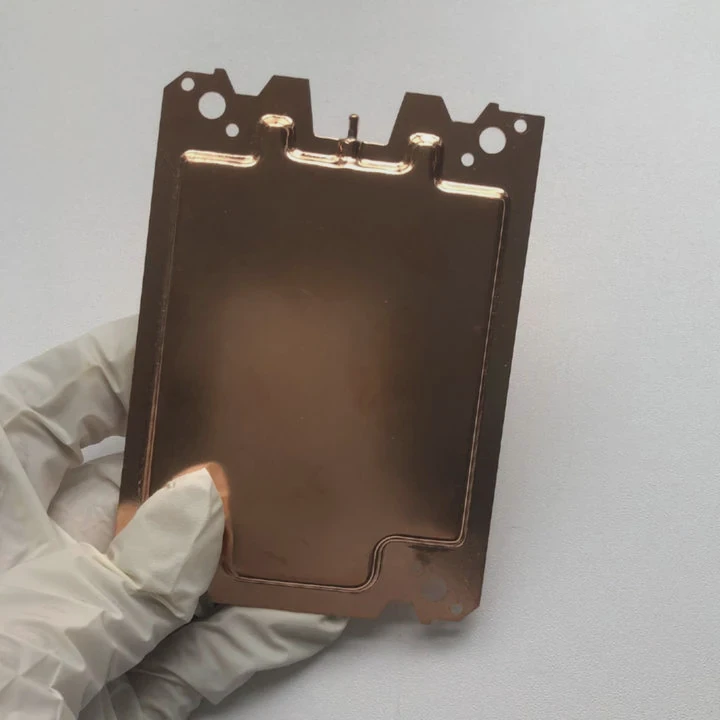
Many people see metal blocks or fin structures inside electronics and wonder why they appear in so many devices. This creates confusion because heatsinks come in many shapes and sizes.
Many electronics have heatsinks because high-power components generate heat that must move into air, and different devices use passive or active cooling to stay safe and stable.
Most users think only large parts need heatsinks. In reality, many small chips also use tiny cooling structures.
Why high-power parts need sinks?
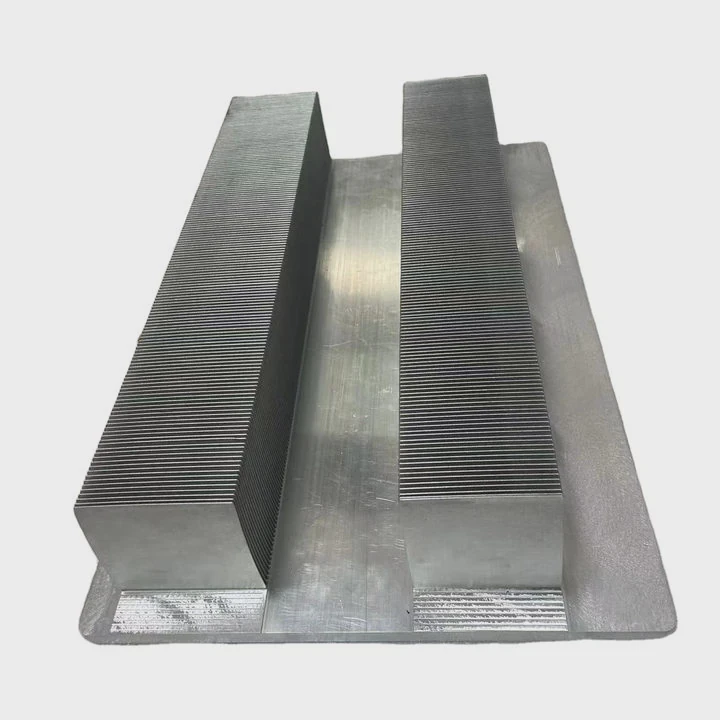
High-power parts make heat whenever they work. Without a cooling tool, this heat stays inside the device and causes slowdowns or failure.
High-power parts need heatsinks because they draw heavy current, switch at high speed, and produce dense heat that must move away fast to keep the system stable.
I once repaired a graphics card that had lost its main heatsink. The card overheated within seconds. After reinstalling a proper sink, the card ran smooth.
How high-power parts generate heat
Power flows through components like CPUs, GPUs, voltage regulators, amplifiers, and power transistors. These parts switch signals or move large current loads. The switching and resistance create heat. Heat must leave the chip quickly.
Why thermal buildup is dangerous
When heat builds up, parts slow down to protect themselves. If the heat stays high, parts may shut down. In worst cases, solder points weaken and devices fail.
Table: High-power parts that need heatsinks
| Component | Heat Level | Reason |
|---|---|---|
| CPU | High | Constant processing |
| GPU | Very high | Heavy graphics load |
| VRMs | High | Power conversion |
| Power transistors | High | High current flow |
Why heatsinks solve the buildup
Heatsinks spread heat from a small chip into a large metal area. Air touches the fins and pulls heat away. This simple design keeps temperatures stable.
Why modern devices use larger sinks
As chips get faster, heat increases. Larger or more advanced heatsinks help keep temps under control. Even small boosts in cooling give large performance gains.
Which devices use passive cooling?
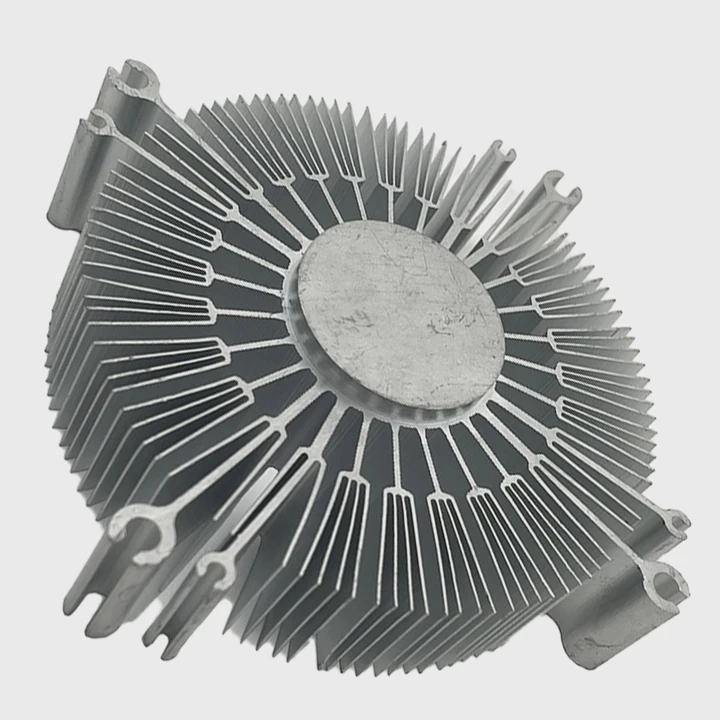
Many users assume all heatsinks require fans. But some devices cool themselves without moving air.
Devices that use passive cooling include routers, set-top boxes, mini PCs, audio amplifiers, VRMs, and low-power embedded systems where heat is moderate and airflow is limited.
I once opened a small router and saw a simple block of aluminum sitting on the main chip. No fan was present, yet the device stayed warm but stable.
How passive cooling works
Passive cooling uses fixed metal sinks with no fans. These sinks rely on natural air movement. Warm air rises, and cool air enters from below. Over time, heat leaves the device slowly and safely.
When passive cooling is enough
Devices with low power draw or steady loads can stay cool with passive sinks. The idea is that heat output stays below the limit of what the metal can spread.
Passive devices table
| Device | Cooling Type | Heat Level |
|---|---|---|
| Router | Passive | Low |
| Smart TV box | Passive | Low–medium |
| Mini PC | Passive or hybrid | Medium |
| Audio amplifier | Passive | Medium |
Why fans are not always needed
Fans make noise and use power. Some devices aim for silent use. As long as heat stays within limits, passive sinks work well.
Why passive cooling needs good placement
Even with passive sinks, airflow paths matter. If vents are blocked or dust builds up, heat stays inside. Keeping the device in open space helps.
Can tiny chips have micro-sinks?
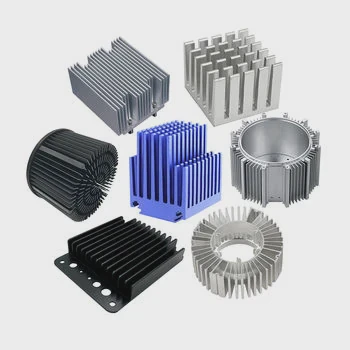
Some chips look too small for heatsinks, but they still warm up during use. Many users never see the tiny sinks placed on them.
Yes, tiny chips can have micro-sinks because even small controllers, regulators, and memory modules create enough heat to benefit from miniature cooling blocks.
I once worked on a compact board where a tiny power chip had a square metal plate bonded on top. This small piece kept the chip cool under load.
What micro-sinks look like
Micro-sinks are thin metal plates or tiny fin structures. They often sit on Wi-Fi modules, motor drivers, VRMs, or memory chips. These parts warm up fast in small boards.
Why small chips heat quickly
Small chips have high-density circuits. The heat stays close to the surface. Even a little workload increases temperature fast. A micro-sink spreads this heat to avoid local hotspots.
Micro-sink table
| Chip Type | Heat Level | Cooling Need |
|---|---|---|
| Wi-Fi module | Medium | Small sink |
| VRM module | High | Micro fin sink |
| Motor driver | High | Tall micro block |
| NAND controller | Medium | Plate sink |
Why micro-sinks are common in compact devices
Compact devices pack chips close together. Heat from one chip warms the next. Micro-sinks control this buildup and keep the board reliable.
Why adhesives secure micro-sinks
Many micro-sinks use thermal tape or epoxy. The bond must be strong because small sinks can shift if the device is handled roughly.
Do materials differ by product?
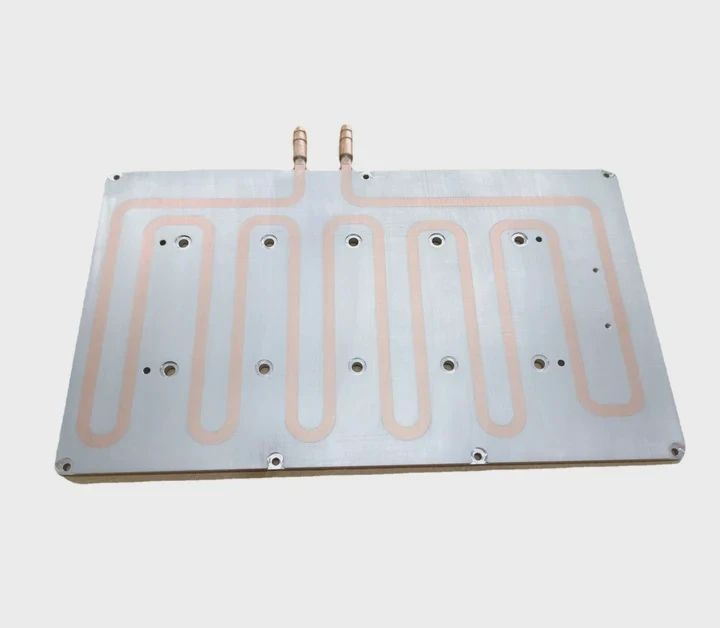
Many users see heatsinks made of aluminum, copper, or mixed alloys. The choice depends on the product and its heat load.
Materials differ by product because each metal handles heat transfer, weight, size limits, and cost differently, and devices need the right balance of cooling and durability.
I once compared two similar CPU coolers. The copper base cooled faster, but the aluminum fins kept weight low. This mix worked better than using one material alone.
Common heatsink materials
Aluminum is the most common. It is light, strong, and affordable. Copper conducts heat faster but is heavier and more expensive. Some products combine both for balanced cooling.
Material comparison table
| Material | Conductivity | Weight | Cost |
|---|---|---|---|
| Aluminum | Medium | Light | Low |
| Copper | High | Heavy | Higher |
| Hybrid | High base, light fins | Medium | Medium |
Why some devices use copper
Copper moves heat quickly. High-power products like CPUs and GPUs use copper bases to pull heat out as fast as possible.
Why aluminum fits many products
Aluminum is easier to shape into fins. It weighs less. Devices that need large cooling surfaces but low weight use aluminum.
Why hybrids solve many problems
A copper base pulls heat from the chip. Aluminum fins release heat into the air. This mix offers strong performance without the drawbacks of pure copper.
Why material choice affects performance
A good heatsink must balance thermal speed, weight, and size. Different products choose metals based on their cooling needs and physical limits.
Conclusion
Many devices—from large CPUs to tiny chips—use heatsinks. These sinks vary in size, function, and material, but all serve the same goal: moving heat away to keep electronics cool, stable, and reliable.
TAGS
Latest Articles

Volume discount levels for heat sink orders?
Buyers often ask when heat sink prices start to drop with volume. Many worry they’re overpaying for small orders. This guide explains how B2B volume pricing works for thermal components. Heat sink
21 Dec,2025
Heat sink long-term supply contract options?
Many buyers want stable pricing and reliable delivery for heat sinks. But without a clear contract, risks grow over time. This article explores how to secure better long-term supply deals. Long-term
21 Dec,2025
Tooling cost for new heat sink profiles?
Many engineers struggle to understand why tooling for custom heat sinks costs so much. They worry about budgeting and production timelines. This article breaks down the cost drivers behind tooling.
21 Dec,2025
Heat sink custom sample process steps?
Sometimes, starting a custom heat sink project feels overwhelming—too many steps, too many unknowns, and too many risks. You want a sample, but not endless delays. The process for requesting and
20 Dec,2025
Standard B2B terms for heat sink payments?
When buyers and sellers in B2B heat sink markets talk about payment, many don’t fully understand what’s standard. This can lead to delayed orders, miscommunication, and even lost business
20 Dec,2025
Heat sink pricing factors for large orders?
Heat sinks are vital for many systems. When prices rise, projects stall and budgets break. This problem can hit teams hard without warning. Large order heat sink pricing depends on many factors. You
20 Dec,2025Related Articles
- how do you clean a heatsink?
- do nvmes need heatsinks?
- do you need heatsink for liquid cooled cpu?
- does an m2 ssd need a heatsink?
- how to clean cpu cooler heatsink?
- how to separate processor from heatsink?
- how to clean cpu heatsink and fan?
- how to remove a heatsink from a cpu?
- what is the difference between dialectric grease and heatsink compound?
- how to put a heatsink on motherboard 1366?
- can you put ssd with heatsink in laptop?
- do you put thermal paste on the cpu and heatsink?
Author
Dr. Emily Chen
Chief AI Researcher
Leading expert in thermal dynamics and AI optimization with over 15 years of experience in data center efficiency research.
Categories
Latest Products
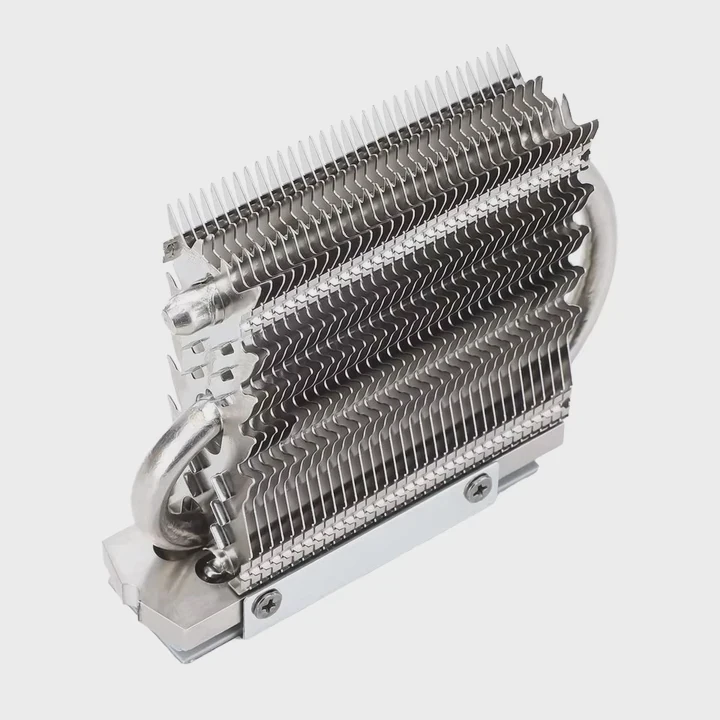
M.2 Heatpipe Heatsink With Dual Fans For Pc Case
19 Mar,2026
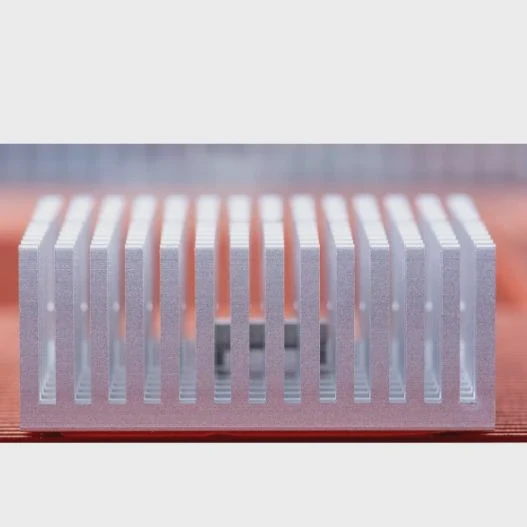
Heavy-Duty Aluminum Heat Sink Custom
19 Mar,2026
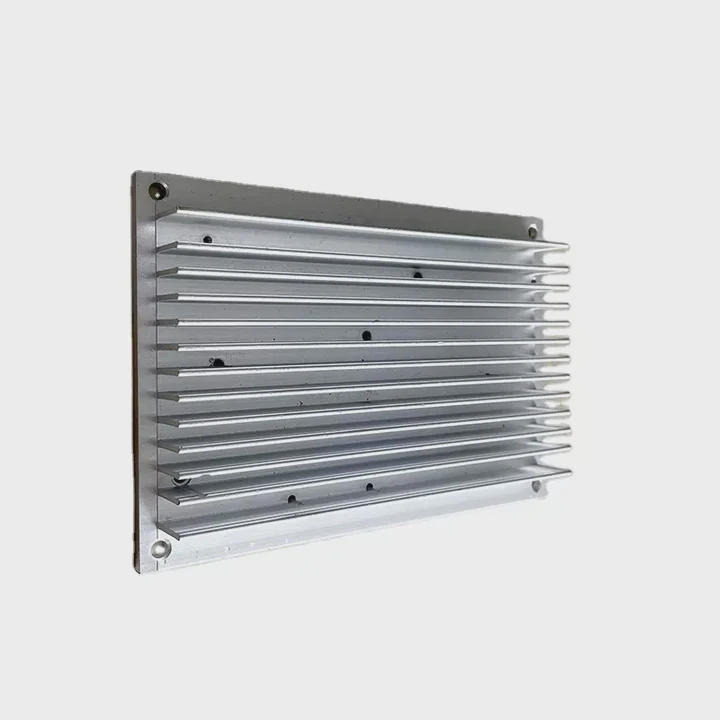
Oem Skived Fin Heatsink Aluminum Radiator For Plants
19 Mar,2026
Water Cooled Cnc Aluminum Heat Sink For Medical
19 Mar,2026
High Density 6000 Series Aluminum Heat Sink Profile
19 Mar,2026
High-Density Extruded Aluminum & Bonded-Fin Heat Sink Profile
19 Mar,2026
Recommend Categories
- Liquid cooling plate Manufacturer
- Industrial Heat Sink Manufacturer
- Standard Heat Sink Manufacturer
- Aluminum Heat Sink Manufacturer
- Copper Heat Sink Manufacturer
- Anodized Heatsink Manufacturer
- Stamping heat sink Manufacturer
- Die Casting Heatsink Manufacturer
- Soldering heat sink Manufacturer
- CNC Parts Manufacturer
Latest Products
- M.2 Heatpipe Heatsink With Dual Fans For Pc Case
- Heavy-Duty Aluminum Heat Sink Custom
- Oem Skived Fin Heatsink Aluminum Radiator For Plants
- Water Cooled Cnc Aluminum Heat Sink For Medical
- High Density 6000 Series Aluminum Heat Sink Profile
- High-Density Extruded Aluminum & Bonded-Fin Heat Sink Profile
- Dongguan Cnc Aluminum Heat Sink For Led & Brass Parts
- Wholesale Cnc Aluminum Heat Sink - Custom Extruded
- Led Cnc Round Heat Sink With Screw Holes
- Copper Pin-Fin Heat-Sink Large-Area For Photoled Cooling
- Telecom Heatsink Zipper Fin Wcopper Tubes Oem
Contact Expert
Have questions about this article? Reach out to our experts directly.