do you put thermal paste on the cpu and heatsink?
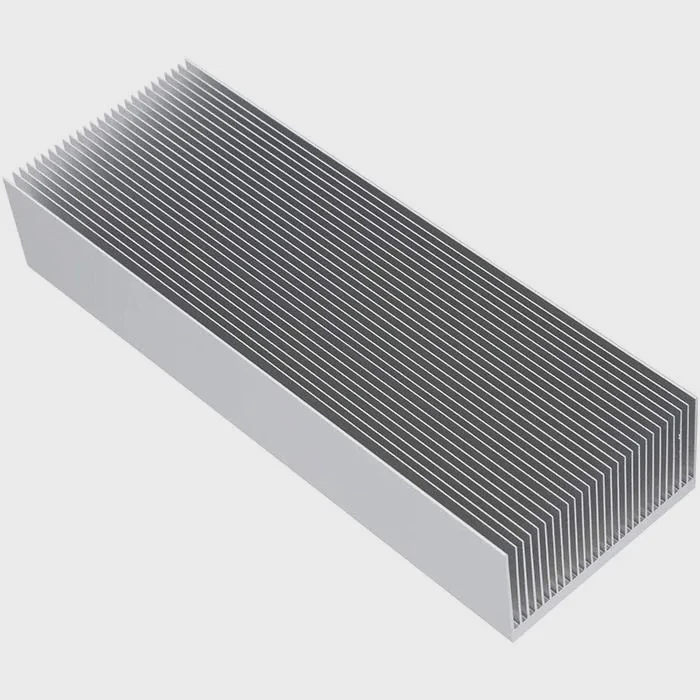
Many people worry about applying thermal paste the wrong way. A small mistake can raise temperatures or damage parts.
You should apply thermal paste on only one surface, usually the CPU. A thin, even layer spreads under pressure and fills gaps. Adding paste on both sides creates uneven thickness and reduces cooling.
I have seen many builds fail because the paste was applied too thick or in the wrong way. A simple, clean method works best.
Why only one layer is needed?
Some users think applying paste to both sides makes the joint stronger. But paste is not glue. Its job is only to fill microscopic gaps.
Only one thin layer is needed because thermal paste fills small voids, not large spaces. Adding more paste blocks heat flow and increases resistance.
Why a single layer works
Paste has high thermal conductivity but is still worse than metal-to-metal contact. You want the paste only in tiny gaps. When both sides receive paste, the layer becomes too thick. This slows heat transfer.
Key things to check
| Application Method | Result |
|---|---|
| One thin layer | Best performance |
| Thick layer | Traps heat |
| Paste on both sides | Uneven spread |
A deeper explanation of single-layer logic
The CPU heat spreader and heatsink base have microscopic bumps and valleys. These tiny gaps trap air. Air blocks heat. Paste fills these gaps so heat moves smoothly. But paste should not form a thick cushion. A thick cushion becomes a thermal wall.
When you add paste on both the CPU and the heatsink, the thickness almost doubles. A doubled layer changes the thermal path. This slows heat flow and increases temperature spikes under load. Many people think the paste “squeezes out,” but thick layers often remain trapped in the center.
Thermal paste does not compress like foam. It moves slowly and stays where pressure stops it. One controlled layer gives predictable behavior. More layers produce random thickness and weak contact.
How does pressure spread paste?
Pressure controls how paste fills the interface. Without correct pressure, the paste stays uneven and air pockets remain.
Pressure from the heatsink spreads the paste across the CPU surface. It forces paste into tiny gaps and pushes out excess material to the edges.
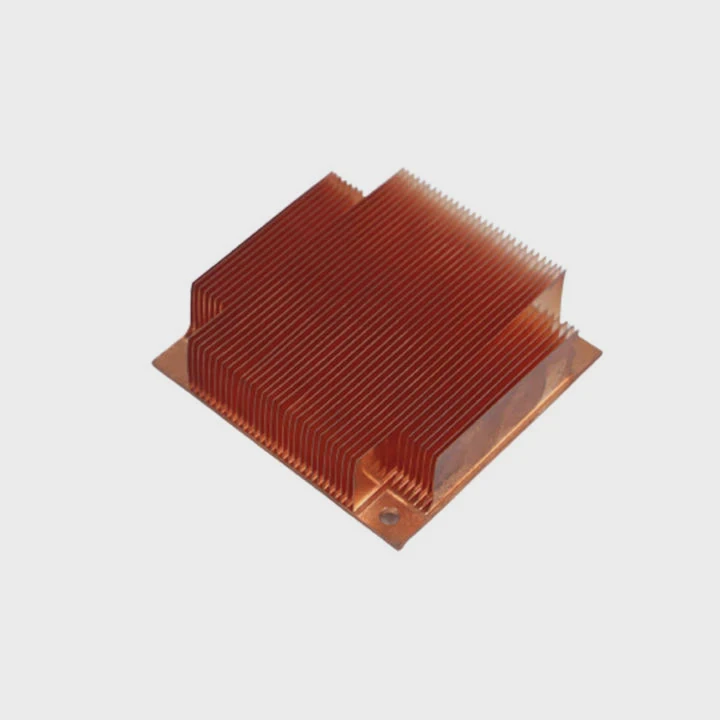
Why pressure matters
The clamp or screws hold the heatsink flat. When you tighten them, the base presses down. This action allows paste to move into all voids. Without pressure, paste does not spread well.
Basic pressure behavior
| Pressure Level | Paste Action |
|---|---|
| Low | Stays uneven |
| Correct | Spreads smoothly |
| Too high | Pushes out too much |
A deeper view of pressure movement
When pressure increases, the paste moves from the center toward the edges. This movement creates a thin film. A thin film gives strong thermal performance. A thick film stays trapped in the core and blocks heat.
Heatsinks use spring screws or brackets. These springs maintain stable pressure over time. They also keep the interface level. A level interface helps paste spread in a controlled way. If one side tightens too early, the paste shifts to the opposite side. This becomes a hotspot.
As pressure spreads the paste, any air pockets collapse. Air does not conduct heat well. Removing air is the main goal of the paste. The pressure cycle ensures this. If the paste is too thick, pressure cannot push all air out. This causes micro-bubbles that raise temperatures.
Correct pressure also protects the CPU. It prevents tilt and prevents the PCB from bending. Smooth spreading under even force makes thermal contact stable across the entire surface.
Can double-coating trap air?
Some users apply a layer on the CPU and another on the heatsink. They think this improves contact, but the opposite happens.
Yes, double-coating traps air because thicker layers cannot compress fully. The two layers meet unevenly and seal in pockets that block heat.
Why double-coating feels wrong but seems helpful
Many people think more paste means more coverage. But the goal is not coverage. The goal is minimal thickness. Thick layers resist pressure and hold air.
Double-coating risk summary
| Problem | Cause |
|---|---|
| Air pockets | Excess paste |
| Weak contact | Uneven layer height |
| Higher temperature | Thick thermal barrier |
A deeper look at trapped air problems
When paste sits on both surfaces, the two layers collide. Instead of merging smoothly, they fold together. These folds form pockets. Air does not escape easily because the paste becomes too thick to push out. These pockets stay under the center where heat is highest.
Some double layers create void channels. These channels stay cooler at first but heat later. The temperature then rises suddenly under heavy load. This instability comes from air moving inside the paste layer.
Thickness also blocks pressure. The stronger the layer, the harder it becomes for pressure to flatten it. Many people over-tighten screws to force the paste to settle, but this bends the board, damages mounts, and still leaves pockets.
Double-coating also leads to pump-out. Pump-out happens when paste migrates outward during heat cycles. Thick layers pump faster because they shift more with expansion and contraction. This leaves the middle dry. A dry middle becomes a hotspot that hurts cooling efficiency.
Should surfaces be cleaned first?
Old paste, dust, and oils block proper contact. Cleaning the surfaces is the first step before new paste goes on.
Yes, both surfaces must be cleaned before applying thermal paste. Cleaning removes old residue, dried particles, and oils so the new layer spreads evenly and bonds with the metal surface.
Why cleaning is required
Dry paste becomes chalky. It forms hard lumps. These lumps stop the new paste from spreading. Dust adds roughness. Oils reduce adhesion. None of these help heat transfer.
Cleaning checklist
| Surface | What to Remove |
|---|---|
| CPU heat spreader | Old paste and fingerprints |
| Heatsink base | Dry residue and oxidation |
A deeper view of cleaning importance
Old paste reacts to heat cycles. It dries, cracks, and becomes grainy. When you add new paste on top, the old material mixes into it. This creates uneven texture. Uneven texture leads to pockets and random thickness. Cleaning prevents this.
Some users wipe with a dry cloth. This spreads residue instead of removing it. The correct method uses isopropyl alcohol and a lint-free cloth. Alcohol dissolves oily layers. A clean surface helps the new paste form a flat, consistent film.
Cleaning also removes skin oils. Even small fingerprints affect contact. Oils block heat transfer. The film becomes weak and slippery. A slippery surface lets the heatsink shift under vibration. Any shift breaks the thermal seal.
When surfaces stay clean, the paste settles evenly. This supports good pressure spread. It also improves stability during long-term heat cycles. Clean surfaces reduce pump-out, drying, and hotspots.
Conclusion
You only need one thin layer of thermal paste on the CPU. Pressure spreads it evenly, while double-coating traps air. Always clean both surfaces before installation to get stable, low-temperature performance.
TAGS
Latest Articles

Volume discount levels for heat sink orders?
Buyers often ask when heat sink prices start to drop with volume. Many worry they’re overpaying for small orders. This guide explains how B2B volume pricing works for thermal components. Heat sink
21 Dec,2025
Heat sink long-term supply contract options?
Many buyers want stable pricing and reliable delivery for heat sinks. But without a clear contract, risks grow over time. This article explores how to secure better long-term supply deals. Long-term
21 Dec,2025
Tooling cost for new heat sink profiles?
Many engineers struggle to understand why tooling for custom heat sinks costs so much. They worry about budgeting and production timelines. This article breaks down the cost drivers behind tooling.
21 Dec,2025
Heat sink custom sample process steps?
Sometimes, starting a custom heat sink project feels overwhelming—too many steps, too many unknowns, and too many risks. You want a sample, but not endless delays. The process for requesting and
20 Dec,2025
Standard B2B terms for heat sink payments?
When buyers and sellers in B2B heat sink markets talk about payment, many don’t fully understand what’s standard. This can lead to delayed orders, miscommunication, and even lost business
20 Dec,2025
Heat sink pricing factors for large orders?
Heat sinks are vital for many systems. When prices rise, projects stall and budgets break. This problem can hit teams hard without warning. Large order heat sink pricing depends on many factors. You
20 Dec,2025Related Articles
- can you put ssd with heatsink in laptop?
- how to put a heatsink on motherboard 1366?
- what is the difference between dialectric grease and heatsink compound?
- how to remove a heatsink from a cpu?
- how to clean cpu heatsink and fan?
- what has a heatsink in them?
- how to choose a heatsink for cpu?
- is it better to get ssd with heatsink?
- how to clip fan to heatsink?
- how to pain heatsinks?
- are m2 ssd heatsinks recommended?
- what heatsink should i get for i7 6700?
Author
Dr. Emily Chen
Chief AI Researcher
Leading expert in thermal dynamics and AI optimization with over 15 years of experience in data center efficiency research.
Categories
Latest Products
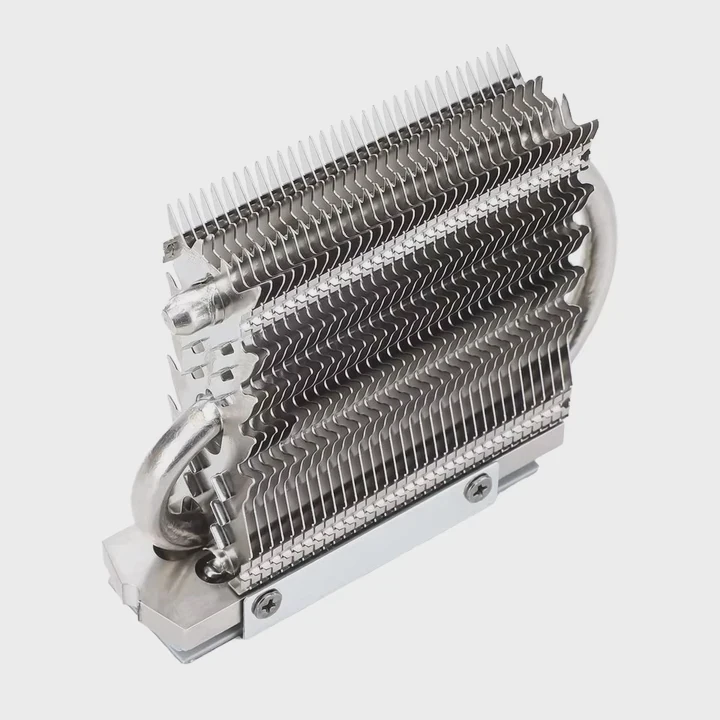
M.2 Heatpipe Heatsink With Dual Fans For Pc Case
19 Mar,2026
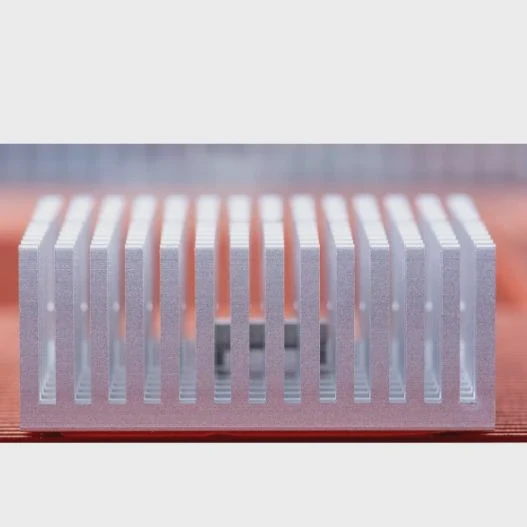
Heavy-Duty Aluminum Heat Sink Custom
19 Mar,2026
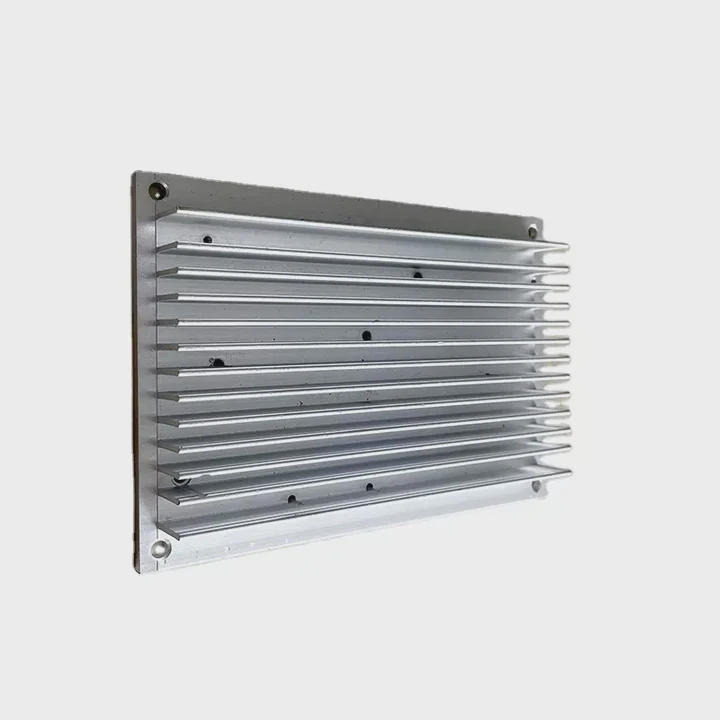
Oem Skived Fin Heatsink Aluminum Radiator For Plants
19 Mar,2026
Water Cooled Cnc Aluminum Heat Sink For Medical
19 Mar,2026
High Density 6000 Series Aluminum Heat Sink Profile
19 Mar,2026
High-Density Extruded Aluminum & Bonded-Fin Heat Sink Profile
19 Mar,2026
Recommend Categories
- Liquid cooling plate Manufacturer
- Industrial Heat Sink Manufacturer
- Standard Heat Sink Manufacturer
- Aluminum Heat Sink Manufacturer
- Copper Heat Sink Manufacturer
- Anodized Heatsink Manufacturer
- Stamping heat sink Manufacturer
- Die Casting Heatsink Manufacturer
- Soldering heat sink Manufacturer
- CNC Parts Manufacturer
Latest Products
- M.2 Heatpipe Heatsink With Dual Fans For Pc Case
- Heavy-Duty Aluminum Heat Sink Custom
- Oem Skived Fin Heatsink Aluminum Radiator For Plants
- Water Cooled Cnc Aluminum Heat Sink For Medical
- High Density 6000 Series Aluminum Heat Sink Profile
- High-Density Extruded Aluminum & Bonded-Fin Heat Sink Profile
- Dongguan Cnc Aluminum Heat Sink For Led & Brass Parts
- Wholesale Cnc Aluminum Heat Sink - Custom Extruded
- Led Cnc Round Heat Sink With Screw Holes
- Copper Pin-Fin Heat-Sink Large-Area For Photoled Cooling
- Telecom Heatsink Zipper Fin Wcopper Tubes Oem
Contact Expert
Have questions about this article? Reach out to our experts directly.