how to put a heatsink on motherboard 1366?
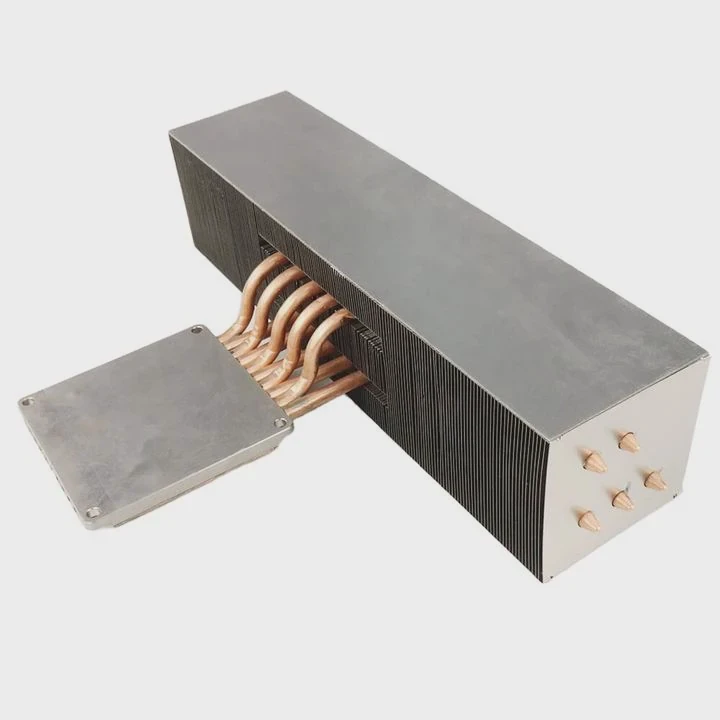
Mounting a heatsink on an LGA1366 board can confuse many people because small alignment mistakes often lead to poor cooling or damage to the board.
To install a heatsink on an LGA1366 motherboard, the socket holes must align, the correct bracket must match the platform, the tension must stay controlled, and the screws must tighten in a diagonal pattern for even pressure.
Many users skip these steps and face overheating or mechanical stress. I have watched this happen in projects, so I want to explain the process in a clear way that helps avoid trouble.
Why align socket holes first?
A small misalignment causes the base to sit uneven. This traps air pockets and weakens heat transfer. It can also twist the board when you try to force screws in place.
Socket hole alignment ensures the heatsink base sits flat, the thermal paste spreads evenly, and the mechanical load stays centered. Good alignment prevents uneven clamping and protects the CPU and board.
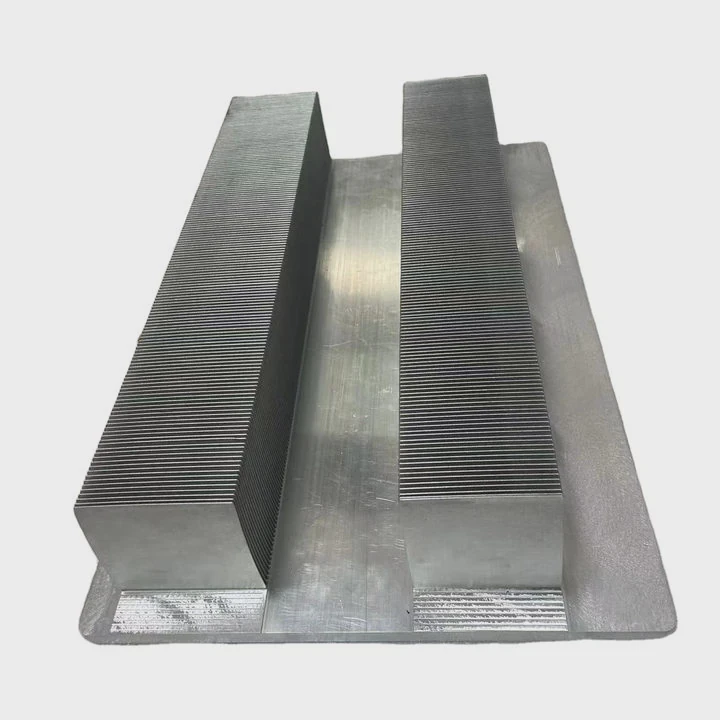
Why alignment is the first step
The socket area around LGA1366 uses a square hole layout. If the heatsink bracket does not line up, people often push harder. This increases pressure on the PCB. The CPU heat spreader must touch the base evenly. Any leaning creates a thick paste layer on one side and a thin layer on the other. This weakens the thermal path.
Common alignment features
| Component | What to Check |
|---|---|
| Mounting holes | Distance and pattern |
| Heatsink base | Flatness and rotation direction |
| Backplate | Correct LGA1366 pattern |
A deeper look at why alignment matters
The metal heat spreader on the CPU sits on top of the die. It needs direct, even contact. When the heatsink base does not align with the holes, one corner lifts or tilts. Even a small tilt reduces real contact area. Thermal paste cannot fix this. Paste only fills tiny gaps. It cannot correct a wrong angle.
When the holes align, the mechanical load spreads evenly across the entire socket zone. This protects the solder joints under the CPU. LGA sockets use thousands of tiny pins. They press upward into the CPU. A tilted load adds uneven stress on these pins. Over time, vibration and heat cycles make this worse.
The alignment process also helps you control the direction of airflow. On many boards, airflow must push toward the rear fan. When the holes align, the fins and fan face the correct direction. This small detail helps system cooling more than most people think. A stable alignment plan removes risk and leads to a clean installation.
Which brackets fit LGA1366?
Many heatsinks use different bracket kits. People often assume all brackets fit all sockets, but LGA1366 has its own hole spacing and support pattern.
Only brackets designed for LGA1366 fit the board correctly. They match the square hole spacing and support the load pattern needed for the CPU socket. Using a wrong bracket can cause tilt, weak contact, or damage.
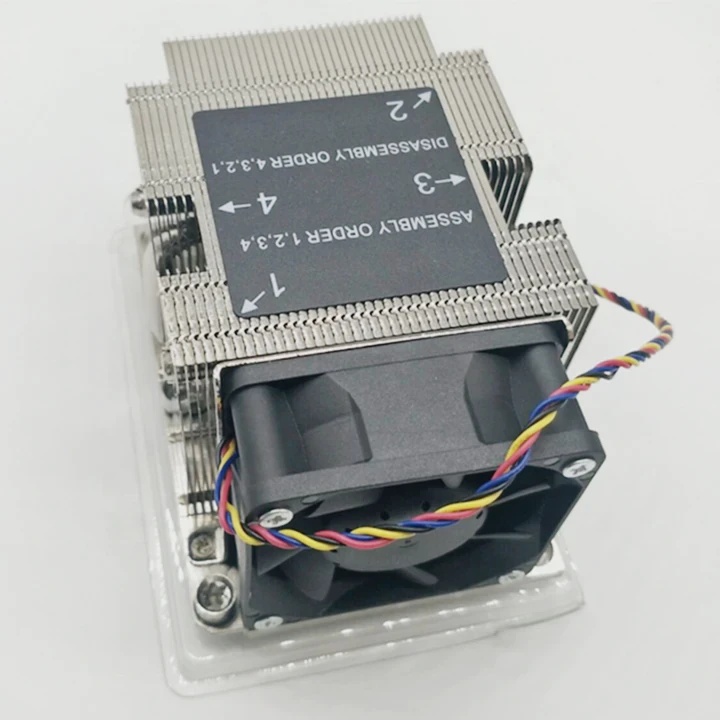
Why the correct bracket matters
Brackets are not only for holding the heatsink. They also control pressure. LGA1366 needs stable, centered force. If the bracket holes do not match exactly, the heatsink slides or shifts after installation. This leads to uneven contact and unstable temperatures.
Common bracket patterns
| Bracket Type | Compatibility |
|---|---|
| LGA1366 kit | Fully supported |
| LGA115x kit | Not compatible |
| Universal metal kit | Works only if it includes 1366 spacing |
A deeper look at bracket design
LGA1366 uses a 80×80 mm hole layout. Many newer Intel platforms use different spacing. A bracket built for another socket may line up on one side but not both. Some users try to “stretch” the bracket. This is the worst idea. It bends the plate. A bent plate changes the angle of the heatsink base.
Brackets for LGA1366 also control the height of the mounting screws. Different sockets require different standoff heights. If the standoff is too tall, the base floats above the CPU. If it is too short, the pressure becomes excessive. Both situations create severe thermal issues.
Details inside the bracket system
A good bracket grips both the heatsink and the backplate. It creates one solid structure. This helps the board handle the weight of large tower coolers. Tower coolers use long fins and heavy copper bases. They tilt easily if the bracket is not strong. A correct LGA1366 kit prevents tilt.
Some heatsink brands include multiple kits. Users must pick the right one by checking the hole spacing chart. Many failures come from using a bracket that “almost fits.” In thermal work, “almost” is not safe. Only the exact bracket will protect the CPU, the socket, and the board.
Can tension damage the board?
Excess tension bends the motherboard. This stresses the internal copper layers and the socket pins. Some people think “tighter is better,” but this idea causes failures.
Yes, too much tension can bend the PCB, stress LGA pins, warp the socket, and reduce heatsink contact quality. A controlled pressure level ensures safe mounting and stable thermal performance.
Why tension needs control
The board is a layered structure. When pressure increases too much, layers shift. This harms solder joints and tiny traces. LGA sockets rely on even pressure to keep each pin touching the CPU pad. A bent board lifts some areas and pushes down others.
A deeper view of tension risks
Many heatsinks include springs. These springs help control pressure. When someone ignores the springs and forces the screws, the springs compress too much. This removes the safety margin. The socket then receives direct load. The pressure can reach a point where the board curves.
A curved board causes several problems. The heatsink base loses its flat contact. The thermal paste shifts to the edges. The center dries out. A dry center forms a hotspot. Over time, the CPU temperature rises higher. Some boards develop micro-cracks near the socket. These cracks cause random shutdowns or system freezes.
Mechanical stress over time
Thermal cycles also affect tension. When the system heats, metal parts expand. When cool, they shrink. If the tension is too high, the parts grind against each other. Springs lose strength. Screws loosen. The load becomes uneven. These slow changes often appear months after installation. Many people blame the CPU or paste, but the real problem begins with over-tightening.
Simple tension risk table
| Pressure Level | Result | Long-Term Effect |
|---|---|---|
| Low pressure | Poor contact | High temperatures |
| Correct pressure | Stable contact | Good lifespan |
| Excessive pressure | Board bending | Socket damage |
Tension control depends on slow, careful tightening. Manufacturers include torque guidelines for a reason. Following them keeps the board safe.
Should screws tighten diagonally?
Some users tighten screws in a circle. This creates uneven load on one side and compresses the paste incorrectly.
Yes, tightening screws diagonally spreads pressure evenly and keeps the heatsink base flat. This protects the socket, improves thermal paste distribution, and prevents tilt.
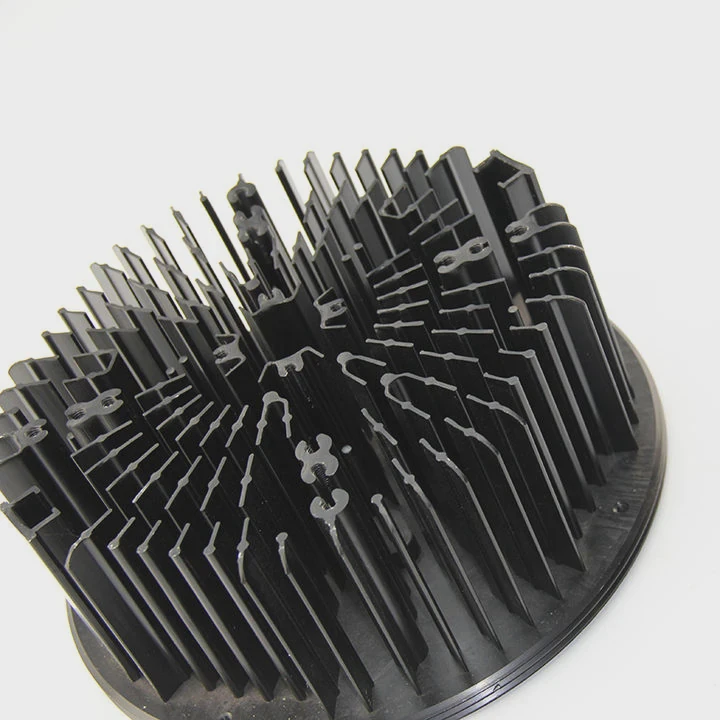
Why diagonal tightening works
The diagonal pattern adds pressure evenly across the corners. It keeps the base level as you go. When screws tighten in a straight loop, one side goes down too fast. The base tips. The paste slides. The contact becomes uneven.
A deeper look at the tightening pattern
The diagonal method reduces mechanical stress. Each screw gets a small turn. Then the opposite screw gets a small turn. This slow rhythm lets the paste compress evenly. Paste spreads best under steady, balanced pressure. When pressure stays balanced, air pockets escape. A good interface forms.
If you tighten one corner first, the opposite corner lifts. This makes the base sit on a slope. When you later tighten the other side, the slope forces the paste outward. A thin spot forms near the center. This thin spot increases thermal resistance.
Effects on long-term performance
When the installation uses even pressure, the joint becomes stable. Heat cycles do not shift the paste as much. Springs hold the load in the center. Vibrations do not weaken the interface. The flat contact remains flat.
If screws tighten in the wrong order, the base is never fully level. The paste starts uneven, and heat cycles make the uneven areas worse. Hotspots appear. Some users see temperature spikes under load. Many think the paste is low quality, but the real root cause is uneven mounting.
Short diagonal-tightening guidance table
| Step | Action |
|---|---|
| 1 | Lightly seat all screws |
| 2 | Tighten screw A |
| 3 | Move diagonally to screw C |
| 4 | Tighten screw B |
| 5 | Move diagonally to screw D |
| 6 | Add small equal turns until secure |
This simple pattern protects the board, the CPU, and the heatsink base.
Conclusion
Installing a heatsink on an LGA1366 board becomes easy when the holes align, the correct bracket fits, the tension stays safe, and the screws tighten diagonally. These steps create even pressure, stable contact, and long-lasting cooling performance.
TAGS
Latest Articles

Volume discount levels for heat sink orders?
Buyers often ask when heat sink prices start to drop with volume. Many worry they’re overpaying for small orders. This guide explains how B2B volume pricing works for thermal components. Heat sink
21 Dec,2025
Heat sink long-term supply contract options?
Many buyers want stable pricing and reliable delivery for heat sinks. But without a clear contract, risks grow over time. This article explores how to secure better long-term supply deals. Long-term
21 Dec,2025
Tooling cost for new heat sink profiles?
Many engineers struggle to understand why tooling for custom heat sinks costs so much. They worry about budgeting and production timelines. This article breaks down the cost drivers behind tooling.
21 Dec,2025
Heat sink custom sample process steps?
Sometimes, starting a custom heat sink project feels overwhelming—too many steps, too many unknowns, and too many risks. You want a sample, but not endless delays. The process for requesting and
20 Dec,2025
Standard B2B terms for heat sink payments?
When buyers and sellers in B2B heat sink markets talk about payment, many don’t fully understand what’s standard. This can lead to delayed orders, miscommunication, and even lost business
20 Dec,2025
Heat sink pricing factors for large orders?
Heat sinks are vital for many systems. When prices rise, projects stall and budgets break. This problem can hit teams hard without warning. Large order heat sink pricing depends on many factors. You
20 Dec,2025Related Articles
- what is the difference between dialectric grease and heatsink compound?
- how to remove a heatsink from a cpu?
- how to clean cpu heatsink and fan?
- what has a heatsink in them?
- how do you clean a heatsink?
- do nvmes need heatsinks?
- can you put ssd with heatsink in laptop?
- do you put thermal paste on the cpu and heatsink?
- how to choose a heatsink for cpu?
- is it better to get ssd with heatsink?
- how to clip fan to heatsink?
- how to pain heatsinks?
Author
Dr. Emily Chen
Chief AI Researcher
Leading expert in thermal dynamics and AI optimization with over 15 years of experience in data center efficiency research.
Categories
Latest Products
M.2 Heatpipe Heatsink With Dual Fans For Pc Case
19 Mar,2026
Heavy-Duty Aluminum Heat Sink Custom
19 Mar,2026
Oem Skived Fin Heatsink Aluminum Radiator For Plants
19 Mar,2026
Water Cooled Cnc Aluminum Heat Sink For Medical
19 Mar,2026
High Density 6000 Series Aluminum Heat Sink Profile
19 Mar,2026
High-Density Extruded Aluminum & Bonded-Fin Heat Sink Profile
19 Mar,2026
Recommend Categories
- Liquid cooling plate Manufacturer
- Industrial Heat Sink Manufacturer
- Standard Heat Sink Manufacturer
- Aluminum Heat Sink Manufacturer
- Copper Heat Sink Manufacturer
- Anodized Heatsink Manufacturer
- Stamping heat sink Manufacturer
- Die Casting Heatsink Manufacturer
- Soldering heat sink Manufacturer
- CNC Parts Manufacturer
Latest Products
- M.2 Heatpipe Heatsink With Dual Fans For Pc Case
- Heavy-Duty Aluminum Heat Sink Custom
- Oem Skived Fin Heatsink Aluminum Radiator For Plants
- Water Cooled Cnc Aluminum Heat Sink For Medical
- High Density 6000 Series Aluminum Heat Sink Profile
- High-Density Extruded Aluminum & Bonded-Fin Heat Sink Profile
- Dongguan Cnc Aluminum Heat Sink For Led & Brass Parts
- Wholesale Cnc Aluminum Heat Sink - Custom Extruded
- Led Cnc Round Heat Sink With Screw Holes
- Copper Pin-Fin Heat-Sink Large-Area For Photoled Cooling
- Telecom Heatsink Zipper Fin Wcopper Tubes Oem
Contact Expert
Have questions about this article? Reach out to our experts directly.