what is the difference between dialectric grease and heatsink compound?
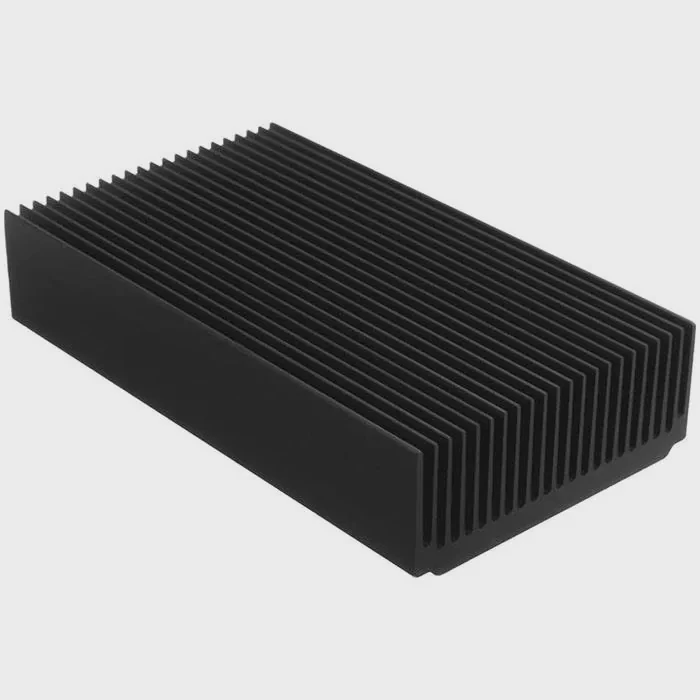
A small question about grease types can confuse many engineers and buyers. This often leads to wrong choices and unstable product quality.
Dielectric grease blocks electrical flow, while heatsink compound moves heat away from parts. One resists electricity, and the other improves thermal contact between two surfaces. They serve different roles and cannot replace each other.
Both materials look similar. This makes people treat them as the same. I have seen systems fail simply because someone used the wrong compound. So I want to explain each idea in a clear way.
Why grease insulates electrically?
A tiny spark or small leak can damage a system. This risk makes many designers add extra layers to protect electrical parts.
Dielectric grease insulates because its base oil and fillers cannot carry charges. It blocks current paths, protects contacts from moisture, and keeps signals clean under pressure and vibration.

Why insulation matters
Many people think grease only helps mechanical movement. But things change when we look at sensitive electrical joints. These joints face moisture, dust, and vibration. These issues slowly increase resistance. When resistance increases, heat rises. Heat then damages the joint.
Core insulating features
| Property | Dielectric Grease |
|---|---|
| Electrical Conductivity | Very low |
| Purpose | Protects connectors and contacts |
| Works Best In | Battery terminals, plugs, outdoor connectors |
A deeper view of dielectric grease
Dielectric grease comes from silicone oils that stay stable even under high temperature. The material does not break into ions, so it does not give electricity a path to travel. This simple nature makes it very safe around plugs and terminals. In many outdoor systems, connectors fail because moisture enters the cavity. Water changes resistance and speeds up corrosion. Dielectric grease seals the gap and prevents this.
Temperature cycles also stress the joint. When metal expands and contracts, tiny gaps open. Dust and oxygen enter. The grease fills these gaps and keeps the surface clean. It reduces fretting wear as parts move slightly due to vibration. Many failures happen not because the design is wrong but because the interface ages. Dielectric grease slows this aging. But it does not help with heat transfer. In fact, it blocks heat. This is why it must never be used between a chip and a heatsink. Its job is electrical protection, not thermal management.
Which applications need thermal pastes?
Heat builds up in every active device. If the heat does not escape, the device fails. This simple rule explains why thermal pastes are widely used.
Thermal pastes are needed wherever heat must move quickly from a hot device into a cooler body, such as chips, LEDs, and power modules. They remove tiny air gaps so heat can flow smoothly.
Why heat transfer must be improved
Two metal surfaces look smooth. But under a microscope, they have peaks and valleys. These gaps trap air. Air blocks heat. Thermal paste fills these gaps so the heat can move across the surfaces with less resistance.
Where thermal pastes are used
| Component | Why Thermal Paste Is Needed |
|---|---|
| CPUs / GPUs | Keep junction temperature low |
| Power Modules | Maintain stable output |
| LED Boards | Keep brightness and lifespan |
A deeper look at thermal pastes
Thermal paste, often called heatsink compound, uses a carrier fluid mixed with conductive fillers. These fillers raise the thermal conductivity. When spread on a surface, the paste moves into every small gap. Without it, heat stays inside the device. This strain slowly damages the silicon. Bond wires weaken. Junctions degrade. Performance drops.
Power electronics face even more heat stress. Large currents produce large heat loads. Without a good thermal path, the module runs hot. Some modules shut down for protection. Others keep running and suffer hidden damage. LED modules also depend on low junction temperature. A hot LED grows dim or changes color. A good paste protects the LED by guiding heat into the baseplate.
Surface quality also matters. Even polished metal is not flat at the microscopic level. The paste increases real contact area. It does not cool the device by itself. It only removes barriers to heat flow. Many engineers forget this point. But this simple detail can extend the lifetime of the entire system.
Can wrong materials cause overheating?
A wrong compound looks harmless at first. But small mistakes turn into large failures over time.
Yes, wrong materials can trap heat, damage joints, create hotspots, and shorten lifespan. Misused dielectric grease or poor-grade thermal paste often leads to overheating and early failure.
Why wrong choices cause problems
Dielectric grease blocks heat. Thermal paste sometimes carries electricity if it contains metal fillers. Using one in place of the other creates new problems. Heat increases. Electrical shorts appear. Noise enters signals. Some systems even burn.
A deeper explanation of failure modes
When someone applies dielectric grease between a chip and heatsink, the result is serious. The grease acts as a thermal insulator. Heat becomes trapped. The chip temperature rises fast. Many processors lower power to protect themselves. Some devices do not have protection and fail quickly.
Another risk comes from cheap thermal pastes. Some pastes dry out after only a few months of use. When they dry, cracks appear. Cracks bring air pockets. Air blocks heat. The device then faces sharp temperature increases.
Metal-filled thermal pastes also bring risk near live contacts. Their high thermal conductivity sometimes comes with electrical conductivity. If the paste touches a pad or pin, a short can form. This can shut down the system or damage sensitive parts.
Stability risks over time
Many issues do not appear when new. They appear after months of cycling. Heat and cold push the compound around. Thin pastes may pump out from the center. Thick pastes may not settle well. When pump-out happens, the center becomes dry. A dry joint blocks heat. Hotspots grow. Failures follow.
Some greases also attack certain plastics. Connectors soften. Structure becomes weak. Dust enters the cavity. Resistance rises. More heat builds. All of this begins from wrong material choice.
Failure risk table
| Wrong Material | Result | Long-Term Effect |
|---|---|---|
| Dielectric grease on heatsink | Heat trapped | Chip failure |
| Conductive paste near pins | Electrical short | Shutdown |
| Low-quality paste | Cracks and dry spots | Hotspots |
Do viscosities affect performance?
Many users look only at conductivity values. But viscosity shapes real performance more than numbers on a sheet.
Yes, viscosity affects spreading, stability, pump-out resistance, and overall heat movement. Thin pastes spread well but may pump out. Thick pastes stay in place but may not fill tiny gaps.
Why viscosity matters
Viscosity describes how thick or thin a paste feels. This simple property shapes how the paste moves during assembly and how it behaves under stress. It must be thick enough to stay still. It must be soft enough to fill tiny gaps.
A deeper look at viscosity behavior
Thin pastes spread very easily. They fill every small space right away. But thin pastes often pump out when the temperature changes. Once the compound moves away from the center, the interface becomes dry. Heat flow becomes uneven. The device temperature rises.
Thick pastes stay in place better. But thick pastes do not spread well. They often trap small pockets of air. These pockets resist heat flow. Assembly also becomes harder because workers must apply more force. If the paste is too thick, the film becomes uneven. Uneven films reduce thermal performance.
Medium-viscosity pastes give the best balance. They fill gaps without heavy pressure. They resist pump-out. But real performance depends on temperature, surface quality, pressure, and cycling conditions.
Pressure stability and movement
Many devices face changing pressure. Screws loosen and tighten during cycles. Some heatsinks press harder when warm. The paste must stay stable. A good viscosity helps the paste adapt without leaving the center. It moves just enough to fill spaces but not enough to escape the joint. This stable behavior protects the device from hotspots.
Viscosity comparison table
| Viscosity Level | Strength | Weakness |
|---|---|---|
| Low viscosity | Easy to spread | Pump-out risk |
| Medium viscosity | Balanced and stable | Needs controlled spreading |
| High viscosity | Stays in place | Hard to fill small gaps |
A stable viscosity keeps the joint healthy through long cycles. A poor viscosity choice leads to uneven heat paths, early cracks, and constant overheating warnings. Many hidden thermal issues come from this simple oversight.
Conclusion
Dielectric grease and heatsink compound look similar but work very differently. One blocks electricity, and the other moves heat. Understanding their roles, risks, and viscosity behavior helps prevent overheating and improves long-term system stability.
TAGS
Latest Articles

Volume discount levels for heat sink orders?
Buyers often ask when heat sink prices start to drop with volume. Many worry they’re overpaying for small orders. This guide explains how B2B volume pricing works for thermal components. Heat sink
21 Dec,2025
Heat sink long-term supply contract options?
Many buyers want stable pricing and reliable delivery for heat sinks. But without a clear contract, risks grow over time. This article explores how to secure better long-term supply deals. Long-term
21 Dec,2025
Tooling cost for new heat sink profiles?
Many engineers struggle to understand why tooling for custom heat sinks costs so much. They worry about budgeting and production timelines. This article breaks down the cost drivers behind tooling.
21 Dec,2025
Heat sink custom sample process steps?
Sometimes, starting a custom heat sink project feels overwhelming—too many steps, too many unknowns, and too many risks. You want a sample, but not endless delays. The process for requesting and
20 Dec,2025
Standard B2B terms for heat sink payments?
When buyers and sellers in B2B heat sink markets talk about payment, many don’t fully understand what’s standard. This can lead to delayed orders, miscommunication, and even lost business
20 Dec,2025
Heat sink pricing factors for large orders?
Heat sinks are vital for many systems. When prices rise, projects stall and budgets break. This problem can hit teams hard without warning. Large order heat sink pricing depends on many factors. You
20 Dec,2025Related Articles
- how to remove a heatsink from a cpu?
- how to clean cpu heatsink and fan?
- what has a heatsink in them?
- how do you clean a heatsink?
- do nvmes need heatsinks?
- do you need heatsink for liquid cooled cpu?
- how to put a heatsink on motherboard 1366?
- can you put ssd with heatsink in laptop?
- do you put thermal paste on the cpu and heatsink?
- how to choose a heatsink for cpu?
- is it better to get ssd with heatsink?
- how to clip fan to heatsink?
Author
Dr. Emily Chen
Chief AI Researcher
Leading expert in thermal dynamics and AI optimization with over 15 years of experience in data center efficiency research.
Categories
Latest Products
M.2 Heatpipe Heatsink With Dual Fans For Pc Case
19 Mar,2026
Heavy-Duty Aluminum Heat Sink Custom
19 Mar,2026
Oem Skived Fin Heatsink Aluminum Radiator For Plants
19 Mar,2026
Water Cooled Cnc Aluminum Heat Sink For Medical
19 Mar,2026
High Density 6000 Series Aluminum Heat Sink Profile
19 Mar,2026
High-Density Extruded Aluminum & Bonded-Fin Heat Sink Profile
19 Mar,2026
Recommend Categories
- Liquid cooling plate Manufacturer
- Industrial Heat Sink Manufacturer
- Standard Heat Sink Manufacturer
- Aluminum Heat Sink Manufacturer
- Copper Heat Sink Manufacturer
- Anodized Heatsink Manufacturer
- Stamping heat sink Manufacturer
- Die Casting Heatsink Manufacturer
- Soldering heat sink Manufacturer
- CNC Parts Manufacturer
Latest Products
- M.2 Heatpipe Heatsink With Dual Fans For Pc Case
- Heavy-Duty Aluminum Heat Sink Custom
- Oem Skived Fin Heatsink Aluminum Radiator For Plants
- Water Cooled Cnc Aluminum Heat Sink For Medical
- High Density 6000 Series Aluminum Heat Sink Profile
- High-Density Extruded Aluminum & Bonded-Fin Heat Sink Profile
- Dongguan Cnc Aluminum Heat Sink For Led & Brass Parts
- Wholesale Cnc Aluminum Heat Sink - Custom Extruded
- Led Cnc Round Heat Sink With Screw Holes
- Copper Pin-Fin Heat-Sink Large-Area For Photoled Cooling
- Telecom Heatsink Zipper Fin Wcopper Tubes Oem
Contact Expert
Have questions about this article? Reach out to our experts directly.