Does liquid cooling use water?
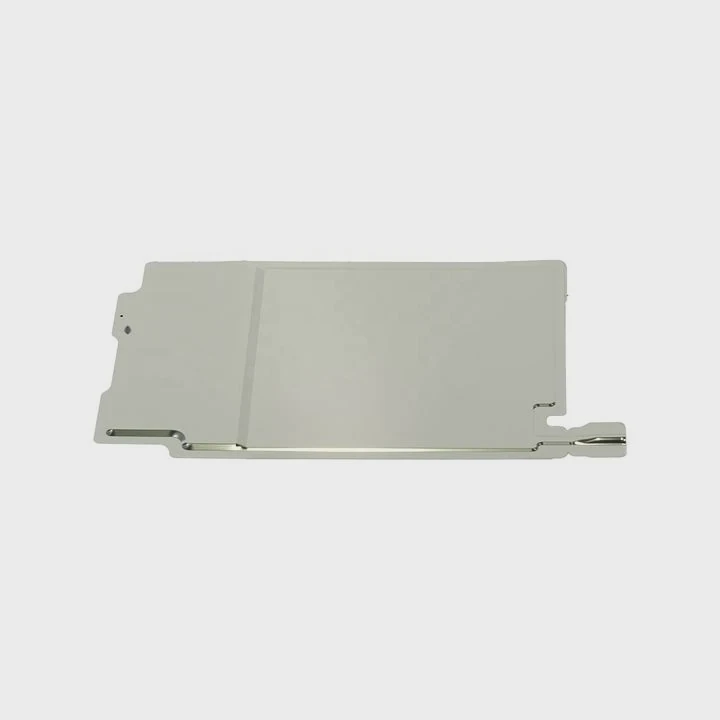
Many people think liquid cooling always uses pure water, but that’s not completely true. The truth is that most liquid cooling systems use water as the base, but it’s often mixed with additives or special coolants.
Yes, liquid cooling usually uses water, but it’s often treated or mixed with chemicals to prevent corrosion, freezing, or bacterial growth.
Liquid cooling relies on the high thermal capacity of water to move heat away from heat sources like processors, batteries, or power modules. Water acts as the bridge between the hot surface and the cooling hardware.
What role does water play in cooling?
Many industrial and electronic systems depend on water to move heat efficiently. When heat builds up, water absorbs it and carries it away faster than air could ever do.
Water plays the role of a thermal carrier. It absorbs heat from hot components and releases it through radiators or cooling plates.
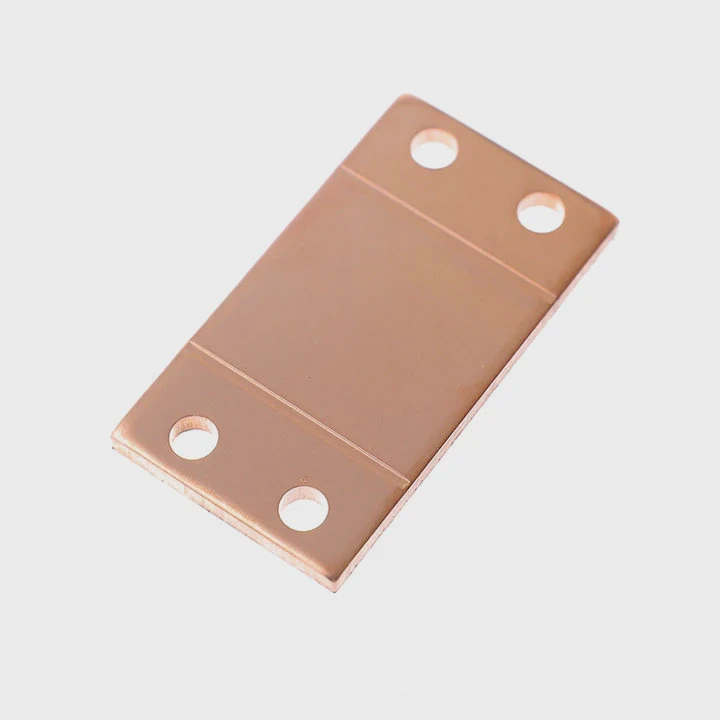
Water’s main advantage lies in its specific heat capacity, meaning it can store more energy before its temperature rises. This property allows systems to run cooler and more stable, especially in high-performance environments like data centers or electric vehicles.
Why water is efficient
Water has one of the highest thermal conductivities among affordable liquids. In simple terms, it can carry heat better and faster. Here’s a quick comparison:
| Cooling Medium | Thermal Conductivity (W/m·K) | Relative Efficiency |
|---|---|---|
| Air | 0.026 | Low |
| Water | 0.6 | High |
| Oil | 0.13 | Medium |
| Ethylene Glycol | 0.25 | Medium-High |
Water is also non-toxic, easy to obtain, and inexpensive. However, it must be managed carefully because it can corrode metals or support algae growth if untreated.
The process in simple steps
- Heat absorption – water contacts the hot surface and picks up heat.
- Heat transfer – the pump moves warm water to a heat exchanger.
- Heat release – radiators or liquid plates release heat into the air.
- Cooling cycle restart – cooled water returns to repeat the cycle.
This process runs continuously, allowing stable temperatures in compact, high-power systems.
What are the benefits of water-based cooling?
When I first used water-based cooling in a thermal module project, I was amazed by how much quieter and more efficient the system became.
Water-based cooling offers higher efficiency, lower noise, and better temperature control than air cooling.
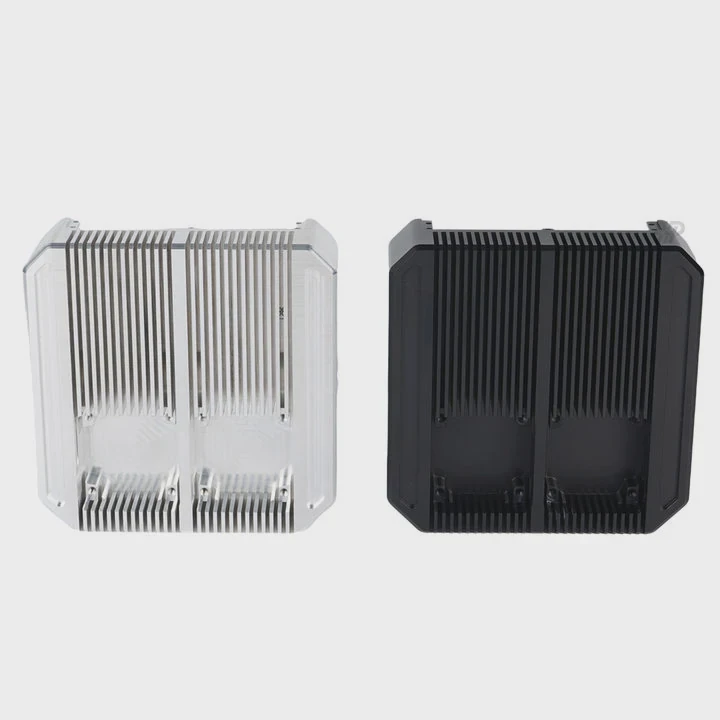
Main benefits
| Benefit | Description |
|---|---|
| High efficiency | Water removes heat more effectively than air. |
| Compact size | Less need for large fans or bulky radiators. |
| Stable temperature | Maintains consistent operation over long periods. |
| Low noise | Fewer fans mean quieter systems. |
| Extended lifespan | Reduced thermal stress increases component life. |
Real-world impact
In EV batteries, for example, water-based cooling ensures temperature balance across cells. This improves energy density, safety, and battery life. In industrial machines, it prevents overheating that can cause downtime. For data centers, it cuts power usage dramatically, reducing operational costs.
My own experience
During one test, switching from air to liquid cooling reduced the system temperature by 25%. This allowed the device to run at full capacity for hours without throttling. It also meant smaller heat sinks and lighter overall structure — an advantage in weight-sensitive designs.
How to maintain water-cooled systems safely?
Maintenance is often ignored until problems appear. I’ve seen systems fail because of small leaks or microbial buildup, both of which could have been avoided with regular care.
To maintain water-cooled systems safely, check for leaks, replace coolant periodically, and use corrosion inhibitors or biocides.
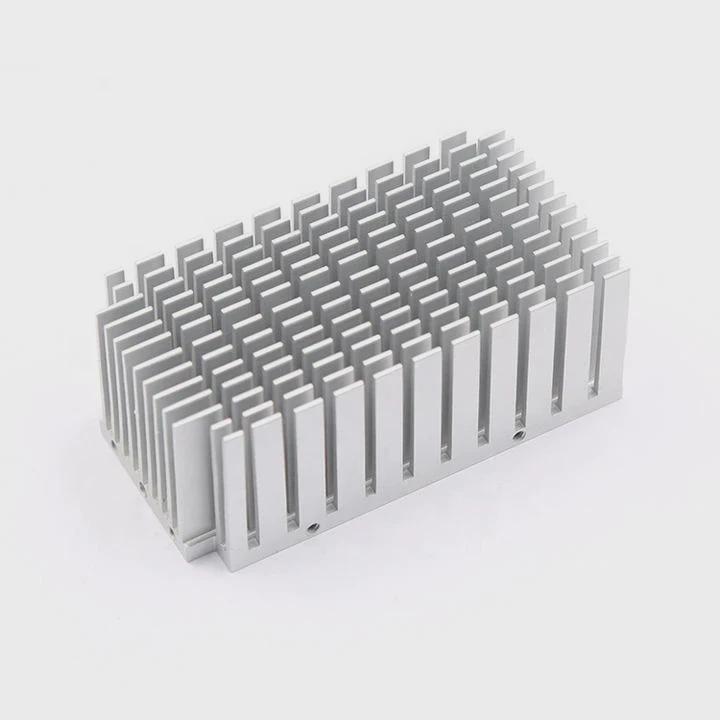
Basic maintenance checklist
| Task | Frequency | Purpose |
|---|---|---|
| Inspect tubing and joints | Monthly | Detect leaks or cracks early |
| Replace coolant | Every 6–12 months | Prevent buildup or corrosion |
| Clean radiators | Quarterly | Maintain airflow and efficiency |
| Test pump function | Regularly | Ensure stable circulation |
| Add biocide | As needed | Prevent microbial growth |
Key safety notes
- Avoid pure tap water — it contains minerals that can corrode parts.
- Use deionized or distilled water mixed with glycol or inhibitors.
- Seal connections properly to avoid leaks that might damage electronics.
- Monitor flow rate and temperature to spot issues early.
Lessons from the field
I once worked on a prototype where algae started forming inside the cooling tubes. The flow rate dropped, and the temperature rose fast. After that, we added a small UV sterilizer to the loop — a simple fix that prevented future issues.
Proper maintenance not only ensures safety but also extends system life by years.
What are the alternatives to water in cooling tech?
Although water is powerful, it’s not perfect. It freezes at 0°C, boils at 100°C, and can corrode metals. That’s why engineers explore other fluids.
Alternatives include glycol mixtures, dielectric fluids, oils, and phase-change materials for specialized cooling needs.
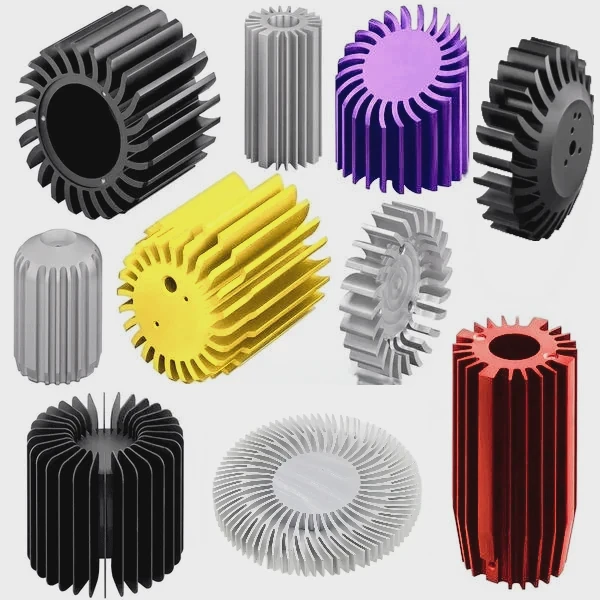
Common alternatives
| Coolant Type | Key Properties | Ideal Applications |
|---|---|---|
| Water-Glycol Mix | Anti-freeze, corrosion protection | Automotive, EV batteries |
| Dielectric Fluids | Non-conductive, safe near electronics | Immersion cooling, servers |
| Silicone Oils | Stable, high boiling point | Industrial electronics |
| Fluorocarbon Liquids | Chemically inert, low maintenance | Aerospace, defense |
| Phase-Change Fluids | High efficiency, compact systems | Spacecraft, CPUs |
Why alternatives matter
Each alternative solves specific problems. For instance, dielectric fluids can be used to fully immerse electronics without short circuits. Glycol mixes are common in cold climates where freezing must be avoided. Phase-change materials (PCM) can absorb heat during melting and release it when cooling down, maintaining near-constant temperature.
Choosing the right coolant
The decision depends on system design, environment, and performance needs:
- For safety-critical systems, dielectric fluids are ideal.
- For general electronics, water-glycol mixes offer balance.
- For extreme performance, PCMs or fluorocarbon liquids excel.
Every choice involves trade-offs between cost, complexity, and cooling power. But regardless of the fluid, the goal remains the same — efficient, stable, and reliable heat management.
Conclusion
Liquid cooling often uses water because it’s efficient, safe, and cost-effective. Still, water must be treated and maintained carefully. With proper management, or with the right alternatives, it remains one of the best ways to control heat in modern technology.
TAGS
Latest Articles

Volume discount levels for heat sink orders?
Buyers often ask when heat sink prices start to drop with volume. Many worry they’re overpaying for small orders. This guide explains how B2B volume pricing works for thermal components. Heat sink
21 Dec,2025
Heat sink long-term supply contract options?
Many buyers want stable pricing and reliable delivery for heat sinks. But without a clear contract, risks grow over time. This article explores how to secure better long-term supply deals. Long-term
21 Dec,2025
Tooling cost for new heat sink profiles?
Many engineers struggle to understand why tooling for custom heat sinks costs so much. They worry about budgeting and production timelines. This article breaks down the cost drivers behind tooling.
21 Dec,2025
Heat sink custom sample process steps?
Sometimes, starting a custom heat sink project feels overwhelming—too many steps, too many unknowns, and too many risks. You want a sample, but not endless delays. The process for requesting and
20 Dec,2025
Standard B2B terms for heat sink payments?
When buyers and sellers in B2B heat sink markets talk about payment, many don’t fully understand what’s standard. This can lead to delayed orders, miscommunication, and even lost business
20 Dec,2025
Heat sink pricing factors for large orders?
Heat sinks are vital for many systems. When prices rise, projects stall and budgets break. This problem can hit teams hard without warning. Large order heat sink pricing depends on many factors. You
20 Dec,2025Related Articles
- Is liquid cooling expensive?
- Is liquid cooling better than fans?
- Is liquid cooler better?
- How long does a liquid CPU cooler last?
- How to cool a liquid quickly?
- Is liquid cooling easy to install?
- How to know if your liquid cooling is working?
- How is coolant circulated in a liquid-cooled eTorque system?
- Is BMW i3 battery liquid cooled?
- How to install Corsair liquid CPU cooler?
- What is a liquid-cooled generator?
- How to know if your liquid cooler is working?
Author
Dr. Emily Chen
Chief AI Researcher
Leading expert in thermal dynamics and AI optimization with over 15 years of experience in data center efficiency research.
Categories
Latest Products
Recommend Categories
- Liquid cooling plate Manufacturer
- Industrial Heat Sink Manufacturer
- Standard Heat Sink Manufacturer
- Aluminum Heat Sink Manufacturer
- Copper Heat Sink Manufacturer
- Anodized Heatsink Manufacturer
- Stamping heat sink Manufacturer
- Die Casting Heatsink Manufacturer
- Soldering heat sink Manufacturer
- CNC Parts Manufacturer
Latest Products
- Wholesale Aluminum Radiator
- Water Cooling Plate Kit
- Water Cooling Heat Sink
- Water Cooling Heat Sink Kit
- Stainless Steel Water Distributor
- Server Water Cooling Plate Kit
- Server Liquid Cooling System
- Server Aluminum Cooling Kit
- S19 Full Cover Cooling Plate
- S19 Cooling Plate Kit
- S19 Aluminum Cooling Plate
Contact Expert
Have questions about this article? Reach out to our experts directly.