What is Liquid Cooling System in Mobile Devices?
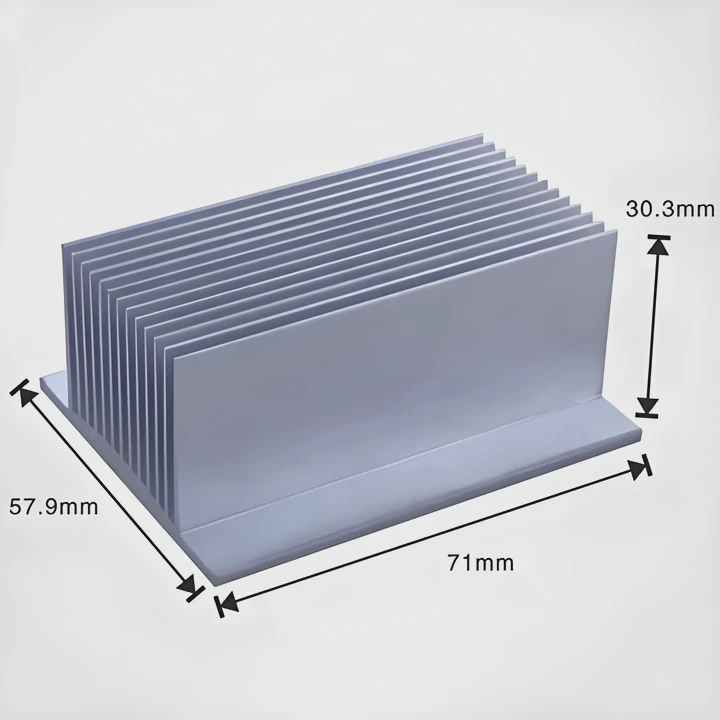
The mobile phone’s performance can often be hindered by heat. So, how do some smartphones manage to stay cool and run faster? Liquid cooling could be the answer.
Liquid cooling in mobile devices is a modern solution to heat management, involving the use of liquids to absorb and dissipate heat from key components. It enables smartphones to perform better by preventing overheating and reducing thermal throttling.
As mobile devices get more powerful, the demand for advanced cooling systems has increased. Liquid cooling has become a game-changer, providing efficient heat management and ensuring smooth performance even during intensive tasks.
How Does Smartphone Liquid Cooling Work?
Are you curious about how a smartphone keeps cool during an intense gaming session or video rendering? Liquid cooling works as a sophisticated yet highly efficient thermal management system.
Smartphones use closed-loop liquid cooling systems where heat is absorbed by liquid inside pipes or chambers, then transferred away from the components to be dissipated. This process helps maintain performance and avoid overheating.
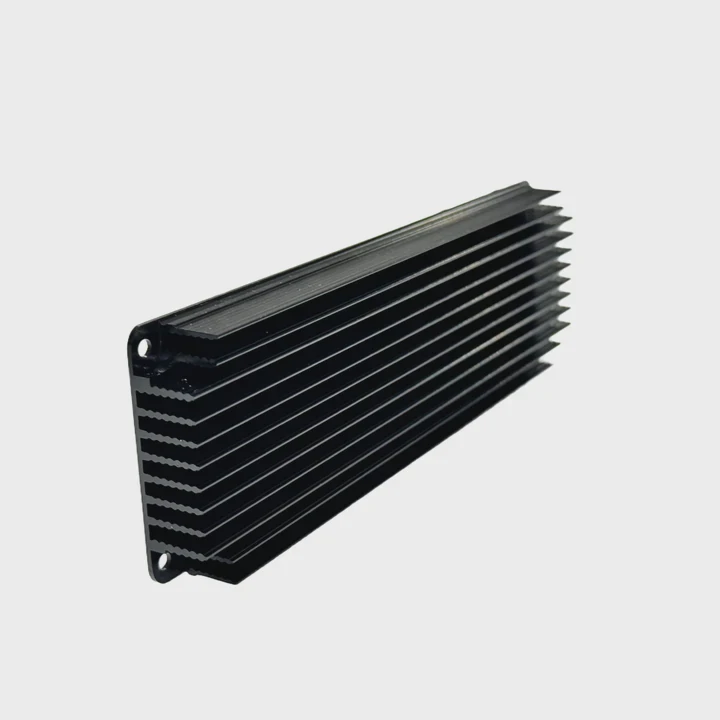
Smartphone liquid cooling involves intricate systems to regulate temperature, which is crucial for high-performance devices. Let’s break down the process and components involved.
Heat Source: The processor is the primary source of heat in smartphones, especially when running demanding apps like games or video editing software. These tasks generate significant heat, which needs to be dissipated to avoid overheating and thermal throttling.
Heat Pipes and Vapor Chambers: Inside the phone, you’ll often find heat pipes or vapor chambers. These thin metal tubes or chambers are filled with a coolant that absorbs heat and spreads it across the device. Once the heat reaches these chambers, it transforms into vapor. This vapor then moves toward cooler areas of the device where it condenses back into liquid, transferring heat along the way. This process, known as the vapor cycle, is highly effective in maintaining even temperatures.
Coolant: The coolant used in these systems is typically a specially designed liquid or gas that can absorb heat efficiently. The coolant circulates inside the heat pipes or vapor chambers, picking up heat and moving it to the outer parts of the phone.
Heat Dissipation: The final step involves transferring the heat to the external parts of the device, such as the back panel, where it is dissipated into the air. This is where the liquid cooling system helps to keep the internal components cool, preventing the phone from becoming uncomfortably warm or overheating.
Thermal Paste and Pads: In addition to liquid cooling, smartphones may also use thermal paste or graphite pads to further aid in heat transfer. These materials help fill any air gaps between components and thermal dissipation areas, ensuring more effective heat flow.
By continuously managing heat, liquid cooling allows smartphones to handle heavy workloads without slowing down due to overheating.
What Benefits Does Liquid Cooling Provide for Smartphone Performance?
Wondering how liquid cooling affects your phone’s performance? The benefits go beyond just keeping the temperature in check.
Liquid cooling systems in smartphones prevent overheating, enhance the device’s performance, reduce thermal throttling, and extend the lifespan of critical components. This allows users to enjoy a more stable and powerful experience.
The performance benefits of liquid cooling are more than just about keeping the phone cool. Let’s break down why it’s become an essential feature in modern smartphones:
1. Prevents Overheating and Throttling
The primary benefit of liquid cooling is its ability to prevent the phone from overheating. Overheating can lead to thermal throttling, where the CPU and GPU slow down to reduce heat. This is especially problematic when you’re using your phone for demanding tasks like gaming, streaming, or running multiple apps simultaneously. Liquid cooling helps maintain optimal temperatures, ensuring your phone doesn’t slow down even during prolonged usage.
2. Sustains Performance Over Time
When a phone runs cooler, it can maintain high performance for longer. For instance, gaming phones often have more powerful processors, but they can easily get too hot without a proper cooling system. Liquid cooling enables these phones to sustain peak performance levels for longer periods, ensuring users have a smoother experience without sudden drops in frame rates or responsiveness.
3. Improves Battery Health
Excessive heat is one of the leading factors in degrading a smartphone’s battery life. A phone that runs hot frequently will experience a faster decline in battery capacity. Liquid cooling helps regulate the temperature, which not only prevents the phone from overheating but also helps maintain the battery’s health over time. This means fewer instances of battery degradation and longer overall battery life.
4. Increases Device Longevity
By preventing overheating, liquid cooling also contributes to the longevity of other internal components like the CPU, GPU, and memory. High temperatures can damage sensitive electronics over time, but with effective thermal management, the components are kept at a safe temperature, preventing premature failure and extending the overall lifespan of the device.
5. Enhances User Experience
The benefits of liquid cooling aren’t limited to performance alone. When your phone stays cooler, it’s more comfortable to hold and use. Long gaming sessions or media streaming won’t result in a hot, uncomfortable device. This makes for a better, uninterrupted user experience, especially when you’re using the phone for extended periods.
How to Maintain the Efficiency of Liquid Cooling in Smartphones?
You’ve invested in a smartphone with liquid cooling, but how can you make sure it stays efficient over time? Here are some tips to help.
Maintaining the efficiency of a liquid cooling system involves proper handling of the device, keeping it clean, and managing usage to prevent overheating. Regular software updates can also help optimize heat management.
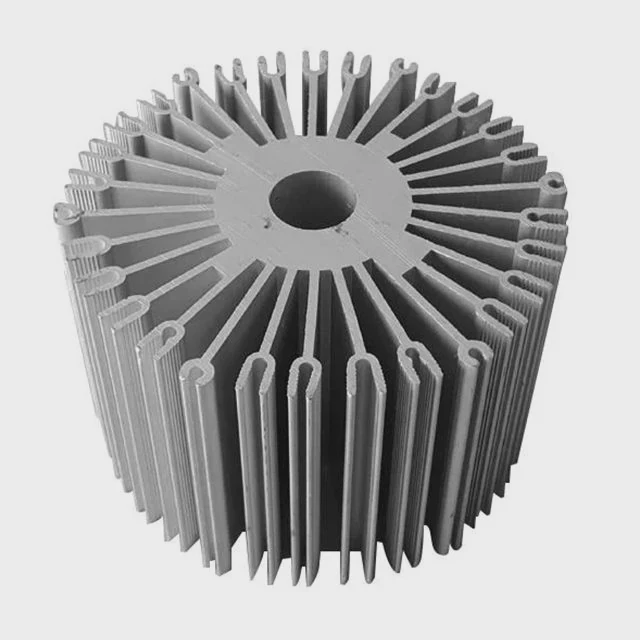
While liquid cooling systems are designed to be self-sufficient, there are still a few steps you can take to ensure they remain efficient over time.
1. Avoid Overheating
Excessive heat can compromise the efficiency of any cooling system, including liquid cooling. Avoid exposing your smartphone to extreme temperatures, such as leaving it in direct sunlight or using it in a hot environment for extended periods. If you notice your phone getting unusually hot, give it some time to cool down before continuing heavy tasks.
2. Clean Your Phone Regularly
Dirt and dust can block air vents or the phone’s cooling system, causing the device to heat up. Cleaning your phone regularly helps maintain airflow, ensuring the cooling system works optimally. Use a soft cloth or cleaning wipe to remove any dust or dirt that may have accumulated on the phone’s vents or external parts.
3. Use a Phone Case that Supports Cooling
Some phone cases can trap heat inside the phone, preventing the cooling system from doing its job. Look for cases that allow better airflow or ones designed with cooling in mind. Some manufacturers offer cases with built-in cooling features that help maintain temperature stability during gaming or other intensive tasks.
4. Update Software and Manage Apps
Software updates often include optimizations that help manage heat more effectively. Be sure to keep your smartphone’s software up to date. Additionally, managing background apps and disabling those that consume unnecessary resources can reduce heat generation.
5. Charge Responsibly
Charging your phone generates heat, and using your phone while it charges can make the device even hotter. To keep the phone cool, try to avoid using it for heavy tasks while charging. Also, using the phone’s official charger ensures proper voltage and current, which can minimize excess heat buildup during charging.
6. Check Battery Health
Battery health plays a crucial role in how hot a phone gets. If your phone’s battery is aging or malfunctioning, it may produce more heat than necessary. Many smartphones have built-in diagnostics to check the health of the battery, so it’s a good idea to check this regularly and replace the battery when needed.
What are the Latest Trends in Mobile Thermal Management?
Thermal management in mobile devices is evolving rapidly. But what are the latest trends that are shaping the future of cooling technologies in smartphones?
The latest trends in mobile thermal management include graphene-based cooling solutions, AI-driven thermal control, and multi-layer cooling designs that combine liquid cooling with other techniques for enhanced efficiency.
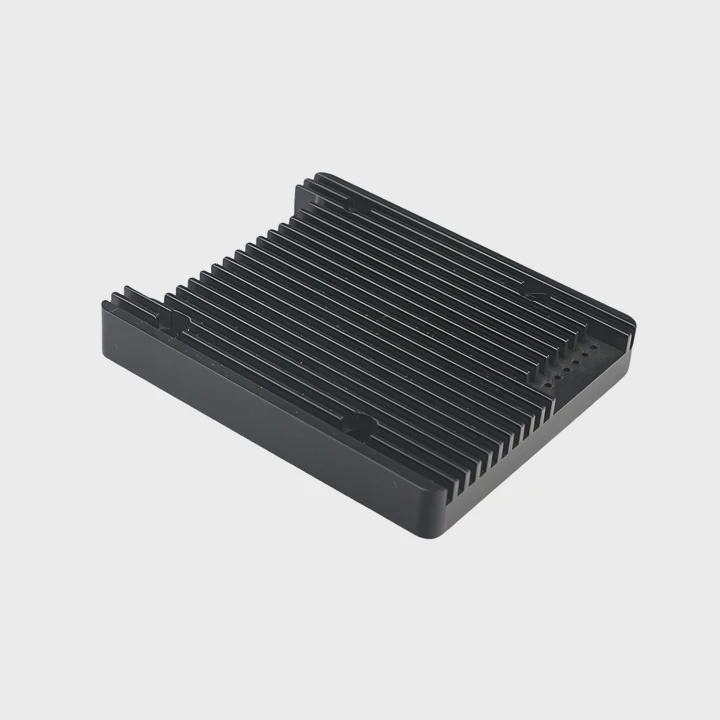
As smartphone technology evolves, so does the need for better cooling solutions. Several cutting-edge trends are currently shaping the mobile thermal management landscape.
1. Graphene-based Cooling Solutions
Graphene is a material that has gained attention due to its excellent heat-conducting properties. It is increasingly being used in mobile cooling systems, particularly in heat spreaders and thermal sheets. Graphene’s ability to conduct heat away from sensitive components helps keep the device cool, and it also has the advantage of being incredibly thin and lightweight. This makes it ideal for use in slim smartphones where space is limited.
2. AI-driven Thermal Management
Artificial intelligence (AI) is making its way into smartphone cooling systems. AI can monitor the temperature of various phone components in real-time and adjust power management settings accordingly. For example, AI could reduce the workload of the CPU or GPU during intensive tasks or adjust the performance settings when the phone detects that it’s getting too hot. This ensures that the phone remains cool without the need for manual intervention.
3. Multi-layer Cooling Systems
Some of the more advanced smartphones are adopting multi-layer cooling systems, which combine liquid cooling, heat pipes, graphite pads, and other techniques to provide optimal heat dissipation. By layering these systems, manufacturers can improve the efficiency of heat management while maintaining a slim design. This trend is particularly popular in gaming smartphones, where extended high-performance use is common.
4. Active Cooling Solutions
While still not widespread, some manufacturers are experimenting with active cooling solutions. These involve small fans embedded inside the phone, which help to circulate air and improve heat dissipation. Active cooling is typically reserved for high-end gaming devices, where performance and heat generation are at their peak. These fans are designed to be quiet and efficient, allowing for enhanced cooling without disturbing the user experience.
5. Thermal Gel and Phase Change Materials
Some manufacturers are beginning to incorporate phase change materials (PCMs) into their cooling solutions. These materials change from solid to liquid as they absorb heat, storing energy in the process. When the temperature drops, the material solidifies again, releasing the stored heat. This cycle helps smooth out temperature fluctuations, providing more consistent cooling during heavy use. Thermal gels are also used in combination with these materials to provide a more stable cooling effect.
Conclusion
In conclusion, liquid cooling is a revolutionary technology that enhances smartphone performance by managing heat effectively. As smartphones become more powerful, advanced thermal management solutions will continue to evolve to ensure that users can enjoy smooth performance without overheating.
TAGS
Latest Articles

Volume discount levels for heat sink orders?
Buyers often ask when heat sink prices start to drop with volume. Many worry they’re overpaying for small orders. This guide explains how B2B volume pricing works for thermal components. Heat sink
21 Dec,2025
Heat sink long-term supply contract options?
Many buyers want stable pricing and reliable delivery for heat sinks. But without a clear contract, risks grow over time. This article explores how to secure better long-term supply deals. Long-term
21 Dec,2025
Tooling cost for new heat sink profiles?
Many engineers struggle to understand why tooling for custom heat sinks costs so much. They worry about budgeting and production timelines. This article breaks down the cost drivers behind tooling.
21 Dec,2025
Heat sink custom sample process steps?
Sometimes, starting a custom heat sink project feels overwhelming—too many steps, too many unknowns, and too many risks. You want a sample, but not endless delays. The process for requesting and
20 Dec,2025
Standard B2B terms for heat sink payments?
When buyers and sellers in B2B heat sink markets talk about payment, many don’t fully understand what’s standard. This can lead to delayed orders, miscommunication, and even lost business
20 Dec,2025
Heat sink pricing factors for large orders?
Heat sinks are vital for many systems. When prices rise, projects stall and budgets break. This problem can hit teams hard without warning. Large order heat sink pricing depends on many factors. You
20 Dec,2025Related Articles
- Is the Royal Enfield Super Meteor 650 Liquid Cooled?
- What Is a Liquid Cooling System for a Computer?
- Does RTX 3090 need liquid cooling?
- Why does a liquid cool down when it evaporates?
- How to transition from air to liquid cooling?
- How to check if liquid cooling pump is working?
- Are Liquid-Cooled Computers Better?
- What is Mobile Liquid Cooling?
- Why is a Liquid-Cooled System Pressurized?
- How to Screw in a Processor Liquid Cooler?
- Is Alienware Liquid Cooling Worth It?
- Which Phone Has a Liquid Cooling System?
Author
Dr. Emily Chen
Chief AI Researcher
Leading expert in thermal dynamics and AI optimization with over 15 years of experience in data center efficiency research.
Categories
Latest Products






Recommend Categories
- Liquid cooling plate Manufacturer
- Industrial Heat Sink Manufacturer
- Standard Heat Sink Manufacturer
- Aluminum Heat Sink Manufacturer
- Copper Heat Sink Manufacturer
- Anodized Heatsink Manufacturer
- Stamping heat sink Manufacturer
- Die Casting Heatsink Manufacturer
- Soldering heat sink Manufacturer
- CNC Parts Manufacturer
Latest Products
- Wholesale Aluminum Radiator
- Water Cooling Plate Kit
- Water Cooling Heat Sink
- Water Cooling Heat Sink Kit
- Stainless Steel Water Distributor
- Server Water Cooling Plate Kit
- Server Liquid Cooling System
- Server Aluminum Cooling Kit
- S19 Full Cover Cooling Plate
- S19 Cooling Plate Kit
- S19 Aluminum Cooling Plate
Contact Expert
Have questions about this article? Reach out to our experts directly.