What is Mobile Liquid Cooling?
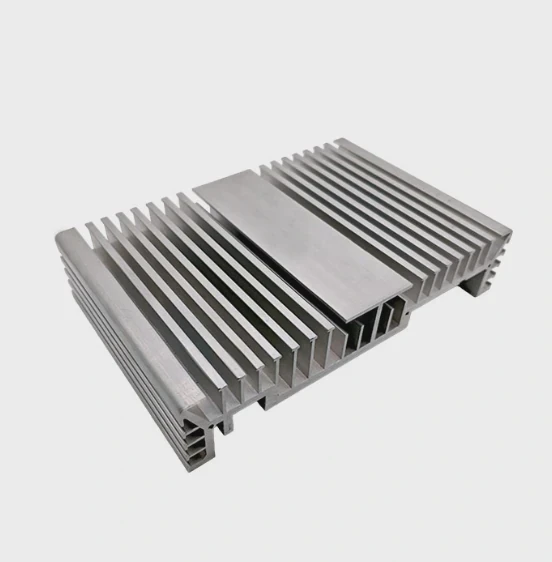
Mobile phones have become more powerful, but with power comes heat. Can liquid cooling technology solve the problem?
Mobile liquid cooling is a crucial innovation that helps dissipate heat from high-performance smartphones, ensuring they don’t overheat during heavy use like gaming. This feature is commonly seen in gaming smartphones and high-end devices.
Understanding mobile liquid cooling systems can give you insights into how manufacturers are addressing overheating issues in smartphones. Let’s dive deeper into how this technology works.
What is Mobile Liquid Cooling?
Ever wondered how smartphones manage to stay cool while you’re gaming or multitasking? Liquid cooling is the answer.
Liquid cooling in mobile devices uses a system to transfer heat away from the phone’s processor and dissipate it, ensuring smooth performance during intensive tasks like gaming.
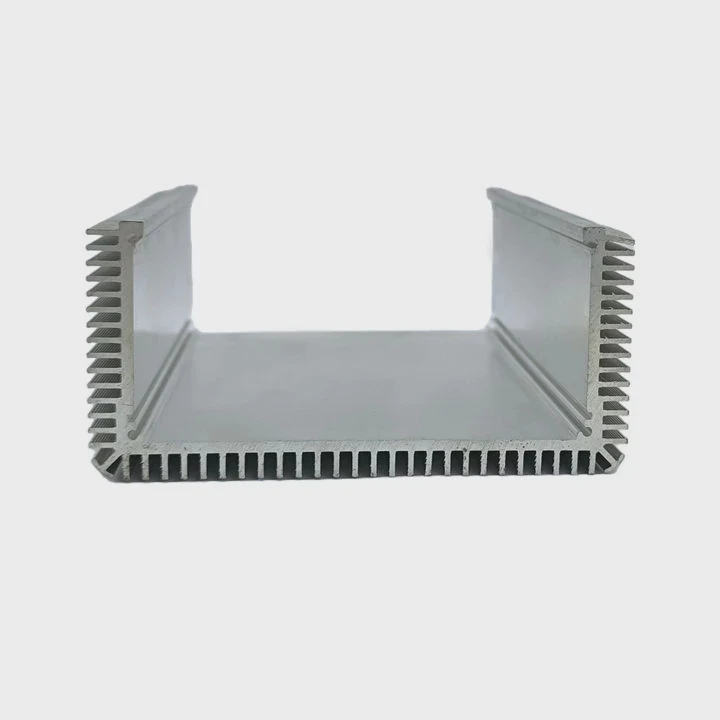
Mobile liquid cooling is a technology that utilizes a cooling liquid to transfer heat from one part of the smartphone to another, usually through a heat sink. This system is especially beneficial for high-performance devices, such as gaming smartphones, which often require more power and generate more heat.
The process of liquid cooling works through either a vapor chamber or liquid cooling pipes that are strategically placed near the phone’s hottest components. As the liquid absorbs heat, it changes its state (vaporizes), spreads through the system, and is then cooled and condensed back to liquid form. This cycle repeats, effectively keeping the device cool.
The key advantage of liquid cooling is its efficiency in managing heat. Compared to traditional air cooling, liquid systems can carry away more heat and thus reduce the risk of the device overheating. Without liquid cooling, smartphones may suffer from thermal throttling—when the processor slows down due to excessive heat. Liquid cooling helps mitigate this, allowing the phone to maintain optimal performance levels even under heavy load.
A few mobile phones that use liquid cooling include the Asus ROG Phone, Xiaomi Black Shark, and OnePlus 9 Pro, among others. These devices are equipped with advanced thermal systems that can handle sustained gaming or video streaming sessions. Understanding how these devices work can help users select phones that offer smoother performance without interruptions caused by excessive heat.
How Does Liquid Cooling Benefit Smartphone Performance?
Are you experiencing lag or slowdown on your phone during gaming? Liquid cooling could be the solution for better performance.
The main benefit of liquid cooling in smartphones is its ability to keep the device cool, preventing thermal throttling and ensuring consistent high-performance speeds during gaming and other intensive tasks.
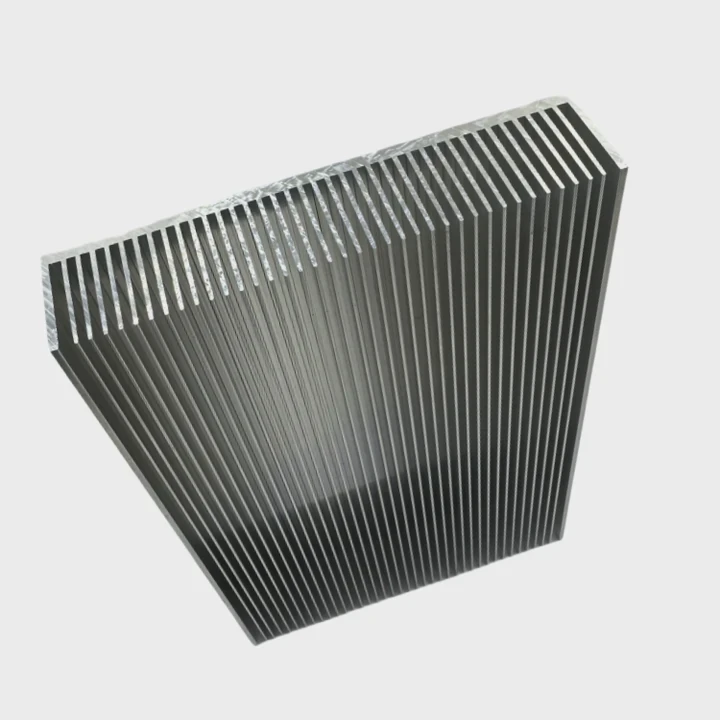
Smartphone manufacturers have long faced the challenge of balancing performance with heat management. As processors become faster and more powerful, they generate more heat. This is particularly noticeable during resource-heavy activities such as gaming, video editing, or streaming.
Without adequate cooling, devices can experience thermal throttling, a process where the phone’s processor slows down to avoid overheating. This can lead to lag, reduced responsiveness, and an overall poor user experience. By integrating liquid cooling, manufacturers can maintain high performance for a longer period, even under heavy use.
Key Benefits of Liquid Cooling:
| Benefit | Description |
|---|---|
| Enhanced Performance | Liquid cooling allows for higher processing speeds without thermal throttling. |
| Prevents Overheating | By transferring heat effectively, it prevents the phone from becoming uncomfortably hot. |
| Better Battery Life | Phones with lower temperatures tend to have longer-lasting batteries. |
| Extended Lifespan | Reduced heat can prevent damage to internal components, extending the life of the device. |
Many flagship phones now come with some form of liquid cooling. For example, Asus’s ROG Phone and Xiaomi’s Black Shark series employ advanced vapor chamber cooling technology, which is highly effective for gaming phones that generate large amounts of heat. This enables users to enjoy extended gaming sessions without worrying about the device heating up.
How to Identify Phones with Liquid Cooling?
Not all smartphones come with liquid cooling. So how do you know which ones do?
To identify phones with liquid cooling, check the product specifications or marketing materials, as manufacturers often highlight this feature in their promotional content, especially for gaming devices.

If you’re looking for a smartphone that offers liquid cooling, the best way to identify it is by reading the manufacturer’s specifications. Brands that focus on high-performance devices like gaming smartphones will prominently feature liquid cooling as a selling point.
Here are a few tips to help you identify whether a phone has liquid cooling:
- Look at the Specifications: Many manufacturers will include terms like “vapor chamber,” “liquid cooling,” or “thermal management” in their spec sheets.
- Gaming Phones: Phones marketed for gaming, such as the Xiaomi Black Shark, Asus ROG, and Lenovo Legion, are highly likely to have advanced cooling systems, including liquid cooling.
- Check for Heat Management Features: Some smartphones will mention the use of a vapor chamber or graphene cooling in the product descriptions, which are related to liquid cooling technologies.
While liquid cooling is more common in gaming phones, it is also finding its way into high-end flagship models from brands like OnePlus and Samsung, especially in models designed for intensive use like video editing or prolonged web browsing.
What Are the Mobile Device Cooling Trends?
As mobile devices continue to evolve, so do the methods used to keep them cool. What cooling trends are we seeing?
The latest trends in mobile device cooling focus on more efficient systems such as graphene-based solutions and AI-powered thermal management. Manufacturers are also pushing for lighter, more integrated cooling systems.
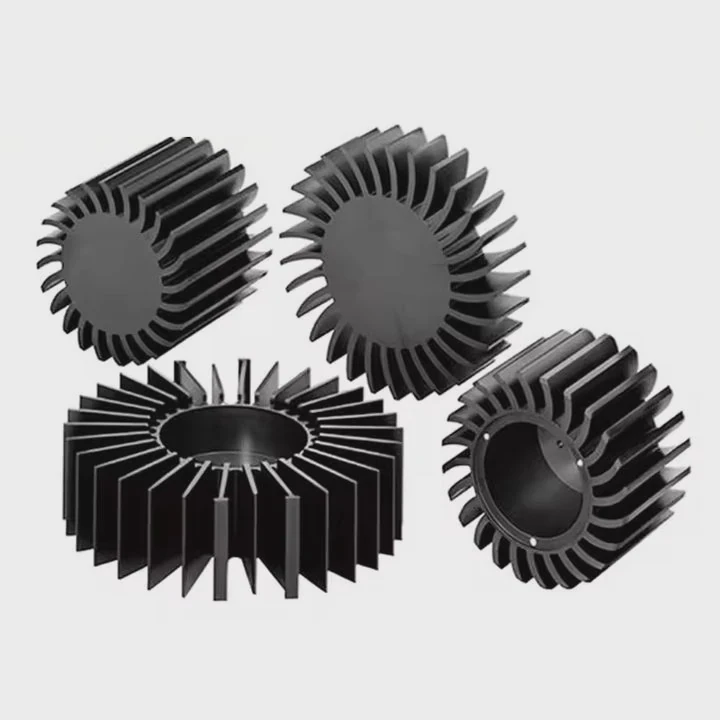
The mobile industry is constantly innovating to keep devices cool, as users demand faster performance without overheating. While liquid cooling has been around for a while, new trends are shaping the future of mobile cooling technologies. Here are some of the most notable trends:
1. Graphene Cooling
Graphene, a material known for its exceptional thermal conductivity, is being explored as an alternative to traditional metal-based cooling systems. Graphene-based cooling solutions are not only lightweight but also highly efficient, making them ideal for mobile phones. The material’s ability to conduct heat away from the processor helps keep devices cool, even under heavy workloads.
2. AI-Powered Cooling
With the rise of artificial intelligence, some smartphones now incorporate AI-powered cooling systems. These systems analyze the device’s temperature in real-time and adjust the cooling intensity based on the phone’s current usage. For example, during gaming, the system may increase cooling performance, and during regular use, it may reduce power to save energy.
3. Integrated Cooling Systems
As smartphones become thinner and lighter, manufacturers are designing integrated cooling systems that don’t add bulk. These systems use advanced materials like graphene and liquid cooling pipes integrated directly into the phone’s frame, offering effective heat management without increasing the size of the phone.
Here is a comparison of different cooling methods:
| Cooling Method | Pros | Cons |
|---|---|---|
| Vapor Chamber | Efficient heat distribution, low weight | Can be more expensive to manufacture |
| Graphene | Ultra-light, highly effective, flexible | Still under development for mass use |
| Liquid Cooling Pipes | Effective for high-performance phones, compact | Slightly bulkier than other solutions |
| AI-Powered Systems | Customizable cooling, energy-efficient | May require more software optimization |
Conclusion
Mobile liquid cooling is an essential technology that ensures smartphones maintain peak performance during intense use. With advancements like graphene and AI-powered cooling, the future of mobile cooling looks even more promising.
Word count: 1,540
TAGS
Latest Articles

Volume discount levels for heat sink orders?
Buyers often ask when heat sink prices start to drop with volume. Many worry they’re overpaying for small orders. This guide explains how B2B volume pricing works for thermal components. Heat sink
21 Dec,2025
Heat sink long-term supply contract options?
Many buyers want stable pricing and reliable delivery for heat sinks. But without a clear contract, risks grow over time. This article explores how to secure better long-term supply deals. Long-term
21 Dec,2025
Tooling cost for new heat sink profiles?
Many engineers struggle to understand why tooling for custom heat sinks costs so much. They worry about budgeting and production timelines. This article breaks down the cost drivers behind tooling.
21 Dec,2025
Heat sink custom sample process steps?
Sometimes, starting a custom heat sink project feels overwhelming—too many steps, too many unknowns, and too many risks. You want a sample, but not endless delays. The process for requesting and
20 Dec,2025
Standard B2B terms for heat sink payments?
When buyers and sellers in B2B heat sink markets talk about payment, many don’t fully understand what’s standard. This can lead to delayed orders, miscommunication, and even lost business
20 Dec,2025
Heat sink pricing factors for large orders?
Heat sinks are vital for many systems. When prices rise, projects stall and budgets break. This problem can hit teams hard without warning. Large order heat sink pricing depends on many factors. You
20 Dec,2025Related Articles
- Are Liquid-Cooled Computers Better?
- What is Liquid Cooling System in Mobile Devices?
- Is the Royal Enfield Super Meteor 650 Liquid Cooled?
- What Is a Liquid Cooling System for a Computer?
- Does RTX 3090 need liquid cooling?
- Why does a liquid cool down when it evaporates?
- Why is a Liquid-Cooled System Pressurized?
- How to Screw in a Processor Liquid Cooler?
- Is Alienware Liquid Cooling Worth It?
- Which Phone Has a Liquid Cooling System?
- How to Check a Liquid Cooling System?
- Which Liquid Cools the Fastest?
Author
Dr. Emily Chen
Chief AI Researcher
Leading expert in thermal dynamics and AI optimization with over 15 years of experience in data center efficiency research.
Categories
Latest Products






Recommend Categories
- Liquid cooling plate Manufacturer
- Industrial Heat Sink Manufacturer
- Standard Heat Sink Manufacturer
- Aluminum Heat Sink Manufacturer
- Copper Heat Sink Manufacturer
- Anodized Heatsink Manufacturer
- Stamping heat sink Manufacturer
- Die Casting Heatsink Manufacturer
- Soldering heat sink Manufacturer
- CNC Parts Manufacturer
Latest Products
- Wholesale Aluminum Radiator
- Water Cooling Plate Kit
- Water Cooling Heat Sink
- Water Cooling Heat Sink Kit
- Stainless Steel Water Distributor
- Server Water Cooling Plate Kit
- Server Liquid Cooling System
- Server Aluminum Cooling Kit
- S19 Full Cover Cooling Plate
- S19 Cooling Plate Kit
- S19 Aluminum Cooling Plate
Contact Expert
Have questions about this article? Reach out to our experts directly.