Which Phone Has a Liquid Cooling System?
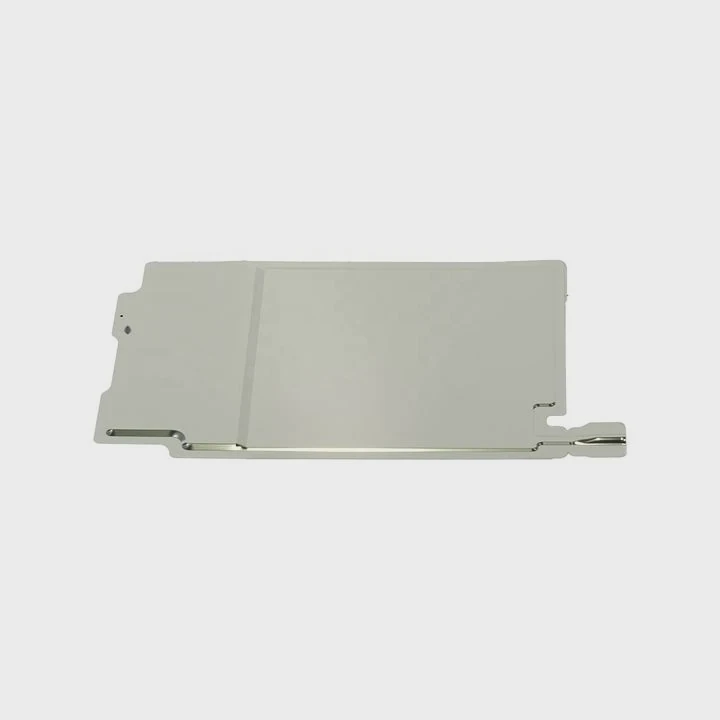
Many smartphones today feature advanced cooling systems, but which ones come with liquid cooling? Let’s explore the phones that incorporate this technology and how it benefits device performance.
Phones with liquid cooling systems can offer better performance, longer battery life, and smoother experiences under heavy use. Several high-end smartphones now come equipped with liquid cooling systems to enhance their thermal management.
Liquid cooling is becoming an essential feature in high-performance smartphones, especially those used for gaming or intensive applications. But what exactly is smartphone liquid cooling, and how does it affect device performance?
What is Smartphone Liquid Cooling?
Ever wondered how smartphones stay cool during intense gaming sessions or long video calls? Let’s take a closer look at smartphone liquid cooling systems.
Smartphone liquid cooling refers to the use of a liquid-based thermal solution designed to absorb and dissipate heat more efficiently than traditional air cooling.
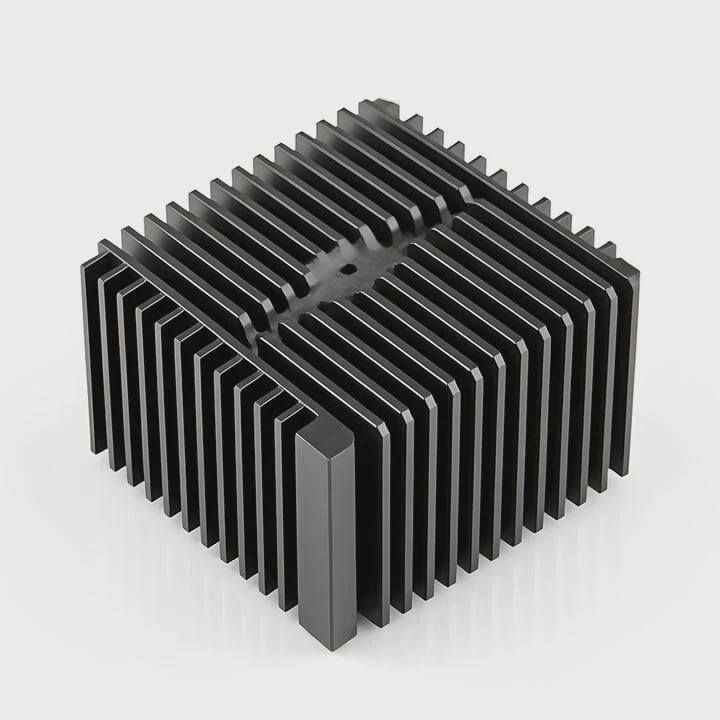
In a smartphone, liquid cooling typically involves a sealed system containing a liquid coolant that circulates around the device’s most heat-sensitive components, such as the processor, GPU, and battery. The coolant absorbs heat and helps maintain optimal operating temperatures even during heavy use. The liquid is usually transferred through a heat pipe or chamber, which helps spread the heat evenly and channels it to a cooler area, where it can be dissipated.
Most liquid cooling systems in smartphones use a vapor chamber or heat pipes filled with liquid. When the device heats up, the liquid absorbs the heat, evaporates, and then travels through the pipe or chamber to a cooler area of the phone, where it condenses and releases the heat.
This cooling method is more efficient than traditional air cooling, where heat is dissipated through the phone’s surface. Liquid cooling allows for better heat management, which is essential for performance-heavy tasks like gaming, video editing, or using high-powered apps.
| Component | Function |
|---|---|
| Vapor Chamber | Absorbs and spreads heat evenly across the device |
| Heat Pipe | Transfers heat from the hot components to cooler areas |
| Coolant Fluid | Circulates to absorb heat and dissipate it |
What Are the Benefits for Device Performance?
How does liquid cooling enhance smartphone performance? Let’s break it down.
Liquid cooling improves device performance by preventing overheating, ensuring smoother operation during demanding tasks, and prolonging battery life.
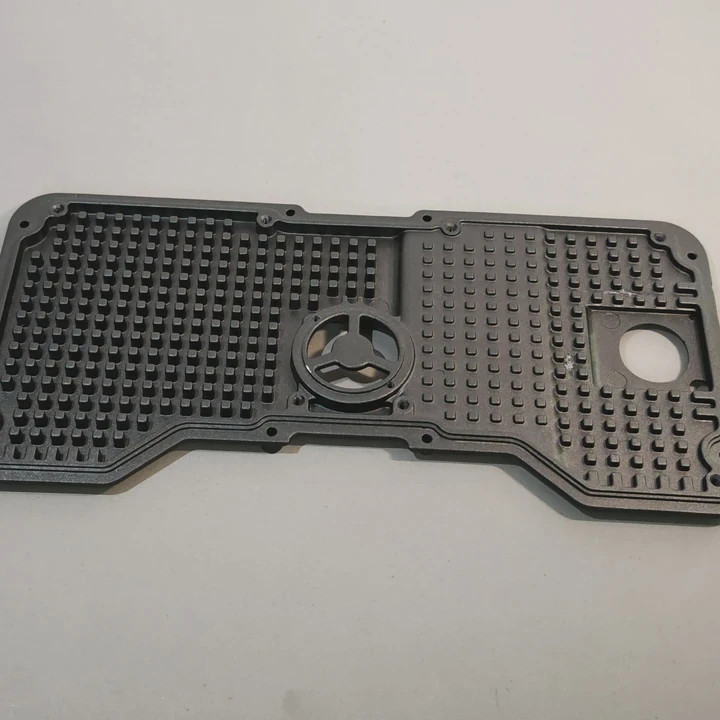
Smartphones are becoming more powerful with each generation, often featuring powerful processors, GPUs, and large batteries. However, this increase in power leads to more heat generation. Without effective thermal management, excessive heat can cause thermal throttling, which slows down the phone’s performance to prevent overheating.
Here’s how liquid cooling addresses this:
Prevents Thermal Throttling: By keeping the device cooler, liquid cooling helps maintain optimal processing speeds during heavy tasks like gaming or running intensive apps. This means that the phone doesn’t need to slow down to protect itself from heat.
Improves Gaming Experience: Gaming smartphones with liquid cooling systems can run high-performance games at higher frame rates without experiencing lag or stuttering. By efficiently dissipating heat, these phones ensure that gaming sessions remain smooth for longer periods.
Enhances Battery Life: When a phone heats up, the battery is subjected to additional strain, which can shorten its lifespan. Liquid cooling helps maintain a stable temperature, thus reducing heat-related wear and tear on the battery, leading to better long-term performance.
Increases Longevity: Over time, exposure to excessive heat can degrade the phone’s internal components. Liquid cooling helps to maintain lower temperatures, preserving the phone’s performance and extending its lifespan.
| Benefit | Impact on Performance |
|---|---|
| Prevents Thermal Throttling | Maintains processing speeds, ensuring smooth performance |
| Improves Gaming Experience | Provides stable frame rates and longer gaming sessions |
| Enhances Battery Life | Reduces heat-induced strain on the battery |
| Increases Longevity | Helps maintain internal components over time |
How to Identify Phones with Liquid Cooling?
Wondering if your phone has a liquid cooling system? Here’s how to spot them.
Look for gaming smartphones or premium models, as they’re more likely to feature liquid cooling systems. Manufacturers often highlight this feature in their promotional materials.
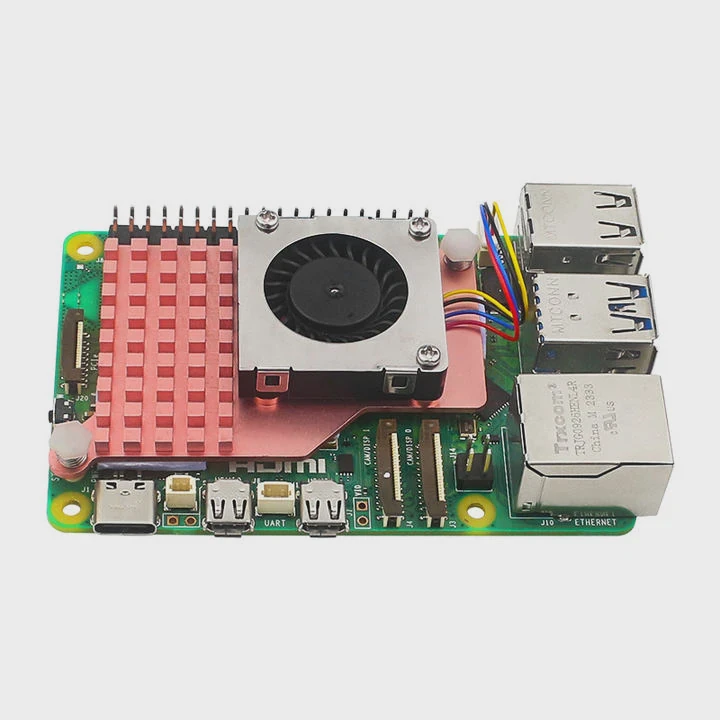
Here are a few tips to identify if a phone has liquid cooling:
Check the Specifications:
Liquid cooling is usually mentioned as a feature in the phone’s technical specifications, especially in gaming smartphones. Terms like “vapor chamber cooling,” “liquid cooling system,” or “thermal heat pipes” are often used to describe the technology.Look for Gaming Phones:
Phones designed for gaming are more likely to feature liquid cooling. Examples include the Asus ROG Phone series, Xiaomi Black Shark series, and Lenovo Legion Phone. These devices prioritize performance and heat management, so liquid cooling is commonly included.Read Reviews and Tests:
If you’re unsure about the phone, check online reviews and performance tests. Tech reviewers often test the device’s thermal performance, including whether the liquid cooling system is effective under stress.Examine the Design:
Some phones with advanced cooling may have visible features like vents, heat dissipation grooves, or thicker bodies designed to accommodate liquid cooling systems. While the cooling system itself is typically sealed inside, these design features could hint at better heat management.
| Phone Brand | Notable Model(s) with Liquid Cooling | Cooling Type |
|---|---|---|
| Asus | ROG Phone, ROG Phone 2, ROG Phone 3 | Vapor Chamber, Heat Pipe |
| Xiaomi | Black Shark 3, Black Shark 4 | Liquid Cooling System |
| Lenovo | Legion Phone Duel, Legion Phone 2 | Liquid Cooling System |
| OnePlus | OnePlus 9 Pro, OnePlus 8 Pro | Vapor Chamber |
What Are the Mobile Thermal Design Trends?
Thermal management in mobile devices is always evolving. Here are some of the latest trends in mobile thermal design.
As mobile devices become more powerful, manufacturers are increasingly focusing on advanced cooling solutions to keep up with the rising demand for performance.
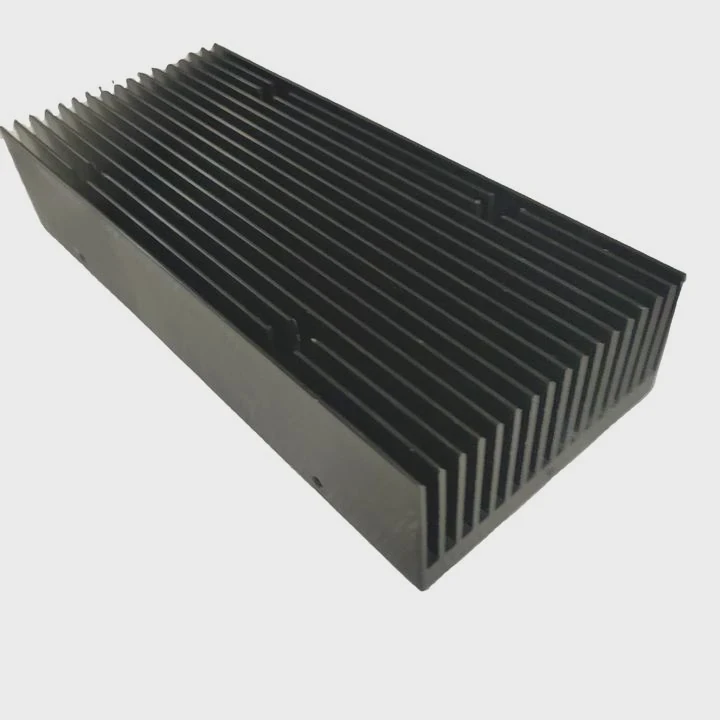
1. Larger Heat Dissipation Surfaces
To improve cooling, manufacturers are designing phones with larger heat dissipation areas. This includes using larger vapor chambers or more extensive heat pipe systems that cover a wider area of the phone, allowing heat to be spread out more efficiently.
2. Graphene and Carbon Fiber Cooling
New materials like graphene and carbon fiber are being incorporated into mobile cooling systems. These materials are highly efficient at conducting heat and are lighter than traditional metals, helping keep devices cool without adding bulk.
3. Active Cooling Solutions
Some devices now include active cooling mechanisms, such as fans or heat exchangers. These systems work in tandem with liquid cooling to further enhance the cooling performance. For example, the Xiaomi Black Shark 4 Pro comes with a built-in fan that works alongside its liquid cooling system.
4. Software-Controlled Thermal Management
Many phones now include software-controlled cooling solutions. These systems monitor the phone’s temperature in real-time and adjust the fan speed or cooling power to maintain optimal thermal conditions. Some gaming phones, for example, can dynamically adjust performance settings depending on the temperature, ensuring the system stays cool even during long gaming sessions.
| Trend | Description | Benefit |
|---|---|---|
| Larger Heat Dissipation | Increased surface area for heat dissipation | Better cooling efficiency |
| Graphene/Carbon Fiber Cooling | Lightweight, highly conductive materials | Improved thermal conductivity |
| Active Cooling Solutions | Fans or heat exchangers combined with liquid cooling | More effective cooling |
| Software-Controlled Cooling | Real-time temperature monitoring and adjustments | Dynamic optimization of cooling |
Conclusion
Smartphones with liquid cooling offer better thermal management, preventing overheating and enabling smoother performance. As mobile thermal designs continue to evolve, we can expect to see even more advanced systems, offering users enhanced experiences in gaming, multimedia, and everyday use.
Word Count: 1565
TAGS
Latest Articles

Volume discount levels for heat sink orders?
Buyers often ask when heat sink prices start to drop with volume. Many worry they’re overpaying for small orders. This guide explains how B2B volume pricing works for thermal components. Heat sink
21 Dec,2025
Heat sink long-term supply contract options?
Many buyers want stable pricing and reliable delivery for heat sinks. But without a clear contract, risks grow over time. This article explores how to secure better long-term supply deals. Long-term
21 Dec,2025
Tooling cost for new heat sink profiles?
Many engineers struggle to understand why tooling for custom heat sinks costs so much. They worry about budgeting and production timelines. This article breaks down the cost drivers behind tooling.
21 Dec,2025
Heat sink custom sample process steps?
Sometimes, starting a custom heat sink project feels overwhelming—too many steps, too many unknowns, and too many risks. You want a sample, but not endless delays. The process for requesting and
20 Dec,2025
Standard B2B terms for heat sink payments?
When buyers and sellers in B2B heat sink markets talk about payment, many don’t fully understand what’s standard. This can lead to delayed orders, miscommunication, and even lost business
20 Dec,2025
Heat sink pricing factors for large orders?
Heat sinks are vital for many systems. When prices rise, projects stall and budgets break. This problem can hit teams hard without warning. Large order heat sink pricing depends on many factors. You
20 Dec,2025Related Articles
- Is Alienware Liquid Cooling Worth It?
- How to Screw in a Processor Liquid Cooler?
- Why is a Liquid-Cooled System Pressurized?
- What is Mobile Liquid Cooling?
- Are Liquid-Cooled Computers Better?
- What is Liquid Cooling System in Mobile Devices?
- How to Check a Liquid Cooling System?
- Which Liquid Cools the Fastest?
- How Does a Liquid-Cooled Engine Work?
- What is Liquid Cooled?
- Does Liquid Cooling Evaporate?
- How Tight to Tighten Liquid Cooler on CPU?
Author
Dr. Emily Chen
Chief AI Researcher
Leading expert in thermal dynamics and AI optimization with over 15 years of experience in data center efficiency research.
Categories
Latest Products






Recommend Categories
- Liquid cooling plate Manufacturer
- Industrial Heat Sink Manufacturer
- Standard Heat Sink Manufacturer
- Aluminum Heat Sink Manufacturer
- Copper Heat Sink Manufacturer
- Anodized Heatsink Manufacturer
- Stamping heat sink Manufacturer
- Die Casting Heatsink Manufacturer
- Soldering heat sink Manufacturer
- CNC Parts Manufacturer
Latest Products
- Wholesale Aluminum Radiator
- Water Cooling Plate Kit
- Water Cooling Heat Sink
- Water Cooling Heat Sink Kit
- Stainless Steel Water Distributor
- Server Water Cooling Plate Kit
- Server Liquid Cooling System
- Server Aluminum Cooling Kit
- S19 Full Cover Cooling Plate
- S19 Cooling Plate Kit
- S19 Aluminum Cooling Plate
Contact Expert
Have questions about this article? Reach out to our experts directly.