Does RTX 3090 need liquid cooling?
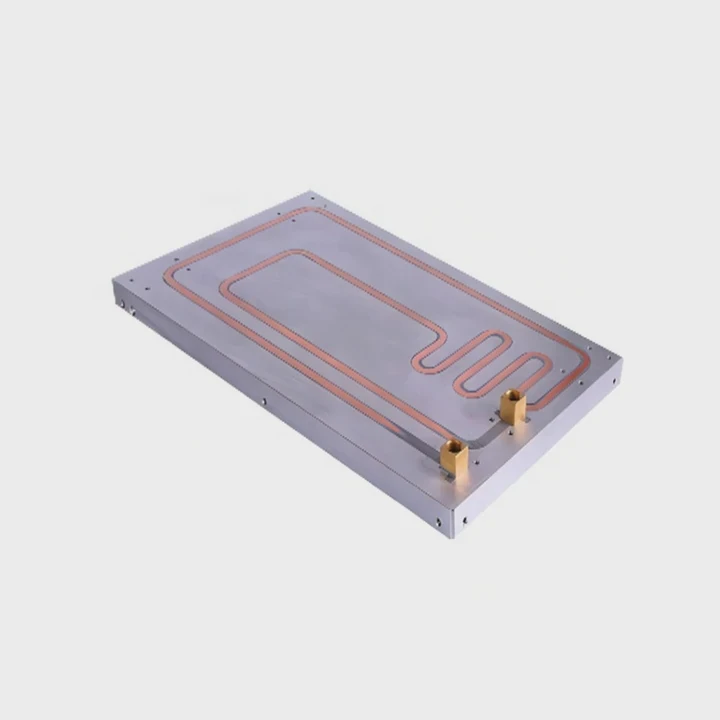
The RTX 3090 runs incredibly hot under heavy workloads. Its massive power draw can push temperatures beyond comfort limits if cooling isn’t handled properly.
The RTX 3090 does not require liquid cooling, but it benefits significantly from it, especially under sustained workloads or overclocking conditions.
Whether liquid cooling is necessary depends on your system configuration, ambient temperature, and how you use your GPU. Let’s explore this in detail.
What are the thermal demands of RTX 3090?
The RTX 3090 is a high-performance graphics card designed for gaming, AI, and professional workloads. It’s built with powerful architecture that demands strong thermal management.
The RTX 3090 can draw over 350 watts of power, producing substantial heat that must be efficiently dissipated to maintain performance and longevity.
Power and heat characteristics
The RTX 3090’s GA102 GPU core operates at high frequencies, and its memory modules also generate significant heat. During gaming or rendering, core temperatures can easily reach 80°C or more with air cooling. The high power density makes temperature control crucial for stability.
| Parameter | Typical Value | Thermal Effect |
|---|---|---|
| Power Draw | 350–400 W | High thermal load |
| Core Temp (Air) | 78–85°C | May cause throttling |
| Core Temp (Liquid) | 60–65°C | Stable performance |
| VRAM Temp | 90°C+ | Needs direct cooling |
Why thermal management matters
When a GPU overheats, it throttles performance to protect itself. This means frame rates drop and rendering slows. Consistent exposure to high heat can also degrade components over time. That’s why cooling is not just about performance—it’s about extending the card’s life.
What are the benefits of liquid cooling for GPUs?
The RTX 3090’s massive heat generation makes it a great candidate for improved cooling systems.
Liquid cooling for GPUs offers better thermal control, quieter operation, and higher overclocking potential compared to air cooling.
Key advantages of liquid cooling
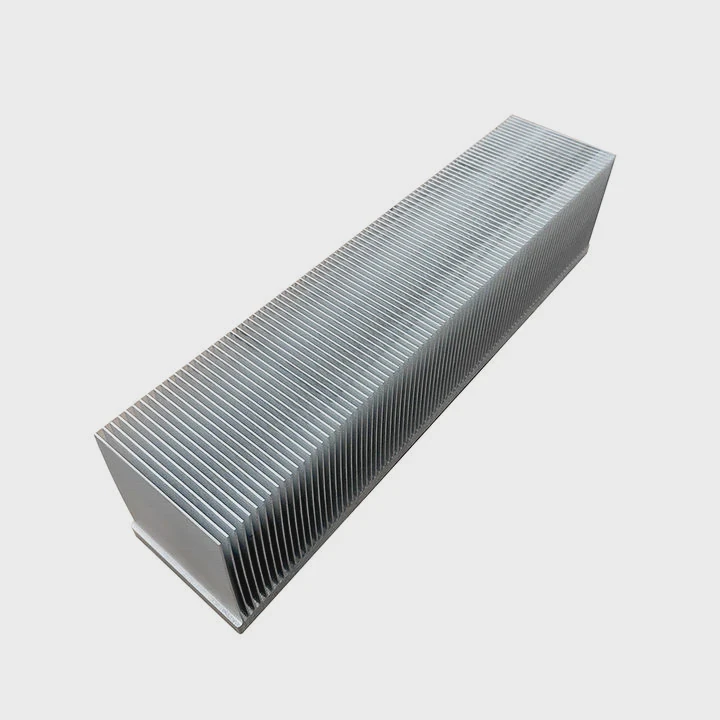
Liquid cooling excels in moving heat away from the GPU quickly and evenly. It uses water blocks, pumps, and radiators to circulate coolant through the system. This creates a more stable thermal environment and reduces fan noise.
| Benefit | Description |
|---|---|
| Lower temperatures | Keeps GPU 15–20°C cooler |
| Stable performance | Prevents thermal throttling |
| Reduced noise | Fans run slower and quieter |
| Better aesthetics | Sleek, customizable looks |
| Higher overclocking | More thermal headroom |
Impact on performance and lifespan
When liquid-cooled, the RTX 3090 maintains consistent boost clocks for longer periods. Lower temperatures also protect the VRAM and power delivery modules (VRMs), reducing wear and ensuring reliable long-term operation. For users rendering 3D models or training neural networks, this thermal stability is essential.
Example use cases
- Gamers: Enjoy stable FPS without throttling.
- 3D artists: Maintain rendering speed during long sessions.
- Engineers: Prevent overheating during simulations or AI workloads.
How to select a suitable cooler for RTX 3090?
Selecting the right cooler for an RTX 3090 depends on your system design, usage intensity, and noise tolerance.
Choose a liquid or air cooler that matches your GPU’s thermal profile, case size, and workload requirements.
Choosing between air and liquid
If your RTX 3090 is housed in a spacious case with good airflow, a high-end air cooler like the triple-fan Founders Edition might be enough. But for smaller cases or extreme overclocking, a liquid cooling setup ensures better results.
| Cooling Type | Best For | Noise | Maintenance | Cost |
|---|---|---|---|---|
| Air Cooling | General gaming | Moderate | Low | Lower |
| AIO Liquid Cooling | High-performance builds | Low | Moderate | Higher |
| Custom Loop | Extreme overclocking | Very low | High | Highest |
Compatibility and installation
Before purchasing, check GPU block compatibility lists from brands like EKWB, Corsair, or Alphacool. Some RTX 3090 models have different PCB layouts, so not all blocks will fit.
If you prefer plug-and-play, AIO (All-in-One) liquid coolers with pre-filled loops are the easiest to install. For enthusiasts, custom loops offer the best performance but need careful planning and maintenance.
Practical tips
- Ensure your case supports a 240mm or 360mm radiator.
- Keep VRAM and VRM cooling pads in contact for stable heat spread.
- Monitor coolant temperature and replace fluid periodically.
- Use thermal paste and pads with proper thickness for efficiency.
Selecting the right cooler ensures the RTX 3090 runs smoothly even under demanding conditions.
What are the GPU cooling trends?
As GPUs grow more powerful, cooling technology evolves to keep up with higher heat output and efficiency requirements.
Modern GPU cooling trends focus on hybrid solutions, smart control systems, and sustainable thermal designs.
Trend 1: Hybrid cooling
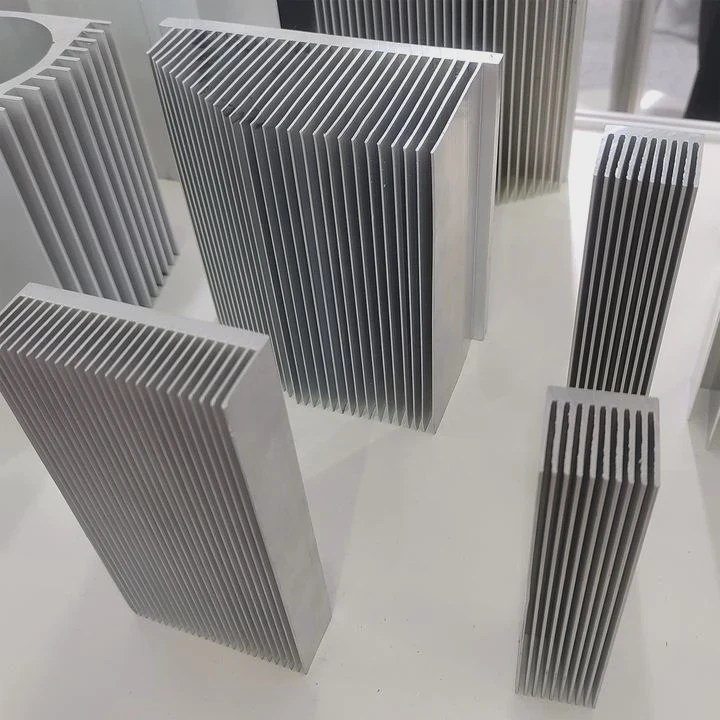
Hybrid GPU coolers combine the advantages of air and liquid systems. They use liquid to handle the GPU core and air fans for VRMs and memory. This setup achieves balance between performance and reliability.
Trend 2: Smart control and AI optimization
Manufacturers now integrate temperature sensors and AI algorithms into GPU cooling systems. These systems automatically adjust fan speeds and pump flow rates based on workload and thermal demand. It improves efficiency and reduces noise.
Trend 3: Compact and modular designs
Smaller, modular coolers are becoming popular in both consumer and industrial GPUs. These designs reduce installation complexity and enhance portability while keeping cooling performance high.
Trend 4: Sustainable cooling materials
There’s a shift toward eco-friendly materials, such as biodegradable coolants and recyclable aluminum radiators. Manufacturers are aiming to reduce environmental impact without compromising performance.
| Trend | Description | Impact |
|---|---|---|
| Hybrid Cooling | Combines liquid and air systems | Balanced thermal control |
| Smart AI Control | Adaptive fan and pump speeds | Efficiency and low noise |
| Modular Design | Smaller, flexible units | Easier installation |
| Eco Materials | Recyclable components | Sustainability |
Real-world applications
- Data centers: Use liquid-cooled GPU clusters for AI training efficiency.
- EV systems: Apply integrated cooling loops for motor and electronics.
- Gaming PCs: Adopt hybrid AIO GPUs for quieter and cooler operation.
The future of GPU cooling lies in smart, efficient, and sustainable designs that balance heat, performance, and environmental responsibility.
Conclusion
The RTX 3090 doesn’t strictly require liquid cooling, but it benefits greatly from it under high thermal loads. Liquid cooling ensures better performance, stability, and quiet operation. As GPU technology advances, hybrid and smart cooling solutions are becoming the new standard for both gamers and professionals.
TAGS
Latest Articles

Volume discount levels for heat sink orders?
Buyers often ask when heat sink prices start to drop with volume. Many worry they’re overpaying for small orders. This guide explains how B2B volume pricing works for thermal components. Heat sink
21 Dec,2025
Heat sink long-term supply contract options?
Many buyers want stable pricing and reliable delivery for heat sinks. But without a clear contract, risks grow over time. This article explores how to secure better long-term supply deals. Long-term
21 Dec,2025
Tooling cost for new heat sink profiles?
Many engineers struggle to understand why tooling for custom heat sinks costs so much. They worry about budgeting and production timelines. This article breaks down the cost drivers behind tooling.
21 Dec,2025
Heat sink custom sample process steps?
Sometimes, starting a custom heat sink project feels overwhelming—too many steps, too many unknowns, and too many risks. You want a sample, but not endless delays. The process for requesting and
20 Dec,2025
Standard B2B terms for heat sink payments?
When buyers and sellers in B2B heat sink markets talk about payment, many don’t fully understand what’s standard. This can lead to delayed orders, miscommunication, and even lost business
20 Dec,2025
Heat sink pricing factors for large orders?
Heat sinks are vital for many systems. When prices rise, projects stall and budgets break. This problem can hit teams hard without warning. Large order heat sink pricing depends on many factors. You
20 Dec,2025Related Articles
- Why does a liquid cool down when it evaporates?
- How to transition from air to liquid cooling?
- How to check if liquid cooling pump is working?
- Why is liquid cooling bad?
- How to liquid cool a PS3?
- How to set up a liquid cooling CPU?
- What Is a Liquid Cooling System for a Computer?
- Is the Royal Enfield Super Meteor 650 Liquid Cooled?
- What is Liquid Cooling System in Mobile Devices?
- Are Liquid-Cooled Computers Better?
- What is Mobile Liquid Cooling?
- Why is a Liquid-Cooled System Pressurized?
Author
Dr. Emily Chen
Chief AI Researcher
Leading expert in thermal dynamics and AI optimization with over 15 years of experience in data center efficiency research.
Categories
Latest Products






Recommend Categories
- Liquid cooling plate Manufacturer
- Industrial Heat Sink Manufacturer
- Standard Heat Sink Manufacturer
- Aluminum Heat Sink Manufacturer
- Copper Heat Sink Manufacturer
- Anodized Heatsink Manufacturer
- Stamping heat sink Manufacturer
- Die Casting Heatsink Manufacturer
- Soldering heat sink Manufacturer
- CNC Parts Manufacturer
Latest Products
- Wholesale Aluminum Radiator
- Water Cooling Plate Kit
- Water Cooling Heat Sink
- Water Cooling Heat Sink Kit
- Stainless Steel Water Distributor
- Server Water Cooling Plate Kit
- Server Liquid Cooling System
- Server Aluminum Cooling Kit
- S19 Full Cover Cooling Plate
- S19 Cooling Plate Kit
- S19 Aluminum Cooling Plate
Contact Expert
Have questions about this article? Reach out to our experts directly.