What is better, air-cooled or liquid-cooled?
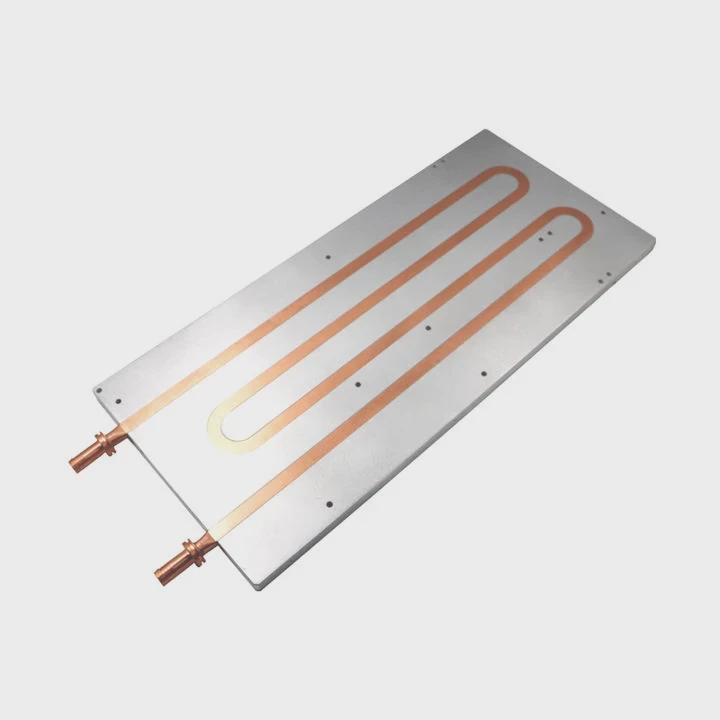
Many people face the same challenge: how to keep their systems cool and stable without overpaying or overcomplicating the setup.
The short answer is: liquid cooling offers better performance and efficiency, while air cooling is simpler, cheaper, and easier to maintain.
But the truth is more nuanced, and understanding both can help you make the right choice for your system.
What are the main differences between the two?
Air cooling and liquid cooling use different methods to remove heat from electronic components, and each has its own strengths and limits.
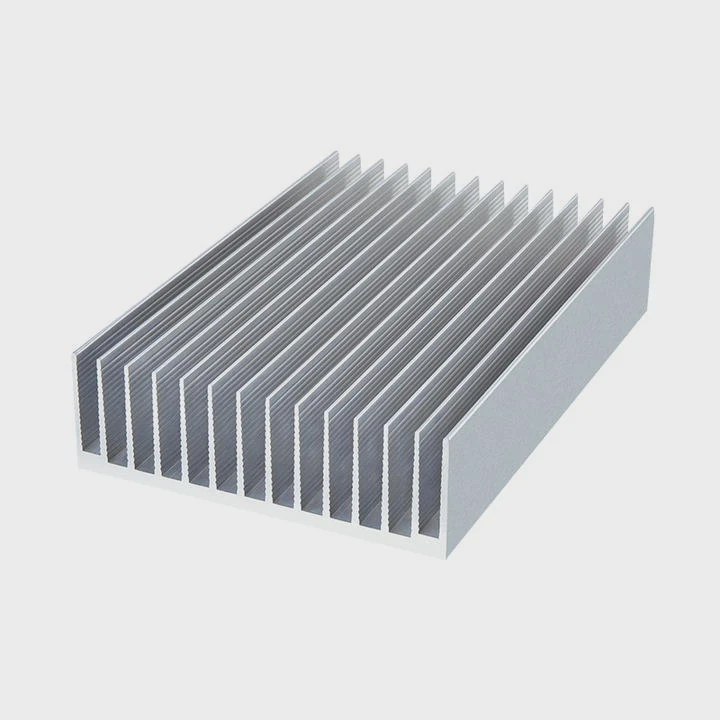
Air cooling uses fans and heatsinks to move heat away, while liquid cooling transfers heat through a fluid that flows through tubes and radiators.
How the two systems work
| Cooling Type | Working Principle | Main Components | Typical Use |
|---|---|---|---|
| Air Cooling | Moves heat using airflow and metal fins | Fan, heatsink, thermal paste | Desktops, industrial equipment |
| Liquid Cooling | Circulates coolant to absorb and release heat | Pump, water block, radiator, tubes | High-end systems, servers, EVs |
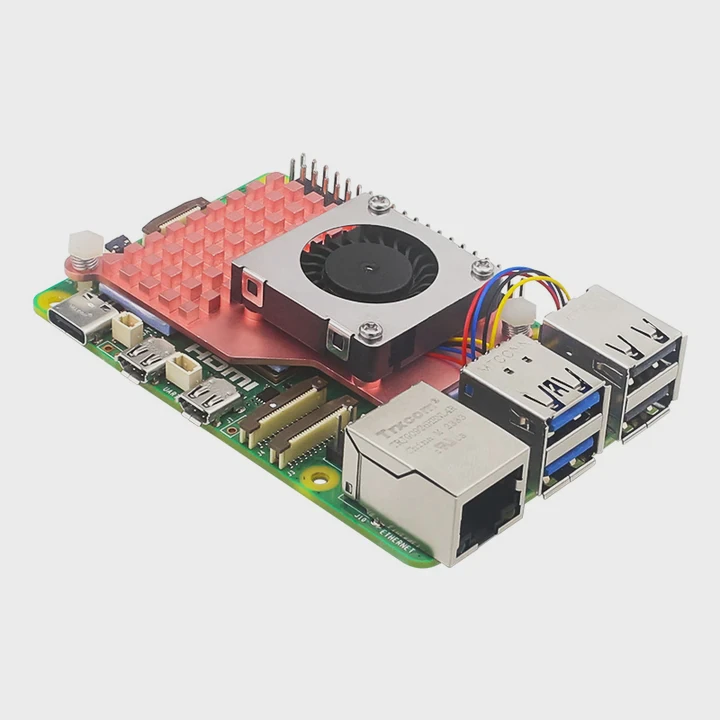
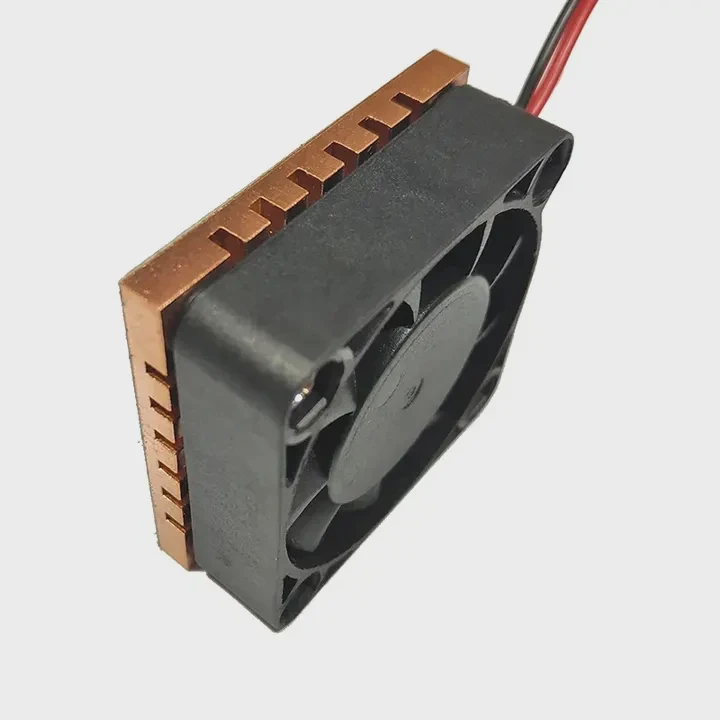
In an air-cooled setup, the CPU or GPU transfers heat into a metal heatsink. A fan blows air across the fins, and that air carries heat away from the system. It’s simple, mechanical, and easy to install.
Liquid cooling, however, uses a circulating fluid that absorbs heat from the hot component and moves it to a radiator. Fans on the radiator then expel the heat into the air. This process is more complex but more effective for high thermal loads.
Efficiency and complexity
Air cooling is limited by the heat capacity of air and the size of the heatsink. When devices get smaller and power density increases, air cooling can reach its limits. Liquid systems have higher heat transfer efficiency, allowing for smaller, more powerful devices.
However, liquid cooling introduces risk: leaks, pump failures, and higher cost. It also requires precise engineering and quality control.
What are their advantages?
Each cooling system shines in its own field, and the best choice depends on what you value most.
Air cooling offers simplicity, low cost, and reliability. Liquid cooling offers performance, silence, and thermal consistency.
Comparing benefits side by side
| Feature | Air Cooling | Liquid Cooling |
|---|---|---|
| Cost | Lower | Higher |
| Noise | Louder | Quieter |
| Maintenance | Easier | More complex |
| Cooling Efficiency | Moderate | Excellent |
| Space Required | Larger heatsinks | Compact blocks |
| Reliability | Very high | Dependent on pump quality |
In-depth analysis
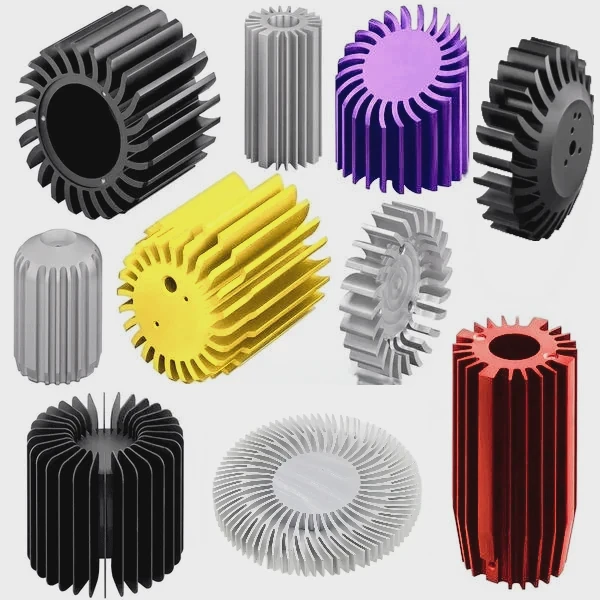
Air cooling is often chosen for systems where reliability and cost are the top priorities. It has fewer moving parts, which means fewer points of failure. Industrial systems, embedded electronics, and moderate-performance computers often rely on this method. Fans can be swapped easily, and the setup can last for years with little attention.
Liquid cooling, on the other hand, excels when performance is critical. It maintains stable temperatures even under heavy loads. The liquid acts as a more efficient heat transfer medium than air. It also distributes heat more evenly, reducing thermal spikes. This stability can extend the life of components and improve their performance under stress.
For systems like high-performance servers, gaming PCs, or electric vehicle battery packs, the temperature difference of just a few degrees can make a big difference. That’s why liquid cooling dominates these high-demand fields.
How to make a decision for your setup?
Choosing between air and liquid cooling depends on your environment, budget, and performance needs.
If you need stability, simplicity, and low maintenance, air cooling is best. If you need top thermal control for high-performance systems, go for liquid cooling.
Factors to consider
| Factor | Recommendation |
|---|---|
| Budget below $100 | Air cooling |
| Quiet operation required | Liquid cooling |
| Limited space | Liquid or hybrid cooling |
| Harsh environment | Air cooling |
| Continuous high load | Liquid cooling |
Real-world perspective
When I worked on industrial heat management projects, I often had to balance performance with reliability. For outdoor systems or environments with dust, we usually went with air-cooled modules. They were easier to clean and didn’t risk leaks.
But when we designed cooling for compact, high-power electronic systems—like power modules or semiconductor test benches—we relied on liquid systems. The temperature uniformity improved performance stability by up to 30%. However, we always added sensors and backup pumps to reduce the risk of failure.
So, if you are building a system where downtime or thermal spikes matter, invest in a well-engineered liquid cooling solution. Otherwise, a well-designed air system might serve you better for the long run.
What are the developments in cooling systems?
The world of thermal management is changing fast, and new materials and hybrid designs are reshaping what’s possible.
The latest cooling systems combine air and liquid technologies with phase-change materials and advanced aluminum structures to boost heat transfer.
Emerging trends
Modern cooling technology is moving toward integration and efficiency. Manufacturers are now developing vapor chambers and phase-change plates that work as bridges between air and liquid systems. These solutions spread heat evenly before it reaches a fan or radiator, enhancing performance without needing full liquid circulation.
Another innovation is microchannel liquid cooling, where the coolant flows through ultra-thin channels in aluminum or copper plates. This increases surface contact and improves thermal performance for compact systems such as EV batteries and CPUs.
Advanced materials like graphene and carbon-based composites are also being used to enhance thermal conductivity. They are lightweight, stable, and efficient, making them suitable for next-generation electronics.
Future outlook
In the coming years, the boundary between air and liquid cooling will blur. Hybrid systems will dominate, combining fans, vapor chambers, and embedded liquid loops. AI-based temperature control will automatically adjust flow rates and fan speeds, optimizing energy consumption and extending equipment life.
Companies focusing on integrated thermal modules—which merge structure and cooling—are leading the next phase of innovation. These designs not only manage heat but also reduce weight and space, making them ideal for aerospace, EVs, and high-density computing.
Conclusion
Air and liquid cooling both have clear roles. Air systems are simple and reliable. Liquid systems are efficient and powerful. The best choice depends on your priorities—cost, performance, and maintenance. As technology evolves, hybrid and intelligent cooling will define the future of thermal management.
TAGS
Latest Articles

Volume discount levels for heat sink orders?
Buyers often ask when heat sink prices start to drop with volume. Many worry they’re overpaying for small orders. This guide explains how B2B volume pricing works for thermal components. Heat sink
21 Dec,2025
Heat sink long-term supply contract options?
Many buyers want stable pricing and reliable delivery for heat sinks. But without a clear contract, risks grow over time. This article explores how to secure better long-term supply deals. Long-term
21 Dec,2025
Tooling cost for new heat sink profiles?
Many engineers struggle to understand why tooling for custom heat sinks costs so much. They worry about budgeting and production timelines. This article breaks down the cost drivers behind tooling.
21 Dec,2025
Heat sink custom sample process steps?
Sometimes, starting a custom heat sink project feels overwhelming—too many steps, too many unknowns, and too many risks. You want a sample, but not endless delays. The process for requesting and
20 Dec,2025
Standard B2B terms for heat sink payments?
When buyers and sellers in B2B heat sink markets talk about payment, many don’t fully understand what’s standard. This can lead to delayed orders, miscommunication, and even lost business
20 Dec,2025
Heat sink pricing factors for large orders?
Heat sinks are vital for many systems. When prices rise, projects stall and budgets break. This problem can hit teams hard without warning. Large order heat sink pricing depends on many factors. You
20 Dec,2025Related Articles
- Is air-cooled or liquid-cooled better?
- Is PS5 liquid cooled?
- How to cool liquid fast?
- When is liquid cooling necessary?
- What Is the Difference Between Liquid-Cooled and Air-Cooled?
- Is liquid cooling quieter than air cooling?
- How to add liquid cooling to GPU?
- Is liquid cooling easy to install?
- How to cool a liquid quickly?
- How long does a liquid CPU cooler last?
- Is liquid cooler better?
- Is liquid cooling better than fans?
Author
Dr. Emily Chen
Chief AI Researcher
Leading expert in thermal dynamics and AI optimization with over 15 years of experience in data center efficiency research.
Categories
Latest Products






Recommend Categories
- Liquid cooling plate Manufacturer
- Industrial Heat Sink Manufacturer
- Standard Heat Sink Manufacturer
- Aluminum Heat Sink Manufacturer
- Copper Heat Sink Manufacturer
- Anodized Heatsink Manufacturer
- Stamping heat sink Manufacturer
- Die Casting Heatsink Manufacturer
- Soldering heat sink Manufacturer
- CNC Parts Manufacturer
Latest Products
- Wholesale Aluminum Radiator
- Water Cooling Plate Kit
- Water Cooling Heat Sink
- Water Cooling Heat Sink Kit
- Stainless Steel Water Distributor
- Server Water Cooling Plate Kit
- Server Liquid Cooling System
- Server Aluminum Cooling Kit
- S19 Full Cover Cooling Plate
- S19 Cooling Plate Kit
- S19 Aluminum Cooling Plate
Contact Expert
Have questions about this article? Reach out to our experts directly.