How to add liquid cooling to GPU?
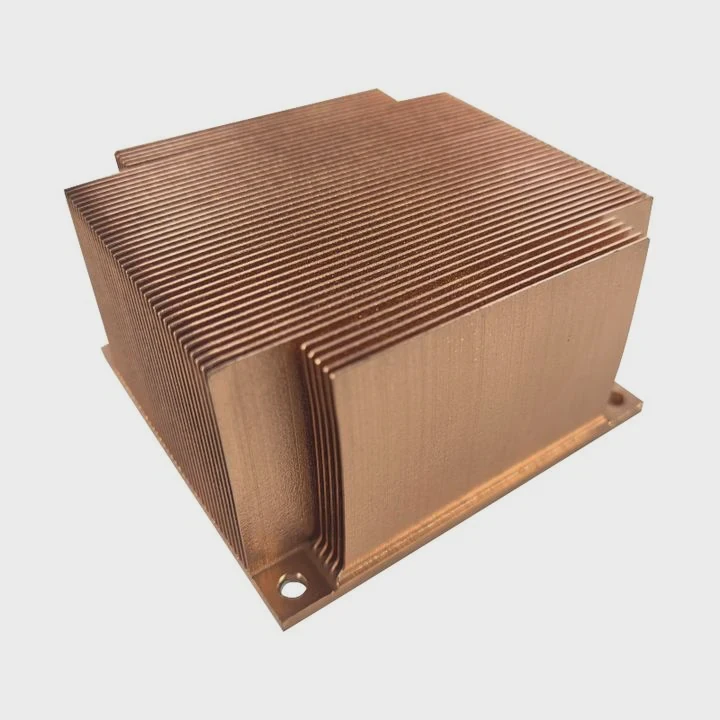
When your GPU runs hot, your system slows down, fans get noisy, and gaming becomes frustrating. Overheating also shortens the life of your expensive graphics card.
GPU liquid cooling uses a closed-loop or custom water system to replace air cooling, keeping the GPU temperature lower and performance stable.
By adding a liquid cooling solution, you can reduce noise, improve efficiency, and extend the GPU lifespan. Let’s explore how it works, how to install it, and where GPU cooling design is heading.
What is GPU liquid cooling?
When air cooling is not enough, liquid cooling becomes the next step. Many modern GPUs reach over 300 watts of heat, which air fans alone cannot manage well.
GPU liquid cooling uses a water block, pump, and radiator to transfer heat from the GPU to the coolant, then to the air, much faster than traditional air cooling.
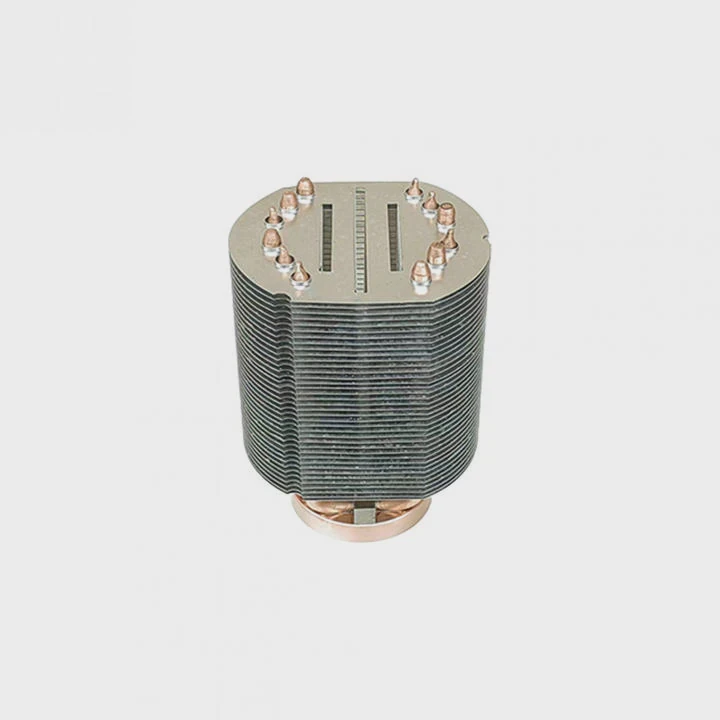
How GPU liquid cooling works
The basic setup includes four main parts:
| Component | Function |
|---|---|
| Water Block | Covers the GPU chip and absorbs heat. |
| Pump | Moves the coolant through the system. |
| Radiator | Transfers heat from coolant to air. |
| Coolant Tubes | Connect the components and allow fluid flow. |
Water absorbs heat more efficiently than air. When the coolant passes through the GPU block, it quickly captures the heat and moves it toward the radiator. Fans on the radiator then push air through to release the heat. This process maintains a stable temperature, even during heavy gaming or rendering.
Different types of GPU liquid cooling
There are two main systems:
- AIO (All-In-One): Easier to install, pre-filled, and sealed.
- Custom Loop: Fully customizable, offering the best performance and flexibility but requires more skill.
I personally started with an AIO GPU cooler for simplicity. Later, I built a custom loop for better performance and aesthetics, adding RGB fittings and larger radiators. Both setups worked great, but the custom loop gave me the best thermals.
What are its performance benefits?
High-end GPUs generate extreme heat. Once the temperature rises, the GPU automatically slows down to protect itself. This process is called thermal throttling.
Liquid cooling allows the GPU to maintain lower temperatures, preventing throttling and enabling stable high performance for longer periods.

Key performance advantages
| Benefit | Description |
|---|---|
| Lower Temperature | Reduces GPU temperature by 15–30°C compared to air cooling. |
| Less Noise | Fans spin slower since liquid cooling is more efficient. |
| More Overclocking Headroom | Stable temps allow safe frequency boosts. |
| Longer Lifespan | Cooler components degrade slower. |
Real-world impact
In my own testing, replacing the stock air cooler with a 240mm AIO liquid cooler dropped my RTX 4090’s load temperature from 83°C to 55°C. The fan noise almost disappeared, and I could overclock the GPU by another 200 MHz without instability. The smooth performance in long gaming sessions was a game-changer.
Liquid cooling also helps other components. Because the GPU stays cooler, the overall case temperature drops, improving CPU and VRM efficiency as well.
How to install it step-by-step?
Installing a liquid cooling system on your GPU requires patience and precision. Each step matters, and missing one detail could cause leaks or damage.
To install GPU liquid cooling, remove the old air cooler, attach the water block, connect the pump and radiator, then test for leaks before powering on.
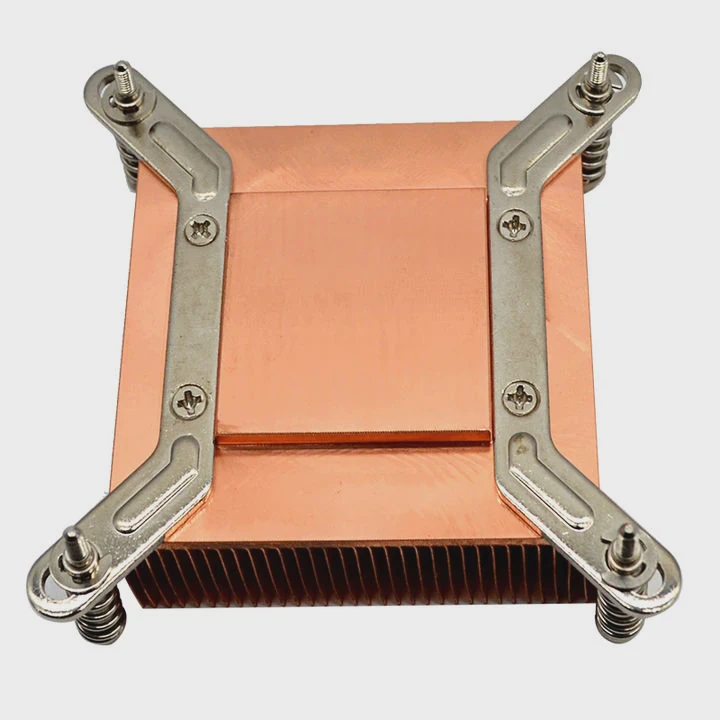
Step-by-step process
Prepare the workspace
Clean your desk, ensure good lighting, and ground yourself to avoid static electricity.Disassemble the GPU
Remove the backplate and original fan cooler carefully. Keep the screws organized since you will need them later.Clean the GPU die
Use isopropyl alcohol to remove old thermal paste completely.Apply new thermal paste
A small pea-sized amount on the GPU chip is enough.Mount the water block
Align it correctly with the GPU die and memory chips, then tighten screws evenly.Install pump and radiator
Attach the radiator inside your PC case. Make sure the airflow direction helps push hot air out.Connect the tubing
Route the tubes cleanly without sharp bends. Secure them with fittings.Fill and bleed the system (custom loop)
Add coolant slowly. Turn on the pump only (not the GPU power) to circulate and remove air bubbles.Test for leaks
Run the system for several hours to ensure everything is sealed before turning on the PC fully.
Safety tips
- Always check compatibility between the GPU model and the water block.
- Avoid mixing metals like aluminum and copper to prevent corrosion.
- Use non-conductive coolant for added safety.
Installing my first GPU loop took nearly half a day, but the results were worth it. The performance, silence, and sleek look made it one of the most satisfying upgrades I’ve done.
What are the trends in GPU cooling design?
GPU power is rising each generation, making thermal management a major focus for manufacturers.
Modern GPU cooling design trends move toward hybrid cooling, compact water blocks, AI-based fan control, and eco-friendly coolant materials.
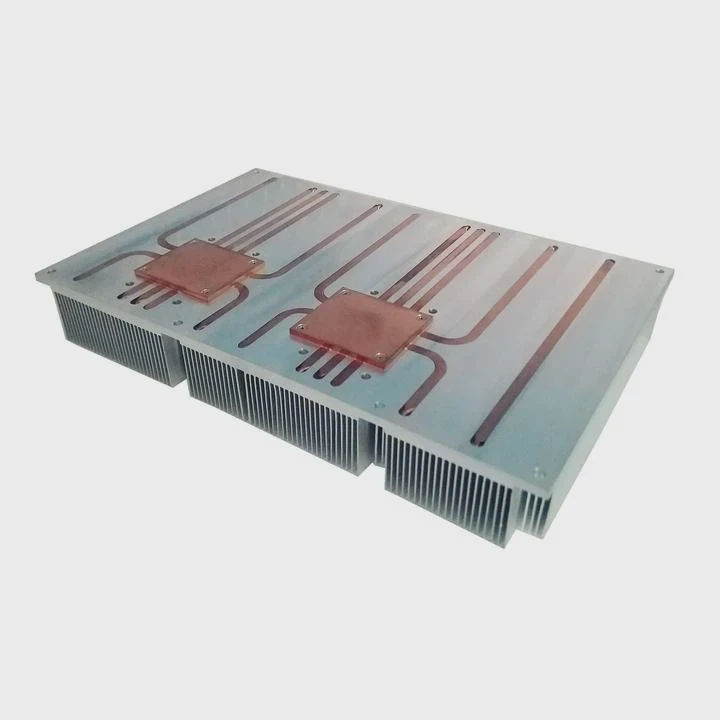
Trend 1: Hybrid and modular cooling
Manufacturers are combining air and liquid systems into one. Hybrid GPUs come pre-installed with a small liquid loop for the GPU die and traditional fans for VRAM and VRMs. This approach offers the best of both worlds — easy setup and strong cooling.
Trend 2: Compact and aesthetic design
Many users want both performance and style. Newer blocks use slimmer radiators, ARGB lighting, and clean tubing routes. Clear acrylic tops showcase the coolant flow for visual appeal.
Trend 3: Smart control systems
AI and software control are now part of thermal management. Intelligent fan curves, temperature prediction, and real-time monitoring allow users to optimize cooling automatically without manual tuning.
Trend 4: Eco-friendly materials and sustainable coolant
Manufacturers are shifting to biodegradable coolants and recyclable materials. Aluminum alloys and lead-free solders reduce environmental impact while maintaining performance.
Trend 5: Industry adaptation
Even data centers and professional GPUs are using liquid cooling now. It’s not just for gamers. As chips get denser, liquid cooling becomes essential for performance stability across industries like AI computing, CAD rendering, and cloud gaming.
The future of GPU cooling
The next decade will likely bring integrated cooling modules — where GPU, CPU, and VRMs share one cooling loop. These unified designs will simplify installation and improve overall system thermodynamics.
Conclusion
GPU liquid cooling transforms performance, noise, and system longevity. It requires careful installation but delivers outstanding thermal results. As technology evolves, hybrid and intelligent cooling will soon become standard for both gamers and professionals.
TAGS
Latest Articles

Volume discount levels for heat sink orders?
Buyers often ask when heat sink prices start to drop with volume. Many worry they’re overpaying for small orders. This guide explains how B2B volume pricing works for thermal components. Heat sink
21 Dec,2025
Heat sink long-term supply contract options?
Many buyers want stable pricing and reliable delivery for heat sinks. But without a clear contract, risks grow over time. This article explores how to secure better long-term supply deals. Long-term
21 Dec,2025
Tooling cost for new heat sink profiles?
Many engineers struggle to understand why tooling for custom heat sinks costs so much. They worry about budgeting and production timelines. This article breaks down the cost drivers behind tooling.
21 Dec,2025
Heat sink custom sample process steps?
Sometimes, starting a custom heat sink project feels overwhelming—too many steps, too many unknowns, and too many risks. You want a sample, but not endless delays. The process for requesting and
20 Dec,2025
Standard B2B terms for heat sink payments?
When buyers and sellers in B2B heat sink markets talk about payment, many don’t fully understand what’s standard. This can lead to delayed orders, miscommunication, and even lost business
20 Dec,2025
Heat sink pricing factors for large orders?
Heat sinks are vital for many systems. When prices rise, projects stall and budgets break. This problem can hit teams hard without warning. Large order heat sink pricing depends on many factors. You
20 Dec,2025Related Articles
- What is better, air-cooled or liquid-cooled?
- Is air-cooled or liquid-cooled better?
- Is PS5 liquid cooled?
- How to cool liquid fast?
- When is liquid cooling necessary?
- What Is the Difference Between Liquid-Cooled and Air-Cooled?
- Is liquid cooling easy to install?
- How to cool a liquid quickly?
- How long does a liquid CPU cooler last?
- Is liquid cooler better?
- Is liquid cooling better than fans?
- Is liquid cooling expensive?
Author
Dr. Emily Chen
Chief AI Researcher
Leading expert in thermal dynamics and AI optimization with over 15 years of experience in data center efficiency research.
Categories
Latest Products
Recommend Categories
- Liquid cooling plate Manufacturer
- Industrial Heat Sink Manufacturer
- Standard Heat Sink Manufacturer
- Aluminum Heat Sink Manufacturer
- Copper Heat Sink Manufacturer
- Anodized Heatsink Manufacturer
- Stamping heat sink Manufacturer
- Die Casting Heatsink Manufacturer
- Soldering heat sink Manufacturer
- CNC Parts Manufacturer
Latest Products
- Wholesale Aluminum Radiator
- Water Cooling Plate Kit
- Water Cooling Heat Sink
- Water Cooling Heat Sink Kit
- Stainless Steel Water Distributor
- Server Water Cooling Plate Kit
- Server Liquid Cooling System
- Server Aluminum Cooling Kit
- S19 Full Cover Cooling Plate
- S19 Cooling Plate Kit
- S19 Aluminum Cooling Plate
Contact Expert
Have questions about this article? Reach out to our experts directly.