How to cool hot liquid fast?
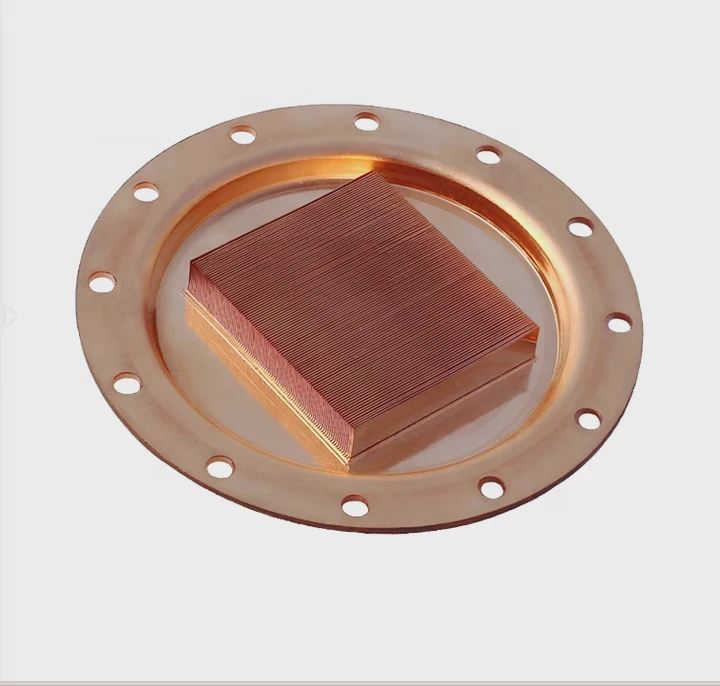
When you need to cool a hot liquid quickly, every second counts. Whether it’s for science, cooking, or engineering, the challenge is always the same: remove heat efficiently.
To cool a hot liquid fast, increase surface area, improve heat transfer with conduction or convection, and use materials or methods that pull heat away rapidly.
Understanding the physics behind it helps you choose the best approach — from ice baths to advanced heat exchangers.
What is the science behind liquid cooling?
Cooling a liquid is about moving thermal energy from the hot fluid to a cooler environment. The faster this energy transfer happens, the faster the liquid cools.
Liquid cooling works by transferring heat through conduction, convection, and radiation — the three main mechanisms of thermal energy movement.
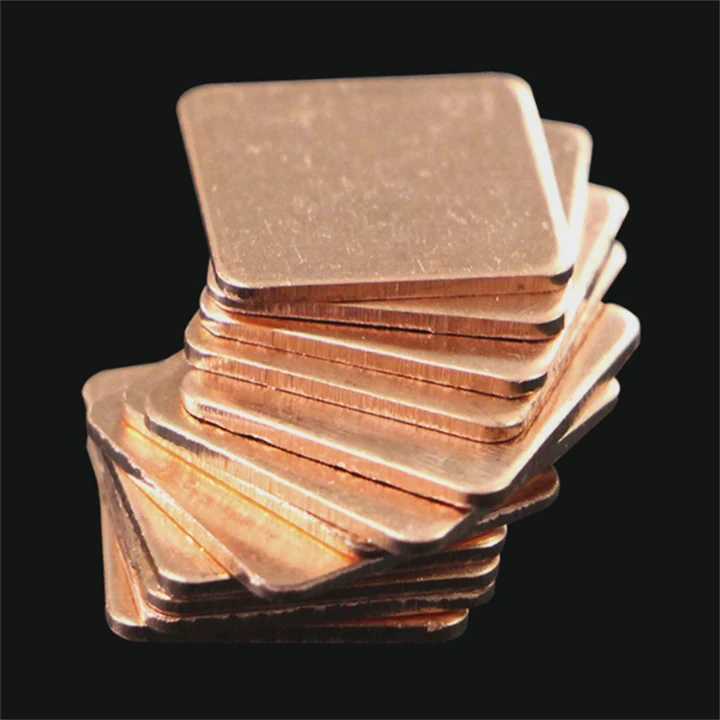
1. Conduction
This occurs when heat moves through direct contact between molecules. For example, when hot coffee is poured into a metal cup, the cup quickly heats up because metal conducts heat well.
2. Convection
This involves fluid motion. Hot liquid rises while cooler liquid sinks, creating circulation that helps spread and release heat faster. Stirring accelerates this process.
3. Radiation
Even without contact, hot liquids lose energy through infrared radiation, though this is slower compared to conduction or convection.
Key Factors Affecting Cooling Speed
| Factor | Description | Effect on Cooling |
|---|---|---|
| Temperature Difference | Gap between hot liquid and environment | Greater gap = faster cooling |
| Surface Area | More exposed liquid = more heat loss | Increases cooling speed |
| Air Flow | Moving air removes heat faster | Boosts convection |
| Material Conductivity | Metal vs. plastic containers | Higher conductivity cools faster |
| Agitation | Stirring or movement | Prevents hot spots |
In short, cooling efficiency depends on how fast heat can leave the liquid and where it can go.
What methods cool liquids quickly?
There are several proven ways to cool hot liquids — from simple home methods to advanced industrial systems.
To cool liquids fast, use ice baths, metal containers, evaporative methods, or heat exchangers that maximize heat transfer.
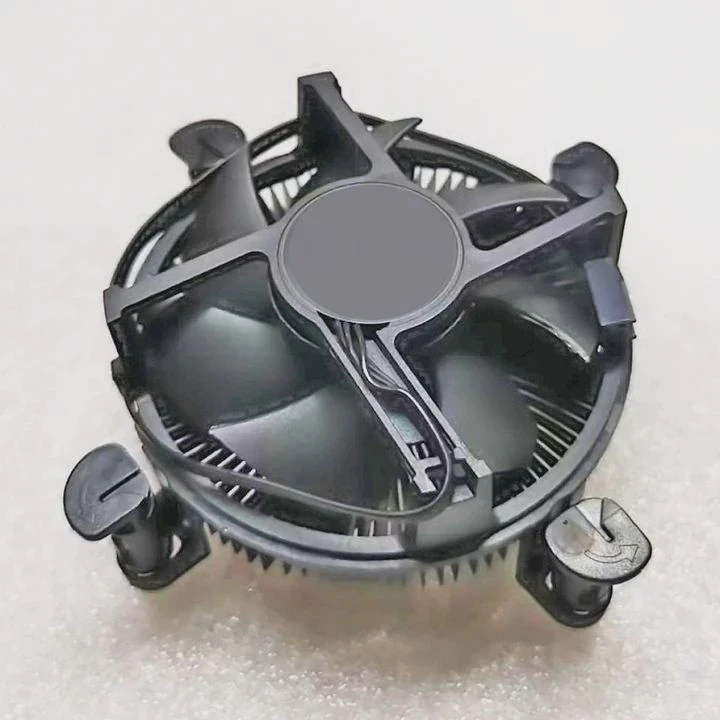
1. Ice Bath
Placing the container in an ice-water bath is one of the fastest and safest methods. The cold water surrounds the container, increasing conductive surface contact.
2. Stirring and Agitation
Stirring constantly moves hot liquid from the center to the surface, preventing heat buildup and speeding up convection.
3. Divide and Spread
Pour the liquid into smaller containers or shallow trays. A thinner layer of liquid cools much faster due to increased surface area.
4. Use Metal Containers
Metals like aluminum or copper conduct heat quickly, helping hot liquids release heat more efficiently than glass or plastic.
5. Add Ice Directly
Adding ice cubes directly to the liquid absorbs heat through melting. This works well for water-based liquids, but it dilutes the content.
6. Forced Air Cooling
Blowing cool air or using fans accelerates evaporation and surface heat loss, especially for large batches.
7. Heat Exchangers (Industrial Use)
In manufacturing or engineering, plate or tube heat exchangers rapidly cool liquids using circulating cold fluids through metal walls.
Cooling Method Comparison
| Method | Speed | Dilution Risk | Application |
|---|---|---|---|
| Ice Bath | Fast | None | Cooking, labs |
| Stirring | Medium | None | Everyday use |
| Spreading | Very Fast | None | Food, chemicals |
| Direct Ice | Very Fast | High | Beverages |
| Forced Air | Moderate | None | Engineering |
| Heat Exchanger | Extremely Fast | None | Industrial systems |
Each technique has trade-offs, but combining methods—like stirring a container in an ice bath—can deliver the fastest results.
How to safely speed up liquid cooling?
Speeding up cooling can be effective, but safety must come first. Rapid temperature changes can cause splashing, cracking, or contamination.
To cool liquids safely, use temperature-resistant containers, avoid thermal shock, and maintain controlled cooling rates to prevent hazards.
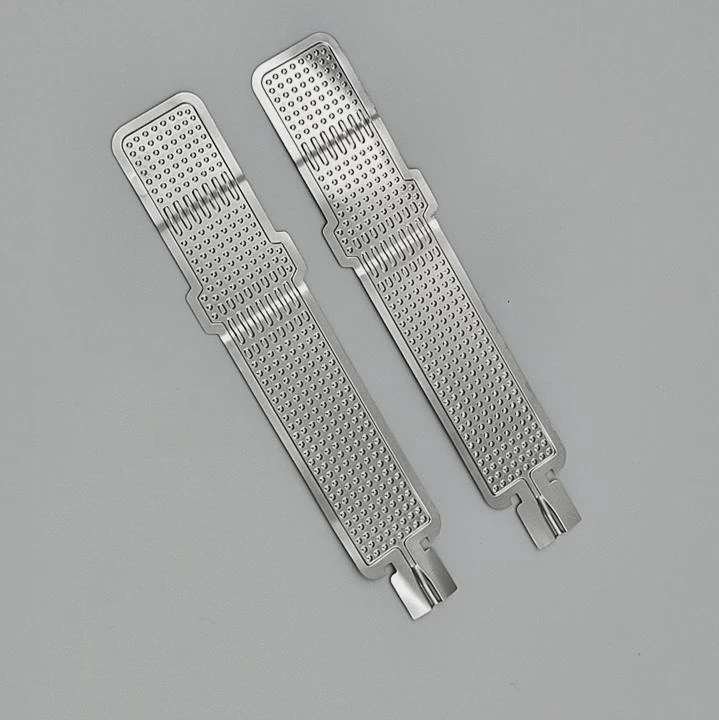
Safety Guidelines
Avoid Thermal Shock
Never pour boiling liquid into a glass bowl placed on ice—it can crack. Use metal or heat-resistant materials instead.Use Gradual Temperature Steps
When possible, transition from hot to warm to cool environments rather than jumping directly to ice-cold surfaces.Prevent Contamination
If adding ice or water, ensure it’s clean and compatible with the liquid being cooled.Protect from Spills
Rapid cooling may cause boiling or bubbling; leave extra space in containers for expansion.Vent Steam Safely
When cooling large amounts of hot liquid, allow steam to escape to avoid pressure buildup.Monitor Temperature
Use a thermometer to track the cooling curve and prevent overcooling in sensitive applications.
Practical Example
In laboratories, technicians often use double-jacketed containers with circulating chilled water to cool liquids uniformly. In cooking, chefs use ice baths and gentle stirring to chill sauces quickly without curdling.
Safe Cooling Setup
| Equipment | Function | Benefit |
|---|---|---|
| Metal Bowl | Conducts heat away fast | Durable and stable |
| Ice-Water Bath | Absorbs heat from outer wall | Fast and even cooling |
| Thermometer | Tracks temperature | Prevents overcooling |
| Stirrer | Increases convection | Even cooling |
With safety measures in place, you can cool even large volumes quickly without damaging materials or containers.
What are the innovations in thermal transfer?
Modern technology continues to push the limits of cooling efficiency. From nanofluids to phase-change materials, new methods are redefining how heat moves.
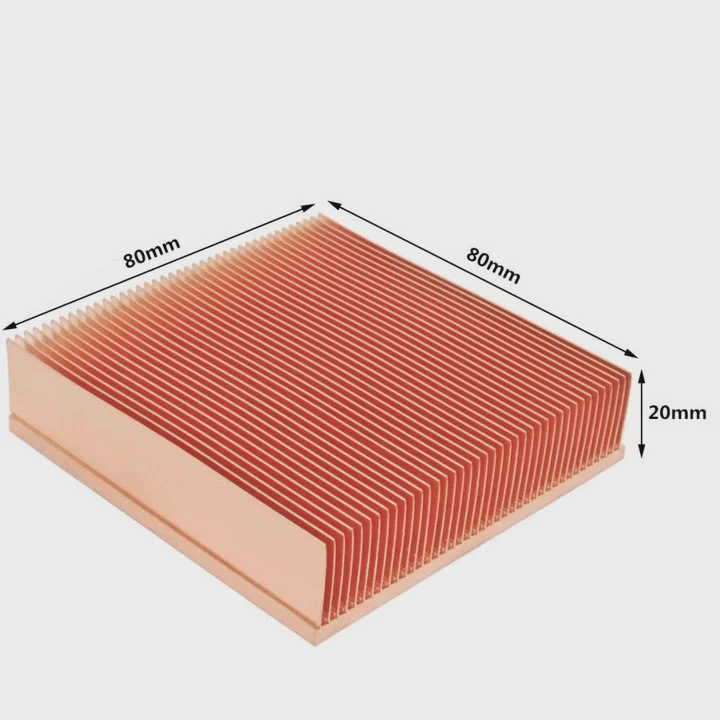
Recent innovations in thermal transfer include nanofluid coolants, phase-change systems, microchannel heat exchangers, and smart adaptive cooling technologies.
1. Nanofluids
These are liquids enhanced with nanoparticles like aluminum oxide or copper. They conduct heat better than traditional coolants, offering faster cooling and lower energy use.
2. Phase-Change Cooling
Phase-change materials (PCMs) absorb heat as they transition from solid to liquid, making them ideal for applications needing consistent temperature control.
3. Microchannel Heat Exchangers
Used in electronics and aerospace, these feature tiny channels that increase surface area, enabling extremely fast heat transfer in compact designs.
4. Smart Thermal Systems
AI-controlled systems adjust cooling in real time based on sensor data, optimizing flow rates and fan speeds for efficiency and stability.
5. Advanced Materials
Graphene and carbon-based composites are being explored for their high thermal conductivity and flexibility in next-generation cooling designs.
Innovation Comparison
| Technology | Type | Application | Key Advantage |
|---|---|---|---|
| Nanofluids | Enhanced liquid | Industrial cooling | High conductivity |
| Phase-Change | Material system | Energy storage | Constant temperature control |
| Microchannel Exchanger | Mechanical | Electronics, EVs | Compact & efficient |
| Smart Cooling | AI-driven | PCs, data centers | Automatic optimization |
| Graphene Material | Structural | Aerospace, semiconductors | Extreme heat conductivity |
The Future of Cooling
In the near future, cooling systems will combine AI control, sustainable materials, and micro-scale design to manage heat in ways that are both efficient and eco-friendly. From household appliances to supercomputers, the science of cooling continues to evolve faster than ever.
Conclusion
Cooling hot liquids quickly is all about understanding and managing heat transfer. By using conduction, convection, and advanced materials, you can remove heat safely and efficiently. With innovations like nanofluids and smart cooling systems, the future of liquid cooling promises to be faster, smarter, and more sustainable.
TAGS
Latest Articles

Volume discount levels for heat sink orders?
Buyers often ask when heat sink prices start to drop with volume. Many worry they’re overpaying for small orders. This guide explains how B2B volume pricing works for thermal components. Heat sink
21 Dec,2025
Heat sink long-term supply contract options?
Many buyers want stable pricing and reliable delivery for heat sinks. But without a clear contract, risks grow over time. This article explores how to secure better long-term supply deals. Long-term
21 Dec,2025
Tooling cost for new heat sink profiles?
Many engineers struggle to understand why tooling for custom heat sinks costs so much. They worry about budgeting and production timelines. This article breaks down the cost drivers behind tooling.
21 Dec,2025
Heat sink custom sample process steps?
Sometimes, starting a custom heat sink project feels overwhelming—too many steps, too many unknowns, and too many risks. You want a sample, but not endless delays. The process for requesting and
20 Dec,2025
Standard B2B terms for heat sink payments?
When buyers and sellers in B2B heat sink markets talk about payment, many don’t fully understand what’s standard. This can lead to delayed orders, miscommunication, and even lost business
20 Dec,2025
Heat sink pricing factors for large orders?
Heat sinks are vital for many systems. When prices rise, projects stall and budgets break. This problem can hit teams hard without warning. Large order heat sink pricing depends on many factors. You
20 Dec,2025Related Articles
- How does liquid cooling work in computers?
- Is it hard to install liquid cooling?
- How to install liquid cooling on GPU?
- How to refill liquid cooling?
- Why use liquid cooling?
- Is the PS5 liquid cooled?
- Why is my liquid cooling so hot?
- What liquid is used for liquid cooling?
- What is AIO liquid cooling?
- How to know if liquid cooler is working?
- How to set up a liquid CPU cooler?
- How to set up liquid cooling?
Author
Dr. Emily Chen
Chief AI Researcher
Leading expert in thermal dynamics and AI optimization with over 15 years of experience in data center efficiency research.
Categories
Latest Products






Recommend Categories
- Liquid cooling plate Manufacturer
- Industrial Heat Sink Manufacturer
- Standard Heat Sink Manufacturer
- Aluminum Heat Sink Manufacturer
- Copper Heat Sink Manufacturer
- Anodized Heatsink Manufacturer
- Stamping heat sink Manufacturer
- Die Casting Heatsink Manufacturer
- Soldering heat sink Manufacturer
- CNC Parts Manufacturer
Latest Products
- Wholesale Aluminum Radiator
- Water Cooling Plate Kit
- Water Cooling Heat Sink
- Water Cooling Heat Sink Kit
- Stainless Steel Water Distributor
- Server Water Cooling Plate Kit
- Server Liquid Cooling System
- Server Aluminum Cooling Kit
- S19 Full Cover Cooling Plate
- S19 Cooling Plate Kit
- S19 Aluminum Cooling Plate
Contact Expert
Have questions about this article? Reach out to our experts directly.