What liquid is used in water cooling?
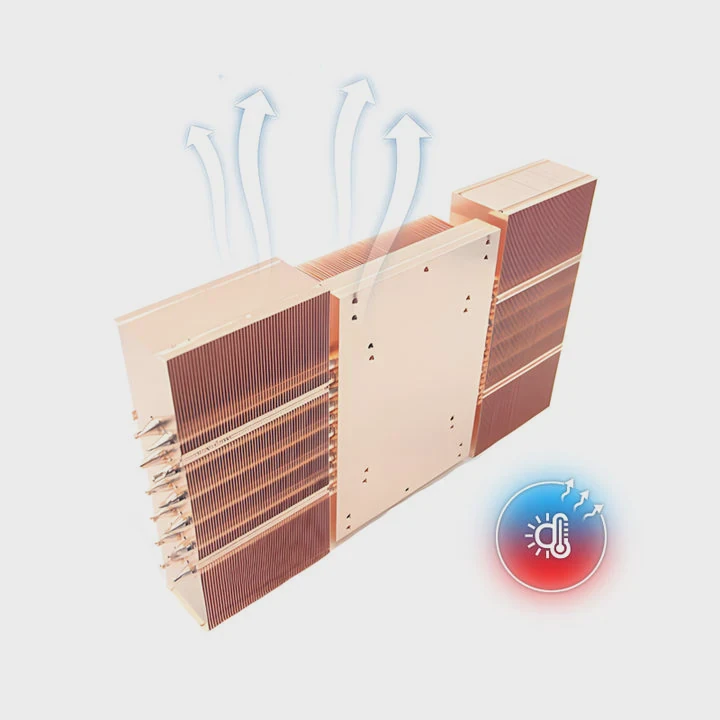
When we think about cooling powerful electronics, water cooling seems magical. But behind this smooth system lies one key question — what liquid actually flows inside these tubes and keeps devices cool?
Water cooling systems use different kinds of coolants, such as distilled water, premixed coolants, and special engineered fluids, each offering unique thermal and chemical properties.
Choosing the right liquid is critical because it determines cooling efficiency, corrosion resistance, and long-term system reliability.
What types of coolants are used?
Every liquid cooling system depends on a fluid that transfers heat efficiently while protecting components. But not all coolants are the same, and each type offers unique strengths and weaknesses.
The most common coolants include distilled water, premixed coolant solutions, glycol-based mixtures, and specialized engineered fluids. Each type balances heat transfer performance, safety, and maintenance differently.
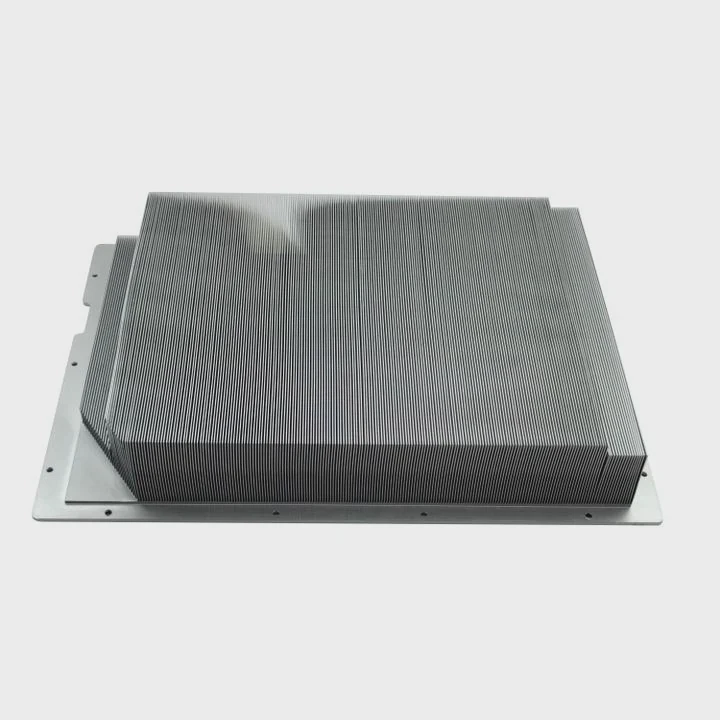
Distilled Water
Distilled water is the most popular base fluid because of its high heat capacity and low electrical conductivity (when pure). It is inexpensive and easy to find. However, it requires biocides or corrosion inhibitors to prevent algae and metal damage over time.
Premixed Coolants
Premixed coolants are ready-to-use solutions that already include distilled water, corrosion inhibitors, and biocides. They are convenient and safe for most users who want a plug-and-play experience. However, they are more expensive and might have slightly lower thermal performance.
Glycol-Based Mixtures
Many coolants mix distilled water with propylene glycol or ethylene glycol, similar to car antifreeze. These mixtures prevent freezing, reduce corrosion, and increase boiling points, making them suitable for harsh environments or industrial systems.
Specialized Engineered Fluids
Some high-end systems use dielectric coolants or nanofluids. These are non-conductive, stable under high temperatures, and sometimes include nanoparticles to enhance thermal conductivity. However, they are costly and often used in mission-critical applications.
| Type of Coolant | Key Advantage | Main Risk | Common Use |
|---|---|---|---|
| Distilled Water | Best heat transfer | Corrosion & microbial growth | DIY PC cooling |
| Premixed Coolant | Convenience & safety | Slightly lower performance | Consumer & OEM loops |
| Glycol Mixture | Anti-freeze protection | Higher viscosity | Industrial & outdoor systems |
| Engineered Fluids | Non-conductive, durable | Expensive | Data centers, aerospace |
What are their benefits and risks?
Selecting a coolant is a trade-off between performance, safety, and lifespan. Each option brings benefits but also certain hazards that can affect system stability and maintenance.
Coolants differ in heat conductivity, chemical stability, and biological resistance, so their benefits and risks depend on how the system operates and what materials it includes.
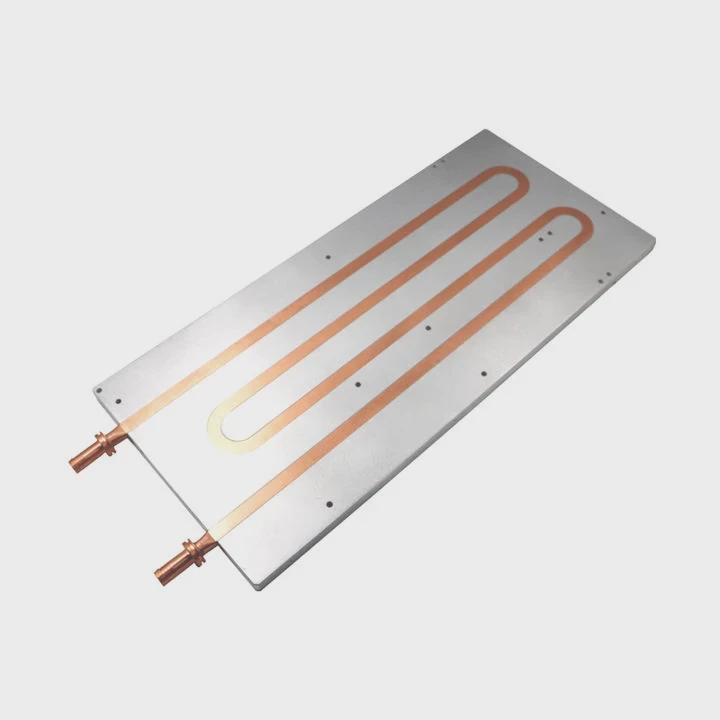
Benefits of Common Coolants
- High Thermal Conductivity: Liquids like distilled water and glycol mixtures can carry away large amounts of heat, keeping processors and chips cool under load.
- Corrosion Protection: Additives in premixed coolants help protect metals such as copper, aluminum, or nickel from oxidation.
- Freezing and Boiling Resistance: Glycol and engineered fluids maintain stability under extreme temperatures, preventing damage from thermal cycling.
- Ease of Use: Premixed and branded coolants simplify setup and reduce the risk of contamination.
Risks of Coolants
- Corrosion: Without inhibitors, water reacts with metal surfaces, forming oxides that reduce heat flow and cause leaks.
- Microbial Growth: Warm, stagnant water can develop algae or bacteria, clogging microchannels and pumps.
- Electrical Conductivity: Even small impurities in water can make it conductive, posing a risk of short circuits if a leak occurs.
- Viscosity Changes: Some coolants thicken over time, increasing pump load and lowering flow rate.
Practical Safety Tips
- Replace coolant every 6–12 months for consistent performance.
- Always flush the loop before switching coolant types.
- Use non-reactive metals (e.g., copper + nickel) to minimize galvanic corrosion.
- Avoid mixing brands or formulas without checking compatibility.
| Risk Factor | Cause | Prevention |
|---|---|---|
| Corrosion | Dissimilar metals or poor inhibitors | Use anti-corrosion additives |
| Algae Growth | Sunlight and heat | Add biocides and UV protection |
| Conductivity | Mineral contamination | Use distilled or deionized water |
| Flow Resistance | Thick or aged coolant | Regular maintenance and flush |
How to choose the best liquid for your loop?
Selecting the right coolant depends on system design, environment, and personal priorities. There is no universal solution, but a logical process helps you find the most balanced choice.
Choose a coolant based on thermal performance, system materials, maintenance habits, and desired appearance. Balance efficiency with safety and ease of care.
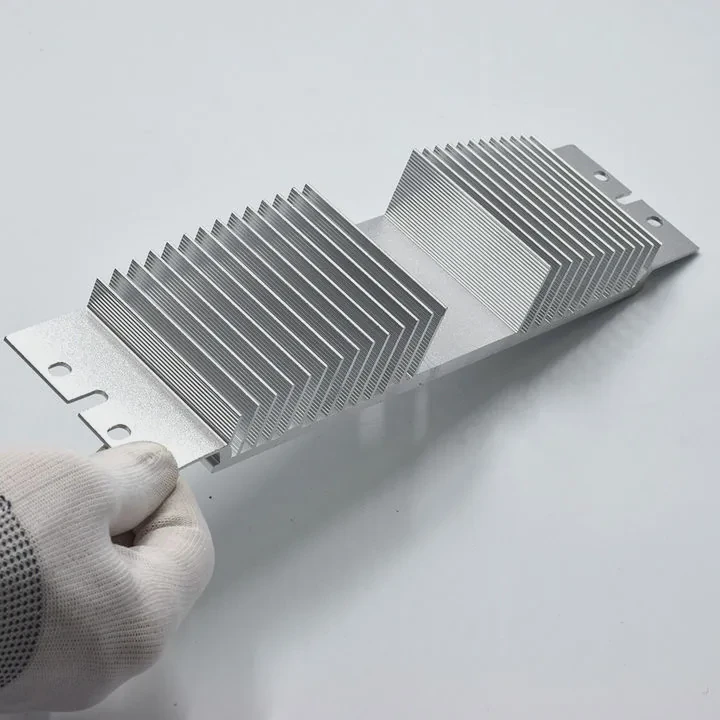
Step 1: Consider Your System Materials
If your cooling loop includes aluminum and copper parts, corrosion inhibitors become essential. In this case, premixed coolant with anti-corrosive additives is a smart choice. If your system uses only copper or nickel-plated components, distilled water with added biocide works well.
Step 2: Assess Environmental Conditions
If you live in a cold climate, glycol-based mixtures help prevent freezing. For warm regions or indoor use, distilled water or clear premix coolants provide better performance.
Step 3: Evaluate Maintenance Commitment
Do you prefer low maintenance? Go for a sealed or premixed coolant that lasts longer. DIY users who enjoy system cleaning and tweaking may prefer pure distilled water with manual additives.
Step 4: Look at Aesthetic Factors
Many enthusiasts like colored or UV-reactive coolants for their looks. These are safe but may leave stains or residue over time. If appearance is not a priority, clear coolants keep the loop cleaner.
Step 5: Think About Longevity
The best coolant maintains stability for months without changing color, forming particles, or corroding. Always check manufacturer data sheets for recommended replacement intervals.
Example Recommendation Guide
| Use Case | Best Coolant Type | Reason |
|---|---|---|
| Gaming PC | Premixed Coolant | Easy setup, reliable additives |
| Industrial Cooling | Glycol Mixture | Thermal stability, anti-freeze |
| Aerospace or Semiconductor | Engineered Fluid | Non-conductive, high durability |
| Budget DIY System | Distilled Water + Additives | Cost-effective and efficient |
Additional Tips
- Use nylon or EPDM tubing to reduce chemical reaction risks.
- Avoid mixing different metal fittings.
- Check coolant color and clarity monthly; cloudy liquid signals contamination.
- Keep a spare liter for topping up evaporated fluid.
By aligning technical needs and personal maintenance preferences, the ideal coolant can keep your loop efficient and long-lasting.
What are the chemical improvements in coolants?
Coolant technology has advanced rapidly in recent years. Early systems relied purely on water, but now formulations include precise chemical additives that enhance stability, prevent biological growth, and protect every metal surface.
Modern coolants use improved anti-corrosion inhibitors, biocides, and nanoparticles to enhance heat transfer, chemical stability, and system longevity.
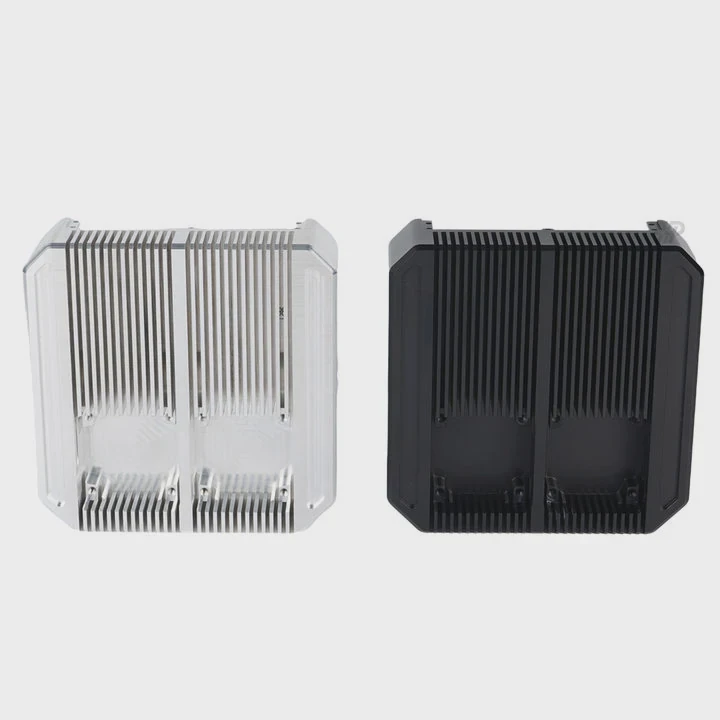
1. Anti-Corrosion Additives
Chemists now blend multiple inhibitors that form micro-thin films on metal surfaces, preventing oxidation without reducing heat transfer. These films react selectively, protecting copper, nickel, and aluminum equally well. Phosphate-free formulas are common to reduce residue buildup.
2. Biocides and Anti-Fouling Agents
New organic biocides resist both algae and bacteria for longer durations. Some use silver-ion technology that naturally kills microorganisms without altering fluid properties. These additives extend the coolant’s lifespan up to 24 months.
3. Nanoparticle-Enhanced Liquids
Researchers have introduced nanoparticles like aluminum oxide or carbon nanotubes into base fluids. These particles increase thermal conductivity up to 30%, though they must remain stable and evenly suspended. This innovation is mostly used in high-end or industrial cooling loops.
4. Improved Glycol Blends
Modern glycol coolants use balanced mixtures of propylene glycol and corrosion inhibitors. These blends reduce viscosity at low temperatures and maintain consistent flow. Some manufacturers add surfactants to lower surface tension, improving microchannel wetting.
5. Non-Conductive Fluids
Advanced synthetic fluids are completely dielectric, meaning they cannot conduct electricity. This makes them ideal for submersion cooling in data centers. They are chemically inert and evaporate slowly, ensuring long-term reliability without residue.
6. Environmental Advances
Coolant formulations now focus on sustainability. Many brands use biodegradable or non-toxic chemicals, reducing harm to the environment during disposal. This aligns with stricter global regulations and eco-friendly production standards.
Table: Key Chemical Innovations
| Innovation | Main Function | Performance Impact |
|---|---|---|
| Hybrid Corrosion Inhibitors | Protects mixed metals | + Durability |
| Silver-Ion Biocide | Prevents microbial growth | + Cleanliness |
| Nanoparticle Additives | Enhances heat transfer | + Efficiency |
| Low-Viscosity Glycol | Improves flow at low temp | + Stability |
| Dielectric Base Fluids | Prevents short circuits | + Safety |
7. Real-World Effect
I have tested several new-generation coolants on prototype thermal modules. The difference was clear: longer life, no visible corrosion, and lower noise from pumps due to smoother flow. The additives not only preserved system health but also made maintenance intervals much longer. It feels like the industry is moving toward smarter chemistry that makes cooling safer and more predictable.
Conclusion
Coolants are more than just water — they are the heart of every liquid cooling system. By understanding their composition, benefits, and chemistry, you can choose a liquid that ensures both performance and durability. Whether it’s distilled water for simplicity or engineered fluids for safety, the right choice keeps your system cool and reliable for years.
TAGS
Latest Articles

Volume discount levels for heat sink orders?
Buyers often ask when heat sink prices start to drop with volume. Many worry they’re overpaying for small orders. This guide explains how B2B volume pricing works for thermal components. Heat sink
21 Dec,2025
Heat sink long-term supply contract options?
Many buyers want stable pricing and reliable delivery for heat sinks. But without a clear contract, risks grow over time. This article explores how to secure better long-term supply deals. Long-term
21 Dec,2025
Tooling cost for new heat sink profiles?
Many engineers struggle to understand why tooling for custom heat sinks costs so much. They worry about budgeting and production timelines. This article breaks down the cost drivers behind tooling.
21 Dec,2025
Heat sink custom sample process steps?
Sometimes, starting a custom heat sink project feels overwhelming—too many steps, too many unknowns, and too many risks. You want a sample, but not endless delays. The process for requesting and
20 Dec,2025
Standard B2B terms for heat sink payments?
When buyers and sellers in B2B heat sink markets talk about payment, many don’t fully understand what’s standard. This can lead to delayed orders, miscommunication, and even lost business
20 Dec,2025
Heat sink pricing factors for large orders?
Heat sinks are vital for many systems. When prices rise, projects stall and budgets break. This problem can hit teams hard without warning. Large order heat sink pricing depends on many factors. You
20 Dec,2025Related Articles
- How to do liquid cooling?
- Is liquid cooling quiet?
- Does Ryzen 7 7700X Need Liquid Cooling?
- Is liquid cooling hard to install?
- Does Ryzen 9 5950X need liquid cooling?
- Which PowerEdge server supports direct liquid cooling?
- Is liquid or fan cooling better?
- Is liquid cooling safe?
- How to check if my liquid cooling is working?
- How to replace liquid cooling?
- Which is better, oil-cooled or liquid-cooled engine?
- Is liquid cooling quieter than fans?
Author
Dr. Emily Chen
Chief AI Researcher
Leading expert in thermal dynamics and AI optimization with over 15 years of experience in data center efficiency research.
Categories
Latest Products






Recommend Categories
- Liquid cooling plate Manufacturer
- Industrial Heat Sink Manufacturer
- Standard Heat Sink Manufacturer
- Aluminum Heat Sink Manufacturer
- Copper Heat Sink Manufacturer
- Anodized Heatsink Manufacturer
- Stamping heat sink Manufacturer
- Die Casting Heatsink Manufacturer
- Soldering heat sink Manufacturer
- CNC Parts Manufacturer
Latest Products
- Wholesale Aluminum Radiator
- Water Cooling Plate Kit
- Water Cooling Heat Sink
- Water Cooling Heat Sink Kit
- Stainless Steel Water Distributor
- Server Water Cooling Plate Kit
- Server Liquid Cooling System
- Server Aluminum Cooling Kit
- S19 Full Cover Cooling Plate
- S19 Cooling Plate Kit
- S19 Aluminum Cooling Plate
Contact Expert
Have questions about this article? Reach out to our experts directly.