Which PowerEdge server supports direct liquid cooling?
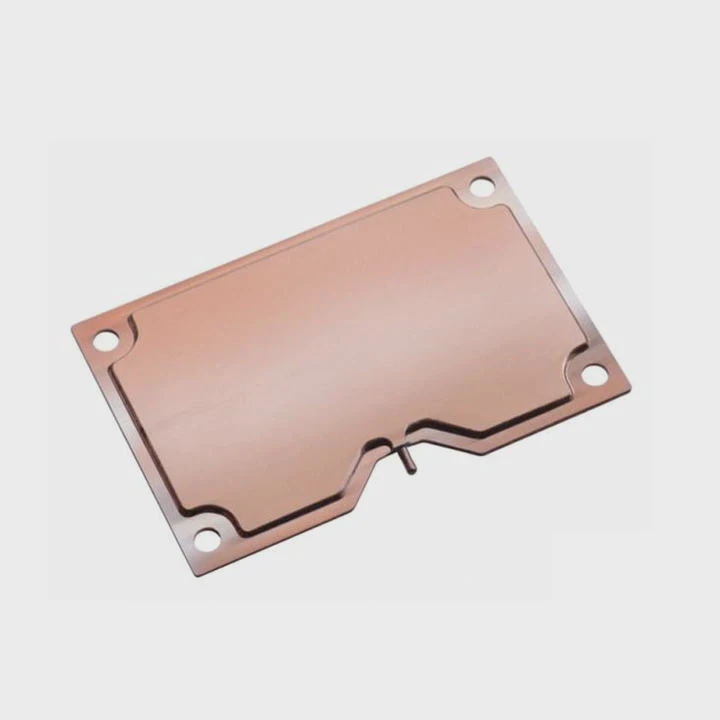
Many IT managers face the same problem: modern AI servers generate so much heat that air cooling can’t keep up.
Dell PowerEdge XE9640 and XE9680L servers support direct liquid cooling (DLC) for CPUs and GPUs, offering powerful, dense, and efficient thermal control.
This technology is now reshaping how enterprise data centers manage performance and energy efficiency.
What is direct liquid cooling in servers?
When servers become more powerful, the heat they produce exceeds the limits of traditional air cooling.
Direct liquid cooling (DLC) transfers heat from processors to a liquid coolant through cold plates, removing thermal energy more efficiently than air.
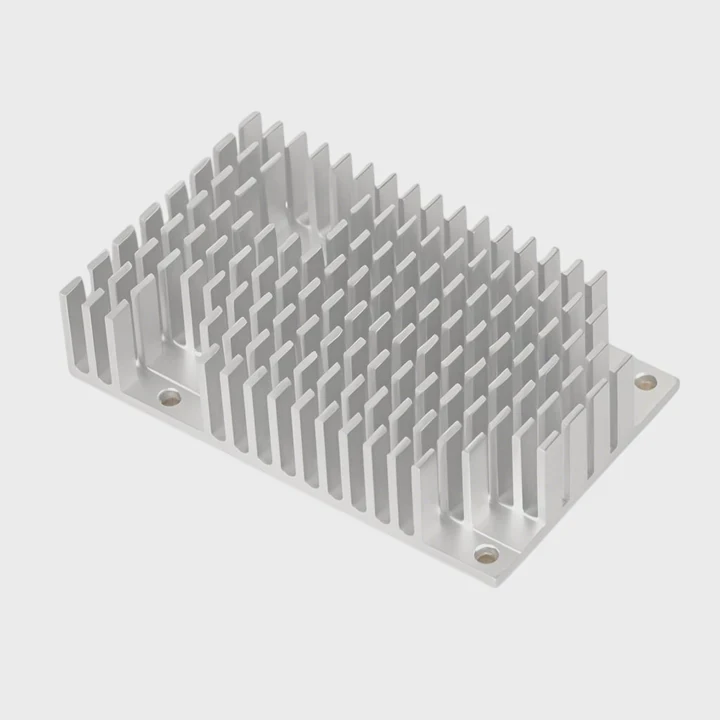
How direct liquid cooling works
| Component | Function | Cooling Role |
|---|---|---|
| Cold Plates | Mounted directly on CPUs/GPUs | Absorb heat from chips |
| Coolant Loop | Circulates fluid between servers and manifolds | Transfers heat |
| Coolant Distribution Unit (CDU) | Manages flow, pressure, and heat exchange | Keeps coolant at safe temperature |
| Rack Manifolds | Supply and return coolant lines | Connect servers to the cooling loop |
Inside a direct liquid-cooled server, the coolant flows through cold plates attached to CPUs or GPUs. These plates are engineered with microchannels to maximize contact area. As the coolant absorbs heat, it flows through hoses into a rack-level manifold and then into the CDU. The CDU transfers that heat to the facility water loop, maintaining a closed and safe circulation system.
Unlike air cooling, DLC doesn’t rely on large fans or ducts. It directly targets heat sources, reducing overall thermal resistance and enabling higher performance per rack. In Dell’s design, the system uses leak-detection sensors and quick-disconnect couplings to simplify maintenance and protect the hardware.
What are its advantages?
Every watt of power used in a data center creates heat that must be removed efficiently.
The advantages of direct liquid cooling include higher cooling capacity, lower power consumption, greater server density, and improved system reliability.
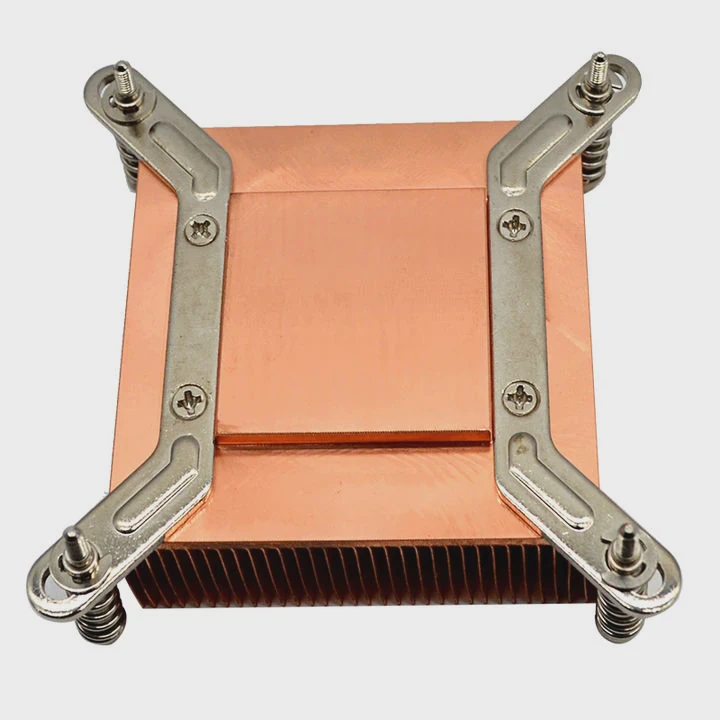
Key performance benefits
| Advantage | Description | Impact |
|---|---|---|
| Higher Cooling Efficiency | Coolant absorbs heat faster than air | Keeps CPUs/GPUs cooler under load |
| Higher Density | More servers per rack | Better space utilization |
| Lower Energy Use | Reduces fan load and air conditioning demand | Saves up to 50% cooling energy |
| Stable Temperature | Even heat distribution | Extends component life |
| Quiet Operation | Fewer fans needed | Lower noise levels in data centers |
Why it matters
In enterprise AI and HPC environments, processors can reach power levels above 700W each. Air cooling can no longer maintain safe operating temperatures at that density. Direct liquid cooling handles that easily because water-based fluids conduct heat far more efficiently.
Dell reports that systems like the PowerEdge XE9680L achieve up to 50% energy savings compared to air-cooled systems, while supporting higher GPU power limits. This allows data centers to run high-density workloads without expanding floor space or cooling infrastructure.
Another important advantage is sustainability. DLC allows the use of warmer water for cooling, which means less energy is needed for chillers, leading to lower carbon emissions.
How to deploy it in enterprise environments?
Deploying direct liquid cooling requires proper planning and infrastructure to ensure safe, efficient operation.
To deploy DLC, use servers designed for liquid cooling, install rack manifolds, connect them to a coolant distribution unit, and integrate leak detection and monitoring.
Enterprise deployment steps
| Step | Task | Description |
|---|---|---|
| 1 | Site Assessment | Evaluate power density, existing cooling capacity, and layout |
| 2 | Server Selection | Choose DLC-ready models like Dell PowerEdge XE9640 or XE9680L |
| 3 | Rack Preparation | Install manifolds for coolant supply and return |
| 4 | Coolant Loop Installation | Connect CDUs to facility chilled-water system |
| 5 | Leak Detection Setup | Add sensors and monitoring software (via iDRAC) |
| 6 | System Validation | Test for flow rate, pressure, and coolant temperature stability |
Practical insights
When I first participated in a DLC deployment, the main challenge was coordinating between IT and facility teams. The coolant loops had to be installed with precision, and the temperature of the facility water was raised to 32°C to maximize energy efficiency. After installation, the rack maintained GPU temperatures below 50°C under full load—something impossible with air cooling.
The key to success is integration. Dell’s system uses quick-release couplings for each node, allowing technicians to remove or replace servers without draining the entire system. This modular design makes maintenance safer and faster.
Monitoring is equally important. Modern PowerEdge servers use intelligent management tools to track coolant flow and temperature in real time, preventing failures and optimizing energy use automatically.
What are Dell’s innovations in server cooling?
Dell has been leading the shift toward liquid cooling by introducing both hardware and infrastructure-level innovations.
Dell’s innovations include hybrid cooling systems, leak detection technology, smart coolant monitoring, and integrated rack manifolds for large-scale deployments.
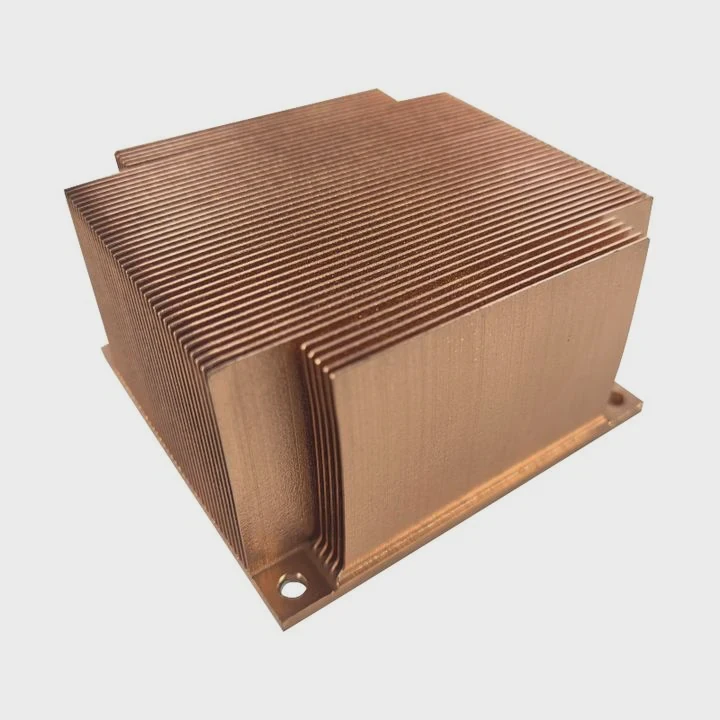
Dell’s key developments
| Innovation | Description | Benefit |
|---|---|---|
| Hybrid Cooling | Combines air and liquid systems for flexibility | Reduces cost and complexity |
| Leak Detection Sensors | Built into cold plates and hoses | Immediate fault response |
| Rack-Scale Manifolds | Pre-engineered for PowerEdge racks | Simplifies installation |
| Rear Door Heat Exchangers | Capture and reuse waste heat | Improves energy efficiency |
| Smart Control Systems | Real-time coolant flow monitoring via iDRAC | Ensures stable operation |
Deep dive into Dell’s technology
Dell’s PowerEdge XE9640 is designed with full DLC integration, where processors and accelerators are cooled directly by liquid, while memory and storage remain air-cooled. This hybrid design balances performance with practicality, reducing the need for external chillers.
The PowerEdge XE9680L takes this further by fully integrating CPU and GPU liquid loops with advanced leak detection. The system can handle extreme workloads, such as training large AI models, while reducing cooling power by up to half.
Dell also developed rack-door heat exchangers that capture nearly 100% of rack heat and recycle it into building heating systems. This approach transforms waste heat into usable energy, improving sustainability and lowering total operating costs.
Another breakthrough is smart liquid flow control. Using iDRAC and telemetry sensors, Dell servers can adjust coolant flow dynamically based on load and temperature, maintaining optimal performance without human intervention.
Conclusion
Dell PowerEdge XE9640 and XE9680L servers lead the way in direct liquid cooling technology. By circulating coolant directly through processors, they achieve unmatched efficiency, reliability, and performance density. With Dell’s innovations in hybrid cooling, leak protection, and smart monitoring, enterprises can now deploy high-power AI and HPC workloads with confidence and sustainability.
TAGS
Latest Articles

Volume discount levels for heat sink orders?
Buyers often ask when heat sink prices start to drop with volume. Many worry they’re overpaying for small orders. This guide explains how B2B volume pricing works for thermal components. Heat sink
21 Dec,2025
Heat sink long-term supply contract options?
Many buyers want stable pricing and reliable delivery for heat sinks. But without a clear contract, risks grow over time. This article explores how to secure better long-term supply deals. Long-term
21 Dec,2025
Tooling cost for new heat sink profiles?
Many engineers struggle to understand why tooling for custom heat sinks costs so much. They worry about budgeting and production timelines. This article breaks down the cost drivers behind tooling.
21 Dec,2025
Heat sink custom sample process steps?
Sometimes, starting a custom heat sink project feels overwhelming—too many steps, too many unknowns, and too many risks. You want a sample, but not endless delays. The process for requesting and
20 Dec,2025
Standard B2B terms for heat sink payments?
When buyers and sellers in B2B heat sink markets talk about payment, many don’t fully understand what’s standard. This can lead to delayed orders, miscommunication, and even lost business
20 Dec,2025
Heat sink pricing factors for large orders?
Heat sinks are vital for many systems. When prices rise, projects stall and budgets break. This problem can hit teams hard without warning. Large order heat sink pricing depends on many factors. You
20 Dec,2025Related Articles
- How does CPU liquid cooling work?
- How to install GPU liquid cooling?
- What does liquid cooled mean?
- How does the liquid cooling system work?
- What is liquid immersion cooling?
- What happens when you cool a liquid?
- Does Ryzen 9 5950X need liquid cooling?
- Is liquid cooling hard to install?
- Does Ryzen 7 7700X Need Liquid Cooling?
- Is liquid cooling quiet?
- How to do liquid cooling?
- What liquid is used in water cooling?
Author
Dr. Emily Chen
Chief AI Researcher
Leading expert in thermal dynamics and AI optimization with over 15 years of experience in data center efficiency research.
Categories
Latest Products






Recommend Categories
- Liquid cooling plate Manufacturer
- Industrial Heat Sink Manufacturer
- Standard Heat Sink Manufacturer
- Aluminum Heat Sink Manufacturer
- Copper Heat Sink Manufacturer
- Anodized Heatsink Manufacturer
- Stamping heat sink Manufacturer
- Die Casting Heatsink Manufacturer
- Soldering heat sink Manufacturer
- CNC Parts Manufacturer
Latest Products
- Wholesale Aluminum Radiator
- Water Cooling Plate Kit
- Water Cooling Heat Sink
- Water Cooling Heat Sink Kit
- Stainless Steel Water Distributor
- Server Water Cooling Plate Kit
- Server Liquid Cooling System
- Server Aluminum Cooling Kit
- S19 Full Cover Cooling Plate
- S19 Cooling Plate Kit
- S19 Aluminum Cooling Plate
Contact Expert
Have questions about this article? Reach out to our experts directly.