How to do liquid cooling?
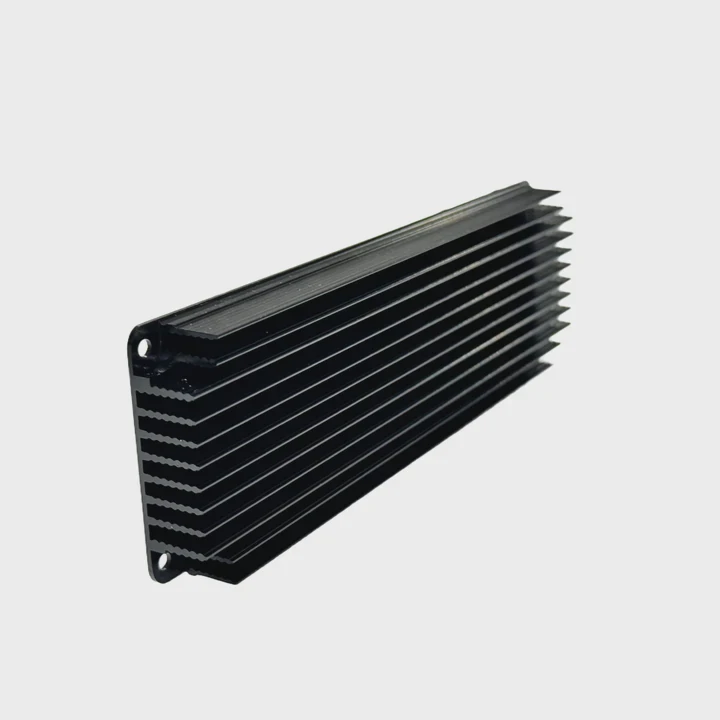
When my computer or equipment started overheating, I knew I needed something better than just air fans. That’s when I started exploring liquid cooling.
Liquid cooling works by circulating a coolant through a system of tubes, cold plates, and radiators to remove heat from high-performance devices. It is efficient, quiet, and stable.
Many engineers and DIY builders use liquid cooling not only for computers but also for power electronics, EV batteries, and 5G devices. Let’s see how it works and how to build it.
What equipment is needed for liquid cooling?
When I first learned about liquid cooling, I was surprised by how many small parts it needs to work together smoothly.
A complete liquid cooling setup includes a pump, radiator, fan, cold plate or water block, tubing, reservoir, and coolant. Each part plays a unique role in transferring and dissipating heat.
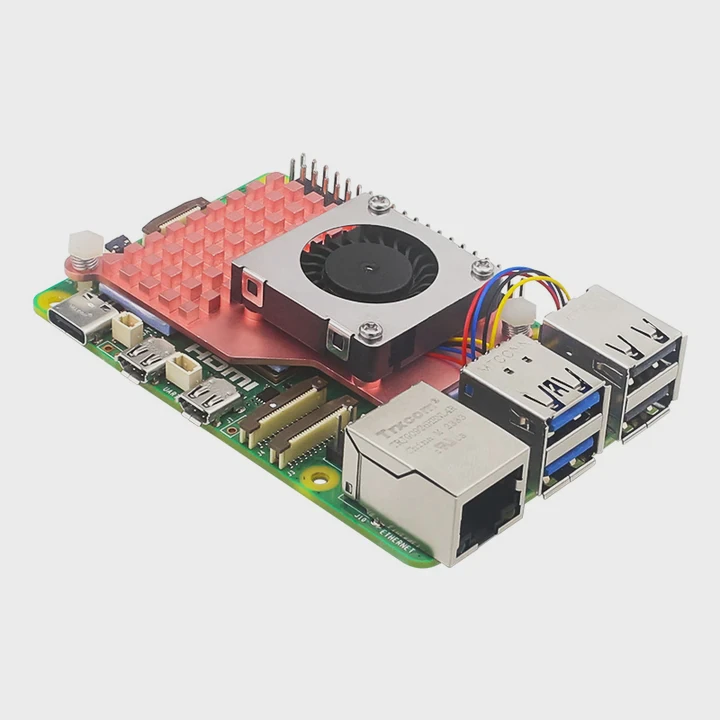
Key Components Overview
Here’s a simple table that summarizes what each part does:
| Component | Function | Example Material |
|---|---|---|
| Pump | Moves coolant through the system | Ceramic, magnetic drive |
| Radiator | Releases heat into the air | Aluminum or copper |
| Fan | Increases airflow over radiator fins | Plastic or metal |
| Cold Plate | Absorbs heat from the heat source | Copper or aluminum |
| Tubing | Connects all components | PVC, silicone, EPDM |
| Reservoir | Stores extra coolant | Acrylic, metal |
| Coolant | Transfers heat efficiently | Water-glycol mix |
I often compare this setup to the human body: the pump acts like a heart, the tubes are the veins, and the radiator is like the lungs, exchanging heat just as we exchange air.
Understanding the Flow Path
In a standard loop, the coolant travels from the reservoir to the pump, then to the cold plate (or several blocks), and finally through the radiator before returning to the reservoir. Keeping this path smooth avoids turbulence and bubbles, which can reduce cooling performance.
For industrial systems, flow rate and pressure drop are carefully calculated. For small DIY systems, I usually test and adjust by observing coolant speed and system temperature.
What are the benefits of setting it up?
When I first switched to liquid cooling, the most obvious difference was silence. Then I noticed that my devices ran cooler and lasted longer.
Liquid cooling offers higher thermal efficiency, lower noise, longer component life, and better system stability compared to air cooling.
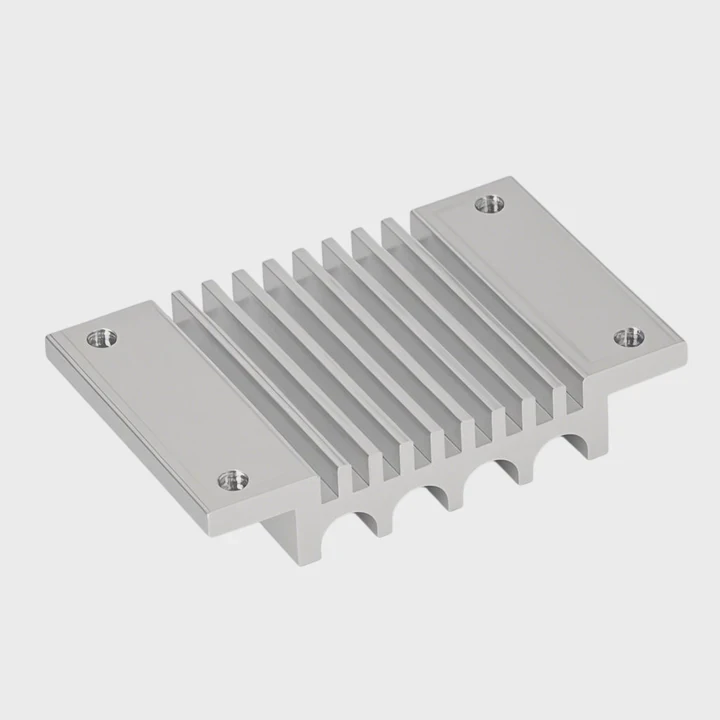
Performance Comparison
| Feature | Air Cooling | Liquid Cooling |
|---|---|---|
| Heat Transfer Efficiency | Moderate | Very High |
| Noise Level | Higher (fans) | Low |
| Maintenance | Low | Medium |
| Cost | Lower | Higher |
| Lifespan | Moderate | Long |
| Aesthetic | Basic | Customizable |
In-depth Look at the Advantages
1. Better heat transfer
Water absorbs heat about 25 times faster than air. With the right design, it can keep temperatures stable under heavy workloads, which is critical in industrial and computing applications.
2. Lower noise level
Fans don’t need to run at full speed all the time because the radiator spreads heat over a wide surface area. This creates a quiet and calm environment, especially important in labs or offices.
3. Extended component life
Stable temperature reduces thermal fatigue in electronic components. For example, power modules in EV systems can maintain performance for years without degradation.
4. System design flexibility
Liquid cooling systems can be shaped and routed in many ways. I once designed a loop for a compact enclosure where air could not flow well — it worked perfectly with a custom aluminum cold plate.
5. Aesthetic customization
For PC enthusiasts and engineers alike, transparent reservoirs and colored coolant offer both function and visual beauty.
How to build a liquid cooling system?
Building a liquid cooling system is easier than most people think. It just needs patience, planning, and the right materials.
To build a liquid cooling system, plan your loop layout, install the components, connect tubing, fill the coolant, and test for leaks before powering on.
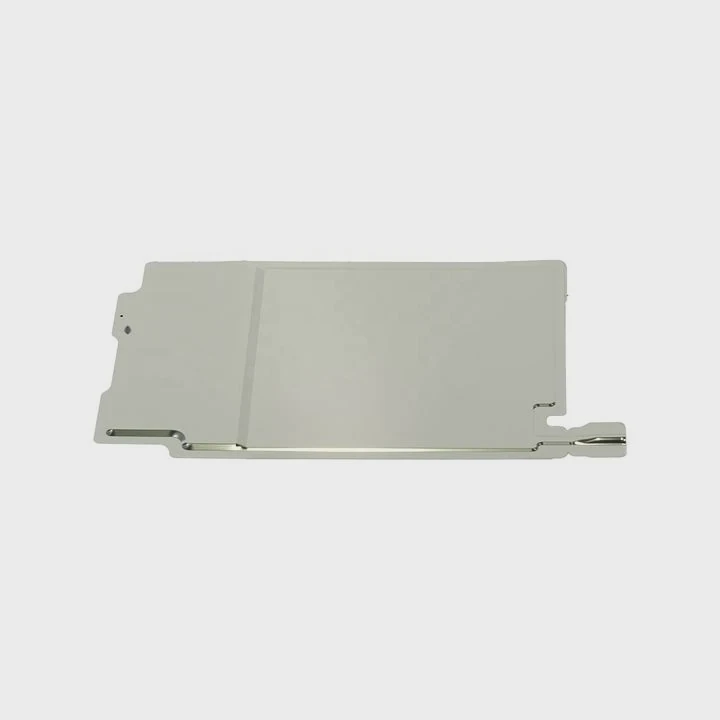
Step-by-Step Guide
Step 1: Design the layout
I usually draw a simple diagram showing the positions of the pump, radiator, blocks, and reservoir. The layout should keep tubing short and clean, with minimal bends.
Step 2: Mount the components
Attach the radiator where airflow is best. Secure the pump and reservoir close to each other. Fix the cold plate firmly on the heat source using thermal paste.
Step 3: Connect the tubing
Cut the tubing to the right length, and connect it tightly with clamps or compression fittings. Always check that the flow direction matches your design.
Step 4: Add coolant and bleed air
Slowly fill the system through the reservoir while the pump is running at low speed. Air bubbles will rise to the top. Repeat this until the loop is completely full.
Step 5: Leak testing
Run the pump for at least 24 hours with only the pump powered on. Check every joint and fitting. I once found a tiny leak that could have caused a serious short circuit — testing saved my setup.
Step 6: Final performance test
Power on the system and monitor temperatures. Adjust fan curves or pump speed to balance noise and performance.
Practical Tips
- Always use corrosion inhibitors if mixing metals like copper and aluminum.
- Replace coolant every 6 to 12 months.
- Use quality fittings to prevent micro-leaks.
- Keep an eye on flow rate sensors and temperature sensors.
What are the DIY cooling innovations?
Over the years, I have seen many creative engineers design custom cooling systems for unique devices, from drones to laser systems.
DIY liquid cooling innovations include custom cold plates, phase-change cooling, microchannel structures, and 3D-printed manifolds for tailored heat solutions.
Emerging DIY Techniques
1. Custom cold plates
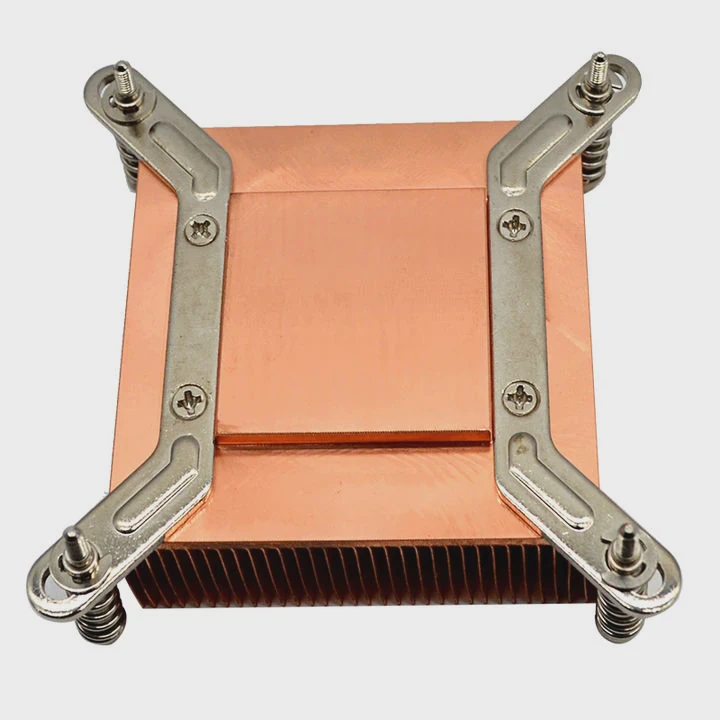
DIY makers now mill or 3D-print their own cold plates to fit specific chips or modules. Using aluminum instead of copper can reduce weight while maintaining high thermal conductivity.
2. Microchannel design
By adding fine channels inside the plate, heat spreads faster and coolant contact area increases. These designs are inspired by aerospace cooling systems.
3. Integrated systems
Some builders combine the pump and reservoir into one compact module. It saves space and simplifies installation — a smart move for small cases or portable machines.
4. Phase-change hybrid cooling
Advanced enthusiasts experiment with phase-change materials (PCM) that absorb large amounts of heat when melting. These modules can stabilize temperature spikes in EV or semiconductor applications.
5. 3D printing and rapid prototyping
3D printing allows complex internal cooling paths that were impossible before. I once printed a manifold that split coolant evenly into four micro cold plates — it worked perfectly after some sealing tweaks.
Future Trends in DIY Cooling
As materials and technology advance, more builders are moving toward smart thermal systems. These use sensors and controllers to adjust flow automatically based on temperature readings.
Some even connect them to IoT platforms for remote monitoring. It’s exciting to see how DIY cooling is turning into professional-grade engineering.
Conclusion
Liquid cooling is not just for experts — it’s a smart, efficient, and creative way to manage heat. With the right setup, it offers quiet operation, better performance, and endless room for innovation.
TAGS
Latest Articles

Volume discount levels for heat sink orders?
Buyers often ask when heat sink prices start to drop with volume. Many worry they’re overpaying for small orders. This guide explains how B2B volume pricing works for thermal components. Heat sink
21 Dec,2025
Heat sink long-term supply contract options?
Many buyers want stable pricing and reliable delivery for heat sinks. But without a clear contract, risks grow over time. This article explores how to secure better long-term supply deals. Long-term
21 Dec,2025
Tooling cost for new heat sink profiles?
Many engineers struggle to understand why tooling for custom heat sinks costs so much. They worry about budgeting and production timelines. This article breaks down the cost drivers behind tooling.
21 Dec,2025
Heat sink custom sample process steps?
Sometimes, starting a custom heat sink project feels overwhelming—too many steps, too many unknowns, and too many risks. You want a sample, but not endless delays. The process for requesting and
20 Dec,2025
Standard B2B terms for heat sink payments?
When buyers and sellers in B2B heat sink markets talk about payment, many don’t fully understand what’s standard. This can lead to delayed orders, miscommunication, and even lost business
20 Dec,2025
Heat sink pricing factors for large orders?
Heat sinks are vital for many systems. When prices rise, projects stall and budgets break. This problem can hit teams hard without warning. Large order heat sink pricing depends on many factors. You
20 Dec,2025Related Articles
- Is liquid cooling quiet?
- Does Ryzen 7 7700X Need Liquid Cooling?
- Is liquid cooling hard to install?
- Does Ryzen 9 5950X need liquid cooling?
- Which PowerEdge server supports direct liquid cooling?
- How does CPU liquid cooling work?
- What liquid is used in water cooling?
- Is liquid or fan cooling better?
- Is liquid cooling safe?
- How to check if my liquid cooling is working?
- How to replace liquid cooling?
- Which is better, oil-cooled or liquid-cooled engine?
Author
Dr. Emily Chen
Chief AI Researcher
Leading expert in thermal dynamics and AI optimization with over 15 years of experience in data center efficiency research.
Categories
Latest Products






Recommend Categories
- Liquid cooling plate Manufacturer
- Industrial Heat Sink Manufacturer
- Standard Heat Sink Manufacturer
- Aluminum Heat Sink Manufacturer
- Copper Heat Sink Manufacturer
- Anodized Heatsink Manufacturer
- Stamping heat sink Manufacturer
- Die Casting Heatsink Manufacturer
- Soldering heat sink Manufacturer
- CNC Parts Manufacturer
Latest Products
- Wholesale Aluminum Radiator
- Water Cooling Plate Kit
- Water Cooling Heat Sink
- Water Cooling Heat Sink Kit
- Stainless Steel Water Distributor
- Server Water Cooling Plate Kit
- Server Liquid Cooling System
- Server Aluminum Cooling Kit
- S19 Full Cover Cooling Plate
- S19 Cooling Plate Kit
- S19 Aluminum Cooling Plate
Contact Expert
Have questions about this article? Reach out to our experts directly.