Is liquid cooling quiet?
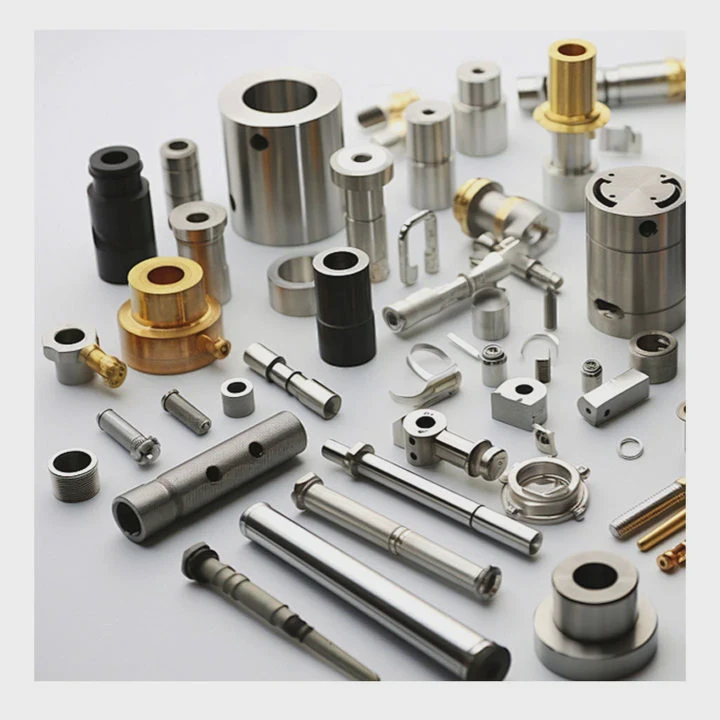
Many people love the idea of a silent PC or an efficient industrial cooling system. Yet fans and air turbulence often bring noise that breaks the peace.
Yes, liquid cooling can be much quieter than air cooling because it transfers heat more efficiently, reducing fan speed and noise from moving air.
While it is not always completely silent, the right setup makes the difference. The secret lies in how liquid cooling works, how pumps and fans are optimized, and how new innovations reduce vibrations and acoustic output.
What makes liquid cooling quieter?
Noise often comes from air friction, high fan speed, and mechanical vibration. Air coolers depend heavily on fans to move large volumes of air, which creates turbulence.
Liquid cooling is quieter because it moves heat with liquid instead of air, requiring fewer or slower fans and reducing turbulence.
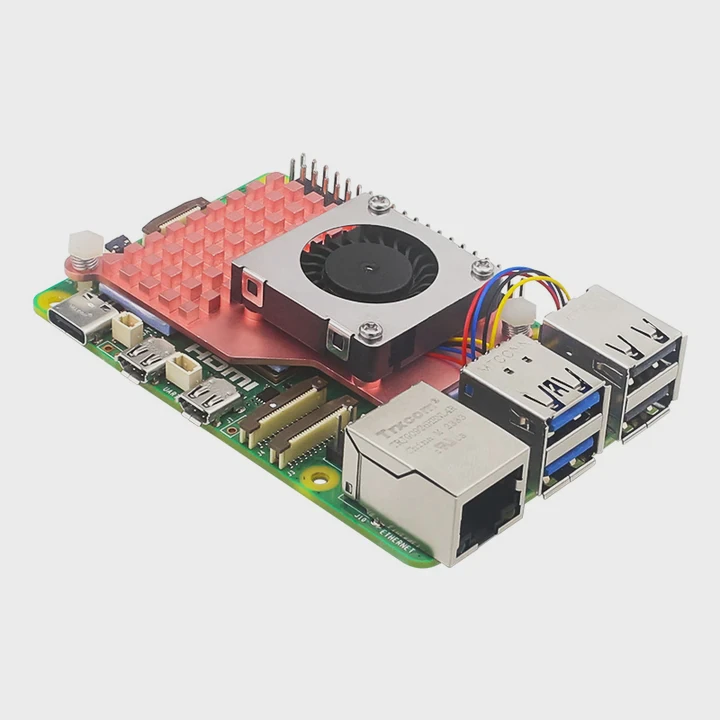
In a liquid cooling system, a coolant absorbs heat from components and carries it to a radiator. Fans on the radiator then expel the heat to the environment. Because the fluid has a much higher thermal conductivity than air, it removes heat faster. As a result, the fans do not need to spin as fast. Slower fans make less noise.
Key comparison between air and liquid cooling
| Factor | Air Cooling | Liquid Cooling |
|---|---|---|
| Heat Transfer Medium | Air | Coolant (liquid) |
| Fan Speed | High | Low |
| Noise Level | 40–50 dB typical | 20–30 dB typical |
| Cooling Efficiency | Moderate | High |
| Maintenance | Low | Moderate (coolant refill) |
Another factor is vibration. Large tower air coolers often create uneven weight distribution on the motherboard. Over time, this adds subtle mechanical noise. Liquid systems distribute weight better and isolate the pump, which helps reduce vibration.
When designed properly, the only remaining sound in a liquid-cooled setup comes from the soft hum of the pump and the gentle airflow from radiator fans.
What are its noise advantages?
Many users choose liquid cooling not only for its thermal performance but also for its acoustic comfort.
The main noise advantages of liquid cooling are reduced fan noise, lower vibration, and smoother sound profiles at all load levels.
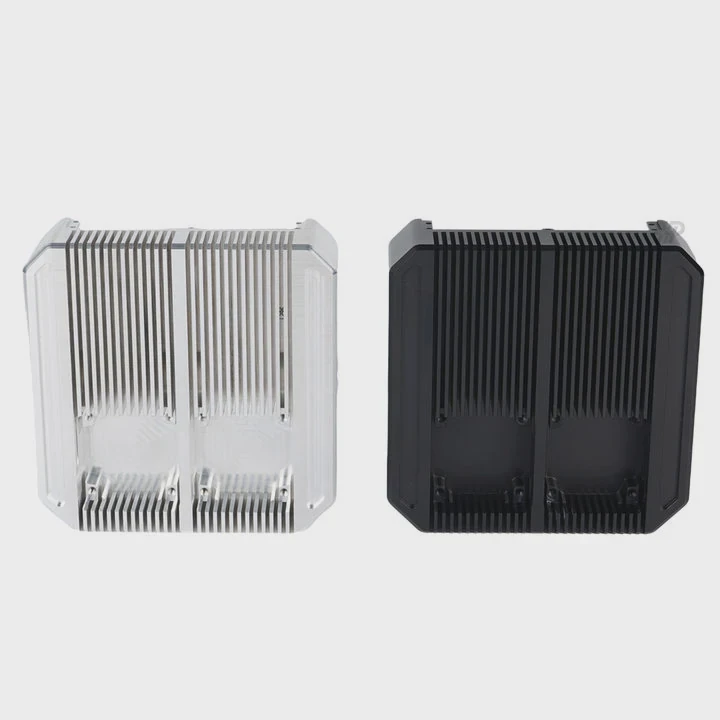
In typical desktop or industrial applications, noise mainly comes from fans ramping up during high CPU or GPU loads. In a liquid-cooled system, the radiator provides a large surface area for heat dissipation. This allows fans to run slower while keeping temperatures stable.
Noise advantage summary
| Source of Noise | Air Cooling | Liquid Cooling |
|---|---|---|
| Fan Turbulence | High | Low |
| Bearing Noise | Noticeable | Minimal |
| Pump or Flow Noise | None | Low |
| Overall Sound Profile | Sharp, High Frequency | Smooth, Low Frequency |
The character of the sound also changes. Air-cooled systems often produce sharp, high-frequency sounds due to fast-moving fans and airflow through narrow fins. Liquid-cooled systems produce a smoother, lower-frequency hum that is easier on the ears.
In offices or labs, this matters a lot. A quieter environment means less fatigue and better focus. For industrial systems, lower acoustic levels can also help meet workplace noise regulations.
Personal experience
When I first switched to a liquid cooling loop for my workstation, I was surprised by how much calmer the room became. Even under full GPU load, I could hear only a faint pump tone. The background noise from my old air cooler was gone. The overall temperature dropped too, which helped the fans stay at a consistent, quiet speed.
How to minimize pump and fan noise?
Even with liquid cooling, pump vibration or fan turbulence can still cause unwanted sound.
To minimize pump and fan noise, use low-speed PWM fans, soft mounting for pumps, quality bearings, and sound-damping materials.
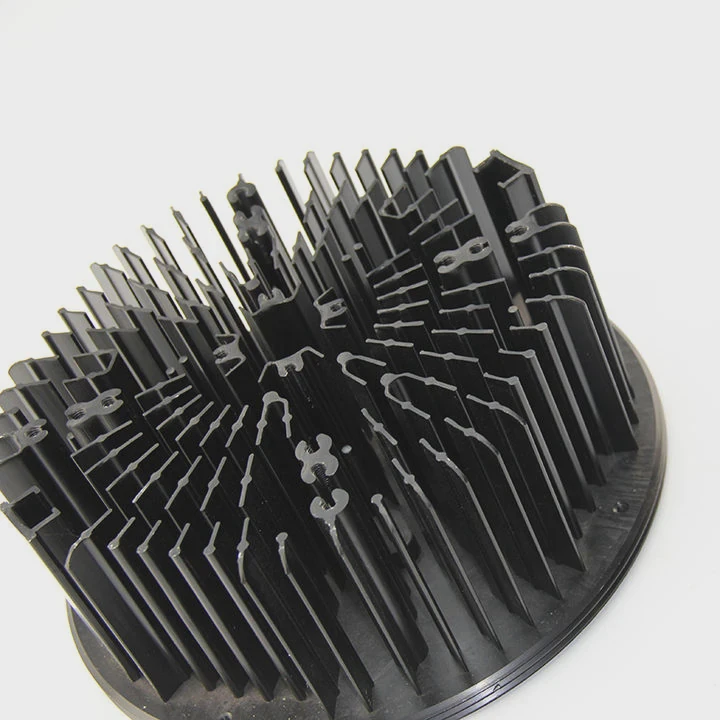
There are several ways to make a system nearly silent. It begins with proper installation and careful tuning.
1. Use PWM-controlled fans
Pulse-width modulation (PWM) fans allow fine control of speed. Instead of running at full RPM, they adjust dynamically based on temperature. This means fans only spin as fast as needed.
2. Mount pumps with vibration damping
The pump is the only mechanical part of the liquid loop. Even though it’s small, vibration can transmit through the chassis. Using rubber mounts or soft pads prevents this. Many modern pumps also integrate dampening housings or are embedded in the reservoir to minimize movement.
3. Adjust radiator and fan layout
A larger radiator spreads heat across a wider area. With more surface area, you can use slower fans. For instance, a 360 mm radiator can run three 120 mm fans at low RPM, which is much quieter than two 80 mm fans spinning fast.
4. Optimize coolant flow rate
A higher flow rate does not always mean better cooling. Beyond a certain point, turbulence increases and can cause gurgling noises. Slowing down the pump to a moderate speed often reduces sound while maintaining good performance.
5. Add acoustic insulation
For extremely sensitive environments, sound-damping foam or acoustic panels can absorb residual vibrations. Many PC cases now come with built-in insulation to reduce resonance.
Example setup comparison
| Setup Type | Fan Speed | Pump Speed | Average Noise |
|---|---|---|---|
| Basic Entry Loop | 1200 RPM | 3200 RPM | 34 dB |
| Optimized Silent Loop | 800 RPM | 2500 RPM | 24 dB |
| Ultra Quiet Custom | 600 RPM | 2200 RPM | 20 dB |
Small details like cable routing or fan direction also make a difference. Clean airflow paths reduce turbulence, which prevents sudden air whistling.
When all these factors come together, the result is a nearly inaudible system even under heavy workloads.
What are the innovations in silent cooling?
Cooling technology continues to evolve. What was once reserved for enthusiasts now reaches professional and industrial use.
Recent innovations in silent cooling include AI-controlled pumps, phase-change materials, micro-channel cold plates, and vapor chamber integration.
1. AI-controlled adaptive fans and pumps
Modern liquid cooling systems integrate sensors and microcontrollers that monitor temperature, flow rate, and acoustic feedback. The controller adjusts fan and pump speeds intelligently to balance performance and noise. This adaptive control keeps sound levels minimal under light loads and scales smoothly when more cooling is needed.
2. Micro-channel and vapor chamber designs
Traditional cold plates have straight channels. New micro-channel plates use narrow pathways that increase the contact surface area. This boosts heat transfer and lets pumps run slower.
Vapor chambers, often used in aerospace and high-end electronics, spread heat evenly across large areas. When integrated into radiators or cold plates, they improve efficiency and reduce the need for high-speed fans.
3. Phase-change materials (PCM)
PCM modules absorb and store heat as they change phase from solid to liquid. This passive storage reduces temperature spikes and delays the need for fan activation. When combined with liquid cooling loops, PCMs stabilize temperature fluctuations and extend quiet operation periods.
4. Advanced pump design
Old-style pumps often relied on constant-speed impellers. New designs use magnetic levitation and ceramic bearings to eliminate mechanical friction. These pumps are almost silent and last longer. Some even use a smart flow algorithm to adjust speed smoothly without audible step changes.
5. Noise mapping and predictive modeling
Manufacturers now use computational fluid dynamics (CFD) with acoustic simulation to predict how sound will behave inside a cooling system. By analyzing airflow and resonance patterns, they design radiators, fins, and housings that reduce turbulence before the first prototype is built.
The future of silent cooling
In the near future, hybrid systems combining liquid cooling with solid-state heat spreaders will become more common. These use no moving parts for base-level heat transfer, with fans only kicking in when temperature peaks. Such designs can bring total noise below 15 dB — almost silent to the human ear.
These innovations are not only for gaming PCs. Industrial applications, medical imaging equipment, and aerospace electronics also adopt silent cooling to meet strict noise and vibration standards.
Example of innovation impact
| Technology | Effect on Noise | Typical Use |
|---|---|---|
| AI Fan Control | 20–40% less fan activity | High-end PCs, servers |
| Magnetic Pump | Near-zero vibration | Industrial systems |
| PCM Integration | Passive noise reduction | Aerospace, medical |
| Vapor Chamber | Even heat spread, fewer fans | CPUs, power modules |
Silent cooling is now more than comfort; it’s part of system reliability. Less vibration means less wear on components, longer lifespan, and stable operation.
Conclusion
Liquid cooling is not perfectly silent, but with the right components and setup, it becomes far quieter than air cooling. New technologies like AI control, vapor chambers, and magnetic pumps keep pushing the limits of silence, making high-performance systems peaceful and reliable.
TAGS
Latest Articles

Volume discount levels for heat sink orders?
Buyers often ask when heat sink prices start to drop with volume. Many worry they’re overpaying for small orders. This guide explains how B2B volume pricing works for thermal components. Heat sink
21 Dec,2025
Heat sink long-term supply contract options?
Many buyers want stable pricing and reliable delivery for heat sinks. But without a clear contract, risks grow over time. This article explores how to secure better long-term supply deals. Long-term
21 Dec,2025
Tooling cost for new heat sink profiles?
Many engineers struggle to understand why tooling for custom heat sinks costs so much. They worry about budgeting and production timelines. This article breaks down the cost drivers behind tooling.
21 Dec,2025
Heat sink custom sample process steps?
Sometimes, starting a custom heat sink project feels overwhelming—too many steps, too many unknowns, and too many risks. You want a sample, but not endless delays. The process for requesting and
20 Dec,2025
Standard B2B terms for heat sink payments?
When buyers and sellers in B2B heat sink markets talk about payment, many don’t fully understand what’s standard. This can lead to delayed orders, miscommunication, and even lost business
20 Dec,2025
Heat sink pricing factors for large orders?
Heat sinks are vital for many systems. When prices rise, projects stall and budgets break. This problem can hit teams hard without warning. Large order heat sink pricing depends on many factors. You
20 Dec,2025Related Articles
- Does Ryzen 7 7700X Need Liquid Cooling?
- Is liquid cooling hard to install?
- Does Ryzen 9 5950X need liquid cooling?
- Which PowerEdge server supports direct liquid cooling?
- How does CPU liquid cooling work?
- How to install GPU liquid cooling?
- How to do liquid cooling?
- What liquid is used in water cooling?
- Is liquid or fan cooling better?
- Is liquid cooling safe?
- How to check if my liquid cooling is working?
- How to replace liquid cooling?
Author
Dr. Emily Chen
Chief AI Researcher
Leading expert in thermal dynamics and AI optimization with over 15 years of experience in data center efficiency research.
Categories
Latest Products






Recommend Categories
- Liquid cooling plate Manufacturer
- Industrial Heat Sink Manufacturer
- Standard Heat Sink Manufacturer
- Aluminum Heat Sink Manufacturer
- Copper Heat Sink Manufacturer
- Anodized Heatsink Manufacturer
- Stamping heat sink Manufacturer
- Die Casting Heatsink Manufacturer
- Soldering heat sink Manufacturer
- CNC Parts Manufacturer
Latest Products
- Wholesale Aluminum Radiator
- Water Cooling Plate Kit
- Water Cooling Heat Sink
- Water Cooling Heat Sink Kit
- Stainless Steel Water Distributor
- Server Water Cooling Plate Kit
- Server Liquid Cooling System
- Server Aluminum Cooling Kit
- S19 Full Cover Cooling Plate
- S19 Cooling Plate Kit
- S19 Aluminum Cooling Plate
Contact Expert
Have questions about this article? Reach out to our experts directly.