Is liquid cooling safe?
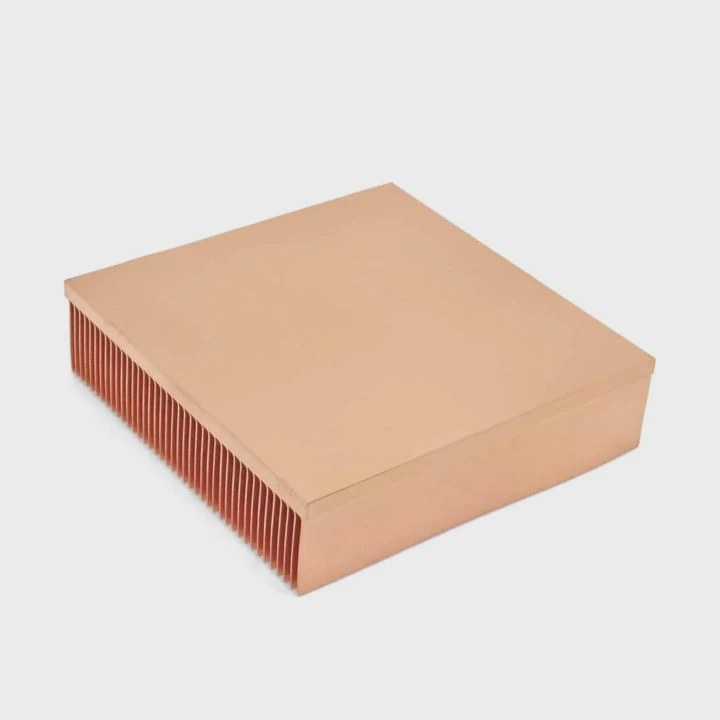
Liquid cooling sounds complex, and many people worry it might leak or damage electronics. But with the right design and materials, it is much safer than most people think.
Liquid cooling is safe when systems are well-sealed, properly maintained, and designed with certified components that prevent leaks and corrosion. Modern technology ensures strong reliability.
In this article, I will explain how liquid cooling works safely, what the risks are, how modern systems avoid problems, and how engineers like me ensure reliability in critical industries.
What are the risks of liquid cooling?
Liquid cooling is efficient, but many fear that mixing water and electricity sounds dangerous. This fear is understandable and rooted in early, unrefined systems.
The main risks of liquid cooling are leaks, corrosion, electrical short circuits, and coolant degradation. These can be avoided with the right materials and design.
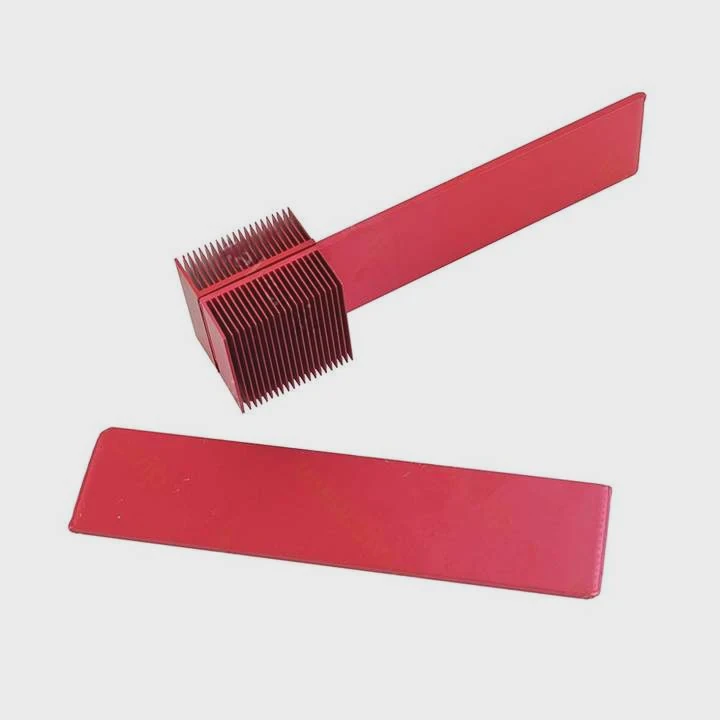
When I first worked with a prototype cooling module years ago, the biggest concern was leakage from poor sealing. Early systems used basic rubber gaskets and low-pressure tubing. Over time, those seals degraded, and even small leaks caused failures. Today, we use advanced materials like fluororubber (FKM) and metal gaskets that last for years under thermal stress.
Common Risk Factors
| Risk Type | Description | Prevention Method |
|---|---|---|
| Leakage | Coolant escaping from joints or pipes | Use welded or brazed joints |
| Corrosion | Metal reacting with coolant | Use anti-corrosion additives and proper alloys |
| Short circuit | Fluid contact with electronics | Isolate liquid channels |
| Coolant aging | Fluid losing thermal efficiency | Regular maintenance and filtration |
Lessons from Industry
In industrial cooling systems for power electronics and batteries, leaks are extremely rare because all fittings are pressure-tested before shipment. Most failures come from poor installation, not from manufacturing. I learned that safety starts long before the liquid enters the system — it starts in the design phase.
When engineers design channels, they must calculate pressure drops, select materials compatible with glycol or dielectric fluids, and ensure expansion compensation. If the system follows these rules, liquid cooling can be as safe as air cooling but much more effective.
What safety features prevent leaks?
Safety is not only about tight joints; it is also about redundancy and smart monitoring.
Modern liquid cooling systems use multiple safety features such as welded channels, pressure sensors, quick connectors, and non-conductive fluids to prevent leaks and damage.
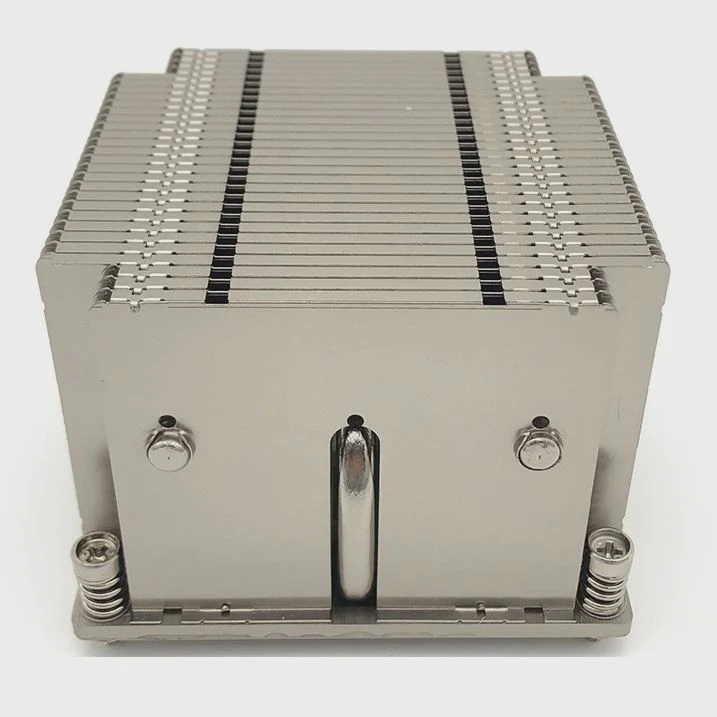
Leak prevention begins with structure. The key parts of a cooling plate or loop are sealed by laser welding or friction stir welding, forming a solid metal path that never opens under pressure. This eliminates the weakest points that used to cause trouble.
Structural Design Improvements
Today, the channels inside cold plates are cut into aluminum or copper blocks and sealed by welding. There are no gaskets between the metal layers. This design provides both mechanical strength and leak resistance.
| Feature | Function | Example Technology |
|---|---|---|
| Laser welding | Permanent metal sealing | Automotive battery plates |
| Pressure sensors | Real-time pressure feedback | Industrial data centers |
| Quick connectors | Leak-proof couplings | Aerospace systems |
| Dielectric fluids | Non-conductive liquids | Semiconductor cooling |
Smart Safety Systems
Sensors now play an important role in safety. Pressure sensors can detect micro-leaks before they become serious. Some systems automatically shut down pumps or isolate modules when abnormal flow is detected. I once helped a customer integrate such a system for a power converter unit. It reduced maintenance time by half and completely prevented coolant-related failures.
Besides, non-conductive coolants, such as 3M Novec or specialized dielectric fluids, eliminate the risk of electrical shorts even if a leak occurs. This safety layer is why many high-end electronics, including supercomputers and aerospace equipment, now rely on liquid cooling confidently.
How to ensure system safety?
Even the most advanced design needs correct installation and operation to stay safe.
To ensure liquid cooling safety, systems must follow standard testing, proper assembly, preventive maintenance, and environmental monitoring.
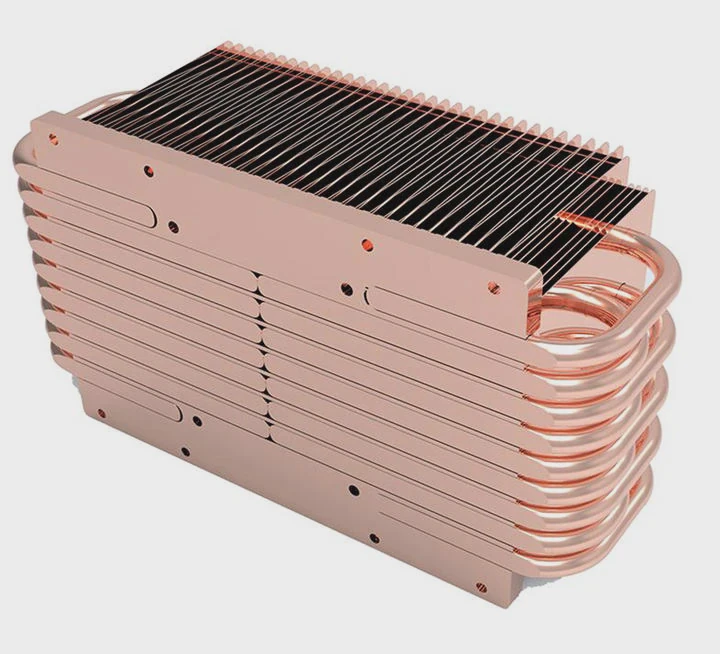
Safety starts with testing. Before any liquid enters a system, we run multiple inspections—visual, pressure, and vacuum tests. These steps simulate years of operation in just a few hours.
Essential Safety Procedures
| Step | Purpose | Standard Practice |
|---|---|---|
| Pressure test | Detect leaks or weak spots | 1.5× maximum working pressure |
| Vacuum test | Check sealing and degassing | 30 min under vacuum |
| Thermal cycling | Simulate long-term use | 1000+ heating/cooling cycles |
| Cleanliness test | Ensure no particles remain | ISO Class 8 or better |
Design and Operation Tips
When engineers and technicians install cooling modules, they must align connectors carefully and avoid overtightening. Even small torque differences can damage sealing surfaces. Maintenance should include fluid replacement every 12–24 months and regular inspection of hoses and pumps.
I remember one case in which a customer in the energy storage industry skipped pressure testing to save time. Within three months, a minor leak developed at a joint. After switching to full testing protocol, they never faced the problem again.
Proper design also means planning for thermal expansion. Metals and coolants expand differently under heat. If expansion is not managed, stress can break welds or cause micro-cracks. Adding flexible sections or bellows in the loop prevents this risk effectively.
What are the advances in cooling reliability?
Technology has made liquid cooling far safer and more reliable than ever before.
Recent advances in materials, sealing technologies, and monitoring systems have increased liquid cooling reliability to industrial-grade standards used in aerospace and EVs.
Reliability once depended mainly on operator experience. Now, it is built into the hardware itself. Automated welding systems ensure consistent sealing, while AI-based monitoring predicts issues before they happen.
Material and Design Innovations
New alloys such as high-purity aluminum and corrosion-resistant coatings extend system life. These materials resist erosion caused by fast-flowing coolants. Inside the plates, optimized micro-channel designs improve flow distribution and reduce local hot spots.
Example: Aluminum Microchannel Plate
A microchannel plate may contain hundreds of tiny channels less than 1 mm wide. This increases surface area and improves heat transfer without raising pressure loss. Combined with advanced welding, this structure can operate for over 10 years with no maintenance.
Smart Monitoring and IoT Integration
Smart sensors measure temperature, pressure, and flow in real time. When data is uploaded to cloud systems, predictive maintenance becomes possible. If pressure slowly drops, the system can alert operators before a visible leak occurs.
In my recent projects, adding IoT monitoring reduced downtime by 30%. Customers in data centers and EV battery systems can now track the health of each cooling unit remotely. These features make liquid cooling not only safe but also more predictable.
Industry Applications
Industries such as aerospace, semiconductors, and renewable energy now trust liquid cooling for mission-critical systems. The reason is clear — today’s technology offers multi-layer protection:
- Welded and sealed structures
- Non-conductive fluids
- Redundant monitoring systems
- Tested under harsh temperature and vibration conditions
These innovations changed how we think about risk. What once seemed fragile is now one of the most stable and controlled systems in high-performance engineering.
Conclusion
Liquid cooling is safe, reliable, and essential for modern high-power systems when designed and maintained correctly. With strong sealing, smart sensors, and advanced materials, it now stands as one of the safest thermal solutions available.
TAGS
Latest Articles

Volume discount levels for heat sink orders?
Buyers often ask when heat sink prices start to drop with volume. Many worry they’re overpaying for small orders. This guide explains how B2B volume pricing works for thermal components. Heat sink
21 Dec,2025
Heat sink long-term supply contract options?
Many buyers want stable pricing and reliable delivery for heat sinks. But without a clear contract, risks grow over time. This article explores how to secure better long-term supply deals. Long-term
21 Dec,2025
Tooling cost for new heat sink profiles?
Many engineers struggle to understand why tooling for custom heat sinks costs so much. They worry about budgeting and production timelines. This article breaks down the cost drivers behind tooling.
21 Dec,2025
Heat sink custom sample process steps?
Sometimes, starting a custom heat sink project feels overwhelming—too many steps, too many unknowns, and too many risks. You want a sample, but not endless delays. The process for requesting and
20 Dec,2025
Standard B2B terms for heat sink payments?
When buyers and sellers in B2B heat sink markets talk about payment, many don’t fully understand what’s standard. This can lead to delayed orders, miscommunication, and even lost business
20 Dec,2025
Heat sink pricing factors for large orders?
Heat sinks are vital for many systems. When prices rise, projects stall and budgets break. This problem can hit teams hard without warning. Large order heat sink pricing depends on many factors. You
20 Dec,2025Related Articles
- Is liquid or fan cooling better?
- What liquid is used in water cooling?
- How to do liquid cooling?
- Is liquid cooling quiet?
- Does Ryzen 7 7700X Need Liquid Cooling?
- Is liquid cooling hard to install?
- How to check if my liquid cooling is working?
- How to replace liquid cooling?
- Which is better, oil-cooled or liquid-cooled engine?
- Is liquid cooling quieter than fans?
- Is a Liquid CPU Cooler Worth It?
- What is the difference between water cooling and liquid cooling?
Author
Dr. Emily Chen
Chief AI Researcher
Leading expert in thermal dynamics and AI optimization with over 15 years of experience in data center efficiency research.
Categories
Latest Products






Recommend Categories
- Liquid cooling plate Manufacturer
- Industrial Heat Sink Manufacturer
- Standard Heat Sink Manufacturer
- Aluminum Heat Sink Manufacturer
- Copper Heat Sink Manufacturer
- Anodized Heatsink Manufacturer
- Stamping heat sink Manufacturer
- Die Casting Heatsink Manufacturer
- Soldering heat sink Manufacturer
- CNC Parts Manufacturer
Latest Products
- Wholesale Aluminum Radiator
- Water Cooling Plate Kit
- Water Cooling Heat Sink
- Water Cooling Heat Sink Kit
- Stainless Steel Water Distributor
- Server Water Cooling Plate Kit
- Server Liquid Cooling System
- Server Aluminum Cooling Kit
- S19 Full Cover Cooling Plate
- S19 Cooling Plate Kit
- S19 Aluminum Cooling Plate
Contact Expert
Have questions about this article? Reach out to our experts directly.