Does Ryzen 7 7700X Need Liquid Cooling?
Many users worry about whether the Ryzen 7 7700X gets too hot or needs liquid cooling. The truth is, this CPU can run hot under load, and its cooling choice affects both performance and noise.
The Ryzen 7 7700X does not require liquid cooling, but it performs best with a strong cooling solution. Air coolers can handle it, but for sustained turbo speeds and low noise, liquid cooling is recommended.
If you want to push your CPU to the limit, choosing the right cooler helps keep temperatures safe and stable. Let’s break this down step by step.
What Is the Ryzen 7 7700X CPU?
Many people know the Ryzen 7 7700X is powerful, but not everyone understands what makes it special. It belongs to AMD’s Ryzen 7000 series, based on the Zen 4 architecture and built on TSMC’s 5nm process.
The Ryzen 7 7700X is an 8-core, 16-thread processor built on AMD’s Zen 4 architecture with high clock speeds and efficient power management. It is designed for gamers and creators who want high single-thread and multi-thread performance.
A Look at Its Key Specifications
| Specification | Detail |
|---|---|
| Architecture | AMD Zen 4 |
| Process Node | 5nm |
| Core / Threads | 8 / 16 |
| Base Clock | 4.5 GHz |
| Boost Clock | Up to 5.4 GHz |
| TDP (Thermal Design Power) | 105W |
| Socket | AM5 |
| iGPU | RDNA 2 (Integrated Graphics) |
The Ryzen 7 7700X is designed for desktop users who demand consistent performance. It does not include a stock cooler, which means users must choose one themselves. This is AMD’s way of giving flexibility to enthusiasts who want control over their thermal solutions.
Why It Matters for Cooling
Because of its high boost frequency and 105W TDP, this CPU can easily reach 90°C or higher during heavy loads. That’s normal behavior under AMD’s design limits, but it highlights how critical proper cooling is for stable performance.
In real-world scenarios, using a stock-level cooler often leads to thermal throttling, meaning the CPU slows down to reduce heat. To unlock its full potential, a high-end air or liquid cooler makes a visible difference.
What Are Its Thermal Characteristics?
When I first tested the Ryzen 7 7700X, I was surprised at how warm it ran even with a premium air cooler. The CPU dynamically adjusts power to reach maximum performance, which means it runs hotter by design.
The Ryzen 7 7700X is engineered to run at higher temperatures, often up to 95°C, which is within AMD’s safe operating range. This behavior is part of how it delivers peak performance.
Understanding the 95°C Behavior
AMD set the Ryzen 7000 series to maintain the highest boost clocks possible until it hits the thermal limit of around 95°C. That does not mean the CPU is overheating; it means it is using every bit of thermal headroom available.
Common Thermal Patterns
| Load Type | Typical Temperature (°C) | Cooling Type |
|---|---|---|
| Idle | 35–45 | Air / Liquid |
| Gaming | 65–85 | Mid-range Air |
| Heavy Rendering | 85–95 | Liquid Preferred |
| Stress Test | 90–95 | Liquid Recommended |
In simple terms, this CPU is safe even when it looks “hot.” It is designed to handle high thermal density. However, users who prefer quieter systems or plan to overclock should not ignore the benefits of liquid cooling.
Why AMD Designed It This Way
Zen 4 processors focus on maximizing performance per watt. By letting the chip reach higher temperatures, AMD avoids limiting performance with strict thermal caps. The idea is efficiency under load, not just low temperature numbers.
Still, for those who build silent or compact systems, investing in better cooling translates to both comfort and reliability. It also helps maintain consistent boost clocks, reducing performance dips during extended workloads.
How to Pick the Best Cooling for It?
Choosing the best cooling for Ryzen 7 7700X depends on how you plan to use your PC and what balance you want between noise, aesthetics, and cost.
For most users, a high-quality air cooler works well, but for overclocking or silent builds, liquid cooling provides superior thermal control and less noise.
Types of Cooling Solutions
1. Air Cooling
Air coolers are easy to install, reliable, and cost-effective. Many models, like the Noctua NH-U12A or be quiet! Dark Rock 4, perform impressively even with 105W CPUs.
Advantages:
- Simple setup
- No pump or liquid maintenance
- Long lifespan
Limitations:
- May run louder under high load
- Takes more case space
- Less effective in small form factors
2. Liquid Cooling (AIO)
All-in-One (AIO) liquid coolers move heat away faster using water and a radiator. Common options include 240mm, 280mm, and 360mm models.
Advantages:
- Lower peak temperatures
- Quieter under sustained load
- Better aesthetics with RGB and clean design
Limitations:
- More expensive
- Requires pump reliability
- Slightly complex installation
My Practical Advice
If you run your system mainly for gaming or daily productivity, a strong air cooler is enough. But if you use it for rendering, simulation, or long workloads, liquid cooling offers real benefits. I personally use a 280mm AIO cooler, and my Ryzen 7 7700X rarely exceeds 80°C even under stress.
Installation Tips
To get the best from your cooler:
- Apply a thin layer of thermal paste evenly.
- Ensure firm contact between cooler and CPU.
- Optimize airflow inside your case — one intake and one exhaust fan at least.
- Keep ambient temperature in mind; it can raise CPU temps by several degrees.
With these steps, you can maintain efficient thermal performance regardless of cooler type.
What Are the AMD 7000 Series Cooling Trends?
The Ryzen 7000 series changed how enthusiasts think about CPU temperatures. Earlier, users tried to keep CPUs under 70°C at all times. Now, AMD encourages higher temperature operation for better performance.
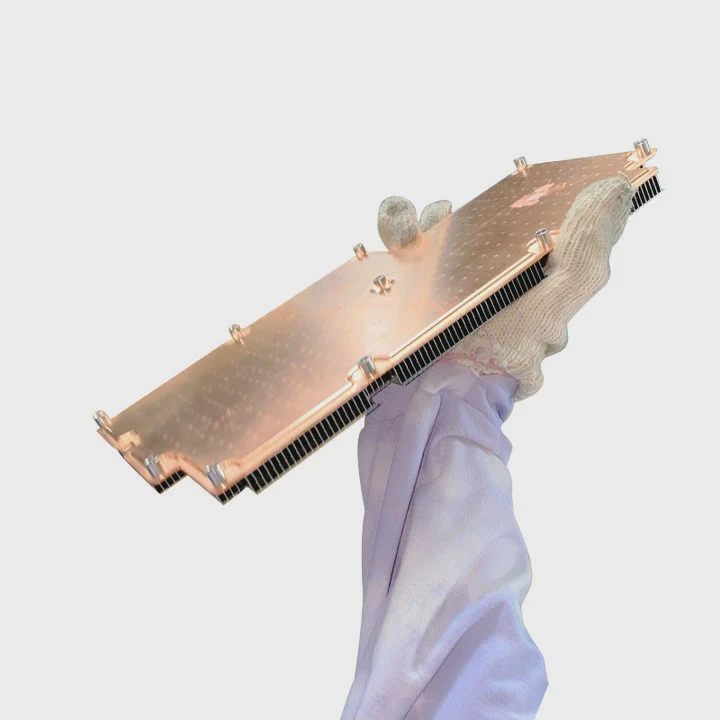
AMD’s Ryzen 7000 series CPUs are built to run hot, and the trend has shifted toward efficient thermal design and improved liquid cooling integration.
The Shift in Cooling Design Philosophy
With the transition to 5nm architecture, thermal density increased. That means more heat in a smaller space. Traditional coolers that worked well on Ryzen 5000 may struggle on Ryzen 7000 without optimization.
Manufacturers now focus on:
- Larger surface contact plates
- Improved fin design for heat dissipation
- Optimized pumps for AIO units
- Direct die contact solutions for enthusiasts
This shift has made liquid coolers more mainstream, especially among gamers and creators who want stable turbo performance.
What Builders Are Choosing Today
Based on user data and market trends, here’s how cooling preferences look among AMD 7000 owners:
| Cooling Type | Popularity (%) | Common Radiator Sizes |
|---|---|---|
| Air Cooling | 40% | N/A |
| 240mm Liquid | 25% | 240mm |
| 280mm Liquid | 20% | 280mm |
| 360mm Liquid | 15% | 360mm |
The 240mm AIO remains a favorite for its balance between performance, size, and cost. However, premium users are moving toward 280mm or 360mm systems for quieter and more consistent results.
What This Means for Builders
For PC builders, this trend simplifies decisions. Investing in a quality cooler—air or liquid—pays off in consistent performance and longer component lifespan. It also reduces fan noise and supports better system aesthetics, which matters in transparent or RGB builds.
In my experience, after switching from a large air cooler to a 280mm AIO, I noticed not only lower temperatures but also more stable boost clocks during 3D rendering and video editing sessions. The temperature headroom also reduced fan cycling, making the whole system quieter.
Looking Forward
As CPUs continue to evolve toward higher density and efficiency, the cooling industry will adapt with new materials and designs. We can expect vapor chamber integration, direct die cooling kits, and advanced AI-based fan curve control to become standard.
Conclusion
The Ryzen 7 7700X does not require liquid cooling, but it truly benefits from it. While strong air coolers can manage its heat, liquid systems deliver lower temperatures, quieter operation, and longer stability. In short, better cooling means smoother performance and peace of mind for every user.
TAGS
Latest Articles

Volume discount levels for heat sink orders?
Buyers often ask when heat sink prices start to drop with volume. Many worry they’re overpaying for small orders. This guide explains how B2B volume pricing works for thermal components. Heat sink
21 Dec,2025
Heat sink long-term supply contract options?
Many buyers want stable pricing and reliable delivery for heat sinks. But without a clear contract, risks grow over time. This article explores how to secure better long-term supply deals. Long-term
21 Dec,2025
Tooling cost for new heat sink profiles?
Many engineers struggle to understand why tooling for custom heat sinks costs so much. They worry about budgeting and production timelines. This article breaks down the cost drivers behind tooling.
21 Dec,2025
Heat sink custom sample process steps?
Sometimes, starting a custom heat sink project feels overwhelming—too many steps, too many unknowns, and too many risks. You want a sample, but not endless delays. The process for requesting and
20 Dec,2025
Standard B2B terms for heat sink payments?
When buyers and sellers in B2B heat sink markets talk about payment, many don’t fully understand what’s standard. This can lead to delayed orders, miscommunication, and even lost business
20 Dec,2025
Heat sink pricing factors for large orders?
Heat sinks are vital for many systems. When prices rise, projects stall and budgets break. This problem can hit teams hard without warning. Large order heat sink pricing depends on many factors. You
20 Dec,2025Related Articles
- Is liquid cooling hard to install?
- Does Ryzen 9 5950X need liquid cooling?
- Which PowerEdge server supports direct liquid cooling?
- How does CPU liquid cooling work?
- How to install GPU liquid cooling?
- What does liquid cooled mean?
- Is liquid cooling quiet?
- How to do liquid cooling?
- What liquid is used in water cooling?
- Is liquid or fan cooling better?
- Is liquid cooling safe?
- How to check if my liquid cooling is working?
Author
Dr. Emily Chen
Chief AI Researcher
Leading expert in thermal dynamics and AI optimization with over 15 years of experience in data center efficiency research.
Categories
Latest Products






Recommend Categories
- Liquid cooling plate Manufacturer
- Industrial Heat Sink Manufacturer
- Standard Heat Sink Manufacturer
- Aluminum Heat Sink Manufacturer
- Copper Heat Sink Manufacturer
- Anodized Heatsink Manufacturer
- Stamping heat sink Manufacturer
- Die Casting Heatsink Manufacturer
- Soldering heat sink Manufacturer
- CNC Parts Manufacturer
Latest Products
- Wholesale Aluminum Radiator
- Water Cooling Plate Kit
- Water Cooling Heat Sink
- Water Cooling Heat Sink Kit
- Stainless Steel Water Distributor
- Server Water Cooling Plate Kit
- Server Liquid Cooling System
- Server Aluminum Cooling Kit
- S19 Full Cover Cooling Plate
- S19 Cooling Plate Kit
- S19 Aluminum Cooling Plate
Contact Expert
Have questions about this article? Reach out to our experts directly.