How to replace liquid cooling?
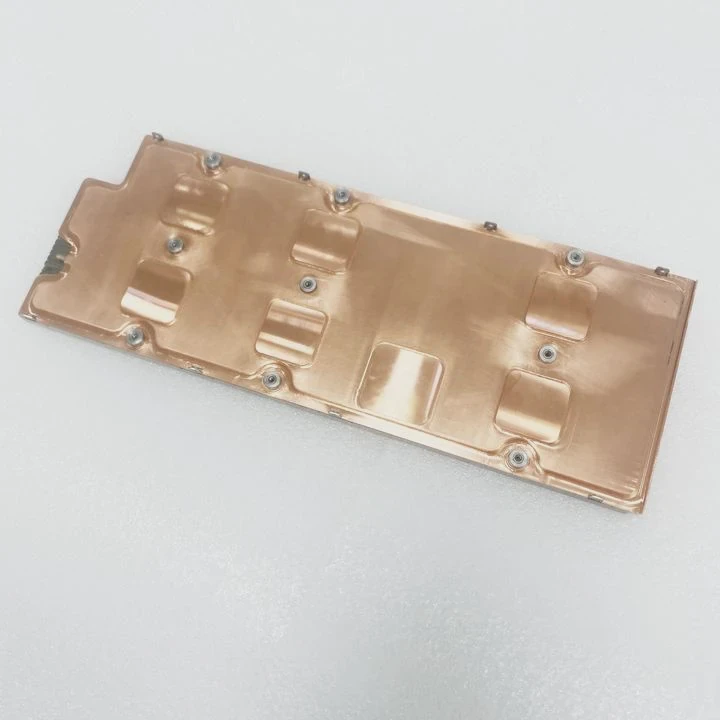
Sometimes, even the best cooling system cannot last forever. When performance drops, the system starts to show signs of wear, and it’s time to replace it.
To replace liquid cooling, first power down the device, drain the coolant, remove the old system, clean the contact surfaces, then install and test the new cooler.
Before diving into technical steps, understanding when and why replacement is needed can help prevent costly downtime and protect expensive hardware.
When should cooling be replaced?
Cooling systems are often ignored until a failure happens. Yet, overheating can damage entire systems fast.
Cooling should be replaced when temperature readings rise abnormally, coolant discolors, or the pump makes unusual noise.
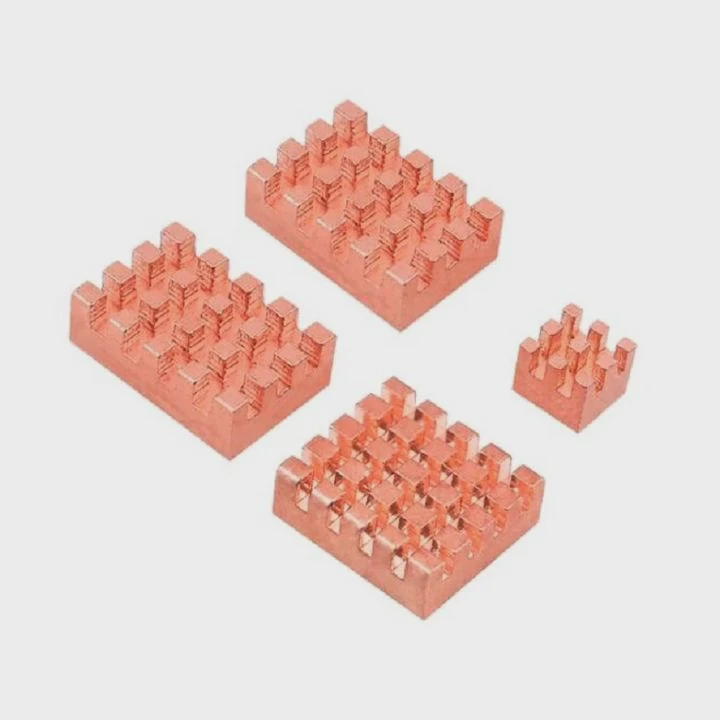
Aging coolant can lose its efficiency, and micro debris can clog the flow channels. Replacing the cooling system on time ensures steady heat transfer and reliable operation.
Signs of cooling system degradation
| Symptom | Possible Cause | Solution |
|---|---|---|
| Higher temperatures | Clogged channels | Flush or replace the loop |
| Noisy pump | Bearing wear | Replace the pump |
| Coolant discoloration | Oxidation or algae | Drain and refill |
| Frequent shutdowns | Overheating protection | Replace entire system |
When I first started working with thermal systems, I often ignored the signs of minor performance drops. That mistake cost me a full-day production halt because the coolant circulation was partially blocked. Since then, I have learned that preventive replacement is always cheaper than emergency repair.
The typical lifespan of a liquid cooler is 3–5 years, depending on coolant quality, temperature range, and operational load. For industrial systems or continuous-use electronics, replacement every 24–36 months is recommended.
What are the benefits of upgrading systems?
Over time, technology evolves, and so do cooling solutions. Many users still use first-generation coolers that are less efficient and harder to maintain.
Upgrading a cooling system improves heat dissipation, extends component life, and reduces noise and energy consumption.
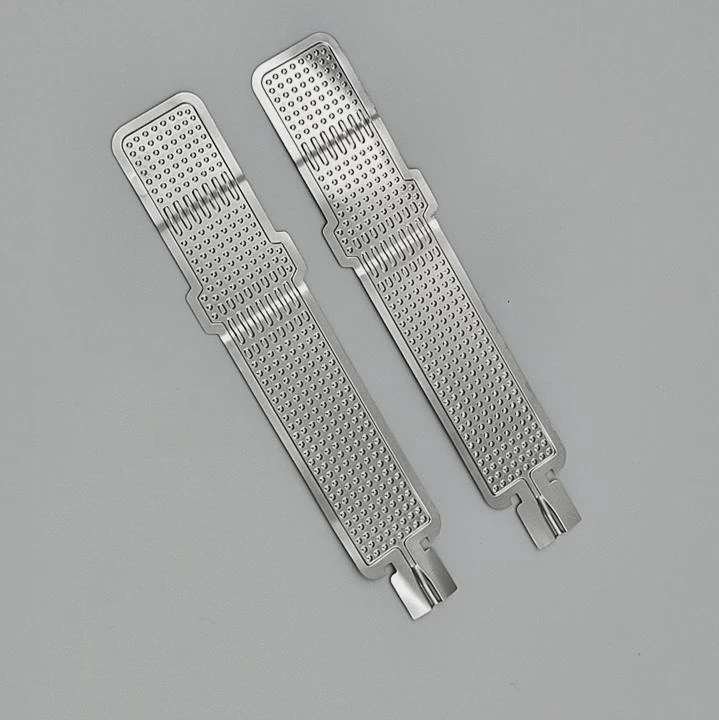
Modern systems use optimized flow paths, micro-channel cold plates, and intelligent sensors. These designs not only improve cooling efficiency but also reduce maintenance costs.
Comparing old vs. new systems
| Feature | Old Cooling System | Modern Cooling System |
|---|---|---|
| Heat transfer efficiency | Moderate | High (up to 30% better) |
| Noise level | Noticeable | Nearly silent |
| Maintenance | Frequent | Minimal |
| Modularity | Limited | Fully customizable |
Newer cooling systems also support predictive monitoring. With integrated sensors, the user can check coolant level, flow rate, and surface temperature in real time. This helps detect problems early before any overheating occurs.
Another key benefit is energy efficiency. Improved pump design and thermal optimization can reduce power consumption by up to 20%, making it both eco-friendly and cost-effective.
Upgrading also means compatibility with advanced materials. Many of today’s solutions use aluminum, copper composites, or graphene coatings for faster thermal conduction. This ensures uniform cooling even under heavy load.
How to replace a cooler safely?
Replacing a cooler might look simple, but doing it wrong can damage components or cause leaks. Safety should always come first.
To replace a cooler safely, disconnect all power, ground yourself to avoid static discharge, drain the coolant completely, and install the new unit following the manufacturer’s instructions.
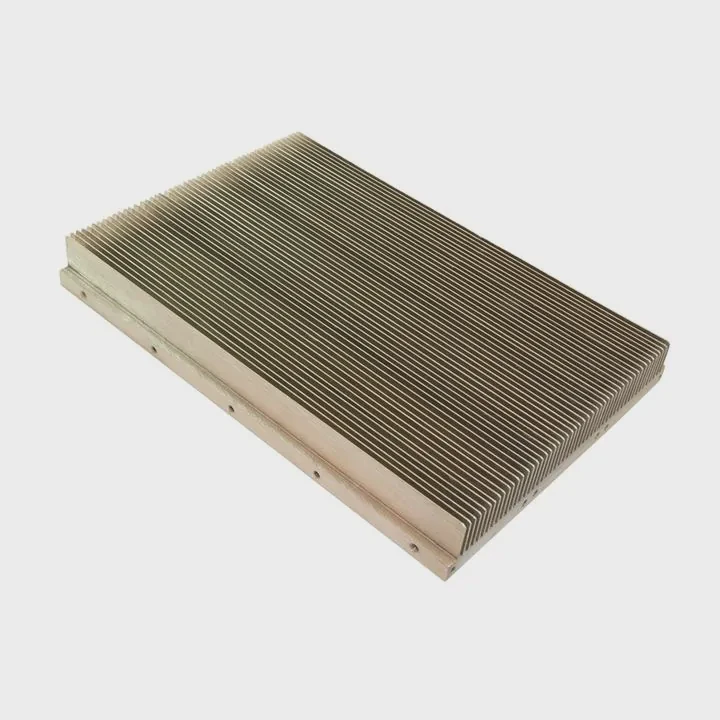
Step-by-step replacement guide
- Power off and unplug the entire system.
- Drain the coolant into a sealed container for proper disposal.
- Remove tubing and connectors carefully, avoiding force.
- Clean contact surfaces with isopropyl alcohol to remove old thermal paste.
- Mount the new cooler, securing it evenly to ensure full surface contact.
- Refill with new coolant, checking for leaks.
- Run a test before full operation to monitor flow and temperature.
When I performed my first replacement, I underestimated how sensitive fittings can be. I tightened one too much and caused a hairline crack in the fitting. That small mistake led to a slow leak that took hours to find. Always use gentle torque and follow the recommended tightening force.
Safety gloves, protective eyewear, and good ventilation are also essential, especially when handling coolants. Some coolants can irritate skin or emit mild odors during draining.
What are the innovations in modular cooling?
In the last few years, modular cooling systems have transformed how we think about heat management. They are flexible, efficient, and easy to maintain.
Modular cooling allows individual components like cold plates, pumps, and radiators to be replaced or upgraded without changing the entire system.
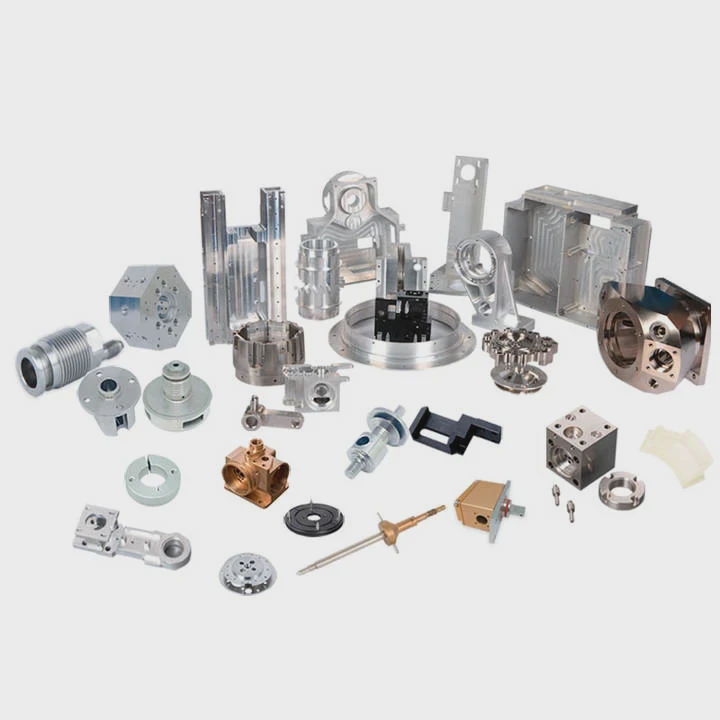
This design philosophy saves both time and money. For example, when one module reaches its end of life, it can be swapped out while other modules continue to function.
Key features of modular cooling
| Feature | Description | Benefit |
|---|---|---|
| Plug-and-play modules | Quick connection system | Reduces downtime |
| Smart sensors | Real-time data monitoring | Prevents overheating |
| Multi-loop architecture | Independent cooling circuits | Enhances flexibility |
| Tool-free design | Easy assembly and disassembly | Saves labor cost |
Modular systems are especially popular in data centers, EV batteries, and industrial automation equipment, where downtime is expensive. With modular setups, technicians can perform maintenance during operation by isolating one cooling loop without affecting the others.
Another innovation is liquid-phase change modules. These modules use phase change materials (PCM) that absorb heat during operation and release it gradually when the temperature drops. It provides excellent stability under fluctuating thermal loads.
Also, the use of aluminum-based composite structures has improved both weight and performance. These new materials provide strong mechanical strength and high thermal conductivity, perfect for compact, high-power devices.
In my experience working with modular systems, the biggest advantage is scalability. Whether cooling a single device or an entire system rack, modular designs can expand easily without complex redesigns. This future-proofs your setup and keeps operational costs predictable.
Conclusion
Replacing or upgrading a cooling system ensures stable performance, longer lifespan, and safer operation. Modular and efficient systems today make maintenance easier and more sustainable for every user.
TAGS
Latest Articles

Volume discount levels for heat sink orders?
Buyers often ask when heat sink prices start to drop with volume. Many worry they’re overpaying for small orders. This guide explains how B2B volume pricing works for thermal components. Heat sink
21 Dec,2025
Heat sink long-term supply contract options?
Many buyers want stable pricing and reliable delivery for heat sinks. But without a clear contract, risks grow over time. This article explores how to secure better long-term supply deals. Long-term
21 Dec,2025
Tooling cost for new heat sink profiles?
Many engineers struggle to understand why tooling for custom heat sinks costs so much. They worry about budgeting and production timelines. This article breaks down the cost drivers behind tooling.
21 Dec,2025
Heat sink custom sample process steps?
Sometimes, starting a custom heat sink project feels overwhelming—too many steps, too many unknowns, and too many risks. You want a sample, but not endless delays. The process for requesting and
20 Dec,2025
Standard B2B terms for heat sink payments?
When buyers and sellers in B2B heat sink markets talk about payment, many don’t fully understand what’s standard. This can lead to delayed orders, miscommunication, and even lost business
20 Dec,2025
Heat sink pricing factors for large orders?
Heat sinks are vital for many systems. When prices rise, projects stall and budgets break. This problem can hit teams hard without warning. Large order heat sink pricing depends on many factors. You
20 Dec,2025Related Articles
- How to check if my liquid cooling is working?
- Is liquid cooling safe?
- Is liquid or fan cooling better?
- What liquid is used in water cooling?
- How to do liquid cooling?
- Is liquid cooling quiet?
- Which is better, oil-cooled or liquid-cooled engine?
- Is liquid cooling quieter than fans?
- Is a Liquid CPU Cooler Worth It?
- What is the difference between water cooling and liquid cooling?
- How to check if a liquid cooler is working?
- How to change cooling liquid in a car?
Author
Dr. Emily Chen
Chief AI Researcher
Leading expert in thermal dynamics and AI optimization with over 15 years of experience in data center efficiency research.
Categories
Latest Products






Recommend Categories
- Liquid cooling plate Manufacturer
- Industrial Heat Sink Manufacturer
- Standard Heat Sink Manufacturer
- Aluminum Heat Sink Manufacturer
- Copper Heat Sink Manufacturer
- Anodized Heatsink Manufacturer
- Stamping heat sink Manufacturer
- Die Casting Heatsink Manufacturer
- Soldering heat sink Manufacturer
- CNC Parts Manufacturer
Latest Products
- Wholesale Aluminum Radiator
- Water Cooling Plate Kit
- Water Cooling Heat Sink
- Water Cooling Heat Sink Kit
- Stainless Steel Water Distributor
- Server Water Cooling Plate Kit
- Server Liquid Cooling System
- Server Aluminum Cooling Kit
- S19 Full Cover Cooling Plate
- S19 Cooling Plate Kit
- S19 Aluminum Cooling Plate
Contact Expert
Have questions about this article? Reach out to our experts directly.