Is a liquid cooler worth it?
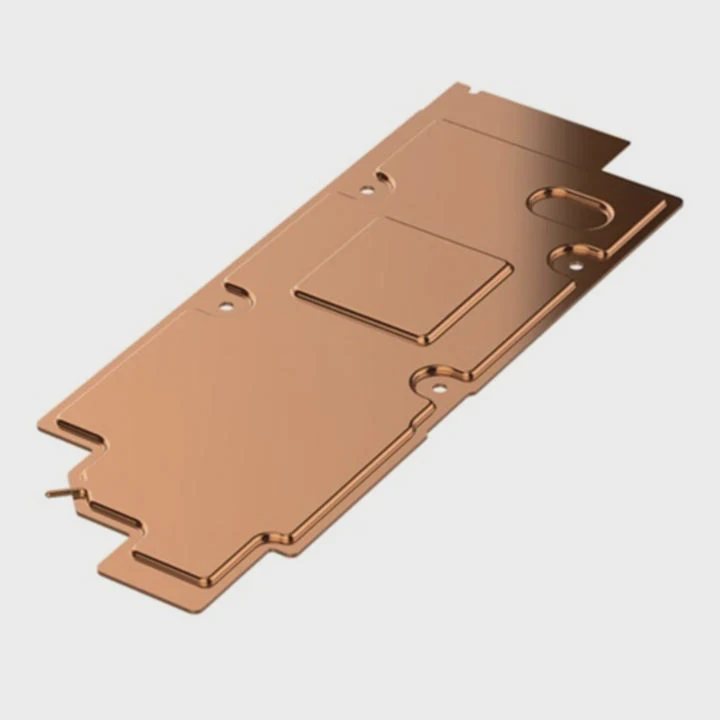
Many PC users wonder if a liquid cooler really makes a difference. It looks advanced and powerful, but it also costs more and seems harder to install.
A liquid cooler is worth it if you need quiet operation, better thermal performance, or plan to overclock your CPU for high-demand workloads or gaming.
Let’s break down what a liquid cooler is, how it differs from air cooling, and what performance trends are shaping cooling systems today.
What is a liquid cooler?
A CPU generates heat every time it processes data. Without proper cooling, it can throttle performance or even shut down.
A liquid cooler is a system that uses a pump, tubes, and radiator to transfer heat away from the CPU more efficiently than air coolers.
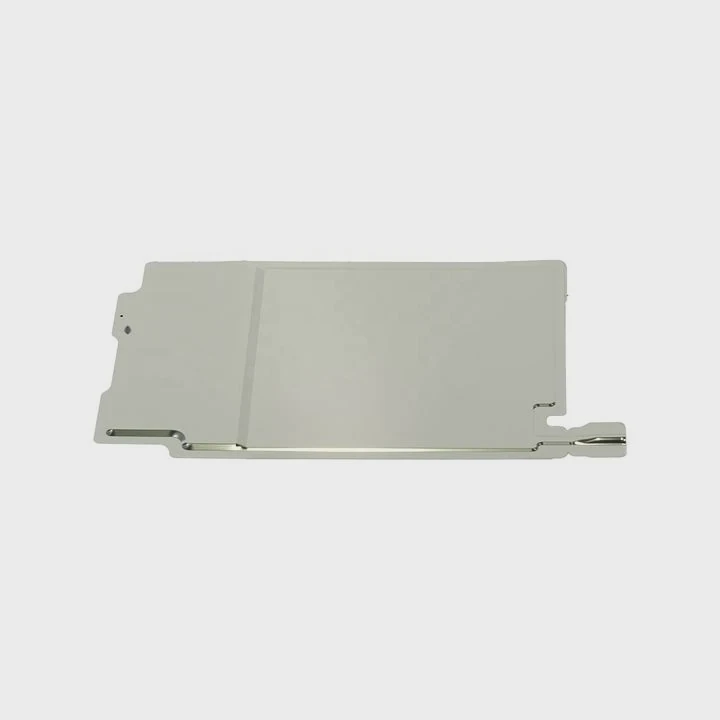
How It Works
A liquid cooler (also called an AIO—All-In-One—cooler) moves a special non-conductive fluid through a closed loop. Here’s how the process works step by step:
| Component | Function |
|---|---|
| Water Block | Attached to the CPU surface to absorb heat. |
| Pump | Circulates coolant through tubes. |
| Tubes | Carry hot liquid to the radiator and cool liquid back to the block. |
| Radiator | Transfers heat from the liquid to air with the help of fans. |
| Fans | Move air through the radiator fins to dissipate heat quickly. |
The pump moves coolant from the block to the radiator. Fans then blow cool air across the radiator fins to remove heat. This loop runs continuously while your PC operates.
Why It’s Different
Unlike traditional air coolers that rely solely on a metal heat sink and fan, a liquid cooler distributes heat more evenly. It uses fluid dynamics instead of just airflow, which leads to more consistent and efficient temperature control.
The technology originally came from industrial applications and high-performance servers, but now it’s common in gaming and workstation PCs.
What are the advantages over air coolers?
Air coolers are simpler and cheaper, but they have limits when it comes to heat dissipation and noise control.
Liquid coolers offer better thermal performance, lower noise levels, and cleaner aesthetics compared to traditional air coolers.
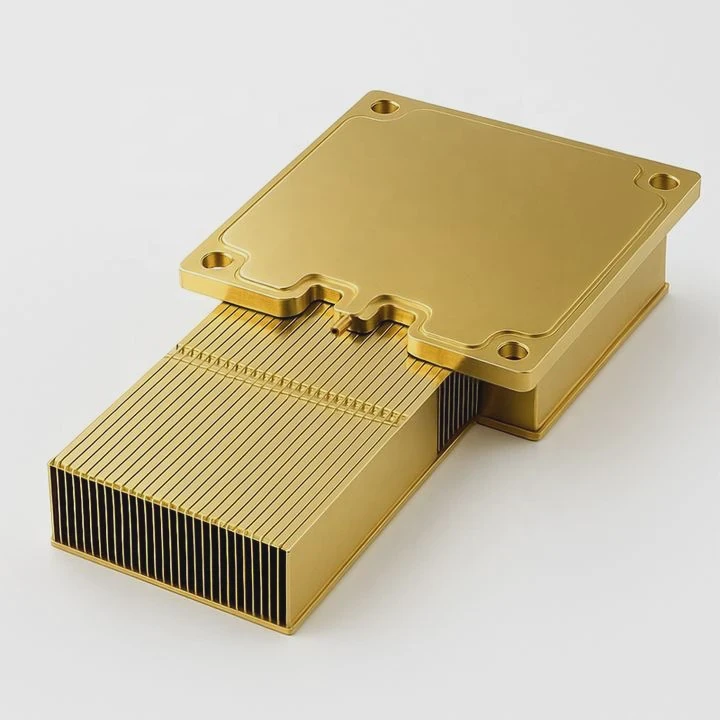
Key Advantages
| Feature | Liquid Cooler | Air Cooler |
|---|---|---|
| Cooling Efficiency | Excellent, handles high TDP CPUs easily | Good, but limited under heavy load |
| Noise Level | Quieter due to slower fan speed | Louder at high RPMs |
| Aesthetic Design | Sleek, minimal design with RGB options | Bulky with visible fans |
| Overclocking Support | Ideal for overclocked CPUs | Limited by heat saturation |
| Case Compatibility | Flexible radiator placement | Large models can block RAM or GPU |
| Maintenance | Low (for AIOs), moderate (for custom loops) | Very low |
Why Performance Is Better
Liquid coolers manage heat more evenly across the CPU surface. Because liquid has a higher specific heat capacity than air, it can absorb more energy before warming up. This allows your system to stay stable even under stress tests or gaming marathons.
Real Example
On a high-end CPU like the Intel i9 or AMD Ryzen 9, switching from an air cooler to a 360mm AIO liquid cooler can reduce temperatures by 15–25°C under full load. This not only keeps the system stable but also reduces noise from constantly spinning fans.
How to decide if liquid cooling suits your needs?
It’s not always necessary to use liquid cooling. For many builds, a good air cooler is enough. But in some cases, liquid cooling brings clear benefits.
You should consider a liquid cooler if you prioritize quiet operation, run heavy workloads, or use a high-performance CPU that generates significant heat.
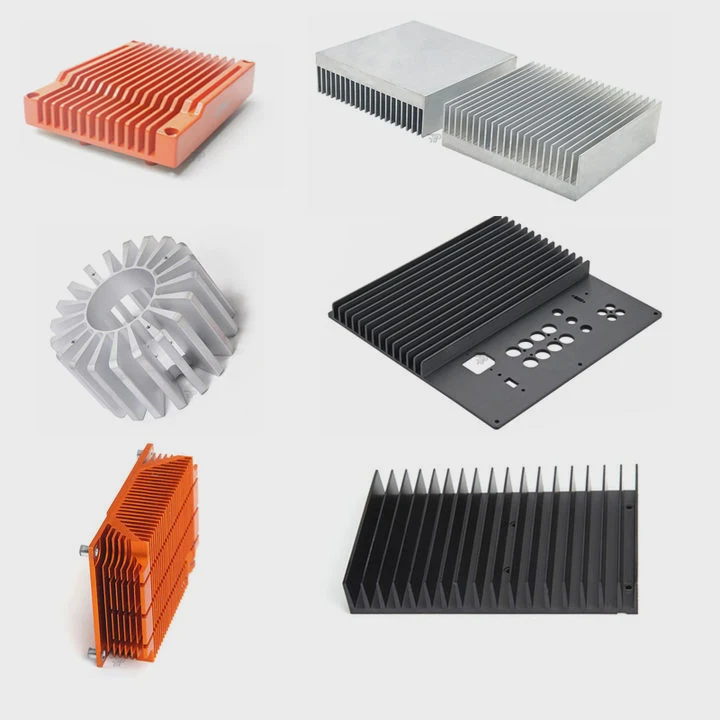
When Liquid Cooling Makes Sense
| Situation | Recommendation |
|---|---|
| Gaming or Overclocking | Liquid cooling keeps temperatures stable under sustained loads. |
| High Ambient Temperatures | More effective in hot environments where air cooling struggles. |
| Compact or Aesthetic Builds | AIOs allow cleaner setups and flexible radiator placement. |
| Content Creation | Rendering or simulation workloads benefit from thermal headroom. |
| Silent PC Builds | Low fan speeds keep noise to a minimum. |
When to Avoid Liquid Cooling
If your CPU has a low thermal design power (TDP), or your system runs mainly office or browsing tasks, air cooling is more cost-effective. Also, in areas with limited airflow or no radiator mounting points, liquid cooling may not fit well.
My Personal Experience
I once built a workstation for 3D modeling using an air cooler. It worked fine until summer arrived—then fans constantly hit max speed. Upgrading to a 240mm liquid cooler dropped CPU temps by 20°C and made the system almost silent. That’s when I realized cooling efficiency directly affects productivity.
What are the performance trends in cooling systems?
Cooling technology evolves quickly as CPUs and GPUs grow more powerful. In 2025, cooling systems focus on smarter control, eco-friendly materials, and smaller form factors.
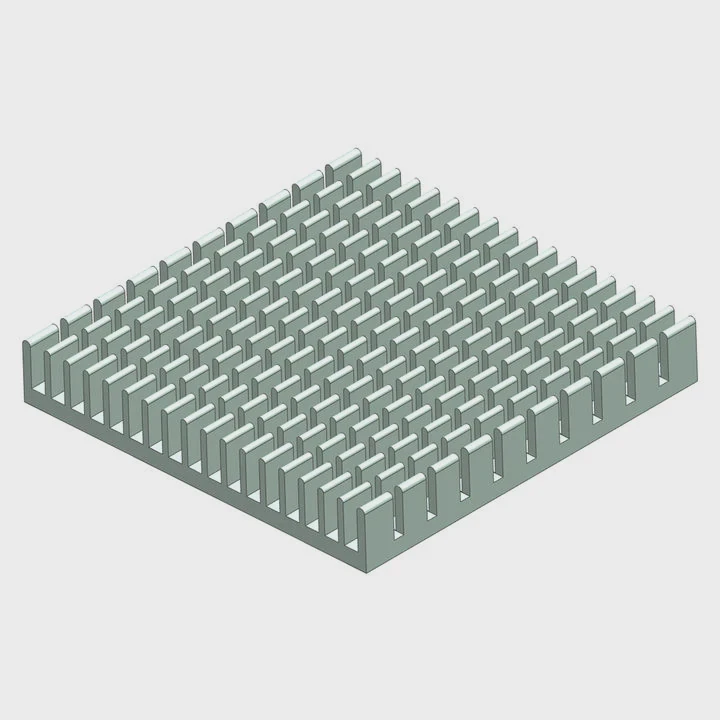
Current cooling trends include AI-based thermal management, hybrid cooling designs, eco-friendly coolants, and thinner high-efficiency radiators.
Trend 1: AI-Controlled Cooling Systems
AI algorithms now manage fan curves and pump speeds automatically. These smart controllers monitor CPU load, ambient temperature, and noise limits, adjusting the system in real time. The result is efficient cooling with minimal noise.
Trend 2: Hybrid Air-Liquid Coolers
Some manufacturers now combine both systems. These hybrid coolers use small liquid channels with high-performance fans. They provide liquid cooling performance in a smaller, simpler package—ideal for compact builds.
Trend 3: Eco-Friendly Coolants
New coolants are non-toxic and biodegradable. They also have higher heat capacity and lower viscosity, improving flow rates without harming the environment. Many brands now ship prefilled coolers with sustainable liquid blends.
Trend 4: Graphene and Nano Materials
Graphene-coated radiators and nano-structured surfaces are improving heat dissipation. These materials spread heat more evenly, reducing thermal resistance and improving durability.
Trend 5: Customizable Lighting and Displays
RGB lighting is evolving into mini displays. Modern pumps can show CPU temperature, speed, or even custom graphics directly on the cooler. It’s part performance, part personalization.
Trend 6: Thinner, More Efficient Radiators
Radiator design now focuses on compact efficiency. New fin structures and micro-channel layouts allow 240mm coolers to match or even outperform older 360mm units.
Trend 7: Smart Monitoring Software
Cooler manufacturers now include desktop software for performance tracking. You can check coolant temperature, pump speed, and fan noise—all from your PC dashboard. Some systems also offer mobile app integration.
Future Outlook
By 2026, we may see self-maintaining AIOs that automatically remove air bubbles and rebalance coolant. These innovations will reduce failure rates and make liquid cooling as simple as air cooling—no maintenance, no risk.
Conclusion
A liquid cooler is absolutely worth it if you want better cooling, less noise, and more aesthetic control. It shines in gaming rigs, workstations, and quiet PC builds. Air coolers still make sense for budget or low-power setups, but liquid cooling continues to push the boundaries of performance. With smarter, greener, and more compact systems emerging, the future of cooling is both efficient and elegant.
TAGS
Latest Articles

Volume discount levels for heat sink orders?
Buyers often ask when heat sink prices start to drop with volume. Many worry they’re overpaying for small orders. This guide explains how B2B volume pricing works for thermal components. Heat sink
21 Dec,2025
Heat sink long-term supply contract options?
Many buyers want stable pricing and reliable delivery for heat sinks. But without a clear contract, risks grow over time. This article explores how to secure better long-term supply deals. Long-term
21 Dec,2025
Tooling cost for new heat sink profiles?
Many engineers struggle to understand why tooling for custom heat sinks costs so much. They worry about budgeting and production timelines. This article breaks down the cost drivers behind tooling.
21 Dec,2025
Heat sink custom sample process steps?
Sometimes, starting a custom heat sink project feels overwhelming—too many steps, too many unknowns, and too many risks. You want a sample, but not endless delays. The process for requesting and
20 Dec,2025
Standard B2B terms for heat sink payments?
When buyers and sellers in B2B heat sink markets talk about payment, many don’t fully understand what’s standard. This can lead to delayed orders, miscommunication, and even lost business
20 Dec,2025
Heat sink pricing factors for large orders?
Heat sinks are vital for many systems. When prices rise, projects stall and budgets break. This problem can hit teams hard without warning. Large order heat sink pricing depends on many factors. You
20 Dec,2025Related Articles
- Does a liquid cooler need water?
- How AIO liquid cooler works?
- How to install a liquid cooling system?
- What liquid is in water cooling?
- How to replace CPU liquid cooler?
- Does a liquid CPU cooler need thermal paste?
- Which electric cars have liquid-cooled batteries?
- Are liquid cooling systems worth it?
- Is liquid-cooled CPU worth it?
- What is the liquid in water cooling?
- Which is better, air-cooled or liquid-cooled generators?
- Why does a liquid cool when it evaporates?
Author
Dr. Emily Chen
Chief AI Researcher
Leading expert in thermal dynamics and AI optimization with over 15 years of experience in data center efficiency research.
Categories
Latest Products






Recommend Categories
- Liquid cooling plate Manufacturer
- Industrial Heat Sink Manufacturer
- Standard Heat Sink Manufacturer
- Aluminum Heat Sink Manufacturer
- Copper Heat Sink Manufacturer
- Anodized Heatsink Manufacturer
- Stamping heat sink Manufacturer
- Die Casting Heatsink Manufacturer
- Soldering heat sink Manufacturer
- CNC Parts Manufacturer
Latest Products
- Wholesale Aluminum Radiator
- Water Cooling Plate Kit
- Water Cooling Heat Sink
- Water Cooling Heat Sink Kit
- Stainless Steel Water Distributor
- Server Water Cooling Plate Kit
- Server Liquid Cooling System
- Server Aluminum Cooling Kit
- S19 Full Cover Cooling Plate
- S19 Cooling Plate Kit
- S19 Aluminum Cooling Plate
Contact Expert
Have questions about this article? Reach out to our experts directly.