Does a liquid cooler need water?
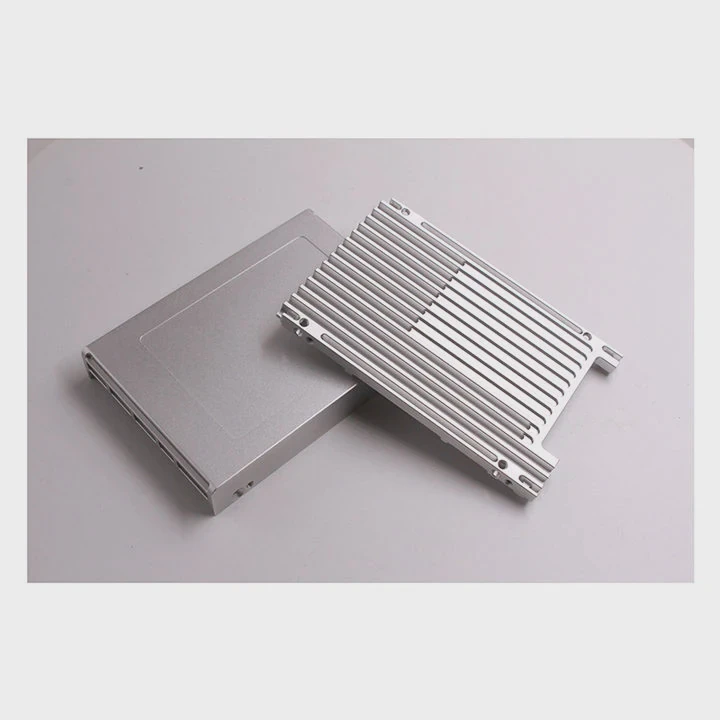
When people hear “liquid cooling,” they often assume it must involve plain water. But modern systems use more advanced fluids designed for performance and safety.
A liquid cooler technically does not need pure water, but it relies on water or water-based coolant as the primary medium to transfer heat efficiently from the CPU to the radiator.
Understanding how water works in cooling helps explain why it remains the foundation of nearly every liquid cooling design, even in high-end custom systems.
What is the role of water in liquid cooling?
Water is not just a filler—it is the central player in any liquid cooler. Its purpose is simple but powerful: to move heat away quickly from where it’s generated.
In a liquid cooler, water absorbs heat from the CPU’s cold plate, carries it through tubing to the radiator, and releases it into the air with the help of fans.

The heat transfer process
- Absorption: The coolant absorbs heat through a conductive metal cold plate (usually copper or nickel).
- Circulation: A pump pushes the warm fluid through flexible tubes toward the radiator.
- Dissipation: The radiator transfers heat to its metal fins, and fans blow it away.
- Return flow: The cooled fluid travels back to the CPU block, and the cycle repeats.
Why water works so well
Water has one of the highest specific heat capacities of any common liquid. It can absorb large amounts of heat before its temperature rises. That makes it ideal for moving thermal energy quickly without needing a large volume or high flow rate.
Its stability, availability, and non-toxic nature also make it easy to use safely in both consumer and industrial cooling systems.
What are the benefits of using water as coolant?
Even though there are other fluids available, water remains the base of almost all cooling solutions for a reason—it delivers excellent results at low cost.
Water offers exceptional thermal conductivity, high heat capacity, low viscosity, and easy availability, making it the most efficient and economical coolant for CPU liquid cooling.
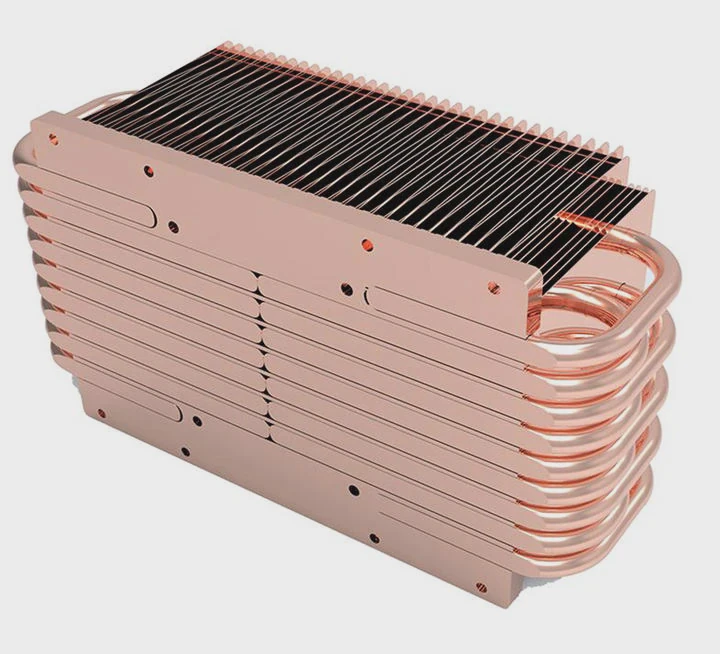
Main benefits explained
| Property | Description | Benefit |
|---|---|---|
| High thermal conductivity | Transfers heat quickly from hot surfaces | Faster cooling |
| High specific heat | Absorbs more heat before heating up | Stable temperature |
| Low viscosity | Flows easily through small tubes | Efficient circulation |
| Chemical stability | Does not react easily under normal conditions | Long-term reliability |
| Non-toxic and safe | Easy to handle and dispose | Safer for users |
Performance advantages
- Efficiency: Water’s heat capacity allows coolers to manage powerful CPUs effectively.
- Consistency: Maintains a narrow temperature range even under heavy loads.
- Quiet operation: Systems stay cool with slower fan speeds, reducing noise.
- Cost-effectiveness: Water-based fluids are far cheaper than exotic coolants.
These qualities make water the universal choice for almost every liquid cooling solution, from gaming PCs to industrial thermal systems.
How to use water safely in a cooling system?
Pure water alone can cool effectively but can also cause corrosion, algae growth, or electrical short circuits if it leaks. Proper handling and additives are essential for safety and durability.
To use water safely, combine it with corrosion inhibitors, biocides, and glycol additives to prevent oxidation, bacterial growth, and freezing or evaporation issues.
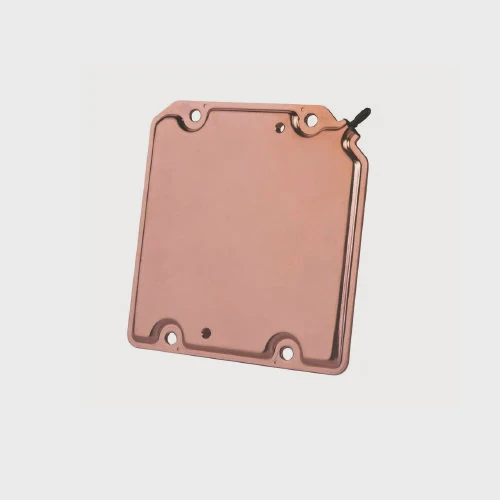
Steps for safe use
1. Use distilled or deionized water
Tap water contains minerals that can build up inside radiators or block water channels. Distilled water eliminates this risk and prevents scaling.
2. Add corrosion inhibitors
Additives like propylene glycol or anti-corrosion agents protect copper, aluminum, and nickel surfaces from reacting with water over time.
3. Include biocides
Microbial growth can clog tubes or discolor coolant. A few drops of biocide or silver kill coil prevent algae and bacteria formation.
4. Seal connections properly
Ensure all fittings are tight and leak-free before powering up the system. Perform a leak test by running the pump without the PC powered on.
5. Perform periodic maintenance
Replace coolant every 6–12 months to keep the system clean and efficient. Inspect tubes for cloudiness, leaks, or deposits.
Example safe coolant mixture
| Coolant Composition | Ratio | Function |
|---|---|---|
| Distilled water | 85–90% | Primary heat carrier |
| Propylene glycol | 5–10% | Anti-freeze and corrosion protection |
| Biocide additive | 1–2 drops per liter | Prevents biological growth |
These simple steps ensure your system runs safely while maintaining top cooling performance.
What are the trends in non-water cooling solutions?
Although water dominates the cooling world, manufacturers and researchers are exploring new materials that may outperform or complement it in the future.
The latest trends in non-water cooling include dielectric fluids, nanofluids, liquid metals, and phase-change materials designed for higher efficiency and electrical safety.
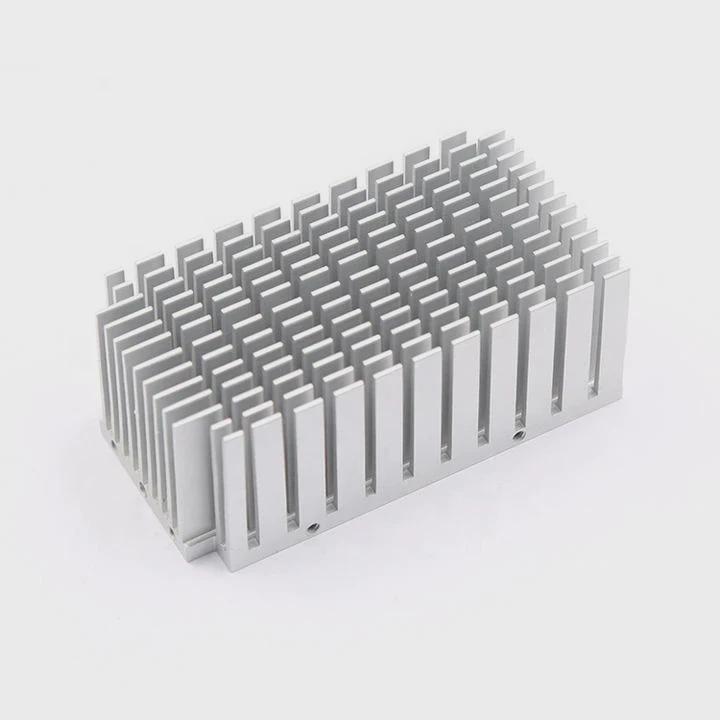
Emerging alternatives
1. Dielectric fluids
Fluids like 3M’s Novec and mineral oils are non-conductive, allowing direct immersion cooling without risk of short circuits. Data centers increasingly use them for server farms.
2. Nanofluids
These are traditional coolants mixed with metal or ceramic nanoparticles that boost thermal conductivity by 20–50%. They maintain the fluid nature of water while enhancing performance.
3. Liquid metals
Gallium-based alloys are ultra-efficient heat conductors, used in specialized cooling plates or thermal interfaces. However, they are expensive and can corrode aluminum parts.
4. Phase-change materials (PCMs)
PCMs absorb heat by changing state (solid to liquid) at controlled temperatures. They’re used in compact cooling modules for electronics and aerospace systems.
5. Hybrid coolants
Manufacturers are developing hybrid solutions that combine water with nanomaterials or low-viscosity oils for higher durability and performance.
Comparison of emerging coolants
| Coolant Type | Conductivity (W/m·K) | Electrical Conductivity | Safety | Typical Use |
|---|---|---|---|---|
| Water-based | 0.6 | High | Moderate | PCs, consumer cooling |
| Dielectric fluid | 0.15–0.25 | None | Very safe | Servers, immersion systems |
| Nanofluid | 0.8–1.2 | Low | Safe | Research, HPC systems |
| Liquid metal | 30–70 | High | Risky | Extreme cooling, lab systems |
| PCM | 0.2–0.5 | None | Safe | Aerospace, IoT devices |
Looking ahead
While water will remain dominant due to its simplicity and cost-effectiveness, the future lies in specialized coolants that can handle higher thermal loads safely. Hybrid systems will bridge the gap between performance and safety, offering users more efficient and maintenance-free cooling options.
Conclusion
Liquid coolers rely on water or water-based fluids to transfer heat effectively. Water’s thermal properties make it ideal for cooling, but safety requires proper additives and maintenance. As technology advances, new non-water coolants will expand cooling possibilities without replacing the unmatched versatility of water.
TAGS
Latest Articles

Volume discount levels for heat sink orders?
Buyers often ask when heat sink prices start to drop with volume. Many worry they’re overpaying for small orders. This guide explains how B2B volume pricing works for thermal components. Heat sink
21 Dec,2025
Heat sink long-term supply contract options?
Many buyers want stable pricing and reliable delivery for heat sinks. But without a clear contract, risks grow over time. This article explores how to secure better long-term supply deals. Long-term
21 Dec,2025
Tooling cost for new heat sink profiles?
Many engineers struggle to understand why tooling for custom heat sinks costs so much. They worry about budgeting and production timelines. This article breaks down the cost drivers behind tooling.
21 Dec,2025
Heat sink custom sample process steps?
Sometimes, starting a custom heat sink project feels overwhelming—too many steps, too many unknowns, and too many risks. You want a sample, but not endless delays. The process for requesting and
20 Dec,2025
Standard B2B terms for heat sink payments?
When buyers and sellers in B2B heat sink markets talk about payment, many don’t fully understand what’s standard. This can lead to delayed orders, miscommunication, and even lost business
20 Dec,2025
Heat sink pricing factors for large orders?
Heat sinks are vital for many systems. When prices rise, projects stall and budgets break. This problem can hit teams hard without warning. Large order heat sink pricing depends on many factors. You
20 Dec,2025Related Articles
- How AIO liquid cooler works?
- How to install a liquid cooling system?
- What liquid is in water cooling?
- How to replace CPU liquid cooler?
- Does a liquid CPU cooler need thermal paste?
- How to make sure liquid cooling is working?
- Is a liquid cooler worth it?
- Which electric cars have liquid-cooled batteries?
- Are liquid cooling systems worth it?
- Is liquid-cooled CPU worth it?
- What is the liquid in water cooling?
- Which is better, air-cooled or liquid-cooled generators?
Author
Dr. Emily Chen
Chief AI Researcher
Leading expert in thermal dynamics and AI optimization with over 15 years of experience in data center efficiency research.
Categories
Latest Products






Recommend Categories
- Liquid cooling plate Manufacturer
- Industrial Heat Sink Manufacturer
- Standard Heat Sink Manufacturer
- Aluminum Heat Sink Manufacturer
- Copper Heat Sink Manufacturer
- Anodized Heatsink Manufacturer
- Stamping heat sink Manufacturer
- Die Casting Heatsink Manufacturer
- Soldering heat sink Manufacturer
- CNC Parts Manufacturer
Latest Products
- Wholesale Aluminum Radiator
- Water Cooling Plate Kit
- Water Cooling Heat Sink
- Water Cooling Heat Sink Kit
- Stainless Steel Water Distributor
- Server Water Cooling Plate Kit
- Server Liquid Cooling System
- Server Aluminum Cooling Kit
- S19 Full Cover Cooling Plate
- S19 Cooling Plate Kit
- S19 Aluminum Cooling Plate
Contact Expert
Have questions about this article? Reach out to our experts directly.