Is 120mm Liquid Cooling Enough?
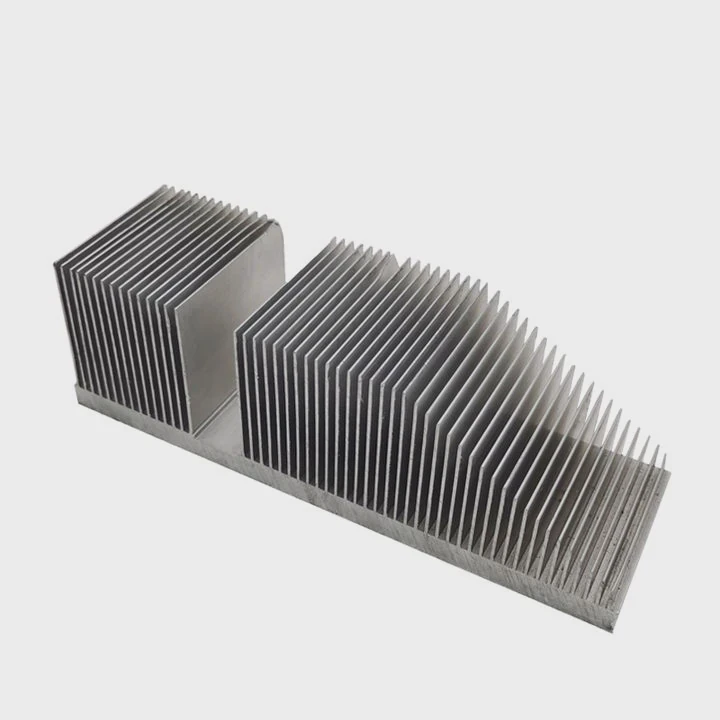
When you build or upgrade a PC, you often face one question: is a 120mm liquid cooler enough to keep my CPU safe and cool?
A 120mm liquid cooler can be enough for mid-range CPUs or compact builds, but it may struggle with high-power processors under sustained heavy loads.
Some people buy it for the compact size, but others find it limiting when pushing performance. To decide if it fits your setup, you must understand what it is, its limits, and how cooler sizes affect system efficiency.
What Is a 120mm Cooling System?
The term “120mm” refers to the size of the radiator fan, not the entire system. A 120mm liquid cooler usually has one fan attached to a radiator roughly 120×120 mm in size.
A 120mm cooling system is a single-fan liquid cooler designed for compact cases or moderate CPUs, balancing performance and space efficiency.
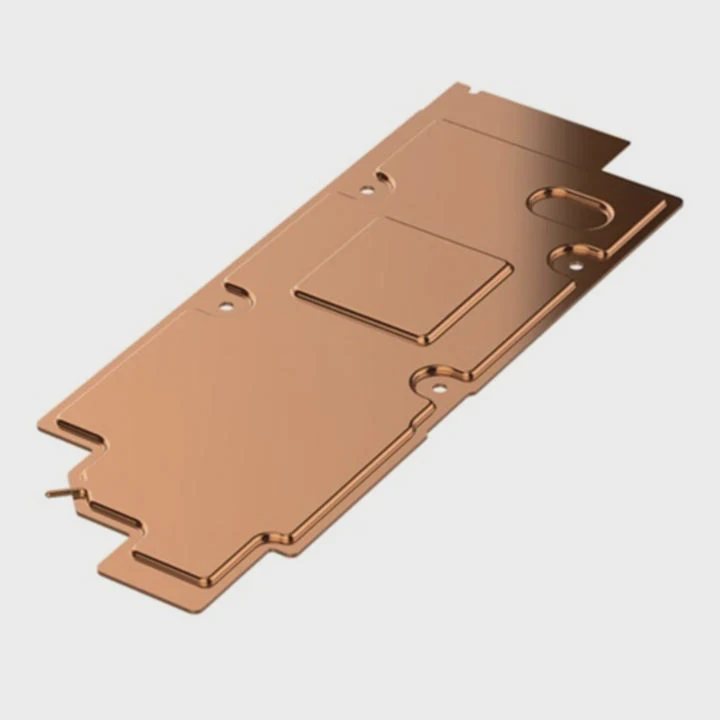
The system typically includes a water block, pump, radiator, and tubing. It transfers heat from the CPU to the radiator, where air cools the liquid before it cycles back. Because of its small footprint, it’s often used in Mini-ITX or Micro-ATX builds.
Common Components in a 120mm System
| Part | Function |
|---|---|
| Pump | Moves coolant through the system |
| Radiator | Releases heat into the air |
| Fan (120mm) | Pushes air through radiator fins |
| Water block | Absorbs heat from CPU |
| Tubing | Transfers liquid between parts |
For small form factor builds, it provides a neat and quiet cooling solution. However, it’s not meant for extreme performance or overclocked CPUs.
What Are Its Strengths and Limitations?
At first glance, a 120mm AIO (All-in-One) cooler looks sleek and easy to install. It’s affordable and compact, but not everyone finds it powerful enough.
The main strengths of 120mm liquid cooling are compactness and low noise, while its main limits are reduced heat capacity and thermal performance for high-power CPUs.
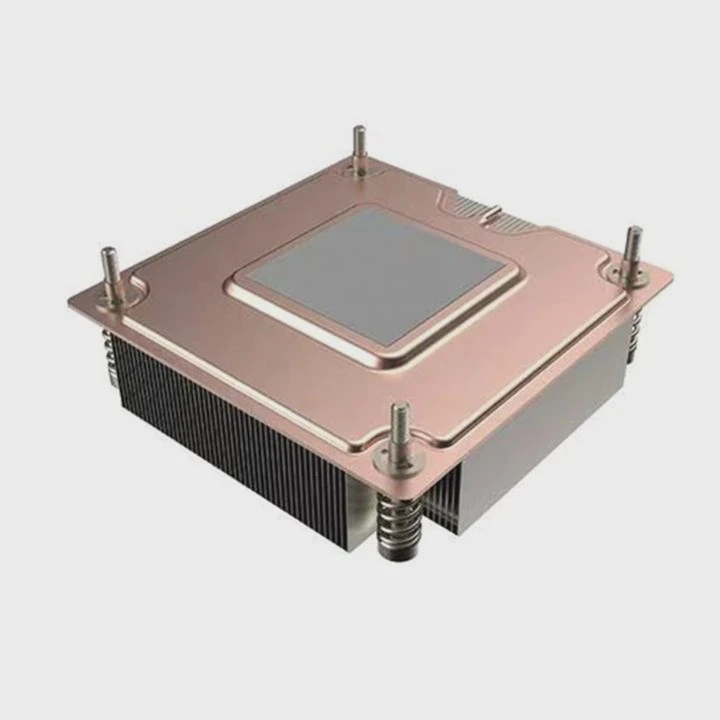
The cooling area of a 120mm radiator is much smaller than 240mm or 360mm versions. This limits the amount of heat it can dissipate. While it performs well for CPUs up to 100W TDP, it can’t handle continuous high thermal loads efficiently.
Strengths vs. Limitations
| Aspect | Strength | Limitation |
|---|---|---|
| Size | Compact for small cases | Limited cooling surface |
| Noise | Quieter operation | May need higher fan RPM |
| Price | Affordable | Less value for high-end CPUs |
| Installation | Easy and fast | Not future-proof for upgrades |
From my experience, a 120mm AIO worked perfectly in a compact workstation with a Ryzen 5 CPU. But when I upgraded to a Ryzen 9 chip, temperatures rose quickly under rendering loads. This made me switch to a 240mm model.
Real-World Example
When you run gaming or rendering sessions for hours, the smaller radiator can become saturated with heat. The coolant doesn’t have enough time to cool before cycling back, which keeps temperatures higher than desired. For basic use, it’s fine — but for heavy workloads, it becomes a bottleneck.
How to Decide If It Fits Your CPU?
Choosing the right cooler is not just about brand or price. It’s about matching the cooler’s capacity to your CPU’s heat output and your case’s airflow.
A 120mm cooler fits CPUs with TDP below 100W and works best in small or quiet builds where space and aesthetics matter more than raw performance.
Before deciding, check your CPU’s thermal design power (TDP). Manufacturers usually specify this in watts. If your CPU generates more heat than the cooler can handle, it will throttle performance to protect itself.
CPU TDP and Cooler Recommendation
| CPU TDP (Watts) | Recommended Cooler Size |
|---|---|
| ≤ 65W | 120mm liquid or air cooler |
| 65–125W | 240mm or dual-fan liquid cooler |
| >125W | 280mm or 360mm liquid cooler |
If your processor is something like an Intel i5 or AMD Ryzen 5, a 120mm AIO should be enough for normal gaming and productivity. But if you’re using a Ryzen 9, i9, or workstation CPU, the 120mm cooler won’t keep up for long periods.
Installation and Space Considerations
When I built a compact Mini-ITX system, space was limited. A 120mm cooler fit perfectly, and it kept my CPU below 70°C under moderate load. However, when rendering videos or compiling code for hours, the temperature climbed near 85°C. It worked, but I had little thermal headroom.
If you have a mid-tower or full tower case, it’s better to choose a larger radiator — it will provide more stable performance and lower fan noise.
What Are the Size Trends in Cooling Design?
Cooling technology keeps evolving. Manufacturers are designing systems that balance compactness, efficiency, and silence. The 120mm format still exists, but larger systems are becoming more common.
The trend in cooling design shows a move toward larger radiators (240mm, 280mm, and 360mm) and multi-fan setups for better heat dissipation and quieter performance.

As CPUs and GPUs become more powerful, heat generation also rises. To meet this demand, companies design coolers with more surface area, dual or triple fans, and improved fin density. Even in small form factor PCs, 240mm models are now common due to slim radiator technology.
Cooling Size Trend Overview
| Year | Common Radiator Size | Adoption Trend |
|---|---|---|
| 2018 | 120mm–240mm | Entry-level use |
| 2020 | 240mm–280mm | Mainstream builds |
| 2023 | 280mm–360mm | High-performance standard |
| 2025 (est.) | 240mm+ | Compact efficiency focus |
These trends suggest that while 120mm systems are still used, they’re mainly for budget or space-limited builds. Enthusiasts and professionals prefer larger radiators that offer more consistent performance under heavy workloads.
Why Bigger Is Becoming Better
There are several reasons behind this shift:
- CPUs have more cores and higher boost clocks
- Larger radiators distribute heat more efficiently
- Fans can spin slower, reducing noise
- Builders value aesthetics and RGB customization
I noticed this trend when helping clients design their PC builds. Many initially wanted 120mm AIOs to save space. But after comparing performance and noise data, they often upgraded to 240mm options for long-term reliability.
Conclusion
A 120mm liquid cooler is enough for light to medium workloads, compact builds, or CPUs under 100W TDP. It’s a good start for those seeking quiet and simple cooling, but for powerful systems or heavy use, larger radiators provide better results and thermal stability.
TAGS
Latest Articles

Volume discount levels for heat sink orders?
Buyers often ask when heat sink prices start to drop with volume. Many worry they’re overpaying for small orders. This guide explains how B2B volume pricing works for thermal components. Heat sink
21 Dec,2025
Heat sink long-term supply contract options?
Many buyers want stable pricing and reliable delivery for heat sinks. But without a clear contract, risks grow over time. This article explores how to secure better long-term supply deals. Long-term
21 Dec,2025
Tooling cost for new heat sink profiles?
Many engineers struggle to understand why tooling for custom heat sinks costs so much. They worry about budgeting and production timelines. This article breaks down the cost drivers behind tooling.
21 Dec,2025
Heat sink custom sample process steps?
Sometimes, starting a custom heat sink project feels overwhelming—too many steps, too many unknowns, and too many risks. You want a sample, but not endless delays. The process for requesting and
20 Dec,2025
Standard B2B terms for heat sink payments?
When buyers and sellers in B2B heat sink markets talk about payment, many don’t fully understand what’s standard. This can lead to delayed orders, miscommunication, and even lost business
20 Dec,2025
Heat sink pricing factors for large orders?
Heat sinks are vital for many systems. When prices rise, projects stall and budgets break. This problem can hit teams hard without warning. Large order heat sink pricing depends on many factors. You
20 Dec,2025Related Articles
- How Does a Liquid-Cooled Computer Work?
- What happens to a liquid when it cools?
- How to know if liquid cooling is working?
- Is liquid cooling high maintenance?
- How to use liquid cooling?
- How to change liquid cooling?
- What is the difference between air cooling and liquid cooling?
- Is liquid cooling good?
- Are liquid-cooled computers quieter?
- Is a 120mm liquid cooler enough?
- Is AIO liquid cooling worth it?
- Why is liquid cooling better than air?
Author
Dr. Emily Chen
Chief AI Researcher
Leading expert in thermal dynamics and AI optimization with over 15 years of experience in data center efficiency research.
Categories
Latest Products






Recommend Categories
- Liquid cooling plate Manufacturer
- Industrial Heat Sink Manufacturer
- Standard Heat Sink Manufacturer
- Aluminum Heat Sink Manufacturer
- Copper Heat Sink Manufacturer
- Anodized Heatsink Manufacturer
- Stamping heat sink Manufacturer
- Die Casting Heatsink Manufacturer
- Soldering heat sink Manufacturer
- CNC Parts Manufacturer
Latest Products
- Wholesale Aluminum Radiator
- Water Cooling Plate Kit
- Water Cooling Heat Sink
- Water Cooling Heat Sink Kit
- Stainless Steel Water Distributor
- Server Water Cooling Plate Kit
- Server Liquid Cooling System
- Server Aluminum Cooling Kit
- S19 Full Cover Cooling Plate
- S19 Cooling Plate Kit
- S19 Aluminum Cooling Plate
Contact Expert
Have questions about this article? Reach out to our experts directly.