why isn't my heatsink fan working?
Many builders ask me why their heatsink fan suddenly stops spinning, and the answer usually hides in simple power or control issues.
A heatsink fan may stop working because of bad connectors, wrong BIOS settings, dust buildup, or PWM mismatches. Fixing the problem starts with checking power and fan control.
I want to show you how I troubleshoot fan failures step by step.
Why connectors may fail?
I often see fans stop working because the connector does not deliver stable power.
Connectors may fail when pins loosen, cables bend, headers break, or when the fan plugs into the wrong header. Even a small contact issue can stop the motor.
When I first started building PCs, I learned how often a simple connector causes many cooling failures.
Why connectors lose contact
A fan uses small metal pins. These pins bend easily. If the cable stretches or twists, the pins may not touch the header well. Some fans use weak plugs that wiggle. If the board header is damaged, the power reaches the fan only part of the time.
Common connector issues table
| Issue | Cause | Effect |
|---|---|---|
| Bent pins | Cable force | No power |
| Wrong header | Plugged into RGB port | Zero rotation |
| Loose plug | Weak grip | Intermittent spins |
| Dead header | Board damage | Fan stays off |
Why header choice matters
A heatsink fan must plug into the CPU_FAN header. If it plugs into CHA_FAN, the board may not react fast to CPU temperature. Some boards delay case fan spin-up. This delay can look like a fan failure.
How I test connectors
I move the fan plug to another header. If the fan spins, the original header may be bad. I also test with a spare fan. This tells me if the fan or the header is the real problem.
My own fix
One time, my CPU fan stopped. I thought the fan died. But the pin in the plug had slipped back inside the housing. I pushed it forward, reconnected, and the fan worked again. That simple fix saved the day.
Which BIOS settings affect fans?
Many people forget that the BIOS controls fan speed and startup behavior.
BIOS settings affect fans by changing duty curves, spin-up thresholds, and temperature response. Wrong settings can keep a fan from spinning until the CPU gets very hot.
I want to show how BIOS rules control the fan, even when everything else looks fine.
Why fan curves matter
Some boards set a low start-up duty. If the fan needs more power to start than the curve gives, it will not spin. A small nudge may start it, but it will stop again when power drops.
BIOS control table
| Setting | What It Changes | Risk |
|---|---|---|
| Fan curve | Start and speed | May stall fan |
| PWM/DC mode | Control type | Wrong match stops motor |
| Smart control | Temperature reacts | Long delays |
| Quiet mode | Low duty | No spin at idle |
Why PWM/DC mode matters
A PWM fan needs PWM mode. A DC fan needs DC mode. If the mode is wrong, the fan may not respond. Some fans stall at very low voltage. Some boards force quiet mode by default.
How I check BIOS
I go into the hardware monitor area. I set the CPU fan to “Full Speed” for a test. If the fan spins, the curve or mode is wrong. Then I adjust the settings step by step until the fan starts normally.
My story
I once tested a cooler on a board that came in silent mode. The fan did not spin at idle. I thought it failed. But when I ran a stress test, the fan started suddenly. After I changed the curve, the fan worked smoothly from the start.
Can dust block fan rotation?
Many users think fans only slow down from dust, but sometimes dust fully locks the blades.
Dust can block fan rotation when debris gathers in the bearing, touches the blade edges, or forms thick layers on the heatsink fins. Heavy dust can stop a fan completely.
I want to explain how dust affects motion so you can clean it correctly.
Why dust stops blades
Dust sticks to fins and blades. At first, it makes the fan noisy. Later, it fills the gaps near the bearing. When the bearing fills, friction rises. The motor cannot start at low RPM. In some cases, a small clump touches the blade and blocks it.
Dust effects table
| Dust Level | Effect on Fan | Notes |
|---|---|---|
| Light | Low airflow | Still spins |
| Medium | Slow spin | Hard to start |
| Heavy | Full block | Fan stops |
| In bearing | Motor strain | Permanent damage |
How dust builds up
Warm air rises through the heatsink. Dust rides this airflow and sticks to metal. If the case has weak filters, dust builds even faster. Once dust reaches the bearing, the fan loses torque.
How I clean fans
I use compressed air at short bursts. I hold the blades still with a pencil to avoid overspin. I then wipe the edges with a soft brush. If dust sits inside the bearing, I add one tiny drop of thin oil and spin the fan by hand.
My own issue
I once had a fan that barely moved. When I cleaned it, I found a thick dust ring inside the hub. After cleaning, the fan spun like new. That moment taught me to clean fans more often.
Does PWM mismatch cause issues?
I often see people plug a 4-pin fan into a 3-pin header or the other way around without knowing the impact.
A PWM mismatch causes issues because a PWM fan needs a control signal, and a DC fan needs steady voltage. When control signals do not match the fan type, the motor may stall, twitch, or stop.
I want to break down how mismatches affect daily use.
Why PWM controls matter
A PWM fan uses a 25 kHz control signal on the fourth pin. If this signal is missing, the fan tries to run only from base voltage. Some models cannot start this way. A DC fan expects variable voltage, not PWM pulses.
PWM mismatch table
| Header Type | Fan Type | Result |
|---|---|---|
| PWM header | DC fan | Runs but control is weak |
| DC header | PWM fan | May not start |
| Wrong mode in BIOS | Any fan | Unstable spin |
Why mixed kits fail
Many coolers ship with fans that match their control type. When users swap fans, the control mode stays wrong. This mismatch leads to slow starts or no starts.
How I detect mismatch
If a fan twitches but does not spin, I check the header type. I also look at the BIOS setting. Switching from PWM to DC or DC to PWM often fixes the issue right away.
My final lesson
One time, a PWM fan on a DC header stayed still. The board gave low voltage at idle. The fan needed a PWM signal to start. After I switched the header to PWM mode, the fan spun instantly.
Conclusion
A heatsink fan may fail because of connector problems, BIOS settings, dust, or PWM mismatches. Checking power, control mode, and cleanliness often brings the fan back to life without replacing it.
TAGS
Latest Articles

Volume discount levels for heat sink orders?
Buyers often ask when heat sink prices start to drop with volume. Many worry they’re overpaying for small orders. This guide explains how B2B volume pricing works for thermal components. Heat sink
21 Dec,2025
Heat sink long-term supply contract options?
Many buyers want stable pricing and reliable delivery for heat sinks. But without a clear contract, risks grow over time. This article explores how to secure better long-term supply deals. Long-term
21 Dec,2025
Tooling cost for new heat sink profiles?
Many engineers struggle to understand why tooling for custom heat sinks costs so much. They worry about budgeting and production timelines. This article breaks down the cost drivers behind tooling.
21 Dec,2025
Heat sink custom sample process steps?
Sometimes, starting a custom heat sink project feels overwhelming—too many steps, too many unknowns, and too many risks. You want a sample, but not endless delays. The process for requesting and
20 Dec,2025
Standard B2B terms for heat sink payments?
When buyers and sellers in B2B heat sink markets talk about payment, many don’t fully understand what’s standard. This can lead to delayed orders, miscommunication, and even lost business
20 Dec,2025
Heat sink pricing factors for large orders?
Heat sinks are vital for many systems. When prices rise, projects stall and budgets break. This problem can hit teams hard without warning. Large order heat sink pricing depends on many factors. You
20 Dec,2025Related Articles
- how to case fan on heatsink?
- do i need heatsink for m 2 ssd?
- Will Samsung 990 Pro with heatsink fit in a laptop?
- how to remove an amd heatsink?
- can cpu run without heatsink?
- is a heatsink required for ps5?
- How to remove Intel heatsink?
- what is the purpose of a heatsink?
- how to install ps5 ssd with heatsink?
- what a good heatsink and cpu fan?
- how to make a heatsink more efficient?
- how long does heatsinks last on gaming pcs?
Author
Dr. Emily Chen
Chief AI Researcher
Leading expert in thermal dynamics and AI optimization with over 15 years of experience in data center efficiency research.
Categories
Latest Products
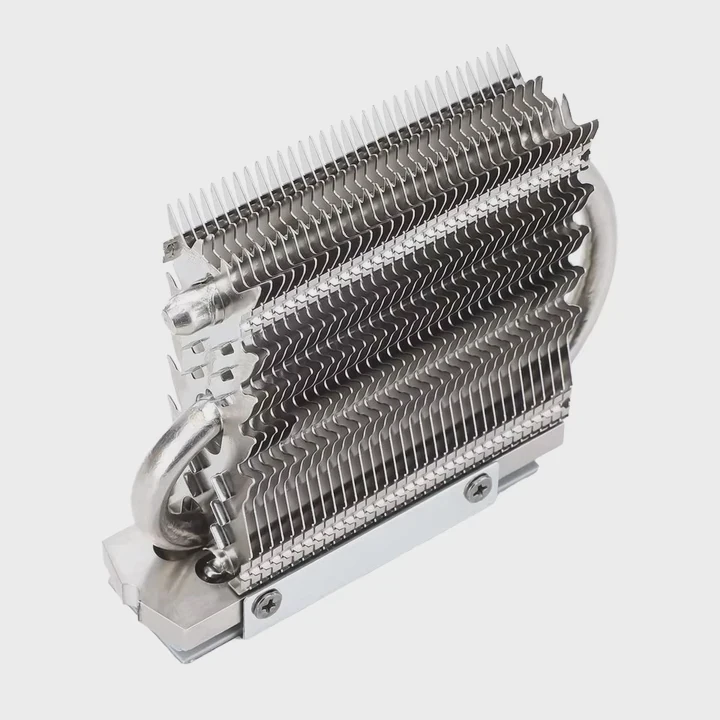
M.2 Heatpipe Heatsink With Dual Fans For Pc Case
19 Mar,2026
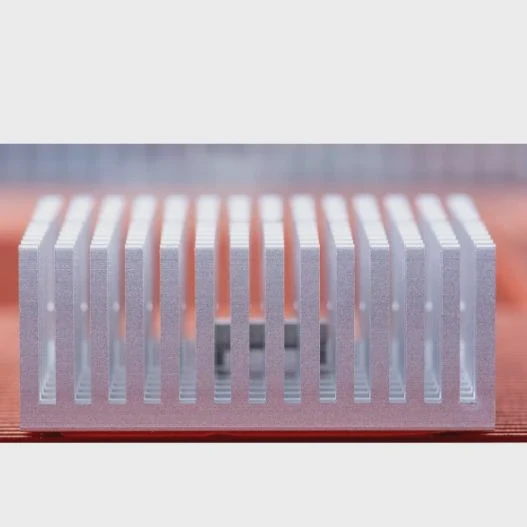
Heavy-Duty Aluminum Heat Sink Custom
19 Mar,2026
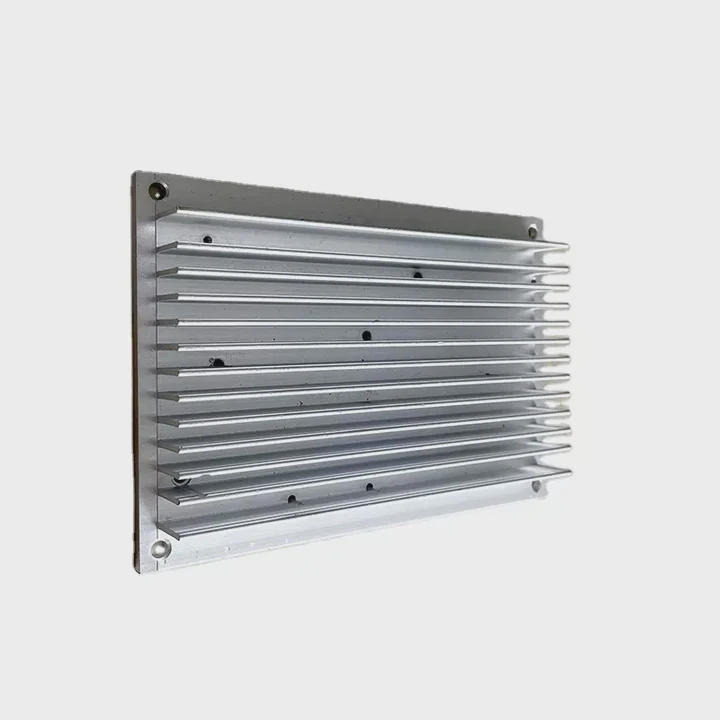
Oem Skived Fin Heatsink Aluminum Radiator For Plants
19 Mar,2026
Water Cooled Cnc Aluminum Heat Sink For Medical
19 Mar,2026
High Density 6000 Series Aluminum Heat Sink Profile
19 Mar,2026
High-Density Extruded Aluminum & Bonded-Fin Heat Sink Profile
19 Mar,2026
Recommend Categories
- Liquid cooling plate Manufacturer
- Industrial Heat Sink Manufacturer
- Standard Heat Sink Manufacturer
- Aluminum Heat Sink Manufacturer
- Copper Heat Sink Manufacturer
- Anodized Heatsink Manufacturer
- Stamping heat sink Manufacturer
- Die Casting Heatsink Manufacturer
- Soldering heat sink Manufacturer
- CNC Parts Manufacturer
Latest Products
- M.2 Heatpipe Heatsink With Dual Fans For Pc Case
- Heavy-Duty Aluminum Heat Sink Custom
- Oem Skived Fin Heatsink Aluminum Radiator For Plants
- Water Cooled Cnc Aluminum Heat Sink For Medical
- High Density 6000 Series Aluminum Heat Sink Profile
- High-Density Extruded Aluminum & Bonded-Fin Heat Sink Profile
- Dongguan Cnc Aluminum Heat Sink For Led & Brass Parts
- Wholesale Cnc Aluminum Heat Sink - Custom Extruded
- Led Cnc Round Heat Sink With Screw Holes
- Copper Pin-Fin Heat-Sink Large-Area For Photoled Cooling
- Telecom Heatsink Zipper Fin Wcopper Tubes Oem
Contact Expert
Have questions about this article? Reach out to our experts directly.